

30 Healthy Filipino Recipes That Are Nutritious and Perfect for a Food Business
Healthy Filipino recipes are a modern approach to traditional Filipino cooking that prioritize nutrition without letting go of the bold, comforting flavors that Filipinos love. These recipes reinvent classic dishes by incorporating lean proteins, whole grains, fresh vegetables, lower sodium, less sugar, and healthier cooking techniques — all while keeping the soul of Filipino cuisine intact.
As more Filipinos become health-conscious, the demand for healthier versions of local favorites has grown significantly. Across restaurants, cafés, meal prep services, and online food businesses, customers are actively looking for Filipino food that is both delicious and good for the body. Whether it’s a lighter sinigang, a grilled version of inasal, or a tofu-based sisig, healthy Filipino food is proving that nutritious eating does not have to mean flavorless eating.
Healthy Filipino recipes are ideal for a wide range of people. Families looking to improve their daily diet, fitness enthusiasts who want to eat clean without giving up Filipino comfort food, busy professionals who rely on meal prep services, and entrepreneurs who want to enter the growing healthy food market will all find value in mastering these recipes. This guide covers 30 carefully selected healthy Filipino recipes, along with practical business insights for anyone looking to turn these dishes into a profitable venture.
Key Takeaways
- Healthy Filipino recipes modernize traditional dishes without sacrificing authentic flavors. Simple swaps and cooking adjustments can dramatically improve nutritional value while keeping the taste Filipinos love.
- Nutritious Filipino meals are becoming increasingly popular due to growing health awareness, the rise of lifestyle diseases, and the influence of fitness culture across the country.
- Many healthy Filipino dishes are ideal for meal prep and food delivery businesses. Their portability, scalability, and broad appeal make them strong candidates for commercial production.
- Simple ingredient substitutions can significantly improve the nutritional value of classic recipes. Swapping white rice for brown rice, deep frying for air frying, or full-fat coconut milk for light alternatives makes a measurable difference.
- Health-focused Filipino food businesses continue to experience growing consumer demand, creating real opportunities for entrepreneurs, home cooks, and small food brands alike.
Table of Contents
What Are Healthy Filipino Recipes?
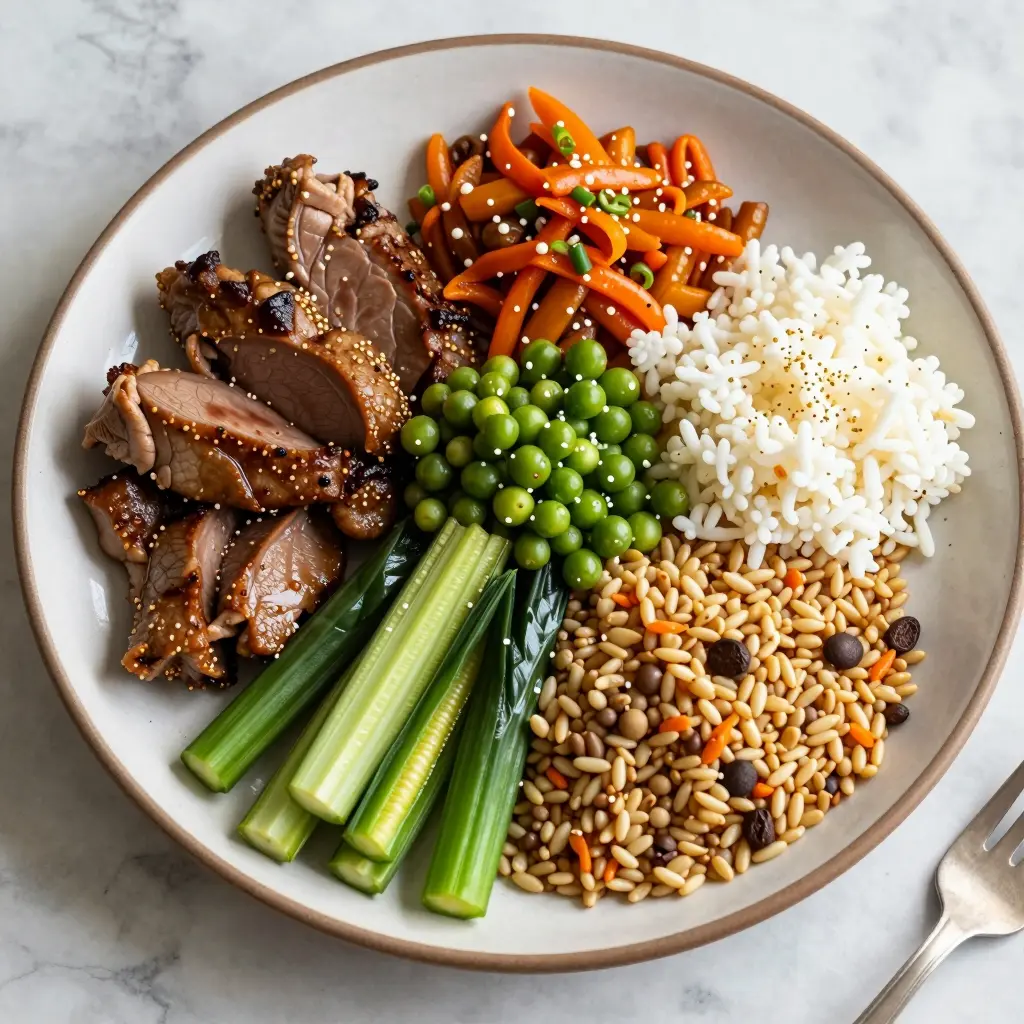
Definition of Healthy Filipino Recipes
Healthy Filipino recipes are adaptations of traditional Filipino dishes that use nutritionally superior ingredients, lighter cooking methods, and mindful portion control to reduce calories, unhealthy fats, sodium, and refined sugars — without sacrificing flavor or cultural authenticity.
These recipes stay rooted in Filipino culinary traditions. They still use calamansi, soy sauce, fish sauce, vinegar, and coconut — but in smarter ways. A healthy adobo might use chicken breast instead of pork belly and be baked rather than pan-fried. A healthy sinigang might reduce sodium through a tamarind base without added salt, and add extra malunggay or kangkong for added nutrients. The goal is not to create foreign-tasting food, but to evolve Filipino cooking so it serves modern health needs.
Healthy Filipino recipes generally feature:
- Lean proteins such as chicken breast, fish, tofu, or legumes
- Complex carbohydrates like brown rice, red rice, quinoa, or whole wheat noodles
- Increased vegetable portions — especially nutrient-dense local vegetables like malunggay, kangkong, ampalaya, and talong
- Lower sodium achieved through low-sodium soy sauce, reduced patis, or broth made from scratch
- Less sugar by using natural sweeteners like ripe bananas, muscovado, or simply reducing portions
- Healthier cooking methods such as grilling, steaming, air frying, broiling, or stir-frying in minimal oil
Benefits of Eating Healthier Filipino Meals
Eating healthier versions of Filipino dishes offers a range of physical and mental health benefits:
- Weight management — Leaner proteins, fewer refined carbs, and more fiber help with satiety and calorie control.
- Reduced risk of chronic disease — Lower sodium reduces hypertension risk; less saturated fat supports heart health; more vegetables boost immunity.
- Better energy levels — Complex carbohydrates and balanced macronutrients provide sustained energy rather than sharp spikes and crashes.
- Improved digestion — Higher fiber from whole grains and vegetables supports gut health.
- Mental clarity and mood — Nutritious food, especially those rich in omega-3s, B vitamins, and antioxidants, supports brain function and emotional balance.
- Cultural connection with health — Eating familiar Filipino food in a healthier form makes it easier to sustain long-term healthy eating habits.
Why Healthy Filipino Food Is Becoming More Popular
The shift toward healthier eating in the Philippines is driven by several converging trends:
- Rising rates of lifestyle diseases — Diabetes, hypertension, and obesity are increasingly common in the Philippines, motivating more Filipinos to reconsider their diet.
- Social media fitness culture — Platforms like TikTok, Instagram, and YouTube have accelerated the spread of health-conscious food content, inspiring home cooks and entrepreneurs to create lighter Filipino dishes.
- Urbanization and busy lifestyles — More urban Filipinos are turning to meal prep services and healthy food delivery, driving demand for nutritious, ready-to-eat Filipino options.
- Growing middle class — As incomes rise, more Filipinos can afford and are willing to pay for premium, healthier ingredients and meals.
- Pandemic health awareness — The COVID-19 pandemic prompted a widespread reassessment of health habits, including diet, across the country.
Why Healthy Filipino Food Is a Growing Business Opportunity
Rising Demand for Healthy Eating in the Philippines
The Philippine food market is evolving rapidly. According to health and food industry data, demand for health-oriented food products — from low-sodium condiments to sugar-free desserts — has grown steadily year over year. Consumers are reading labels, asking about ingredients, and actively seeking healthier alternatives, even when it comes to their favorite Filipino comfort foods.
Meal Prep and Food Delivery Businesses
Healthy meal prep and food delivery have emerged as one of the fastest-growing segments in the Philippine food industry. Busy professionals, gym-goers, and families with tight schedules are turning to subscription-based meal services that deliver portioned, nutritious Filipino meals to their doors. The low startup cost, scalability, and direct-to-consumer model make this an attractive entry point for food entrepreneurs.
Healthy Cafés and Restaurants
Health-forward cafés and restaurants are gaining strong followings in Metro Manila, Cebu, and other major cities. Customers are drawn to establishments that offer macro-conscious Filipino bowls, low-sugar kakanin, and clean-label smoothies — served in a welcoming, community-centered environment.
Corporate and Office Meal Providers
Corporate wellness programs are growing in the Philippines, and companies are increasingly looking for caterers who can provide balanced, nutritious meals for their employees. A healthy Filipino food business that can supply offices with daily lunch subscriptions or catering packages is positioned in a highly underserved niche.
Fitness and Wellness Food Brands
Gyms, CrossFit boxes, yoga studios, and sports facilities are natural channels for healthy Filipino food. Protein-rich Filipino dishes, power bowls, and pre-/post-workout meals that incorporate local ingredients can be developed into a fitness food brand with strong community appeal.
30 Healthy Filipino Recipes
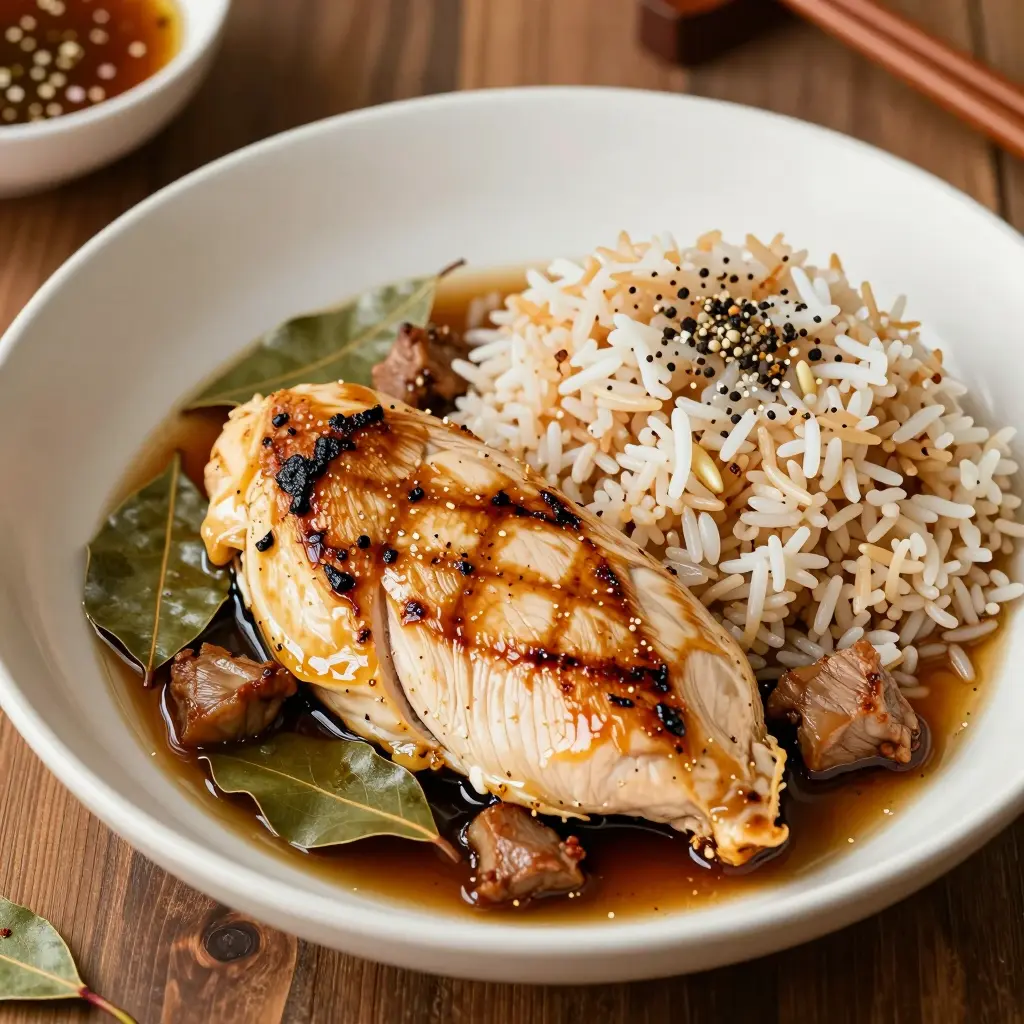
1. Grilled Chicken Adobo with Brown Rice
Recipe Overview This healthier take on the classic Filipino adobo replaces fatty pork belly with marinated chicken breast, grilled to perfection instead of braised in oil. The marinade uses low-sodium soy sauce, coconut vinegar, garlic, black pepper, and bay leaves. Served alongside a cup of cooked brown rice, this dish is filling, flavorful, and nutritionally complete.
Healthy Twist Using chicken breast reduces saturated fat and calories dramatically. Grilling instead of pan-frying eliminates excess oil. Coconut vinegar provides probiotics and a milder acidity. Brown rice adds fiber and has a lower glycemic index than white rice.
Health Benefits High in lean protein to support muscle growth and repair. Brown rice provides complex carbohydrates, B vitamins, and magnesium. The dish is lower in sodium than traditional adobo and contains zero refined sugar.
Business Potential Chicken adobo is one of the most universally loved Filipino dishes, making it a safe anchor for any healthy meal prep business. It reheats well, holds its flavor, and appeals to almost every Filipino demographic. Offer it as a weekly staple in your meal subscription box.
Best For Meal prep services, fitness meal delivery, office lunch subscriptions, healthy carinderia.
2. Low-Sodium Sinigang na Salmon
Recipe Overview Salmon belly or salmon head is simmered in a tamarind broth loaded with kangkong, radish, eggplant, string beans, and tomatoes. The broth is made fresh using ripe tamarind, without commercial sinigang powder mixes that are high in sodium and preservatives. Fish sauce is used sparingly or replaced with a small amount of sea salt.
Healthy Twist Fresh tamarind broth reduces sodium versus packaged mixes. Salmon is rich in omega-3 fatty acids and heart-healthy unsaturated fats. Abundant vegetables increase fiber, vitamin, and mineral content. Using less patis and no MSG keeps sodium in check.
Health Benefits Omega-3 fatty acids from salmon support heart health, brain function, and inflammation reduction. The sour broth from tamarind has antioxidant properties. The variety of vegetables provides vitamin C, iron, calcium, and dietary fiber.
Business Potential Sinigang is one of the most-ordered Filipino dishes in restaurants. A low-sodium, premium salmon version can command a higher price point and attract health-conscious diners. Offer it as a weekly rotating special or premium meal option.
Best For Healthy restaurants, premium meal delivery, family meal prep, health-conscious carinderia.
3. Air-Fried Tofu Sisig
Recipe Overview Firm tofu is marinated in calamansi juice, low-sodium soy sauce, and chili, then air-fried until crispy. The tofu bites are tossed with caramelized onions, sili, and a squeeze of fresh calamansi, and served on a sizzling plate or in a bowl. A dollop of low-fat mayonnaise or silken tofu cream finishes the dish.
Healthy Twist Tofu replaces fatty pork maskara, eliminating cholesterol and saturated fat. Air frying instead of deep frying drastically cuts oil content. Using silken tofu as the creamy base instead of mayonnaise further reduces unhealthy fats while adding protein.
Health Benefits Tofu is an excellent source of plant protein and contains all essential amino acids. It is low in calories and contains isoflavones that support hormonal balance. This version of sisig is significantly lower in cholesterol and saturated fat compared to the traditional pork version.
Business Potential Tofu sisig has grown in popularity alongside the plant-based food movement. It is a great option for vegetarian customers, flexitarians, and health-conscious diners. It is also more cost-effective than pork sisig, making it a high-margin menu item.
Best For Vegan and vegetarian menus, healthy cafés, meal prep services, food stalls, university canteens.
4. High-Protein Chicken Tinola
Recipe Overview Chicken tinola is simmered in a ginger-infused broth with green papaya, malunggay leaves, and sili leaves. This version uses bone-in chicken breast or drumstick to maximize protein while reducing fat. The broth is kept clean — no MSG, minimal fish sauce, and extra ginger for added anti-inflammatory benefits.
Healthy Twist Using leaner cuts of chicken reduces saturated fat content. Malunggay (moringa) is a local superfood loaded with vitamins A, C, and iron. Green papaya adds enzymes that aid digestion. Extra ginger in the broth provides anti-inflammatory and immune-boosting properties.
Health Benefits Tinola is one of the naturally healthiest Filipino soups, requiring minimal modification. High in protein, low in fat, rich in vitamins A and C from malunggay and papaya, and supportive of immunity and digestion.
Business Potential Tinola is particularly marketable during the rainy season and flu season, and also aligns well with wellness and recovery narratives. Package it as a “healing soup” or “immunity bowl” for added marketing appeal.
Best For Healthy soup subscriptions, family meal prep, recovery meal delivery, health-focused carinderia.
5. Quinoa Pinakbet Bowl
Recipe Overview Traditional pinakbet is elevated by swapping white rice for a quinoa base. The vegetable medley — bitter melon, eggplant, squash, okra, string beans, and tomatoes — is sautéed with just a touch of bagoong alamang (shrimp paste), minimal oil, and fresh garlic and onions. The result is a colorful, fiber-rich, protein-packed bowl.
Healthy Twist Quinoa is a complete protein and gluten-free grain that provides all nine essential amino acids. It replaces white rice to increase protein and reduce the glycemic impact of the meal. Bagoong is used minimally to retain flavor while reducing sodium.
Health Benefits Pinakbet is already one of the most vegetable-forward Filipino dishes. With quinoa as a base, it becomes a nutritional powerhouse — high in plant protein, dietary fiber, vitamins A and C, iron, and antioxidants from the colorful vegetables.
Business Potential The quinoa pinakbet bowl is a visually striking, trend-forward dish that photographs beautifully for social media. It is ideal for health cafés and upscale meal prep services targeting wellness-conscious consumers.
Best For Health cafés, fitness meal delivery, vegetarian menus, meal prep bowls, wellness-focused food brands.
6. Baked Bangus with Garlic Vegetables
Recipe Overview Whole or butterflied bangus (milkfish) is marinated in calamansi juice, garlic, black pepper, and a touch of soy sauce, then baked in the oven with a side of roasted garlic vegetables — bell pepper, cherry tomatoes, zucchini, and onions. The fish is cooked to flaky perfection without any oil for frying.
Healthy Twist Baking replaces the traditional deep frying of bangus, eliminating hundreds of calories and grams of unhealthy fat. Roasted vegetables replace oily side dishes. The garlic marinade enhances flavor naturally without excess sodium.
Health Benefits Bangus is rich in omega-3 fatty acids, protein, and B vitamins. The garlic in the marinade has cardiovascular and antibacterial benefits. Bell peppers and tomatoes in the vegetable mix are loaded with vitamin C and lycopene.
Business Potential Baked bangus is a familiar, comforting protein that appeals across age groups. As a meal prep item, it can be paired with various healthy sides for rotation. Position it as a premium “clean protein” option in your menu.
Best For Meal prep and delivery, healthy catering, family-style meal kits, office lunch subscriptions.
7. Brown Rice Chicken Arroz Caldo
Recipe Overview This comforting rice porridge uses brown rice instead of white, simmered slowly in a ginger-garlic chicken broth with shredded chicken breast. It is topped with a soft-boiled egg, toasted garlic, spring onions, and a drizzle of calamansi juice. The texture is slightly chewier than traditional arroz caldo but equally warming and satisfying.
Healthy Twist Brown rice increases the fiber content and lowers the glycemic index of this traditionally starchy dish. Chicken breast keeps it lean. Ginger provides anti-inflammatory benefits, and the broth is made without MSG or commercial bouillon.
Health Benefits Arroz caldo is a gentle, easily digestible meal that is commonly eaten during illness or recovery. The brown rice version sustains blood sugar levels more steadily. Ginger and garlic add immune-supporting compounds, while the egg provides additional protein and healthy fats.
Business Potential Arroz caldo sells particularly well during cold mornings, rainy season, and as a breakfast item. A brown rice version positioned as a “healthy comfort food” or “recovery meal” has strong emotional and seasonal appeal. It is also inexpensive to produce at scale.
Best For Breakfast delivery, recovery meal subscriptions, healthy carinderia, hospital or clinic meal services.
8. Healthy Beef Nilaga with Extra Vegetables
Recipe Overview Lean beef cuts such as shank or round are slowly simmered with potatoes, pechay, cabbage, corn, and carrots in a clear broth seasoned with whole peppercorns and a touch of fish sauce. The fat is skimmed during cooking to produce a clean, light broth. Extra vegetables are added to increase volume and nutritional density.
Healthy Twist Using lean beef cuts and skimming fat from the broth significantly reduces saturated fat and calorie content. The doubling of vegetable portions increases fiber, vitamins, and minerals. Avoiding MSG and using whole peppercorns instead keeps the dish clean and natural.
Health Benefits Beef nilaga is a natural source of collagen from the slow-cooked beef shank, which supports joint and skin health. The broth is hydrating and electrolyte-rich. The vegetable-heavy version provides vitamins C and K, potassium, and dietary fiber.
Business Potential Nilaga’s universal appeal across generations makes it a reliable seller. Market it as a “collagen-rich comfort soup” for added health branding appeal. It is inexpensive to batch-cook and stores well, making it efficient for large-scale meal prep.
Best For Family meal prep, healthy carinderia, recovery meals, meal subscription boxes.
9. Grilled Chicken Inasal Rice Bowl
Recipe Overview Chicken inasal — marinated in lemongrass, calamansi, vinegar, garlic, and annatto — is grilled over charcoal or in a pan, then sliced and served over a bed of brown rice. The dish is drizzled with annatto oil (used minimally) and accompanied by a garlic vinegar dipping sauce and fresh vegetable side salad.
Healthy Twist The classic inasal marinade is naturally healthy — the combination of vinegar, citrus, and lemongrass tenderizes without needing oil-heavy marinades. Grilling preserves flavor while reducing fat. Brown rice replaces the traditional white rice, and the annatto oil is used in small amounts for color and flavor rather than as a cooking fat.
Health Benefits Chicken is an excellent lean protein. The inasal marinade contains lemongrass, which has antioxidant and antimicrobial properties, and calamansi, which provides vitamin C. Annatto is a natural food colorant with antioxidant properties.
Business Potential Inasal is deeply beloved in Filipino culture, particularly from Bacolod cuisine. A healthier bowl version captures both the regional authenticity and the health trend. It photographs beautifully for social media and is highly shareable, making it great for online marketing.
Best For Fitness meal delivery, healthy bowl restaurants, meal prep services, food stalls in gyms or fitness centers.
10. Vegetable Lumpiang Sariwa with Peanut Yogurt Sauce
Recipe Overview A fresh lumpia wrapper encloses a filling of shredded kamote tops, bean sprouts, jicama (singkamas), carrots, cabbage, and heart of palm — sautéed lightly in garlic and onion with minimal oil. The lumpia is served fresh (not fried) and topped with a peanut sauce made from natural peanut butter, Greek yogurt, garlic, and a splash of low-sodium soy sauce.
Healthy Twist Serving the lumpia fresh rather than deep-fried eliminates frying oil entirely. The peanut yogurt sauce replaces the traditional thick sweet sauce (which is high in sugar and cornstarch) with a protein-rich, probiotic alternative. The vegetable-only filling is nutrient-dense and low in calories.
Health Benefits This dish is rich in dietary fiber, vitamins A and C, plant protein from peanut butter, and probiotics from Greek yogurt. It is low in calories, cholesterol-free, and suitable for vegetarians and health-conscious consumers.
Business Potential Fresh lumpia is a crowd-pleaser at events and markets. A healthy version with a creative peanut yogurt sauce stands out from competitors. It is easy to prepare in batches and ideal for food markets, catering, and meal boxes.
Best For Vegetarian menus, event catering, food market stalls, healthy meal prep, fitness food brands.
11. Baked Banana-Oat Turon
Recipe Overview Ripe saba bananas are wrapped in whole wheat lumpia wrappers with a sprinkle of rolled oats and a small amount of muscovado sugar, then baked in the oven until crispy — no frying required. A drizzle of honey can be added as a finishing touch.
Healthy Twist Baking instead of deep frying eliminates the need for cooking oil. Muscovado sugar replaces refined white sugar, providing trace minerals. Oats add fiber and help slow sugar absorption. Whole wheat wrappers increase the fiber content further.
Health Benefits Bananas provide natural sugars, potassium, and vitamin B6. Oats are a source of beta-glucan, a soluble fiber that supports heart health and cholesterol management. This is a significantly lighter dessert than traditional deep-fried turon.
Business Potential Turon is one of the most popular Filipino street snacks. A baked, healthier version is a strong differentiator for a healthy snack brand or café. It is also great as a packaged take-home item.
Best For Healthy snack brands, cafés, food markets, healthy dessert subscriptions, school canteens.
12. Oatmeal Champorado with Tablea
Recipe Overview Traditional champorado is made with white glutinous rice and cocoa. This version replaces the rice with rolled oats, uses pure tablea (native cacao) instead of commercial chocolate powder, and sweetens lightly with muscovado sugar. It is served with a small amount of low-fat milk instead of full-fat evaporated milk.
Healthy Twist Oats replace glutinous rice, dramatically increasing fiber and reducing refined carbohydrates. Tablea provides real cacao with natural antioxidants, unlike sweetened cocoa mixes. Muscovado sugar and low-fat milk further reduce sugar and fat content.
Health Benefits Rolled oats are one of the most nutrient-dense breakfast grains, providing beta-glucan fiber, protein, and complex carbohydrates. Cacao from tablea is rich in flavonoids and magnesium. This champorado keeps blood sugar stable and supports heart health.
Business Potential Champorado is a beloved Filipino breakfast. A healthy oatmeal version appeals to parents, health-conscious adults, and those managing blood sugar. It is quick to make and ideal for breakfast delivery services.
Best For Breakfast delivery, healthy meal prep, family subscriptions, office breakfast programs.
13. Greek Yogurt Buko Fruit Bowl
Recipe Overview Young coconut meat (buko) is paired with sliced seasonal fruits — mango, papaya, watermelon, and pineapple — then topped with plain Greek yogurt, a drizzle of local honey, and a sprinkle of granola or chia seeds. Buko juice is used as a light base instead of sweetened syrup.
Healthy Twist Greek yogurt replaces sweetened condensed milk or cream as the protein-rich base. Fresh seasonal fruits replace canned fruit cocktail. Chia seeds or granola provide texture with additional fiber and healthy fats. No added sugar beyond the natural sweetness of the fruit.
Health Benefits Greek yogurt is high in protein and probiotics that support gut health. Buko is hydrating and rich in electrolytes. Seasonal fruits provide vitamins C and A, natural sugars, and antioxidants. This bowl is a nutritionally complete and refreshing meal or snack.
Business Potential Fruit bowls and smoothie bowls are trending heavily on social media. A Filipino-inspired version using local buko and seasonal fruits has a distinct, photogenic identity. It is easy to assemble, has good margins, and appeals to brunch and health café customers.
Best For Health cafés, brunch menus, smoothie bars, food delivery, event catering.
14. Ube Chia Seed Overnight Oats
Recipe Overview Rolled oats are soaked overnight in oat milk or low-fat milk with chia seeds, vanilla extract, and natural ube flavoring (from real ube halaya or ube powder). The mixture is topped in the morning with shredded fresh ube, toasted coconut flakes, and a thin layer of ube halaya.
Healthy Twist No-cook overnight oats are a highly nutritious, low-effort breakfast. Chia seeds add omega-3 fatty acids, fiber, and protein. Using natural ube instead of artificial flavoring and keeping sugar minimal ensures this is a genuinely healthy option. Oat or low-fat milk reduces saturated fat.
Health Benefits Oats provide sustained energy from complex carbohydrates. Chia seeds are one of the most nutrient-dense foods available — high in omega-3s, fiber, protein, and calcium. Ube contains antioxidants, vitamin C, and potassium.
Business Potential Ube is one of the most globally recognized Filipino ingredients. Ube overnight oats presented in clear jars are highly photogenic, shareable, and perfect for a grab-and-go health café or delivery service. They can also be sold as meal prep kits.
Best For Health cafés, grab-and-go breakfast businesses, meal prep subscriptions, online food shops.
15. High-Protein Monggo with Chicken Breast
Recipe Overview Mung beans (monggo) are simmered until tender with sautéed onion, garlic, tomatoes, and ginger. Shredded chicken breast is stirred in for added protein, along with generous handfuls of malunggay leaves and spinach. The dish is seasoned with a small amount of fish sauce and finished with a squeeze of calamansi.
Healthy Twist Adding chicken breast turns this already nutritious legume dish into a high-protein, complete meal. Malunggay boosts the iron and vitamin content significantly. Reducing fish sauce lowers sodium, and skipping pork-based additions keeps the dish lean.
Health Benefits Mung beans are one of the best plant-based protein sources and are exceptionally high in fiber, folate, and iron. The combination with chicken breast creates a meal that is both high in protein and high in complex carbohydrates, making it ideal for muscle building and energy.
Business Potential Monggo is a Filipino staple eaten weekly by millions. Positioning a high-protein version as a “muscle fuel” or “post-workout meal” gives it specific fitness market appeal. It is inexpensive to produce, making margins excellent for a meal prep service.
Best For Fitness meal delivery, gym canteens, affordable healthy meal prep, family subscription boxes.
16. Whole Wheat Pancit Canton with Vegetables
Recipe Overview Whole wheat noodles (or shirataki noodles for lower carb) replace traditional flour noodles in this pancit canton. The noodles are stir-fried with cabbage, carrots, green beans, and lean chicken strips using a low-sodium soy sauce and oyster sauce blend. A handful of edamame can be added for plant protein.
Healthy Twist Whole wheat noodles retain the bran and germ, providing more fiber, vitamins, and minerals than refined flour noodles. The dish is heavy on vegetables, making it a lower-calorie but more nutritionally dense version of the classic.
Health Benefits Whole grains support digestive health and help maintain steady blood sugar. The generous vegetable content provides dietary fiber, vitamins, and antioxidants. Lean chicken breast keeps fat content low while maintaining protein levels.
Business Potential Pancit is a culturally significant dish, served at nearly every Filipino celebration. A healthy version is a must-have for health-focused catering. It is easy to scale up for large orders, making it a reliable income source.
Best For Event catering, party food delivery, meal prep services, healthy carinderia.
17. Cauliflower Garlic Fried Rice
Recipe Overview Finely riced cauliflower is stir-fried with garlic, onions, a splash of low-sodium soy sauce, and an egg. Additional vegetables — frozen peas, carrots, and corn — are tossed in for color and nutrients. The dish mimics the flavor of garlic fried rice without any white rice at all.
Healthy Twist Cauliflower rice is a low-carb, low-calorie substitute for white rice with a fraction of the carbohydrates. It is suitable for keto, low-carb, and diabetic-friendly diets. The dish retains the beloved garlic fried rice flavor profile while dramatically reducing calories.
Health Benefits Cauliflower is rich in vitamin C, choline, and anti-inflammatory compounds. The egg provides complete protein. This dish is excellent for weight management, blood sugar regulation, and those following low-carb or diabetic-friendly diets.
Business Potential Low-carb options are in high demand in the Philippine fitness community. A Filipino-style cauliflower fried rice is a smart differentiator for a healthy meal prep brand. Pair it with any protein dish on your menu as a lower-carb side option.
Best For Fitness meal delivery, keto and low-carb menus, diabetic-friendly meal services, weight loss programs.
18. Lean Chicken Afritada
Recipe Overview Chicken breast pieces are simmered in a rich tomato sauce with potatoes, carrots, bell peppers, and green peas. The sauce is made with fresh tomatoes or low-sodium tomato sauce, minimal oil, and seasoned with garlic, onions, and black pepper. No sausages or fatty pork additions.
Healthy Twist Chicken breast replaces the traditional chicken thighs or pork, reducing fat. A tomato-forward sauce rich in fresh vegetables creates natural flavor without needing heavy seasoning. Potatoes provide filling complex carbohydrates without added fat.
Health Benefits Tomatoes are loaded with lycopene, a powerful antioxidant linked to reduced cancer and cardiovascular disease risk. Chicken breast provides lean protein. Bell peppers are an exceptional source of vitamin C. The dish is balanced in macronutrients and rich in micronutrients.
Business Potential Afritada is a beloved Filipino everyday dish. A leaner version is an excellent addition to any meal prep menu. Its tomato-based sauce keeps well in the refrigerator and reheats without losing quality, making it ideal for batch cooking.
Best For Meal prep and delivery, family meal subscriptions, healthy carinderia, office lunch services.
19. Healthy Ginataang Kalabasa with Tofu
Recipe Overview Cubed kalabasa (squash) and firm tofu are simmered in light coconut milk with sautéed onion, garlic, ginger, and a small amount of patis. Spinach or malunggay is stirred in at the end. Light coconut milk (or a blend of regular coconut milk diluted with water) is used to retain the creamy flavor with fewer calories.
Healthy Twist Light coconut milk reduces calorie and saturated fat content significantly. Tofu replaces the usual pork, cutting cholesterol while adding plant protein. Extra ginger provides anti-inflammatory benefits and deepens the flavor naturally.
Health Benefits Kalabasa is rich in beta-carotene, vitamin C, and potassium. Tofu provides complete plant protein and isoflavones. Malunggay or spinach adds iron and calcium. Light coconut milk retains medium-chain triglycerides (MCTs) that support energy without the full saturated fat load.
Business Potential Vegetarian ginataan options are popular in health cafés and vegan markets. This dish is easy to batch-cook and pairs well with brown rice or cauliflower rice. Market it as a plant-based Filipino comfort food.
Best For Vegetarian and vegan menus, healthy cafés, meal prep services, wellness-focused food brands.
20. Fresh Tuna Kinilaw Salad Bowl
Recipe Overview Fresh, sushi-grade tuna is “cooked” in a mixture of calamansi juice and coconut vinegar, then tossed with ginger, red onion, siling labuyo, cucumber, and green mango. The kinilaw is served on a bed of mesclun greens or thinly sliced radish, forming a fresh, vibrant salad bowl.
Healthy Twist Kinilaw is already a raw, oil-free dish. Serving it as a salad bowl rather than a standalone appetizer increases vegetable content and creates a complete, filling meal. Fresh green mango adds fiber and vitamin C. The acid from calamansi and vinegar effectively denatures the proteins in the fish, making it safe to eat.
Health Benefits Fresh tuna is one of the best lean protein sources available and is high in omega-3 fatty acids, selenium, and B vitamins. The acid-marinated preparation preserves more nutrients than cooking with heat. The vegetable base adds fiber and antioxidants.
Business Potential Kinilaw is a premium Filipino dish that can be priced accordingly. A salad bowl presentation makes it accessible to health café menus and upscale meal delivery services. It is also a very low-cost dish to produce relative to its perceived value.
Best For Premium health cafés, upscale meal delivery, beachside restaurants, fitness food brands.
21. Air-Fried Lumpiang Shanghai
Recipe Overview The traditional ground pork filling is modified with a blend of ground chicken or turkey, minced carrots, water chestnuts, garlic, and minimal seasoning. The lumpia are wrapped tightly and air-fried until golden and crispy — achieving the same satisfying crunch as deep-fried versions with a fraction of the oil.
Healthy Twist Ground chicken or turkey replaces pork, reducing saturated fat and calories. Air frying uses up to 80% less oil than deep frying. The addition of water chestnuts and carrots increases the vegetable content of the filling.
Health Benefits Ground chicken is lean and high in protein. Air frying preserves more of the nutritional profile of ingredients by avoiding high-heat immersion in oil. Carrots provide beta-carotene and fiber within the filling itself.
Business Potential Lumpiang Shanghai is one of the most universally loved Filipino party foods. An air-fried, healthier version can be positioned as a party platter item for corporate events, children’s parties, and casual gatherings — all with a health-forward identity. It also freezes exceptionally well for frozen meal offerings.
Best For Party catering, frozen healthy meal businesses, food stalls, meal prep services.
22. Healthy Chicken Sopas with Whole Wheat Pasta
Recipe Overview A creamy Filipino chicken noodle soup made with whole wheat elbow macaroni, shredded chicken breast, carrots, celery, onion, and cabbage. Low-fat evaporated milk or oat milk replaces full-fat evaporated milk for the creaminess. Chicken broth is made from scratch without MSG.
Healthy Twist Whole wheat pasta provides more fiber and a lower glycemic index than regular macaroni. Low-fat milk reduces saturated fat without sacrificing the creamy texture Filipinos love. Using homemade broth eliminates unnecessary sodium from commercial broth products.
Health Benefits This comforting soup is lower in saturated fat and higher in fiber than traditional sopas. Chicken breast provides lean protein. Vegetables add vitamins and minerals. The warm, liquid-based meal is highly satisfying, which supports portion control.
Business Potential Sopas is a deeply comforting Filipino dish that is eaten year-round, particularly by families with children. A healthier version appeals to health-conscious parents. It is quick to batch-cook and package well for delivery.
Best For Family meal prep, children’s meal services, recovery meals, breakfast delivery.
23. Low-Sugar Buko Pandan Dessert Cups
Recipe Overview Young coconut strips are combined with pandan-infused gelatin (using fresh pandan leaves rather than artificial flavoring) and a light cream made from Greek yogurt blended with a small amount of honey and light coconut cream. The dessert is served in individual cups for portion control.
Healthy Twist Greek yogurt replaces full-fat cream or sweetened condensed milk. Natural pandan flavor replaces artificial pandan extract. Honey or a minimal amount of muscovado sugar is used instead of refined white sugar. Individual cups promote controlled serving sizes.
Health Benefits Young coconut is hydrating and provides electrolytes. Greek yogurt adds protein and probiotics. Pandan contains antioxidants and has a mild calming effect. Compared to traditional buko pandan, this version is lower in sugar, calories, and saturated fat.
Business Potential Buko pandan is one of the most popular Filipino desserts and kakanin. A lighter, individual-cup version is perfect for dessert delivery, corporate catering, and health-oriented food brands. It is also a strong seasonal offering for warm weather months.
Best For Dessert delivery, health cafés, event catering, healthy snack brands.
24. Avocado-Calamansi Smoothie Bowl
Recipe Overview A thick, blended base of ripe Philippine avocado, calamansi juice, banana, and spinach is poured into a bowl and topped with sliced fresh fruits, chia seeds, granola, and toasted coconut flakes. The smoothie is made with oat milk or coconut water instead of dairy milk.
Healthy Twist No added sugar — natural sweetness comes from ripe banana and avocado. Spinach is blended in for nutrients without affecting flavor. Calamansi provides vitamin C and a uniquely Filipino citrus note. Toppings are kept nutrient-dense and low in refined sugar.
Health Benefits Avocado is rich in heart-healthy monounsaturated fats, fiber, potassium, and B vitamins. Calamansi provides vitamin C and bioflavonoids. Spinach adds iron and folate. This bowl is a complete, balanced meal packed with vitamins, minerals, and healthy fats.
Business Potential Smoothie bowls are one of the highest-margin food items in health cafés because of their photogenic quality and perceived premium value. A Filipino-flavored version using avocado and calamansi is a strong brand differentiator in the market.
Best For Health cafés, smoothie bars, brunch menus, fitness meal delivery, food market stalls.
25. Vegetable Adobo Stir-Fry
Recipe Overview A medley of hearty vegetables — eggplant, mushrooms, kangkong, cabbage, and bell peppers — is cooked in the classic adobo style: braised in coconut vinegar, low-sodium soy sauce, garlic, black pepper, and bay leaves. The dish is protein-boosted with chickpeas or edamame.
Healthy Twist A completely plant-based adobo that skips animal protein entirely but compensates with legumes for protein. Coconut vinegar has a milder, slightly sweet flavor compared to cane vinegar and contains trace probiotics. Minimal oil is used.
Health Benefits This dish is rich in dietary fiber, plant protein, vitamins, and antioxidants. Chickpeas or edamame provide complete protein profiles. The adobo sauce — vinegar, soy, garlic — has antimicrobial and prebiotic properties that support gut health.
Business Potential Plant-based Filipino food is a growing market segment. A vegetable adobo is easy to position for vegan, vegetarian, and flexitarian consumers. It is also cost-effective to produce at scale, offering strong profit margins.
Best For Vegan and vegetarian food brands, healthy carinderia, meal prep services, plant-based food delivery.
26. Brown Rice Bibimbap with Filipino Flavors
Recipe Overview A fusion bowl inspired by Korean bibimbap but reimagined with Filipino flavors: brown rice topped with sautéed kangkong, pickled singkamas, grilled chicken inasal slices, a soft-cooked egg, and a spiced calamansi-soy-chili sauce instead of the traditional gochujang. Everything is arranged neatly over a bed of brown rice.
Healthy Twist Brown rice provides complex carbohydrates and fiber. The mix of raw, pickled, grilled, and sautéed elements keeps the dish nutritionally diverse. The Filipino-inspired sauce uses calamansi and local chilies instead of sugar-heavy gochujang, reducing the sugar content.
Health Benefits This bowl is high in protein from chicken and egg, rich in fiber from brown rice and vegetables, and balanced in macronutrients. The variety of preparation methods for vegetables maximizes different nutrient profiles.
Business Potential Fusion bowls are a strong category in the healthy food market, particularly among young, urban consumers who follow food trends. A Filipino-Korean fusion bowl leverages the popularity of both cuisines and is highly Instagrammable.
Best For Health cafés, trendy food stalls, fitness meal delivery, young urban consumers, social media-driven food brands.
27. Sweet Potato Ube Pancakes
Recipe Overview Pancakes made from mashed sweet purple ube or orange camote, blended with whole wheat flour, oats, eggs, oat milk, and a touch of baking powder. Served with fresh fruits and a drizzle of local honey or muscovado syrup instead of commercial pancake syrup.
Healthy Twist Sweet potato or ube naturally sweetens the batter, reducing the amount of added sugar needed. Whole wheat flour and oats replace refined all-purpose flour, increasing fiber and nutrients. Oat milk replaces full-fat dairy. The batter is free of refined sugar and artificial flavoring.
Health Benefits Sweet potatoes and ube are both rich in beta-carotene, vitamin C, potassium, and antioxidants. Whole wheat provides B vitamins and dietary fiber. Oats contribute beta-glucan fiber. This is a nutrient-dense breakfast that supports sustained energy throughout the morning.
Business Potential Ube pancakes are a visually stunning dish that performs exceptionally well on social media. They appeal to brunch café customers, health-conscious families, and food content creators. They can also be sold as frozen pancake batter mix kits.
Best For Health cafés, brunch menus, family meal prep, healthy snack brands, frozen food businesses.
28. Healthy Laing with Grilled Chicken
Recipe Overview Traditional laing (dried taro leaves cooked in coconut milk) is made with light coconut milk and paired with grilled chicken breast instead of pork. The taro leaves are simmered slowly in a blend of regular and light coconut milk with ginger, garlic, onion, and minimal bagoong for seasoning.
Healthy Twist Using light coconut milk alongside regular reduces the saturated fat content by nearly half compared to traditional laing. Grilled chicken breast replaces pork and adds lean protein. Reducing the bagoong (shrimp paste) amount lowers sodium significantly.
Health Benefits Taro leaves are rich in vitamins A and C, iron, and calcium. Coconut milk — even the lighter version — provides beneficial medium-chain triglycerides. Grilled chicken provides complete, lean protein. The dish is high in nutrients and satisfying without being heavy.
Business Potential Laing is a beloved Bicolano dish with growing national popularity. A lighter, chicken-based version can capture a mainstream health market while retaining regional authenticity. It pairs well with brown rice and can be portioned and packaged for delivery.
Best For Regional Filipino food businesses, meal prep services, healthy carinderia, catering for Filipino regional cuisine lovers.
29. High-Fiber Cassava Energy Bites
Recipe Overview Grated cassava is mixed with desiccated coconut, rolled oats, natural peanut butter, honey, chia seeds, and a pinch of cinnamon. The mixture is rolled into small bite-sized balls and refrigerated until firm. No baking required.
Healthy Twist Cassava is the base instead of refined flour or white sugar. Rolled oats and chia seeds add fiber and protein. Natural peanut butter provides healthy fats. Honey is used in small amounts as the only sweetener. No cooking oil, refined sugar, or artificial flavoring is used.
Health Benefits Cassava is a good source of complex carbohydrates, vitamin C, and folate. Chia seeds provide omega-3 fatty acids and fiber. Natural peanut butter contributes protein and heart-healthy monounsaturated fats. These bites are a balanced, sustained-energy snack ideal between meals.
Business Potential Energy bites are among the easiest healthy snack products to package, brand, and sell. They require no cooking equipment and have a good shelf life when refrigerated. They are excellent for online selling, market stalls, gym shops, and subscription snack boxes.
Best For Healthy snack brands, gym shops, online food businesses, subscription snack boxes, school canteens.
30. Protein-Packed Filipino Breakfast Bowl (Tapsilog-Inspired)
Recipe Overview The beloved tapsilog — tapa, sinangag, and itlog — is reinvented as a healthy breakfast bowl. Lean beef tapa is made with thin-sliced beef sirloin marinated in low-sodium soy sauce, calamansi, garlic, and a touch of muscovado sugar, then pan-seared with minimal oil. It is served over brown garlic fried rice or cauliflower rice with a soft-cooked egg, sliced tomatoes, and cucumber.
Healthy Twist Sirloin replaces fatty beef cuts traditionally used in tapa. Low-sodium soy sauce and a minimal amount of natural sweetener reduce sodium and refined sugar. Brown rice or cauliflower rice replaces white sinangag. The egg is soft-cooked instead of fried. Tomato and cucumber add freshness and nutrients.
Health Benefits This bowl provides a complete, balanced breakfast macronutrient profile — protein from beef and egg, complex carbohydrates from brown rice, and vitamins from tomato and cucumber. The meal supports muscle maintenance, sustained energy, and satiety throughout the morning.
Business Potential Silog meals are the most universally consumed Filipino breakfast. A premium, health-conscious tapsilog bowl commands higher pricing and appeals to the growing population of health-aware young professionals. Offer it as a breakfast meal prep option or in a morning delivery subscription.
Best For Breakfast delivery services, health cafés, meal prep subscriptions, fitness food brands, office breakfast programs.
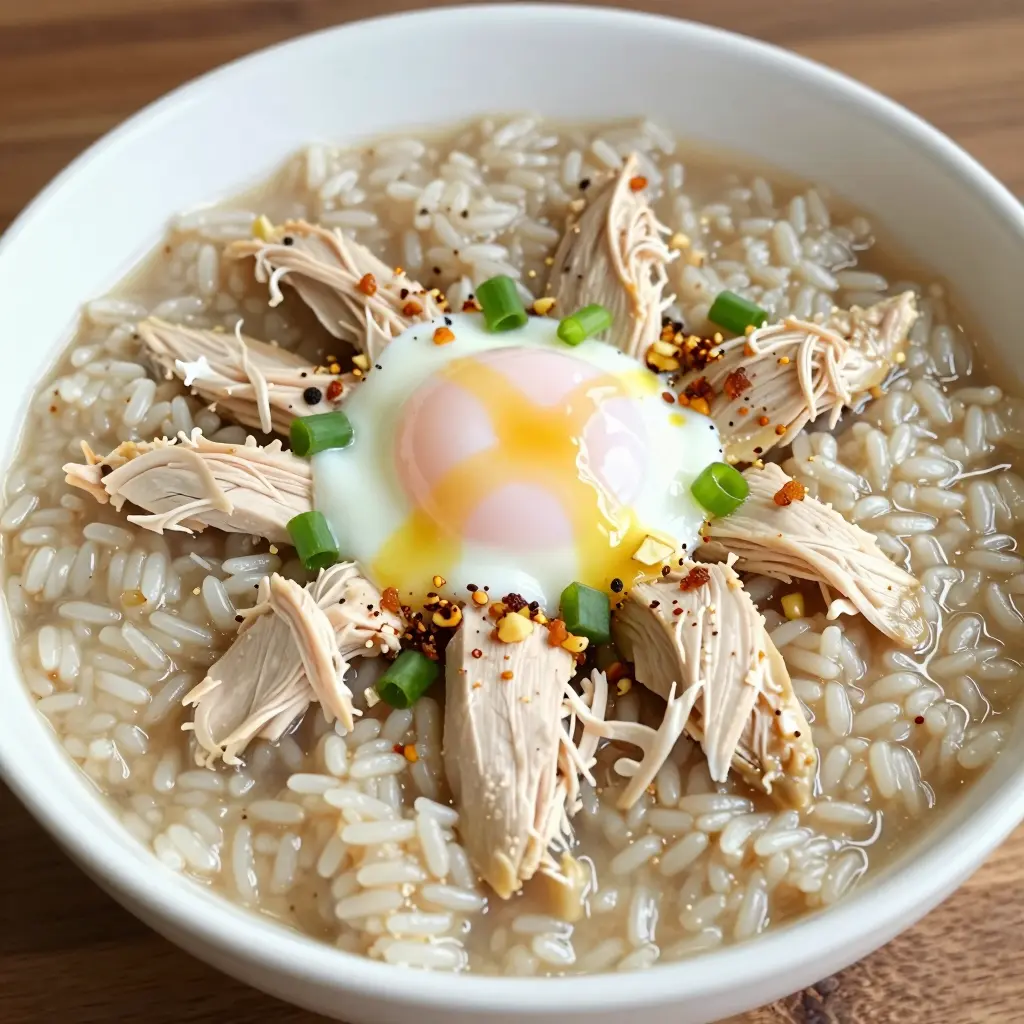
Healthy Ingredient Swaps for Filipino Cooking
Making Filipino food healthier does not require a complete overhaul of recipes. These straightforward ingredient substitutions can dramatically improve the nutritional profile of almost any dish:
Replace White Rice with Brown Rice or Red Rice
White rice, while a beloved staple, has a high glycemic index and has had most of its nutrients stripped during milling. Brown rice and red rice retain the bran and germ layers, providing more fiber, magnesium, B vitamins, and a lower glycemic impact.
Use Lean Chicken Instead of Fatty Pork
Many traditional Filipino recipes call for pork belly or pork shoulder, which are high in saturated fat. Replacing these with chicken breast, chicken thigh (skinless), or lean pork loin can reduce fat content by 50 to 70 percent without dramatically altering the flavor profile.
Grill, Steam, or Air Fry Instead of Deep Frying
Deep frying adds hundreds of calories and grams of fat to otherwise healthy proteins and vegetables. Grilling, steaming, baking, broiling, and air frying can achieve comparable textures with a fraction of the added fat.
Reduce Sugar with Natural Sweeteners
Where Filipino recipes call for refined white sugar, substitute with muscovado sugar, local honey, ripe fruit (such as banana or mango), or simply reduce the amount used. In many dishes, reducing sugar by 30 to 50 percent goes unnoticed by most diners.
Use Low-Sodium Soy Sauce
Standard soy sauce contains very high levels of sodium. Low-sodium soy sauce contains approximately 40 percent less sodium while maintaining the umami flavor. It is one of the easiest and most impactful swaps in Filipino cooking.
Increase Vegetable Portions
Double the vegetable portion in any dish — whether it is nilaga, sinigang, or afritada — to increase fiber, reduce overall calorie density, and improve the micronutrient profile of the meal without adding cost.
Replace Cream with Greek Yogurt
For creamy Filipino dishes or desserts, plain Greek yogurt provides the same richness with significantly more protein, fewer calories, and the added benefit of probiotics.
Add Superfoods Like Chia Seeds and Oats
Chia seeds can be stirred into champorado, overnight oats, smoothies, or dessert cups. Rolled oats can replace portions of flour in baking or be used in porridge. Both ingredients significantly boost fiber, protein, and omega-3 content.
Healthy Filipino Food Business Ideas
Healthy Meal Prep Business
A weekly meal prep service offering portioned, labeled, and refrigerator-ready Filipino meals is one of the lowest-cost food businesses to start from a home kitchen. Offer weekly rotating menus of five to seven dishes and cater to health-conscious families and professionals.
Fitness Meal Delivery
Target gyms, CrossFit communities, and online fitness groups. Create macro-tracked meal bundles — high-protein, moderate carbohydrate, low-fat — using Filipino dishes as the foundation. Offer muscle gain and fat loss meal plans as distinct packages.
Healthy Carinderia
Open a neighborhood eatery or turo-turo that features only healthy Filipino dishes. Use visible nutrition information, fresh ingredients, and wholesome cooking methods to differentiate from traditional carinderia. Start in a high-foot-traffic area near a gym, school, or office building.
Office Lunch Subscription Service
Offer a weekly or monthly subscription where companies pre-order healthy Filipino lunches for their employees. Provide customizable menus and nutritional information. Companies with corporate wellness programs are especially receptive to this model.
Healthy Filipino Café
Open a café that serves healthy Filipino breakfast bowls, smoothie bowls, and light Filipino snacks. Focus on ambiance, presentation, and social media presence. A well-designed, health-focused Filipino café can build a loyal following quickly with the right branding.
Frozen Healthy Filipino Meals
Produce a line of frozen, pre-portioned healthy Filipino meals that can be sold in health food stores, supermarkets, or online. Frozen laing, adobo, and tinola are strong candidates. Focus on minimal preservatives and clean label branding.
Healthy Filipino Snacks
Develop a line of packaged healthy Filipino snacks — cassava energy bites, baked turon, oatmeal champorado cups, or chia seed rice crackers. Snacks are highly scalable, easy to ship, and suited for online retail.
Corporate Wellness Catering
Partner with HR departments and corporate wellness officers to provide nutritious Filipino meals for company events, training days, and daily employee lunch programs. This model provides consistent, large-volume orders.
How to Make Healthy Filipino Recipes Customers Will Love
Keep Familiar Filipino Flavors
Customers will only buy healthy Filipino food repeatedly if it tastes authentically Filipino. Do not sacrifice the garlicky, sour, salty, or savory notes that define Filipino cuisine. Reduce, substitute, and modify — but never eliminate the character of the dish.
Focus on Portion Control
Healthy eating is as much about portions as ingredients. Offer clearly portioned meals with appropriate serving sizes. This also helps with pricing and food cost management.
Use Fresh Local Ingredients
Fresh malunggay, ripe calamansi, locally caught fish, and seasonal vegetables are not only more nutritious — they taste better and support local farmers and suppliers. Source locally wherever possible and highlight this in your marketing.
Create Colorful Presentation
Healthy food sells better when it looks vibrant and appealing. Use colorful vegetables, contrast of textures, and thoughtful plating or packaging. Customers eat with their eyes first, especially in the age of social media food content.
Offer Nutrition Information
Providing calorie counts, macronutrient breakdowns, and allergen information builds trust with health-conscious customers. It signals professionalism and transparency, which are increasingly important to Filipino food consumers.
Build a Consistent Weekly Menu
A rotating weekly menu with two to three fixed core dishes and a few rotating specials makes meal planning easy for your customers. Consistency builds loyalty and simplifies your operations.
Things to Know Before Starting a Healthy Filipino Food Business
Understanding Your Target Market
Identify who your primary customers are — fitness enthusiasts, busy professionals, health-conscious families, or corporate clients. Each segment has different needs, budgets, and expectations. Tailoring your product and marketing to a specific target market is more effective than trying to serve everyone.
Pricing Healthy Meals
Healthy Filipino meals typically command a premium price point due to the cost of quality ingredients and more labor-intensive preparation. Research your local market, calculate your food costs carefully, and price your meals to ensure a sustainable margin — typically 60 to 70 percent gross margin for food businesses.
Food Cost Management
Track your ingredient costs rigorously. Seasonal vegetables and local proteins are more cost-effective than imported superfoods. Design your menu around ingredients that are in season, locally available, and shelf-stable to minimize waste and control costs.
Ingredient Sourcing
Build relationships with trusted suppliers for lean meats, fresh fish, whole grains, and organic produce. Consistent sourcing ensures quality, reduces price volatility, and may allow you to negotiate volume discounts as your business grows.
Food Safety and Storage
Healthy Filipino meals — particularly those served chilled or frozen — must adhere to strict food safety standards. Invest in proper refrigeration, train yourself and your staff in safe food handling, and follow DOST or local health department guidelines for food business registration.
Packaging for Delivery
Packaging is a critical part of your brand identity and food safety. Choose eco-friendly, leak-proof containers that keep food fresh during transport. Clear labeling with the dish name, ingredients, calorie count, and storage instructions is essential.
Marketing Your Healthy Food Brand
Social media is the most cost-effective marketing channel for a healthy Filipino food business. Post consistently on Instagram, Facebook, and TikTok. Share recipe videos, behind-the-scenes cooking content, customer testimonials, and before-and-after nutrition information. Partner with local fitness influencers, health bloggers, and gym communities to grow your audience organically.
Ready to Start Cooking or Selling Healthy Filipino Recipes?
Whether you are cooking for your family, training for fitness goals, or building a food business from the ground up, the 30 healthy Filipino recipes in this guide give you a complete starting point. Here is how to move forward:
Create Your Signature Healthy Menu
Choose five to seven recipes from this guide that best reflect your cooking strengths and your target customers’ preferences. Build a weekly menu around these dishes, rotating proteins and vegetables for variety. Test different combinations and get feedback from family, friends, or early customers.
Test Your Recipes With Customers
Before launching a full business, test your recipes with a small pilot group. Offer free or discounted trial meals to your social network, neighborhood, or local gym community. Gather honest feedback on taste, portion size, packaging, and value. Use this data to refine your menu.
Build a Meal Prep or Delivery Business
Once your recipes are tested and refined, scale up your operations. Set up a systematic prep day (most successful meal prep businesses batch cook on Sundays). Develop an order system — whether through a simple Google Form, Facebook page, or a third-party delivery platform — and begin accepting orders.
Grow Your Healthy Filipino Food Brand
As your customer base grows, invest in professional branding — a consistent name, logo, color palette, and packaging design. Explore partnering with delivery platforms, corporate clients, or local gyms. Consider expanding into a product line such as frozen meals, sauces, or healthy snack packages.
Frequently Asked Questions
What are healthy Filipino recipes?
Healthy Filipino recipes are modernized versions of traditional Filipino dishes that use leaner proteins, whole grains, more vegetables, lower sodium, less sugar, and healthier cooking methods such as grilling, steaming, baking, and air frying — while preserving the authentic flavors of Filipino cuisine.
Can traditional Filipino food be healthy?
Yes. Many traditional Filipino dishes — such as tinola, sinigang, kinilaw, pinakbet, and monggo — are already naturally nutritious. Others simply require smart ingredient substitutions and cooking adjustments to significantly improve their nutritional profile without losing their authentic taste.
What are the healthiest Filipino dishes?
Some of the naturally healthiest Filipino dishes include chicken tinola (rich in protein and vegetables), sinigang (high in vitamins from vegetables and tamarind), kinilaw (raw, oil-free seafood), pinakbet (vegetable-heavy), and monggo (high in plant protein and fiber).
What healthy ingredients can replace traditional Filipino ingredients?
Common healthy substitutions in Filipino cooking include: brown rice or quinoa for white rice, chicken breast for fatty pork, low-sodium soy sauce for regular toyo, air frying or grilling instead of deep frying, Greek yogurt for cream or condensed milk, and muscovado or honey for refined white sugar.
Can I start a healthy Filipino meal prep business?
Yes, and it is one of the most accessible food businesses to start in the Philippines. You can begin from your home kitchen with a modest investment in containers, ingredients, and a social media account. The key is to define your target market, develop a consistent menu, and deliver high-quality food reliably.
Which healthy Filipino recipes sell the best?
Based on market trends and consumer behavior, the healthy Filipino dishes that tend to perform best commercially include grilled chicken adobo, low-sodium sinigang na salmon, high-protein monggo, air-fried tofu sisig, chicken inasal rice bowls, oatmeal champorado, and tapsilog-inspired protein breakfast bowls.
Bottom Line
Why Healthy Filipino Recipes Are Good for Your Health and a Smart Business Opportunity
Healthy Filipino recipes prove that eating well and eating Filipino are not mutually exclusive. By making thoughtful ingredient swaps, adjusting cooking techniques, and increasing the proportion of vegetables and lean proteins, any traditional Filipino dish can be transformed into a meal that nourishes the body while satisfying the soul.
For individuals and families, adopting healthier Filipino cooking habits supports weight management, reduces the risk of lifestyle diseases, and creates a more sustainable, enjoyable approach to healthy eating — rooted in a culture and cuisine they already love.
For entrepreneurs, the growing demand for healthy Filipino food presents a clear and compelling business opportunity. Filipinos are increasingly willing to pay for food that is both delicious and good for them. A healthy Filipino food brand — whether a meal prep service, a café, a catering business, or a packaged food line — positioned around quality, authenticity, and nutrition, is well-placed to thrive in this market.
The 30 recipes in this guide give you everything you need to start: a diverse, practical, and marketable collection of healthy Filipino dishes that can be served at the family table, scaled for a food business, or developed into a brand. Start with what you know, cook with intention, and share the food with people who need it. That is how every successful healthy Filipino food story begins.
This article is intended for informational purposes. Always consult with a registered nutritionist or dietitian for personalized dietary advice, and seek guidance from relevant regulatory authorities before starting a food business.