
25 Filipino Snack Innovations You Need to Try
Filipino snack innovations refer to the creative reimagining of traditional Filipino snacks through modern culinary techniques, contemporary ingredient combinations, upgraded presentations, and globally inspired flavor profiles. These innovations take beloved merienda favorites — from kwek-kwek and turon to bibingka and halo-halo — and transform them into exciting, shareable, and market-ready products that resonate with today’s discerning consumers.
Traditional Filipino snacks have long been defined by bold flavors, comforting textures, and deeply rooted cultural significance. Snack innovation builds on this strong foundation by introducing healthier ingredient substitutions, artisanal preparation methods, premium packaging, and unexpected flavor pairings drawn from global food culture. The result is a new generation of Filipino snacks that feel both familiar and fresh — honoring culinary heritage while embracing modern tastes.
The popularity of innovative Filipino snacks is growing across multiple channels. Cafés and dessert shops are adding reinvented Filipino classics to their menus. Food parks and weekend markets have become hotbeds for creative snack concepts. Online sellers are building loyal followings by shipping gourmet Filipino treats nationwide. Food entrepreneurs are discovering that a well-executed twist on a classic Filipino snack can generate impressive buzz, strong repeat purchases, and a devoted customer base.
Snack innovation also presents compelling opportunities for aspiring business owners. Home-based snack businesses, food startups, and established food brands alike are finding that a single innovative product can open doors to new markets, collaborations, and revenue streams. Whether you are baking from your kitchen or managing a full production facility, the Philippine snack innovation landscape has room for every scale of food entrepreneur.
Key Takeaways
- Filipino snack innovations modernize traditional favorites while preserving familiar local flavors that consumers already know and love.
- Creative, distinctive snacks help food businesses stand out in a highly competitive market crowded with generic offerings.
- Social media-friendly snacks — visually striking, colorful, or dramatically presented — often attract younger consumers and significantly increase brand visibility.
- Many innovative snack ideas require relatively low startup capital, making them accessible entry points for aspiring food entrepreneurs.
- Combining beloved Filipino ingredients with global food trends creates unique selling opportunities that appeal to both local and international markets.
Table of Contents
What Are Filipino Snack Innovations?
Snack innovation is the process of improving, reinventing, or entirely reimagining existing snack products through changes in ingredients, preparation methods, flavors, presentation, or packaging. In the context of Filipino food, snack innovation means taking a traditional merienda item — something Filipinos already know and love — and elevating it in ways that make it more exciting, more marketable, or more suited to modern consumer needs.
Innovation does not mean abandoning what makes a snack Filipino. Rather, it means enhancing it. A leche flan becomes a donut filling. Bibingka batter meets a waffle iron. Adobo seasoning coats a potato chip. Each of these innovations preserves the essence of the original while introducing something new enough to spark curiosity and drive purchase decisions.
True snack innovation encompasses several dimensions: flavor innovation (new taste combinations), format innovation (changing the shape or delivery method), ingredient innovation (using premium, local, or functional ingredients), and experiential innovation (creating snacks that are theatrical, interactive, or highly visual).
Why Filipino Snacks Are Perfect for Reinvention
Filipino snacks offer an ideal canvas for innovation for several compelling reasons. First, they are built on intensely flavorful foundations. Ingredients like ube, calamansi, pandan, coconut, and tablea chocolate are naturally distinctive — their bold, complex profiles translate beautifully into new formats without losing their identity.
Second, Filipino snacks occupy a unique space in consumer memory. For most Filipinos, traditional merienda items are tied to childhood, family gatherings, and cultural celebrations. When entrepreneurs introduce an innovative twist on these classics, they tap into powerful emotional nostalgia while delivering something new. This combination of familiarity and novelty is one of the most potent forces in food marketing.
Third, many traditional Filipino snack ingredients are globally trending. Ube has become an international food sensation. Coconut and coconut-derived products are central to the global health food movement. Calamansi offers a unique citrus profile that stands out in international markets. Filipino snack entrepreneurs are sitting on a goldmine of ingredients that the world is already beginning to discover.
Finally, the formats of classic Filipino snacks — from deep-fried street foods to steamed rice cakes and sticky desserts — are adaptable. The base techniques and flavor profiles can be applied to contemporary formats like energy bites, artisan cookies, gourmet chips, and grab-and-go dessert cups with remarkable success.
Growing Demand for Modern Filipino Snacks
Consumer demand for innovative Filipino snacks is accelerating across several market segments. Health-conscious consumers want Filipino-inspired snacks made with cleaner ingredients, lower sugar, and functional components. Younger Filipino consumers — particularly Millennials and Gen Z — want visually stunning snacks they can photograph and share on social media. International markets, fueled by interest in Filipino cuisine following its growing global profile, are seeking authentic yet accessible Filipino food experiences.
The food content creator economy has also amplified demand. Filipino food influencers regularly showcase innovative snacks to millions of followers, creating overnight viral products and national demand for regional specialties. Platforms like TikTok, Instagram, and Facebook have become powerful discovery engines for innovative Filipino snacks, meaning that the right product with the right presentation can scale rapidly.
Food delivery platforms have further democratized access to innovative snacks, allowing small home-based producers to reach customers across provinces and regions without the overhead of a physical store. This has lowered the barrier to entry for snack entrepreneurs and created an environment where creative ideas — not just big marketing budgets — can determine success.
25 Filipino Snack Innovations
1. Ube Cheese Kwek-Kwek
Concept Overview: Kwek-kwek — the iconic orange-battered quail eggs sold by street food vendors — gets a dramatic and delicious upgrade with this innovation. The traditional orange annatto batter is replaced with a vibrant purple ube-infused coating, and the crispy exterior gives way to a gooey mozzarella or Eden cheese center nestled around the quail egg. The result is a visually stunning, flavor-layered street food that appeals to both nostalgia and modern taste expectations. Served with a sweet-spicy vinegar dip or a calamansi aioli, ube cheese kwek-kwek is the kind of snack that stops people in their tracks at food fairs and markets.
Key Ingredients: Quail eggs, ube powder or ube extract, all-purpose flour, cornstarch, mozzarella or processed cheese, annatto (used minimally or omitted), baking powder, salt, and cooking oil for deep frying. Optional garnish of dried herbs or edible purple glitter for social media impact.
Target Market: Street food lovers looking for an elevated experience, food park visitors, social media food content creators, university students, and tourists seeking a modern take on Filipino street food classics.
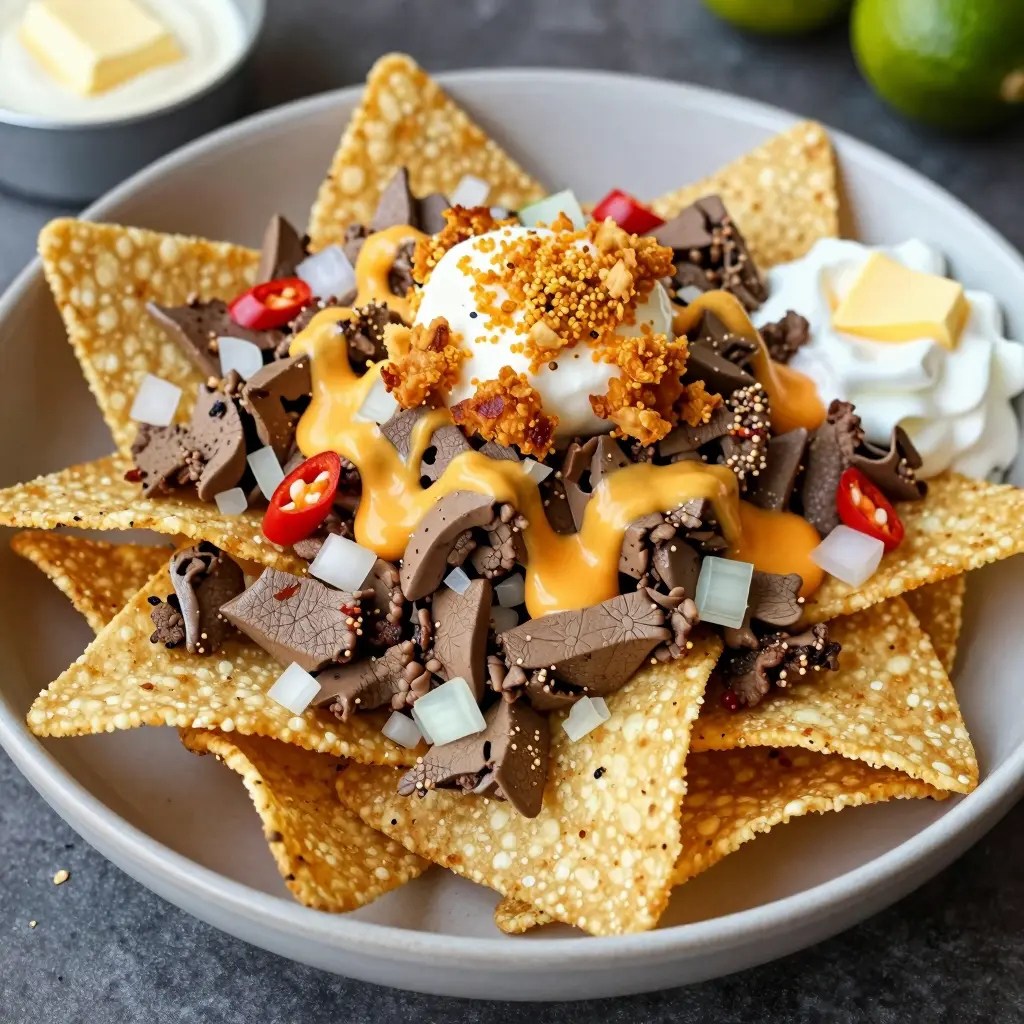
2. Sisig Nachos
Concept Overview: Sisig nachos marry one of the Philippines’ most celebrated pulutan dishes with the universally beloved snack format of loaded nachos. Crispy tortilla chips or cassava chips form the base, topped with classic sizzling sisig — chopped pork face, liver, onions, chili, and calamansi — plus a generous pour of melted cheese sauce. Toppings like pickled jalapeños, sour cream, crispy garlic, and a fried egg bring the full sisig experience into nacho form. This is a high-energy crowd-pleaser ideal for bars, events, and food parks, and represents the kind of Filipino-international fusion that defines modern snack innovation.
Key Ingredients: Tortilla chips or cassava chips, chopped pork (sisig mix including face, ears, or belly), pig liver, white onion, red chili, calamansi, cheddar cheese sauce, mayonnaise, butter, garlic, sour cream, and optional fried quail egg topper.
Target Market: Bar and restaurant customers, sports event attendees, millennials and young adults who enjoy fusion food, beer drinkers, and food park regulars seeking shareable snack platters.
3. Adobo-Flavored Potato Chips
Concept Overview: Adobo is arguably the Philippines’ most internationally recognized flavor profile — savory, tangy, garlicky, with a hint of bay leaf and peppercorn. Translating this into a seasoned potato chip creates a uniquely Filipino snacking experience that competes directly with globally established chip flavors. The chips are either kettle-cooked for maximum crunch or thinly sliced for a lighter texture, then dusted with an adobo spice blend after frying. This product has strong potential for retail shelves, pasalubong shops, and online food businesses, and appeals to both Filipino consumers craving local flavors and international consumers curious about Filipino cuisine.
Key Ingredients: Potatoes (or sweet potatoes for a healthier variant), soy sauce powder, vinegar powder, garlic powder, black pepper, bay leaf powder, salt, and cooking oil. Optional additions include a touch of coconut sugar for balance and chili for a spicy variant.
Target Market: Retail snack buyers, pasalubong shoppers, health-conscious consumers (when baked), Filipino diaspora abroad, international food adventurers, and convenience store shoppers looking for uniquely flavored chips.
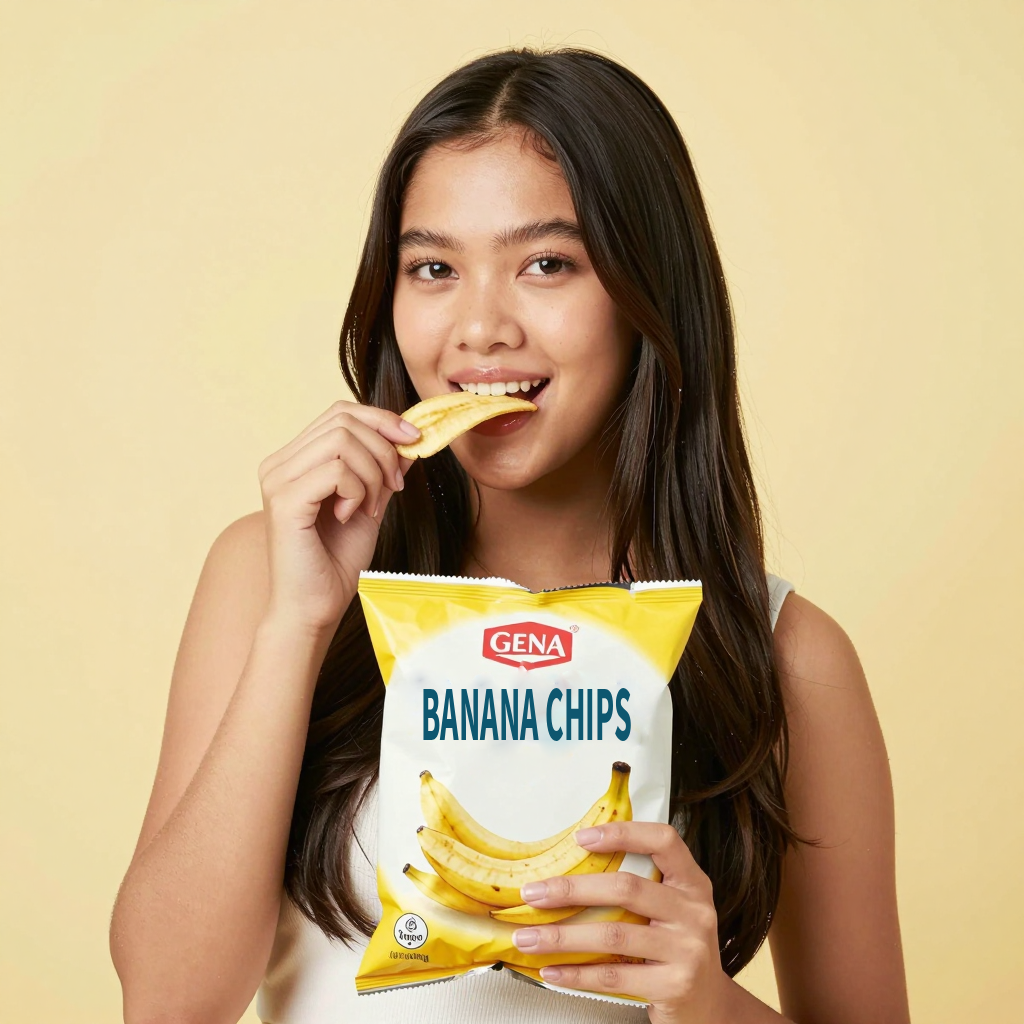
4. Salted Egg Banana Chips
Concept Overview: Banana chips are a Philippine export staple and a beloved merienda classic. Salted egg, meanwhile, has emerged as one of the most powerful flavor trends in Philippine food in recent years. Combining the two creates a premium snack product that delivers an addictive balance of salty, creamy, and crunchy in every bite. The banana chips are fried to golden perfection, then tossed in a rich salted egg butter sauce, creating a coating that clings to every chip. This snack has premium pasalubong appeal and strong retail potential, particularly in the gift box and specialty food segment.
Key Ingredients: Dried or fresh banana slices, salted duck egg yolks, butter, garlic, chili flakes, evaporated milk or cream, sugar, and salt. A curry leaf garnish adds an aromatic finishing touch.
Target Market: Pasalubong buyers, premium snack shoppers, corporate gift recipients, Filipino families, tourists, and online food shoppers seeking gourmet Filipino-inspired snacks.
5. Longganisa Pizza Rolls
Concept Overview: Longganisa — the sweet, garlicky Filipino sausage that defines breakfast tables across the country — finds a new home rolled into flaky, golden pizza-style bread rolls. Each roll is stuffed with crumbled longganisa, mozzarella or quick melt cheese, and a smear of tomato or garlic butter sauce. The exterior is brushed with egg wash for a glossy finish and sprinkled with sesame seeds or dried herbs. These rolls are a perfect fusion of Filipino breakfast flavors with the universally popular pizza roll format, making them ideal for morning markets, school canteens, and grab-and-go snack counters.
Key Ingredients: All-purpose flour, yeast, longganisa (sweet or garlicky variant), mozzarella or quick melt cheese, tomato sauce or garlic butter, egg wash, sesame seeds, butter, sugar, and salt.
Target Market: Families seeking convenient breakfast snacks, school children, office workers, morning market shoppers, canteen operators, and bakery customers looking for savory Filipino-inspired pastries.
6. Bibingka Waffles
Concept Overview: Bibingka — the traditional rice cake cooked in clay pots during the Christmas season — is reinvented in waffle form for year-round enjoyment. Bibingka batter, made with galapong (rice flour), coconut milk, eggs, and sugar, is poured into a waffle iron and cooked until crispy on the outside and tender on the inside. The waffle is served with traditional toppings — salted egg, grated coconut, and a smear of butter — or dressed up with ube halaya, kesong puti, and a drizzle of coconut caramel for a premium café presentation. Bibingka waffles capture the spirit of the season in a modern, convenient format.
Key Ingredients: Rice flour (galapong), all-purpose flour, coconut milk, eggs, sugar, butter, baking powder, salted duck egg, grated mature coconut, and optional ube halaya or kesong puti for topping.
Target Market: Café customers, Christmas market visitors, dessert lovers, tourists seeking Filipino culinary experiences, social media food enthusiasts, and anyone who grew up eating bibingka and wants a convenient modern version.
7. Leche Flan Donuts
Concept Overview: Leche flan — the silky, caramel-topped custard that anchors Filipino celebrations — is transformed into an indulgent donut filling in this innovative creation. Brioche or yeast-raised donuts are fried to pillowy perfection, injected with a thick, creamy leche flan custard filling, and coated with a caramel glaze that mirrors the golden top of a traditional flan. Finished with a sprinkle of toasted sugar or a drizzle of dark caramel, these donuts are both visually stunning and deeply satisfying. They represent the kind of Filipino dessert innovation that thrives in specialty dessert shops and high-traffic food stalls.
Key Ingredients: All-purpose flour, yeast, eggs, butter, milk, sugar, salt, and for the filling: egg yolks, condensed milk, evaporated milk, vanilla extract, and caramelized sugar. Caramel glaze for coating.
Target Market: Dessert lovers, café patrons, donut enthusiasts, social media food content creators, food park visitors, and premium pasalubong buyers seeking an elevated Filipino dessert experience.
8. Halo-Halo Ice Cream Sandwich
Concept Overview: Halo-halo, the Philippines’ most celebrated dessert, is a kaleidoscopic mix of shaved ice, sweetened beans, jellies, leche flan, ube ice cream, and evaporated milk. This innovation distills those iconic elements into an ice cream sandwich format: a dense, creamy ube ice cream base is studded with bits of nata de coco, kaong, and sweetened red beans, then sandwiched between two crisp wafer rounds or ube-flavored cookies. The result is a portable, mess-free version of halo-halo that delivers the full flavor experience in a hand-held format — perfect for the modern consumer who wants Filipino dessert on the go.
Key Ingredients: Ube ice cream base (ube extract, heavy cream, condensed milk), nata de coco, kaong (palm fruit), sweetened red beans, leche flan bits, wafer sheets or ube cookies, and optional pinipig (roasted puffed rice) coating.
Target Market: Festival and market goers, children and families, dessert lovers, tourists, summer event attendees, and social media food enthusiasts looking for a fun and portable version of the classic halo-halo experience.
9. Turon Cheesecake Cups
Concept Overview: Turon — the beloved crispy banana spring roll dusted in caramelized sugar — is deconstructed and reimagined as an elegant layered dessert cup. The turon is chopped into pieces and layered with a rich cream cheese filling, sweetened saba banana slices, a drizzle of caramel sauce, and crushed spring roll wrappers for texture. Served in a clear plastic or glass cup, this dessert offers the full sensory experience of turon — crunch, sweetness, banana, caramel — in a format that is shareable, visually appealing, and suited to both markets and high-end dessert bars.
Key Ingredients: Saba bananas, lumpia wrappers, brown sugar, cream cheese, all-purpose cream, condensed milk, caramel sauce, vanilla extract, and cooking oil for frying.
Target Market: Dessert bar customers, food market shoppers, dessert cup enthusiasts, social media food lovers, event caterers, and consumers seeking a modern Filipino-inspired dessert experience in a convenient serving format.
10. Buko Pie Cookies
Concept Overview: Buko pie — the flaky, coconut-filled pastry synonymous with the province of Laguna — is reimagined as a bite-sized, packaged cookie product. A buttery, slightly flaky shortbread cookie base is filled with a thick buko (young coconut) cream mixture, then sandwiched or topped with a second layer of pastry-inspired cookie dough. The result is a portable, shelf-stable snack that captures the essence of buko pie in a format ideal for retail, gifting, and online selling. Buko pie cookies bridge the gap between traditional Filipino pasalubong and modern artisan cookie culture.
Key Ingredients: All-purpose flour, butter, sugar, egg yolks, salt, fresh young coconut strips or shredded coconut, condensed milk, cornstarch, coconut milk, and vanilla extract.
Target Market: Pasalubong shoppers, tourists traveling through Laguna and nearby provinces, online cookie buyers, gifting customers, balikbayans sending Filipino treats abroad, and dessert enthusiasts who grew up eating buko pie.
11. Calamansi-Flavored Popcorn
Concept Overview: Calamansi, the small but intensely flavorful Philippine citrus fruit, brings its signature bright, tangy-sweet profile to one of the world’s most universal snack formats: popcorn. Freshly popped corn is coated in a calamansi butter glaze — calamansi juice, zest, butter, sugar, and a pinch of salt — and either served warm from a popcorn stall or packaged for retail. A chili-calamansi variant adds heat, while a calamansi-coconut version leans tropical. This snack has excellent potential as a gourmet cinema snack, festival offering, or uniquely Filipino retail product with strong gift appeal.
Key Ingredients: Popcorn kernels, butter, calamansi juice and zest, sugar or condensed milk, salt, and optional additions such as chili flakes, coconut flakes, or cayenne pepper for a spiced variant.
Target Market: Cinemagoers seeking unique flavors, food park visitors, gourmet snack shoppers, health-conscious consumers (as an air-popped variant), event hosts, and retail buyers looking for distinctively Filipino snack products.
12. Chicharon Rice Crackers
Concept Overview: Chicharon — the deep-fried pork rinds that are a fixture of Filipino sari-sari stores and pulutan spreads — is reimagined as a lighter, more approachable rice cracker product. Using rice as the base instead of pork skin, these crackers are flavored with rendered pork fat, garlic, black pepper, and vinegar powder to deliver that unmistakable chicharon taste in a crunchier, less greasy format. The crackers can be baked or fried and come in varying spice levels. They appeal to consumers who love the chicharon flavor profile but want a lighter snack option, and are ideal for retail and pasalubong packaging.
Key Ingredients: Rice flour, tapioca starch, pork lard or rendered fat, garlic powder, vinegar powder, black pepper, salt, water, and optional spice seasoning blends for chili or smoky variants.
Target Market: Health-conscious chicharon lovers, beer and pulutan enthusiasts, retail snack buyers, office snackers, consumers watching fat intake who still crave savory crunch, and pasalubong shoppers seeking lightweight, packable options.
13. Ube Mochi Bites
Concept Overview: Mochi, the chewy Japanese rice cake, meets the Philippines’ most beloved purple ingredient in this irresistible fusion snack. Ube halaya or ube extract is incorporated directly into the mochi dough, giving it a striking purple hue and a rich, subtly sweet flavor. Each bite is filled with a complementary center — cream cheese, ube jam, white chocolate, or coconut cream — and dusted with cornstarch or toasted coconut for finishing. Ube mochi bites offer a delightful chew, a visually arresting color, and a flavor that is uniquely Filipino, making them a standout product at dessert stalls, cafés, and online food shops.
Key Ingredients: Glutinous rice flour, ube extract or ube halaya, sugar, coconut milk, water, cornstarch for dusting, and filling of choice (cream cheese, ube jam, coconut cream, or white chocolate).
Target Market: Mochi enthusiasts, ube lovers, café customers, social media food content creators, dessert pop-up shoppers, Japanese-Filipino fusion food fans, and consumers drawn to visually distinctive dessert snacks.
14. Pancit Spring Rolls
Concept Overview: Pancit — the Filipino noodle dish that comes in dozens of regional variations — is packed into a crispy spring roll wrapper for a compact, handheld snack version of a beloved Filipino staple. Pancit bihon or pancit canton, seasoned with soy sauce, calamansi, vegetables, and your choice of protein, is wrapped tightly in a lumpia wrapper and fried until golden. Dipped in a spiced vinegar or sweet chili sauce, pancit spring rolls are a brilliant party snack, merienda item, and food market bestseller that turns a family meal into a portable street food experience.
Key Ingredients: Bihon or canton noodles, lumpia wrappers, chicken, pork, or shrimp, carrots, cabbage, green beans, soy sauce, calamansi, garlic, onion, pepper, and cooking oil for frying.
Target Market: Street food lovers, party and event caterers, school canteen customers, university students, office merienda buyers, food market regulars, and Filipino food enthusiasts seeking a creative take on a classic noodle dish.
15. Sinigang-Flavored Corn Chips
Concept Overview: Sinigang — the sour tamarind-based soup that is arguably the Philippines’ most deeply loved comfort dish — translates into a bold, tangy corn chip seasoning that is unlike anything in the global snack aisle. The corn chips are dusted with a sinigang spice blend built on tamarind powder, tomato powder, salt, and a hint of onion and chili. The result is a snack that delivers the familiar sour-savory punch of sinigang in a crunchy, snackable format. With sinigang already recognized globally as a Filipino flavor ambassador, sinigang corn chips carry strong international market potential alongside their obvious domestic appeal.
Key Ingredients: Corn masa or cornmeal, tamarind powder, tomato powder, salt, onion powder, garlic powder, citric acid, chili powder (optional), and cooking oil or air-fry preparation.
Target Market: Sinigang lovers of all ages, adventurous snack buyers, international Filipino food enthusiasts, retail snack shoppers, airport pasalubong stores, and food entrepreneurs exploring bold Filipino flavor profiles for packaged snack products.
16. Tablea Energy Bites
Concept Overview: Tablea — the traditional Philippine cacao tablet used to brew sikwate, the native hot chocolate — is ground and blended into nutrient-dense, no-bake energy bites. These small, round treats combine tablea with oats, dates, nut butter, and local seeds like salabat (ginger) powder or malunggay, creating a functional snack that is simultaneously healthy, indulgent, and deeply Filipino. Tablea energy bites appeal to health-conscious consumers who want a clean-eating snack with local character, and they represent the convergence of Filipino heritage ingredients and the global wellness food trend.
Key Ingredients: Tablea (ground Philippine cacao), rolled oats, dates or honey, peanut or almond butter, chia seeds, malunggay powder (optional), coconut oil, salt, and optional coatings such as desiccated coconut or toasted sesame seeds.
Target Market: Health-conscious consumers, gym-goers and athletes, wellness-oriented millennials, parents seeking healthy school snacks for children, specialty health food store buyers, and café patrons who want a clean, indulgent snack option.
17. Cassava Fries with Filipino Dips
Concept Overview: Cassava (kamoteng kahoy) is a humble Filipino staple, but in this innovation, it is treated to a gourmet makeover. Cassava is cut into thick batons, parboiled until tender, then double-fried or air-fried to achieve a crispy exterior and a soft, doughy center. The fries are seasoned with garlic, paprika, and sea salt, and served with an array of distinctively Filipino dipping sauces — calamansi aioli, spiced vinegar, bagoong mayo, or ube cream dip. This snack bridges the gap between street food and restaurant dining, offering a uniquely Filipino alternative to conventional potato fries.
Key Ingredients: Fresh cassava (kamoteng kahoy), garlic, paprika, sea salt, cooking oil, and for dips: calamansi, mayonnaise, bagoong (fermented shrimp paste), ube halaya, sour cream, and chili.
Target Market: Food park and restaurant diners, health-conscious consumers seeking potato alternatives, gluten-free snack seekers, fans of Filipino flavors, tourism sector customers, and family diners looking for a shareable Filipino appetizer experience.
18. Bilo-Bilo Dessert Cups
Concept Overview: Bilo-bilo — the glutinous rice balls simmered in coconut milk with jackfruit, sweet potato, taro, and sago — is reimagined as a curated, single-serving dessert cup that can be sold at markets, cafés, and online. Each cup contains freshly made or pre-cooked glutinous rice balls, colorful toppings, and a rich coconut milk base, elegantly assembled for visual appeal. Flavored variants — ube bilo-bilo, pandan bilo-bilo, or strawberry bilo-bilo — add a modern twist while preserving the traditional heart of this beloved Filipino kakanin. Served chilled or warm, bilo-bilo dessert cups are a versatile product for multiple selling occasions.
Key Ingredients: Glutinous rice flour, coconut milk, sugar, jackfruit (langka), sweet potato (kamote), taro (gabi), sago pearls, pandan leaves, and optional flavoring such as ube extract or pandan extract.
Target Market: Dessert lovers, kakanin enthusiasts, food market shoppers, café customers, consumers seeking authentic Filipino desserts, and event caterers looking for individually portioned Filipino sweets that are easy to serve.
19. Taho Milk Pudding
Concept Overview: Taho — the warm tofu pudding sold by magtataho (street vendors) with arnibal syrup and sago pearls — is elevated into a chilled milk pudding product designed for café menus and retail refrigerated shelves. The silky tofu base is blended into a smooth pudding enriched with fresh milk and condensed milk, then layered in a glass jar or cup with brown sugar arnibal and tapioca pearls. Premium variants include ube taho pudding, matcha taho, or strawberry taho for a modern flavor lineup. This innovation transforms a beloved street food into a café-quality, shelf-ready dessert product with clear visual appeal.
Key Ingredients: Silken tofu, fresh milk, condensed milk, vanilla extract, agar-agar or gelatin, brown sugar (for arnibal), water, and tapioca pearls or sago. Optional flavorings: ube extract, matcha powder, or strawberry syrup.
Target Market: Café patrons, taho lovers seeking a premium version of the street classic, health-conscious consumers drawn to soy-based products, refrigerated dessert buyers, boutique grocery shoppers, and food entrepreneurs looking for a distinctive chilled dessert product to launch.
20. Filipino-Inspired Protein Bars
Concept Overview: The global protein bar market is enormous, and this innovation stakes a distinctively Filipino claim within it. Filipino-inspired protein bars use local high-protein ingredients — malunggay (moringa), mongo (mung beans), tablea, peanuts, and coconut — in combinations that deliver nutritional value alongside familiar Filipino flavors. Bar varieties might include Ube-Coconut Protein Bar, Tablea-Peanut Energy Bar, or Calamansi-Ginger Recovery Bar. These products target the fitness and wellness market while celebrating Filipino ingredients, creating a product category that is both functional and culturally proud.
Key Ingredients: Pea protein or whey protein, malunggay powder, tablea or cacao powder, ube powder, rolled oats, peanut butter, honey or coconut sugar, desiccated coconut, chia seeds, and coconut oil for binding.
Target Market: Gym-goers and fitness enthusiasts, wellness-focused consumers, athletes, health food store buyers, corporate wellness programs, online health food shoppers, and consumers seeking locally produced, Filipino-inspired functional snacks.
21. Ube Churros
Concept Overview: Churros — the beloved Spanish fried pastry that has become a global street food phenomenon — gets a Filipino makeover with the addition of ube. The choux pastry dough is infused with ube extract and ube powder, giving the churros a vivid purple color and a subtly sweet, earthy ube flavor. Served hot and crispy, dusted in ube sugar, and accompanied by a chocolate dipping sauce, coconut cream, or ube condensed milk dip, ube churros are a visually spectacular snack that photographs beautifully and tastes even better. This is precisely the type of fusion Filipino snack that thrives at food fairs, night markets, and high-footfall food parks.
Key Ingredients: All-purpose flour, butter, eggs, water, salt, sugar, ube extract, ube powder, cooking oil for deep frying, and for serving: ube sugar coating, tablea chocolate dip, or coconut cream dipping sauce.
Target Market: Food fair and night market visitors, ube enthusiasts, dessert lovers, social media food content creators, families with children, Spanish-Filipino food fusion fans, and café customers drawn to theatrical, freshly prepared dessert snacks.
22. Cheese Ensaymada Bites
Concept Overview: Ensaymada — the soft, buttery Filipino brioche topped with buttercream and grated cheese — is one of the most iconic items in Philippine bakery culture. In bite-sized form, it becomes a perfectly portioned snack and gifting product that is easier to eat, share, and package. Each mini ensaymada is made with the same enriched dough, brushed with creamy butter, and generously topped with sweetened cream and sharp cheddar cheese. Premium variants might include ube ensaymada bites, ham and cheese ensaymada bites, or leche flan-filled ensaymada bites, broadening the flavor lineup and gifting appeal.
Key Ingredients: All-purpose flour, yeast, eggs, butter, milk, sugar, salt, all-purpose cream or buttercream, and grated cheddar cheese. Optional fillings: ube halaya, leche flan, or salted egg.
Target Market: Gift buyers, pasalubong shoppers, corporate gift recipients, bakery customers, café patrons, balikbayans, and families who love ensaymada and want a convenient, bite-sized version for merienda, celebrations, and everyday snacking.
23. Pandan Coconut Cookies
Concept Overview: Pandan — the fragrant, green leaf whose extract lends a uniquely Southeast Asian aroma and flavor to Philippine kakanin and desserts — is the hero ingredient in these elegant artisan cookies. Butter-based shortbread or chewy cookies are infused with fresh pandan extract and coconut milk, then finished with toasted coconut flakes, white chocolate drizzle, or a pandan glaze. The result is a cookie that smells as extraordinary as it tastes — bright, grassy, sweet, and deeply tropical. Pandan coconut cookies are a natural fit for the artisan cookie market, boutique bakeries, and premium pasalubong packaging.
Key Ingredients: All-purpose flour, butter, sugar, egg yolks, pandan extract (fresh or bottled), coconut milk, desiccated or toasted coconut flakes, vanilla extract, salt, and optional white chocolate for drizzle or dipping.
Target Market: Artisan cookie enthusiasts, boutique bakery customers, pasalubong buyers, online dessert shoppers, tourists seeking Philippine-flavored gifts, consumers attracted to tropical flavors, and cafés building a Filipino-inspired pastry menu.
24. Filipino-Inspired Rice Crispy Treats
Concept Overview: Rice crispy treats — the classic American confection made from puffed rice and marshmallow — are given a distinctly Filipino identity by swapping in Philippine ingredients and flavor profiles. Pinipig (toasted, pounded young rice) replaces puffed rice for a nuttier, more complex base. The marshmallow is infused with ube, pandan, or tablea flavors. Toppings include dried mango bits, buko pandan jelly, toasted coconut, or a calamansi-white chocolate drizzle. The result is a recognizable comfort snack with a Filipino soul — familiar in format, unique in flavor.
Key Ingredients: Pinipig (toasted young rice) or puffed rice, mini marshmallows, butter, ube extract or pandan extract, tablea powder, dried mango bits, toasted coconut flakes, condensed milk, and optional white chocolate for drizzle.
Target Market: Families with children, school snack buyers, dessert market shoppers, bakeshop customers, gift box curators, Filipino-American community events, and consumers seeking a Filipino-flavored twist on a universally beloved nostalgic confection.
25. Premium Gourmet Turon
Concept Overview: Turon has long been a beloved and affordable street food — but this innovation reimagines it as a premium, artisan product worthy of a gourmet food shop or luxury pasalubong box. Premium gourmet turon uses high-quality saba bananas, upgraded with premium fillings such as dark chocolate and ube halaya, jackfruit and cream cheese, or salted caramel and nuts. The lumpia wrapper is sealed to perfection and fried to a crackling, evenly caramelized exterior. Presented in elegant packaging and available in curated flavor sets, premium turon elevates a 20-peso street food into a 150-peso artisan experience — and the market will pay for it.
Key Ingredients: Ripe saba bananas, lumpia wrappers, brown sugar, cooking oil, and premium fillings such as dark chocolate, ube halaya, cream cheese, salted caramel, jackfruit, or Nutella. Optional coconut sugar coating for a more complex caramel layer.
Target Market: Premium gift buyers, food gift subscription subscribers, upscale food market shoppers, tourists seeking artisanal Philippine products, online gourmet food store customers, and consumers willing to pay a premium for a beloved Filipino classic done exceptionally well.
Common Filipino Ingredients Used in Innovative Snacks
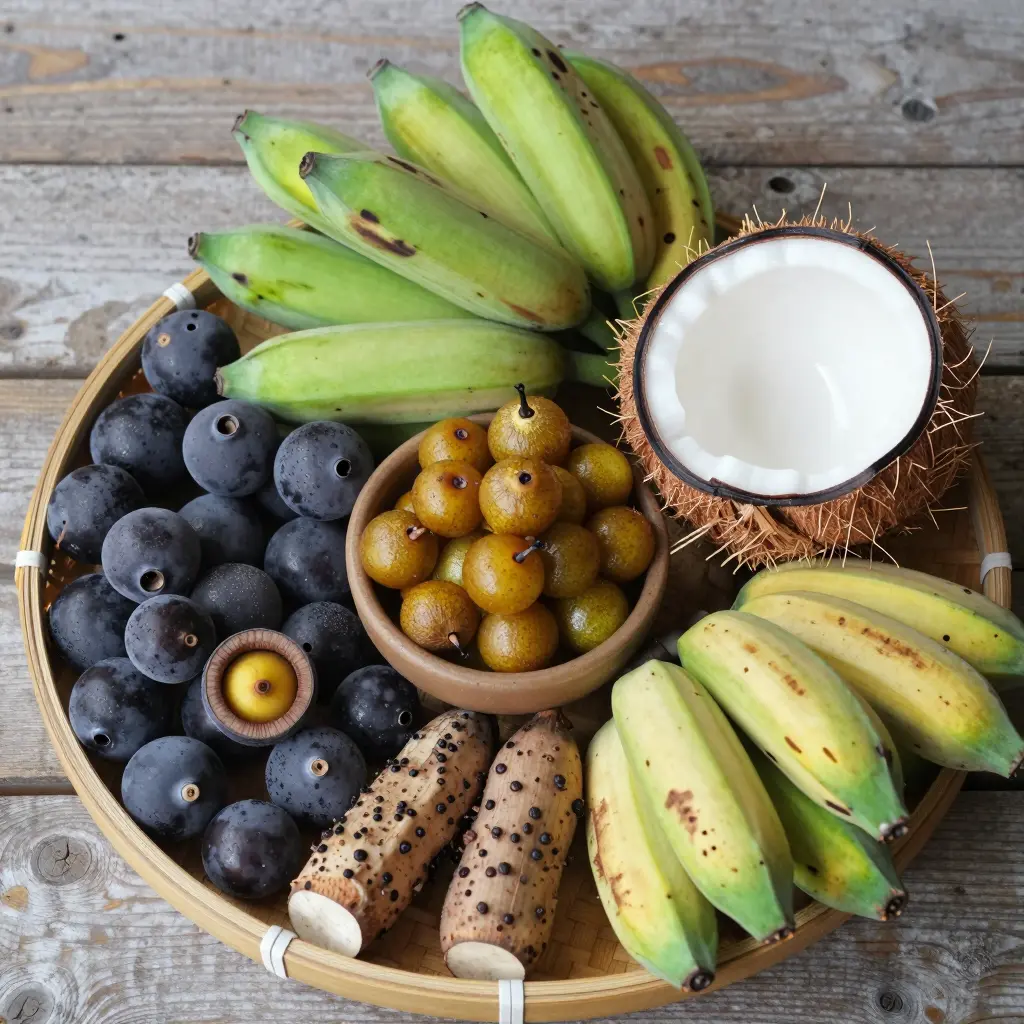
Ube
Ube (purple yam) is arguably the Philippines’ most globally recognized food export of the last decade. Its vivid purple color is visually arresting, and its flavor — sweet, earthy, subtly nutty, with a hint of vanilla — is complex enough to anchor entire product lines. Ube works in virtually every snack format: ice cream, cookies, chips, drinks, pastries, and candies. Its natural pigment eliminates the need for artificial coloring, making it a clean-label ingredient as well.
Calamansi
Calamansi is the Philippine citrus — small, intensely fragrant, and delivering a unique flavor that sits between lime and mandarin orange. It is more complex than lemon and more aromatic than lime, making it a powerful flavoring agent in sweet and savory snack applications alike. Calamansi is appearing in popcorn, chips, dipping sauces, glazes, candy, and drinks, and its distinctive profile makes it a natural differentiator in international markets.
Coconut
Coconut in its many forms — coconut milk, coconut oil, desiccated coconut, coconut sugar, coconut cream, buko (young coconut) — is central to Filipino cooking and a globally trending ingredient. Its versatility makes it a foundational element across nearly every category of innovative Filipino snack, from dairy-free ice creams to energy bites, cookies, crackers, and drink mixers.
Pandan
Pandan (screwpine leaf) is the vanilla of Southeast Asia — a fragrant, green flavoring that adds a distinctive grassy sweetness to rice cakes, custards, cookies, and ice cream. In snack innovation, pandan extract or powder is used to flavor cookies, mochi, jellies, cakes, and beverages. Its vivid green color and unmistakable aroma make it as visually and aromatically appealing as it is delicious.
Cassava
Cassava (kamoteng kahoy) is a starchy root crop that has been a staple of Filipino rural cooking for generations. In snack innovation, cassava flour is used as a gluten-free flour substitute, cassava is prepared as fries and chips, and traditional cassava cake is reimagined in dozens of modern formats. Its mild flavor and excellent texture make it a versatile base ingredient for both savory and sweet snack applications.
Banana
The Philippines grows numerous banana varieties, but the saba banana — the stout, starchy cooking banana — is the foundation of many beloved snacks including turon, banana cue, and banana chips. In snack innovation, saba is used in energy bites, cookies, premium pastries, and dessert cups. The native lakatan and latundan varieties also offer sweet, aromatic profiles suited to dessert applications.
Sweet Potato (Kamote)
Kamote (sweet potato) has undergone a remarkable transformation from peasant food to wellness superfood in the Philippine context. Purple, orange, and yellow varieties each offer distinct flavor profiles, and kamote is used in chips, fries, flatbreads, energy bites, and kakanin-inspired desserts. Its natural sweetness reduces the need for added sugar, making it a popular ingredient in health-focused snack innovations.
Tablea Chocolate
Philippine tablea is pure, unprocessed cacao roasted and ground into rough tablets — a world apart from heavily processed commercial chocolate. Tablea has an intense, slightly bitter, deeply complex chocolate flavor that pairs beautifully with coconut, ube, peanut, and other Filipino flavors. It is used in energy bites, cookies, drinking chocolate-inspired snacks, and protein bars, and carries growing international recognition as a premium craft cacao product.
Cheese
Cheese — particularly the distinctly salty, slightly sour Philippine processed cheese (like Eden or Magnolia) — is a beloved flavoring and topping in Filipino desserts and snacks. Filipino food culture’s sweet-salty sensibility (cheesy ensaymada, cheese ice cream, cheese on halo-halo) makes cheese a natural and beloved ingredient in snack innovation. Premium variants using kesong puti (fresh white cheese) and imported cheeses add further dimension.
Salted Egg
Salted duck egg has become one of the defining flavors of modern Filipino food innovation. The intense, savory, buttery richness of the salted egg yolk makes it an irresistible coating for chips, crackers, and fried snacks. Its versatility across formats — from salted egg chips to salted egg cookie butter — and its proven consumer enthusiasm make it a reliable driver of product success.
How to Create a Successful Innovative Filipino Snack
Start With a Familiar Filipino Favorite
The strongest Filipino snack innovations begin with a product consumers already know and love. Familiarity reduces resistance and gives your innovation an immediate emotional hook. Choose a snack that has strong nostalgic resonance — turon, kwek-kwek, bibingka, ensaymada — and use it as your launching pad. Do not start from scratch if you can build on something beloved.
Add One Modern Twist
The biggest mistake new food entrepreneurs make is over-innovating. Adding too many new elements to a familiar snack dilutes the original’s identity and confuses consumers. Focus on one compelling, well-executed modern twist — a new filling, a flavored coating, an unexpected format, or a premium ingredient upgrade. One great idea, executed brilliantly, is far more powerful than three mediocre ones combined.
Focus on Texture and Flavor Balance
Great snacks deliver both textural satisfaction and flavor balance. Aim for contrasting textures — crispy against creamy, crunchy against soft — and balance your flavor profile: sweet against salty, rich against acidic, savory against umami. Filipino consumers are sophisticated snack eaters who respond to complexity and nuance. A well-balanced snack creates the kind of addictive quality that drives repeat purchases.
Use High-Quality Local Ingredients
Source the best available versions of your key Filipino ingredients. Use premium ube from Benguet, fresh tablea from Davao, ripe saba from local farms, and fresh calamansi from trusted suppliers. Quality ingredients are the difference between a good snack and an unforgettable one. Supporting local producers also provides a compelling brand story that resonates with consumers who care about provenance and community.
Create Instagram-Worthy Presentation
In today’s food market, visual appeal is not optional — it is a marketing asset. Design your snack with social media in mind. Consider the color (vibrant purples, greens, and golds photograph beautifully), the cross-section (what does it look like when cut or bitten into?), the serving format (is it presented in a way that invites photography?), and the packaging (does it look premium and distinctive in a flat lay or Instagram post?). A snack that photographs well markets itself.
Test Customer Feedback Before Scaling
Before investing in packaging, equipment, or large ingredient orders, test your snack extensively with real consumers. Offer samples at local markets, gather feedback from friends, family, and trusted food enthusiasts, and track which elements — flavor, texture, price point, portion size — resonate and which need adjustment. Iteration based on real feedback is how great products are developed. Scale only when you have proof of consistent positive response.
Develop Attractive Packaging
Packaging is the first physical interaction a consumer has with your product, and it communicates quality, identity, and values before a single bite is taken. Invest in packaging that reflects your brand — clean design, honest ingredient labeling, appropriate portion sizing, and materials that protect product quality. For gift-oriented products like pasalubong, beautiful packaging can justify premium pricing and drive purchase decisions independently of the product itself.
Filipino Snack Innovation Trends
Healthier Snack Alternatives
Consumers are increasingly seeking snacks that offer nutritional value alongside great taste. The trend toward healthier Filipino snacks includes baked rather than fried versions of classics, reduced sugar formulations, high-fiber ingredients like kamote and cassava, protein-enriched snacks using malunggay and tablea, and clean-label products with minimal artificial additives. Health-positioned Filipino snacks represent a fast-growing segment with underserved demand.
Premium Street Food Snacks
The premiumization of Filipino street food is a defining trend of the current food landscape. Consumers are willing to pay significantly more for a beautifully executed, high-quality version of a beloved street food classic. Gourmet turon at 150 pesos, artisan kwek-kwek with truffle mayo, and premium chicharon in craft packaging are all examples of this trend. Premium street food snacks blend accessibility with aspiration.
Fusion Filipino Snacks
The fusion of Filipino flavors with global food formats — churros, nachos, mochi, protein bars, donuts, popcorn, rice crispy treats — represents one of the most commercially vibrant areas of snack innovation. Filipino fusion snacks benefit from dual market appeal: they attract Filipino consumers who want familiar flavors in exciting new formats, and international consumers curious about Filipino cuisine in a familiar food vehicle.
Plant-Based Snack Innovations
The global rise of plant-based eating is intersecting with Filipino food culture to create new opportunities. Plant-based versions of traditionally meat-heavy Filipino snacks — sisig made from mushrooms or jackfruit, chicharon made from cassava skin or banana peel, longganisa using plant proteins — are gaining traction with vegan, vegetarian, and flexitarian consumers. Filipino plant-based snacks also align with growing sustainability consciousness.
Ready-to-Eat Convenience Snacks
Modern Filipino consumers — particularly urban professionals, students, and commuters — want snacks that are ready to eat, easy to carry, and satisfying without requiring preparation. Ready-to-eat Filipino snack innovations include individually portioned dessert cups, grab-and-go kakanin, resealable chip bags in flavored variants, and single-serve pastry portions. Convenience packaging and formats are becoming as important as flavor innovation.
Premium Pasalubong Snacks
The Filipino pasalubong tradition — bringing food gifts home from travels — is evolving from a commodity-driven purchase to a curated gifting experience. Premium pasalubong snacks feature elevated ingredients, artisan preparation, beautiful packaging, and compelling brand stories. Consumers are increasingly seeking pasalubong that reflects regional pride and culinary excellence rather than simply recognizable names. This creates significant opportunity for small-batch, artisan Filipino snack producers.
Things to Know Before Launching an Innovative Filipino Snack Business
Understanding Consumer Preferences
Before launching any snack product, invest time in genuinely understanding your target consumer. What flavors do they love? What snack formats do they buy regularly? What price points are they comfortable with? Where do they shop — wet markets, supermarkets, food parks, or online? What values matter to them — health, sustainability, local sourcing, convenience? Consumer insight is the foundation of every successful product decision.
Ingredient Availability
Assess the reliable availability of your Key Ingredients: before committing to a product concept. Seasonal ingredients, regionally specific produce, and imported specialty items can all create supply chain challenges that disrupt production and erode customer trust. Where possible, build relationships with multiple suppliers, explore ingredient substitutions for peak-season gaps, and design your product around ingredients that are consistently available and fairly priced throughout the year.
Shelf Life and Food Safety
Understanding the shelf life of your snack product is non-negotiable before going to market. Test your product under various storage conditions — ambient temperature, refrigeration, and packaging — and determine how long it remains safe and palatable. Register with the FDA Philippines if required for your product category. Follow HACCP (Hazard Analysis Critical Control Points) principles in your production process, and clearly label expiration dates and storage instructions on all packaging.
Packaging and Branding
Your packaging is your silent salesperson. Invest in packaging that is food-safe, appropriately sealed for your product’s shelf life requirements, visually compelling, and compliant with Philippine FDA labeling regulations (product name, net weight, ingredients list, allergen information, manufacturer details, expiration date, and registration numbers where required). A strong brand identity — a distinctive name, a memorable logo, a consistent visual language — significantly impacts consumer trust and repeat purchase behavior.
Pricing and Profit Margins
Pricing is one of the most common stumbling blocks for new snack entrepreneurs. Calculate your total cost of goods (ingredients, packaging, labor, overhead) per unit, then apply a markup that reflects your desired margin while remaining competitive within your target price tier. Research competitor pricing at the channels where you plan to sell. Consider different pricing strategies for different sales channels — your direct-to-consumer price, your consignment price, and your wholesale price will each require different margin calculations.
Product Testing
Product testing is not a one-time event — it is an ongoing discipline. Test your recipe repeatedly for consistency. Test your packaging for protection and presentation. Test your product with real consumers and collect structured feedback. Conduct sensory evaluations for flavor, texture, aroma, and appearance. Run shelf-life testing under realistic storage conditions. Only release a product to market when it consistently meets your quality standards across multiple production runs.
Action Section
Ready to Launch Your Own Filipino Snack Innovation?
The Filipino snack innovation landscape is full of opportunity — but success goes to entrepreneurs who move from inspiration to action with intentionality and discipline. Here is a step-by-step action plan to help you bring your snack innovation to market.
Identify Your Target Market
Begin by defining exactly who you are making your snack for. Are you targeting health-conscious urban professionals? Dessert-loving social media enthusiasts? Tourists seeking authentic Filipino food gifts? School children? Corporate gift buyers? The more precisely you define your target consumer, the more effectively you can design your product, set your price, choose your selling channels, and build your brand. A snack designed for everyone is often a snack that resonates with no one.
Develop Three Signature Products
Rather than launching with a single product, develop three signature snacks that share a coherent brand identity and complementary flavor profiles. Three products give consumers a reason to explore, allow you to test which concepts generate the strongest response, and create a more compelling brand presence at markets and online. Keep your lineup tight and curated — quality over quantity at this stage is essential.
Test at Local Markets and Online
Launch first at a local weekend market, food fair, or bazaar where you can interact directly with customers, observe purchase behavior, gather immediate feedback, and build community around your brand. Simultaneously establish an online presence — a social media page at minimum, a simple online shop as your budget allows. Early local market testing provides invaluable real-world data that will inform your product development, pricing, and presentation before you invest in larger-scale production.
Build a Memorable Food Brand
Your snack may be delicious, but your brand is what consumers remember, return to, and recommend. Choose a business name that is distinctive, pronounceable, and reflective of your Filipino identity. Develop a visual identity — logo, color palette, typography — that is consistent across your packaging, social media, and signage. Build your brand around a clear story: what inspired your products, where your ingredients come from, and what values drive your business. Authenticity and specificity build stronger brands than generic aspirational messaging.
Frequently Asked Questions
What are Filipino snack innovations? Filipino snack innovations are creative reinventions of traditional Filipino snacks that incorporate modern ingredients, preparation techniques, presentation styles, and global flavor influences. They take beloved Filipino merienda classics and elevate them into contemporary snack products that appeal to today’s consumers while honoring Filipino culinary heritage.
Why are innovative Filipino snacks becoming popular? Several factors are driving their popularity: growing consumer interest in premium and unique food experiences, the rise of social media as a food discovery platform, increasing recognition of Filipino cuisine internationally, growing demand for healthier snack options, and the entrepreneurial energy of a new generation of Filipino food creators who are confident in celebrating and modernizing their culinary culture.
Which Filipino snacks are easiest to modernize? Snacks with strong flavor profiles and adaptable formats tend to be the easiest to modernize. Turon, kwek-kwek, ensaymada, bibingka, leche flan, taho, and halo-halo are all excellent candidates because they are universally recognized, emotionally resonant, and flexible enough to accept modern twists without losing their Filipino identity. Starting with a snack that already has strong consumer love gives your innovation a significant head start.
Can I start a snack business from home? Yes — many successful Filipino snack businesses began as home-based operations. The key requirements are maintaining proper food hygiene and safety standards, understanding relevant local government and FDA regulations for home-based food production, investing in appropriate packaging, and building your customer base through online channels and local markets before scaling. Home-based operations offer low overhead and creative flexibility, making them an excellent starting point for aspiring food entrepreneurs.
What ingredients are commonly used in innovative Filipino snacks? The most widely used ingredients in Filipino snack innovation include ube (purple yam), calamansi (Philippine citrus), coconut and coconut derivatives, pandan, cassava, banana (particularly saba), sweet potato (kamote), tablea chocolate, Philippine cheese, and salted egg. These ingredients are deeply Filipino in identity, widely available, and carry strong consumer recognition and appeal.
How do I create a unique Filipino snack product? Start with a traditional Filipino snack that you love. Identify one compelling modern twist — a new flavor, format, filling, or ingredient upgrade. Focus on balancing flavor and texture. Use the best available local ingredients. Test your concept with real consumers before investing in scale. Design packaging that communicates quality and Filipino identity. Build a brand story around your product that gives consumers a reason to choose your snack over alternatives.
Bottom Line
Why Filipino Snack Innovations Offer Exciting Opportunities for Food Entrepreneurs
Filipino snack innovation is not a passing trend — it is a natural and inevitable evolution of one of Asia’s most vibrant and beloved food cultures. The Philippines has always had extraordinary raw material to work with: a treasury of unique ingredients, a deeply rooted snack culture, a passionate and food-loving population, and an increasingly confident culinary identity on the world stage.
For food entrepreneurs, this moment presents a genuinely exciting opportunity. The barriers to entry for snack innovation are lower than ever — social media provides free marketing, online platforms provide direct-to-consumer distribution, and the capital requirements for home-based production are manageable. At the same time, the demand for high-quality, authentically Filipino, creatively executed snack products has never been higher.
The 25 snack innovations profiled in this article represent just a fraction of the possibilities that exist when Filipino culinary creativity is applied with intention and discipline. Every region of the Philippines has its own unique ingredients, traditions, and flavors waiting to be reimagined for a modern audience. Every beloved merienda memory is a product waiting to be created.
The Filipino food entrepreneurs who will win in this space are those who combine genuine passion for their culinary heritage with smart business thinking — who understand their consumers, execute their products with care and consistency, build brands with soul, and never stop innovating. The snack market is competitive, but there is always room for something extraordinary. And extraordinary is exactly what Filipino food, at its best, has always been.