
Filipino Street Food Ideas: 40 Popular Snacks to Try or Sell in the Philippines
Filipino street food refers to the ready-to-eat snacks, skewers, and quick meals sold by vendors on sidewalks, carts, and small stalls across cities and towns in the Philippines. It’s a cornerstone of everyday Filipino food culture — the smell of grilling isaw, the sizzle of fish balls in hot oil, and the sight of colorful tokneneng carts are as familiar to most Filipinos as home-cooked rice and viand.
Street food remains popular for a simple set of reasons: it’s affordable, it’s packed with bold and often nostalgic flavors, it’s convenient for people on the go, and it’s available almost everywhere — outside schools, near jeepney terminals, along market streets, and in busy night markets. A few pesos can buy a satisfying snack, making it accessible to nearly every income level.
Beyond the eating experience, street food is also a genuine business opportunity. Many of the most iconic Filipino street foods require only modest starting capital, simple equipment, and ingredients that are widely available, which is why so many small entrepreneurs — from students to retirees — get their start selling snacks from a cart or table.
This guide brings together 40 of the most popular Filipino street food ideas, organized by category and occasion, along with practical business tips, budget guidance, and creative modern twists for anyone thinking about turning street food into a livelihood.
Key Takeaways
- Filipino street food spans grilled skewers, deep-fried snacks, sweet treats, rice and noodle dishes, and regional specialties.
- Most street food businesses can be started with a relatively small investment — some for as little as a few thousand pesos.
- Unique flavors, better packaging, combo pricing, and healthier alternatives can help a stall stand out in a crowded market.
- Food safety, hygiene, and a strategic selling location are essential to building a sustainable business.
- Street food remains one of the most accessible and profitable small food business categories in the Philippines.
Table of Contents
What Is Filipino Street Food?
Definition of Street Food
Street food is ready-to-eat food prepared and sold by vendors in public spaces — sidewalks, mobile carts, stalls, or small kiosks — rather than in a sit-down restaurant. In the Philippines, it typically involves food that can be cooked quickly, served on a stick or in a small container, and eaten while standing, walking, or sitting briefly at a makeshift table.
History of Filipino Street Food
Street vending in the Philippines has roots that stretch back to pre-colonial trading communities, where grilled meats, root crops, and rice-based snacks were sold in public markets. Centuries of Chinese, Spanish, and American trade and influence introduced new ingredients and techniques — from noodle dishes and steamed buns to fried batters and hot dogs — which Filipino vendors adapted into distinctly local snacks. As cities like Manila grew through the 20th century, street vending expanded alongside jeepney routes, school gates, and public markets, cementing snacks like fish balls, isaw, and balut as everyday fixtures of urban life.
Why Filipinos Love Street Food
Street food is loved for its affordability, its bold combination of sweet, salty, sour, and spicy flavors, and the nostalgia it carries for many Filipinos who grew up buying snacks after school or on the way home from work. It’s also deeply social — sharing a plate of isaw or a cup of halo-halo with friends is as much about the company as the food. Add to that its near round-the-clock availability in many areas, and it’s easy to see why street food remains a daily habit rather than an occasional treat.
Benefits of Starting a Street Food Business
Street food businesses are attractive to first-time entrepreneurs because they typically require low startup capital, minimal equipment, and no large commercial kitchen. Many items can be prepared and sold from a single cart, with flexible hours and the ability to relocate to wherever foot traffic is highest. Demand is also consistent year-round, and successful stalls can scale up over time — from a small cart into multiple carts, a kiosk, or eventually a full storefront.
40 Filipino Street Food Ideas
Each idea below includes a quick overview, main ingredients, preparation method, estimated startup cost, estimated selling price, and business potential. Costs and prices are general estimates in Philippine pesos (₱) and will vary by location, scale, and current ingredient prices.
1. Fish Balls
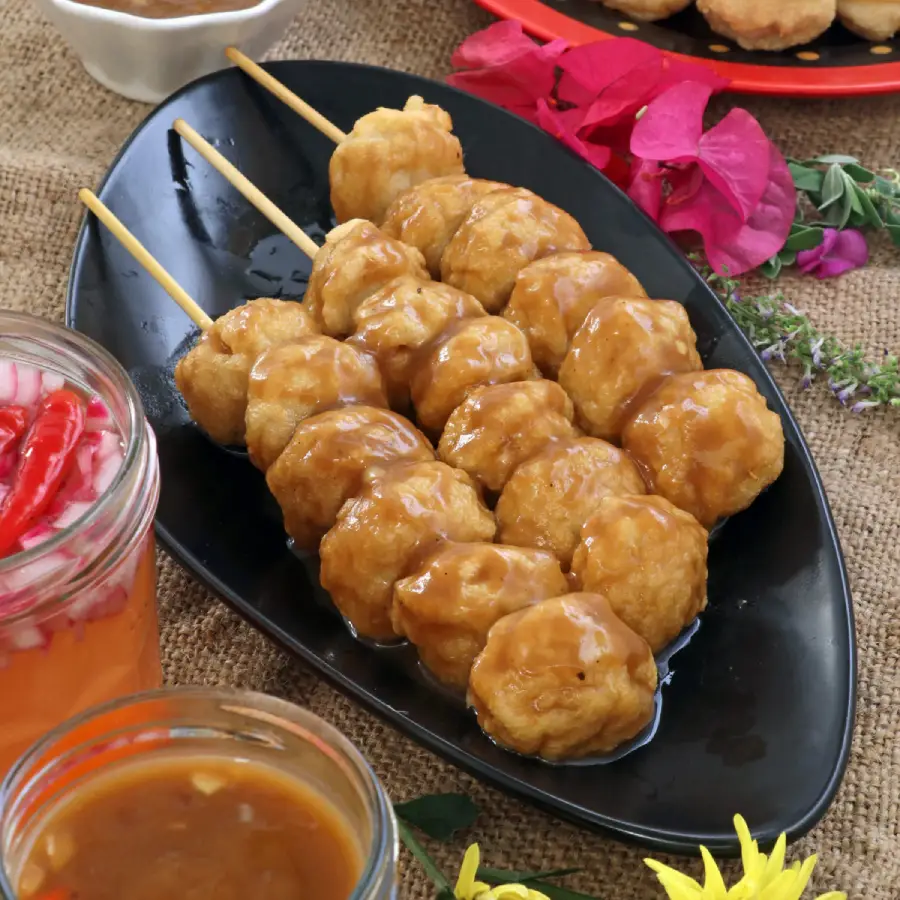
Food Overview: Deep-fried balls made from seasoned fish paste, served on a skewer with sweet or spicy dipping sauce.
Main Ingredients: Ground fish (often tulingan), flour, cornstarch, seasoning.
Preparation Method: Mix and shape the fish paste into small balls, deep-fry until golden, and skewer for serving.
Estimated Startup Cost: ₱3,000–₱6,000 (cart, fryer, gas, initial stock).
Estimated Selling Price: ₱1–₱2 per piece, or bundles of 5–6 for ₱10–₱15.
Business Potential: High — one of the most recognized Filipino snacks nationwide, with low ingredient cost and near-universal demand.
2. Squid Balls
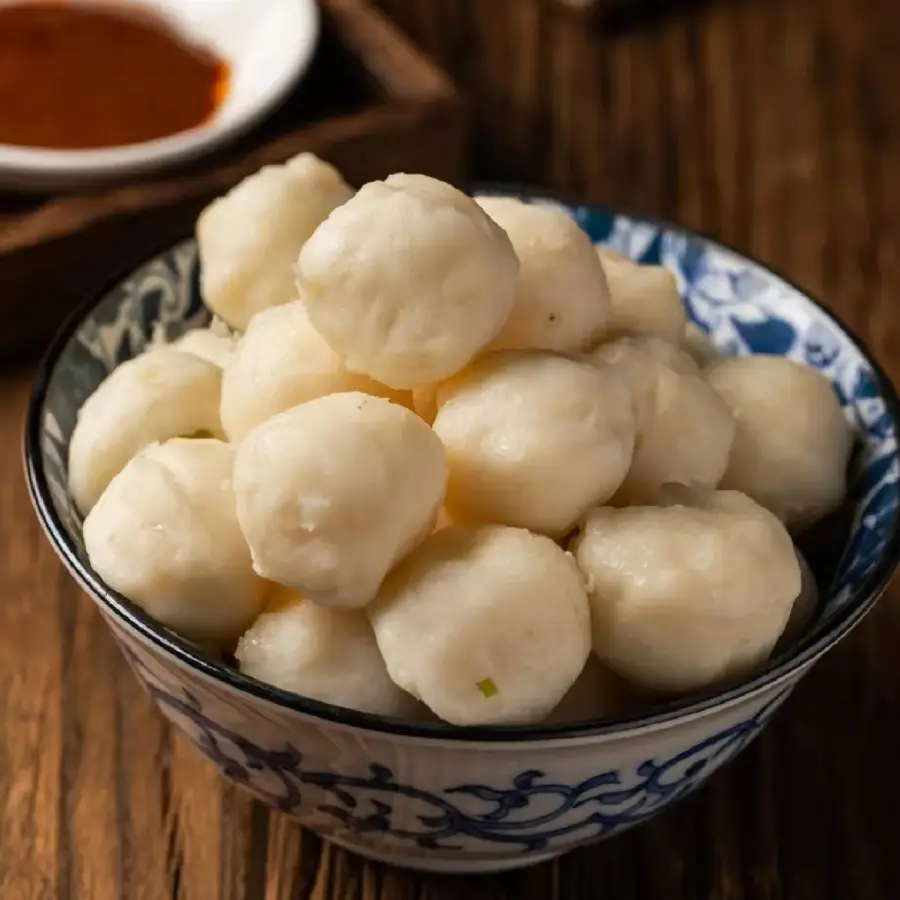
Food Overview: A close cousin of the fish ball, made with squid-flavored fish paste for a chewier bite. Main Ingredients: Fish or squid paste, squid flavoring, flour, cornstarch.
Preparation Method: Same mixing and deep-frying process as fish balls.
Estimated Startup Cost: ₱3,000–₱6,000 (can share equipment with a fish ball cart).
Estimated Selling Price: ₱1–₱2 per piece, or ₱10 for 5–6 pieces.
Business Potential: Strong — often sold alongside fish balls to expand the menu with minimal extra cost.
3. Kikiam
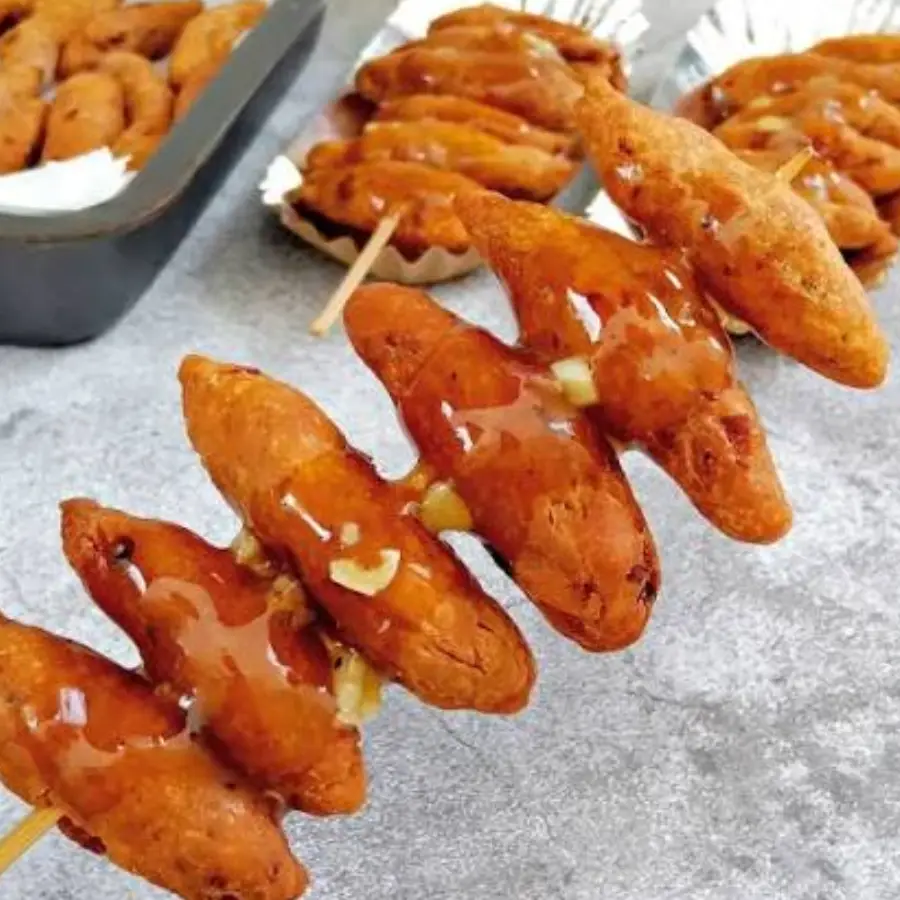
Food Overview: A Chinese-Filipino savory roll wrapped in tofu skin, deep-fried and sliced before serving.
Main Ingredients: Ground pork or fish, wood ear mushroom, carrots, tofu skin wrapper.
Preparation Method: Mix the filling, wrap in tofu skin, steam, then deep-fry until crisp, and slice.
Estimated Startup Cost: ₱3,000–₱5,000.
Estimated Selling Price: ₱10–₱15 per piece, or ₱5–₱8 per slice.
Business Potential: Good — a heartier alternative to fish balls that appeals to customers wanting more substance.
4. Chicken Balls
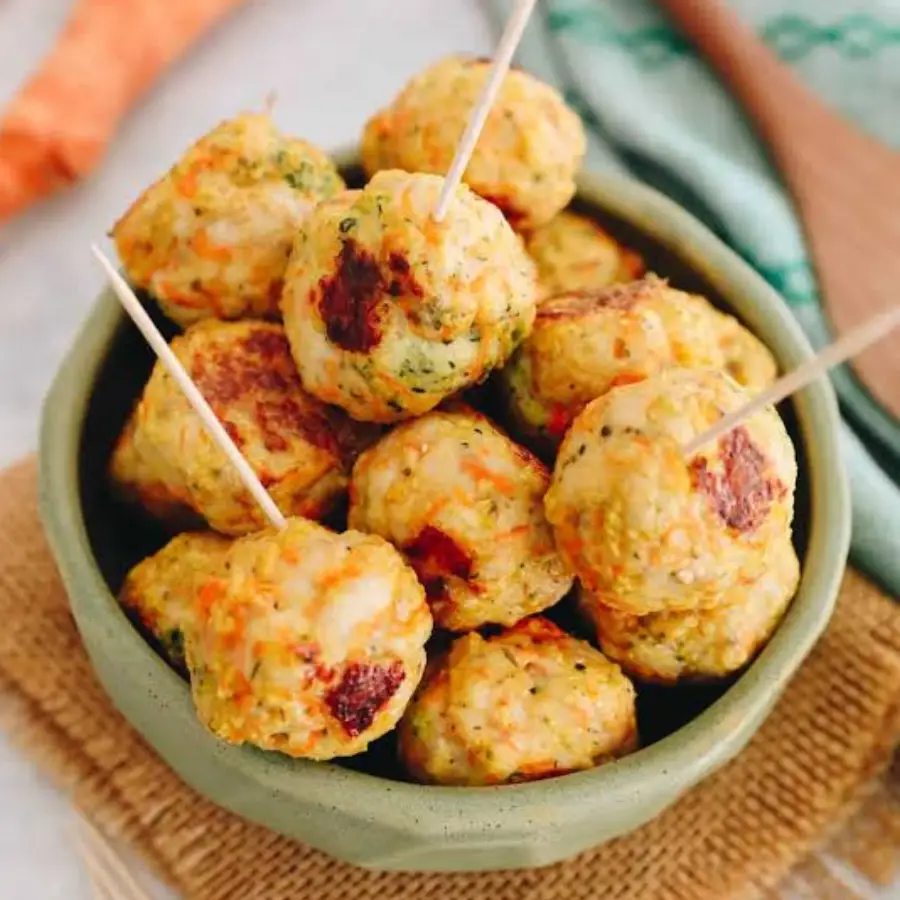
Food Overview: A chicken-based version of the classic fish ball, sometimes filled with cheese.
Main Ingredients: Ground chicken, flour, seasoning, optional cheese.
Preparation Method: Shape into balls, deep-fry, and serve with dipping sauce.
Estimated Startup Cost: ₱3,000–₱6,000.
Estimated Selling Price: ₱1–₱3 per piece.
Business Potential: Moderate to high — a popular alternative for customers who prefer chicken over fish-based snacks.
5. Tempura
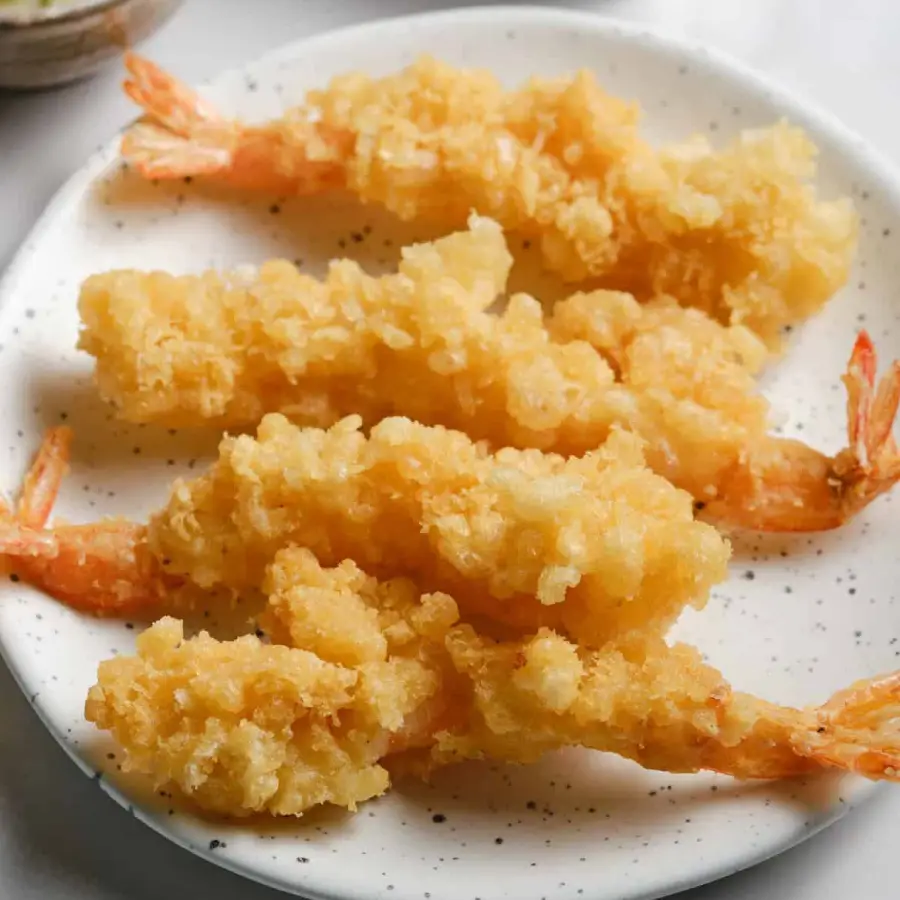
Food Overview: A Filipino-style battered and fried fish or hotdog on a stick, distinct from Japanese tempura.
Main Ingredients: Fish paste or hotdog, flour batter, cornstarch. Preparation Method: Dip in batter, deep-fry, and skewer.
Estimated Startup Cost: ₱3,000–₱5,000.
Estimated Selling Price: ₱10–₱15 per stick.
Business Potential: High — a common companion item on fish ball and squid ball carts.
6. Isaw (Chicken)
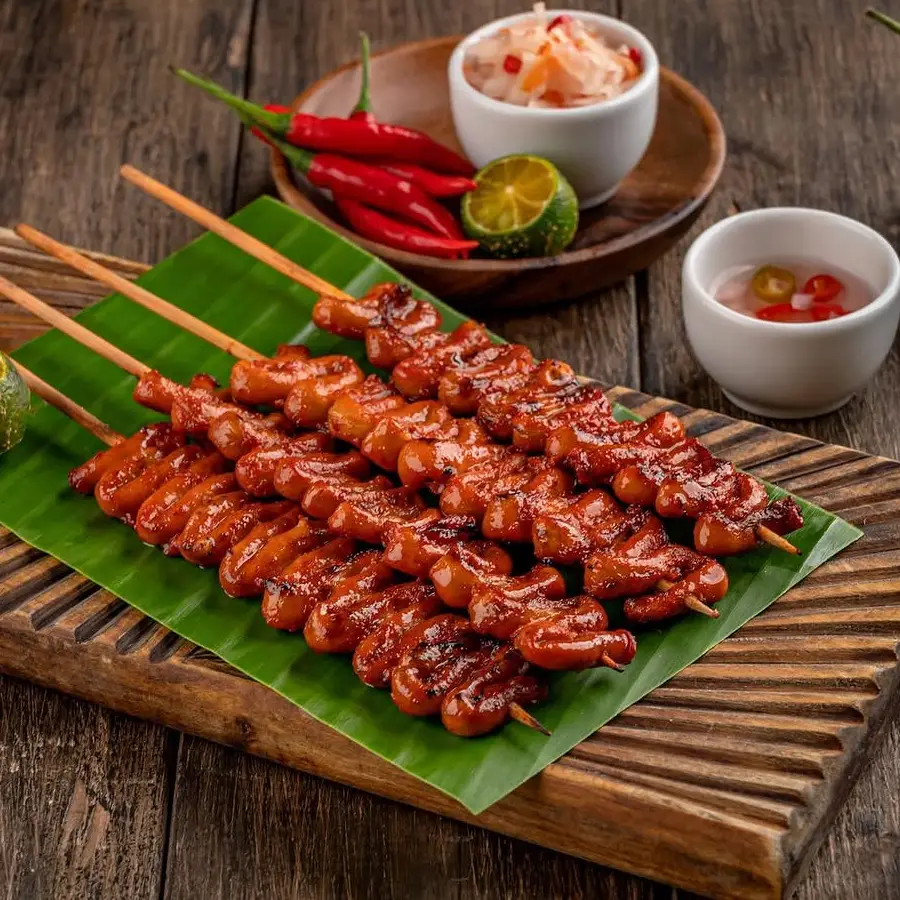
Food Overview: Grilled chicken intestines on skewers, a classic Filipino pulutan and street food staple.
Main Ingredients: Chicken intestines, soy sauce and vinegar marinade, garlic, skewers.
Preparation Method: Clean thoroughly, marinate, then grill over charcoal while basting.
Estimated Startup Cost: ₱2,500–₱4,500 (grill, charcoal, skewers).
Estimated Selling Price: ₱10–₱15 per stick.
Business Potential: Very high — an iconic item with a loyal following, especially at night markets.
7. Isaw (Pork)
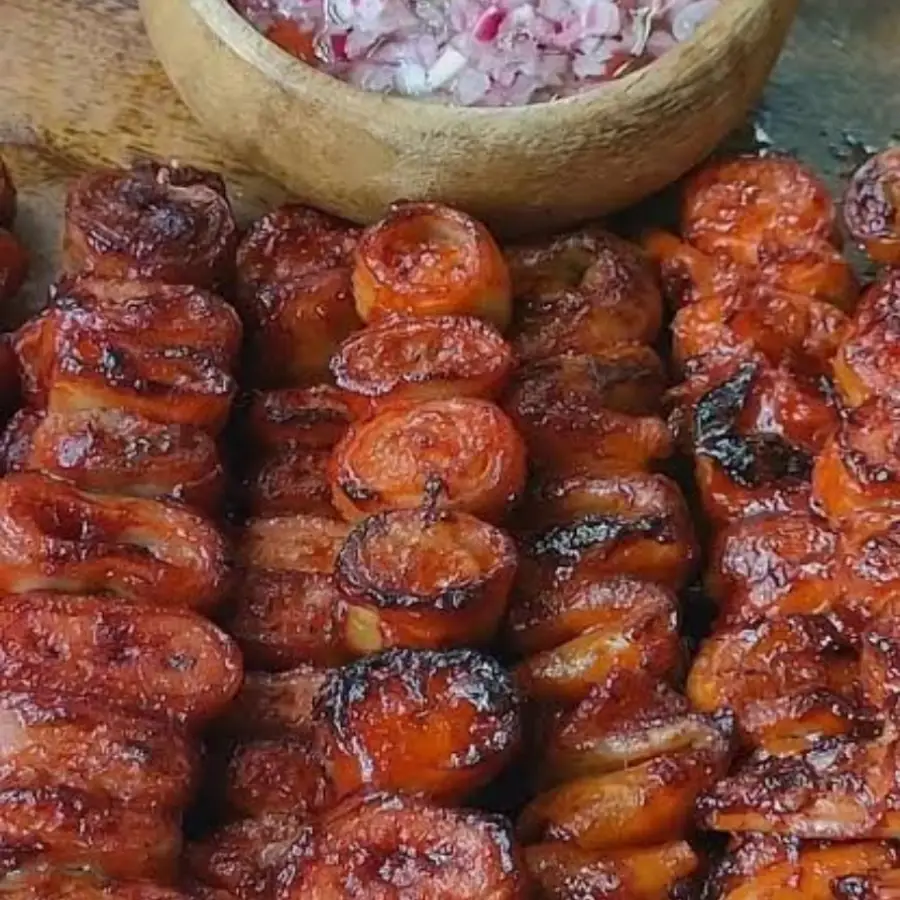
Food Overview: The pork version of isaw, chewier and richer in flavor than the chicken variety.
Main Ingredients: Pork intestines, marinade, skewers.
Preparation Method: Clean thoroughly, marinate, and grill over charcoal.
Estimated Startup Cost: ₱2,500–₱4,500 (can share a grill setup with chicken isaw).
Estimated Selling Price: ₱10–₱15 per stick.
Business Potential: High — usually sold together with chicken isaw to offer variety.
8. Betamax
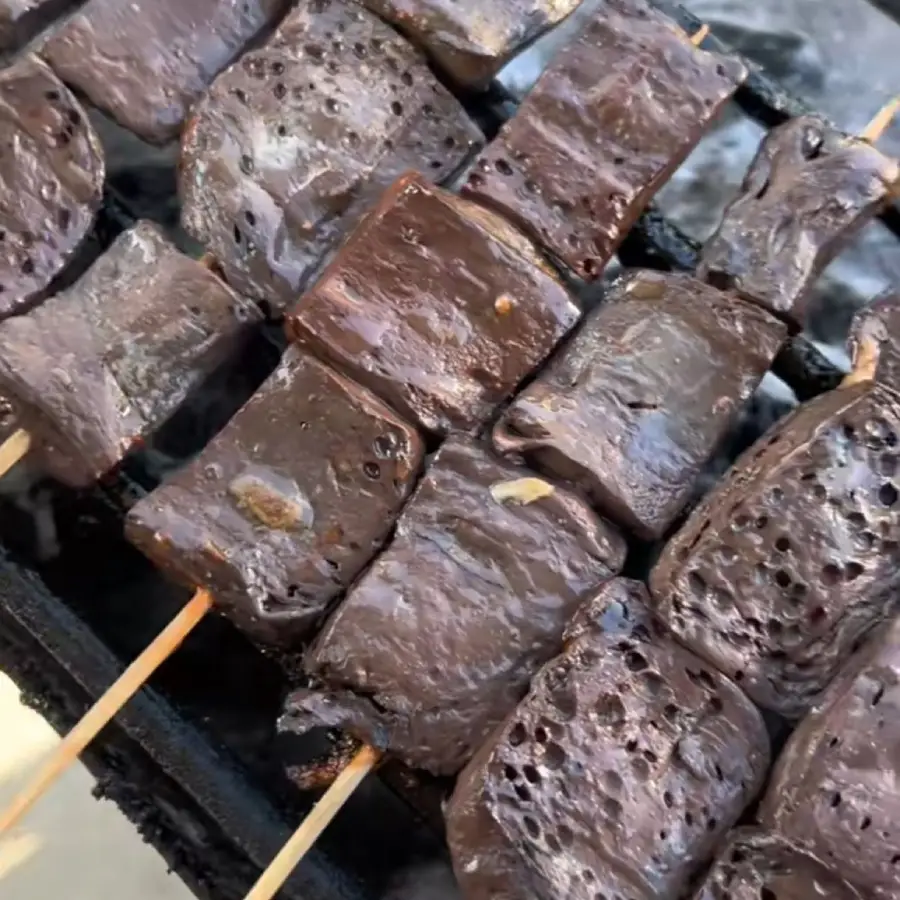
Food Overview: Grilled cubes of coagulated chicken or pork blood on a stick, named for its resemblance to old video cassette tapes.
Main Ingredients: Coagulated blood, skewers, basting sauce.
Preparation Method: Cut into cubes, skewer, grill, and brush with sauce.
Estimated Startup Cost: ₱2,000–₱4,000.
Estimated Selling Price: ₱10–₱15 per stick.
Business Potential: Moderate — a niche item with a loyal customer base and very low ingredient cost.
9. Adidas (Chicken Feet)
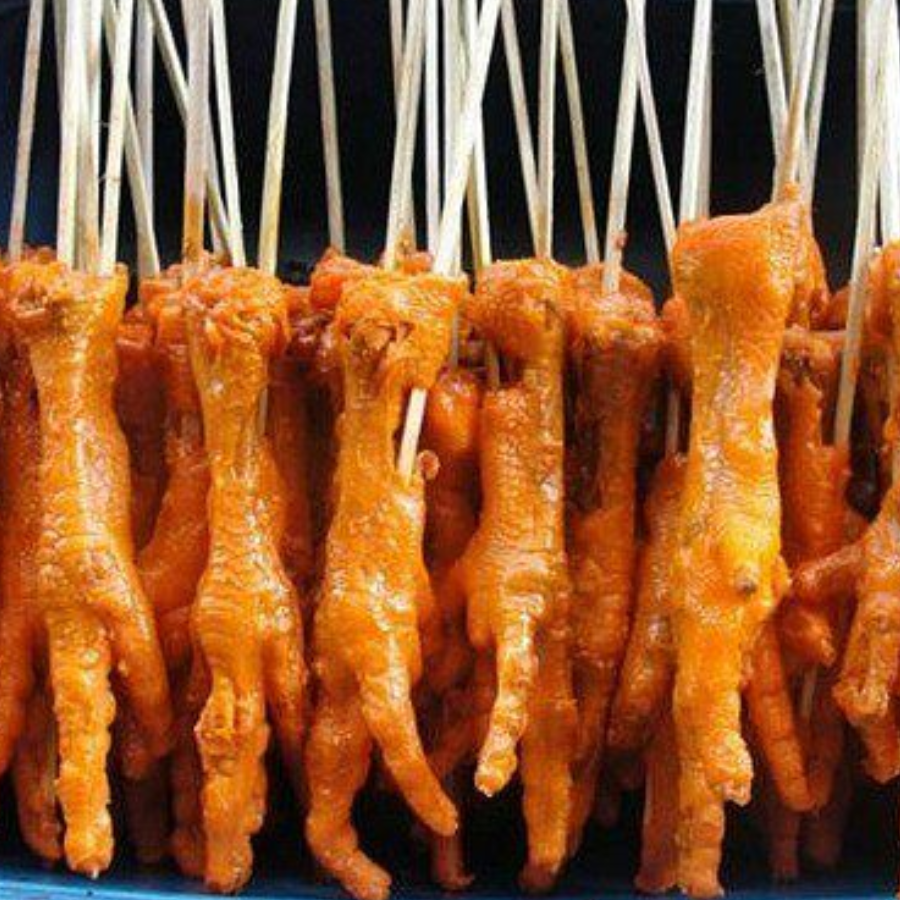
Food Overview: Grilled chicken feet, playfully nicknamed after the shoe brand.
Main Ingredients: Chicken feet, marinade, skewers.
Preparation Method: Clean and boil to tenderize, marinate, then grill.
Estimated Startup Cost: ₱2,000–₱4,000.
Estimated Selling Price: ₱10–₱15 per stick.
Business Potential: Moderate to high — a popular pulutan item at night markets and beer stalls.
10. Helmet (Chicken Head)
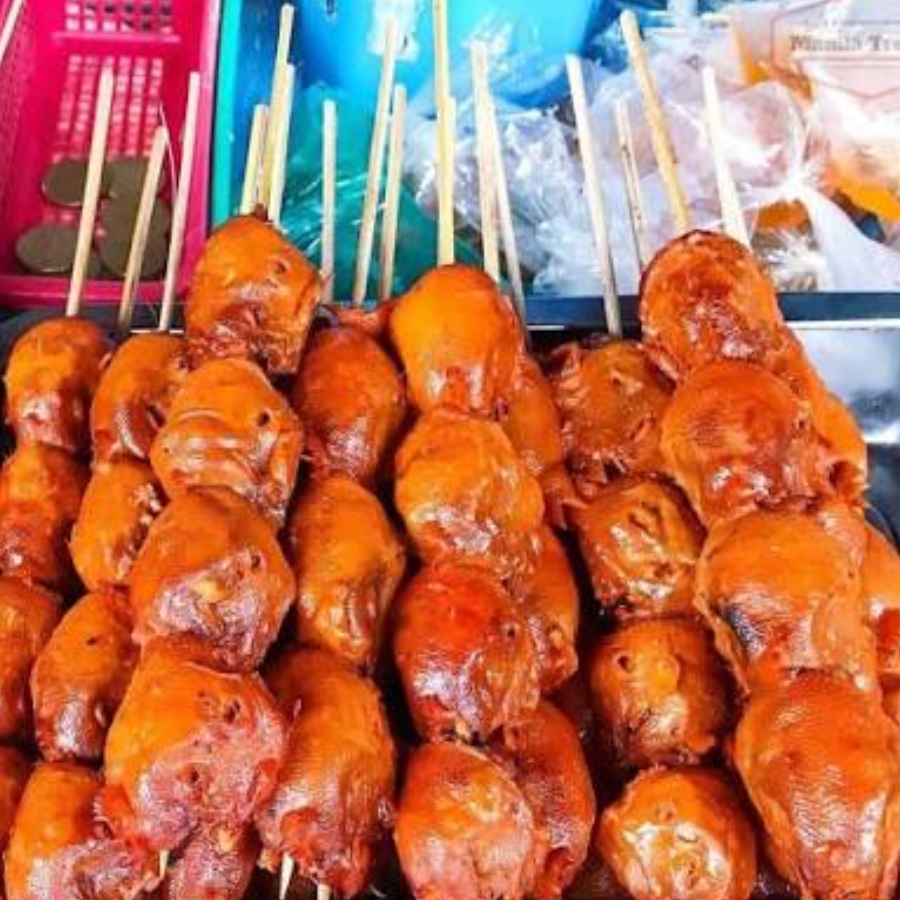
Food Overview: Grilled chicken heads, another quirkily-named skewer favorite.
Main Ingredients: Chicken heads, marinade.
Preparation Method: Clean, boil, marinate, and grill.
Estimated Startup Cost: ₱2,000–₱4,000.
Estimated Selling Price: ₱10–₱15 per stick.
Business Potential: Niche — appeals mostly to adventurous eaters and the late-night pulutan crowd.
11. Walkman (Pig’s Ears)
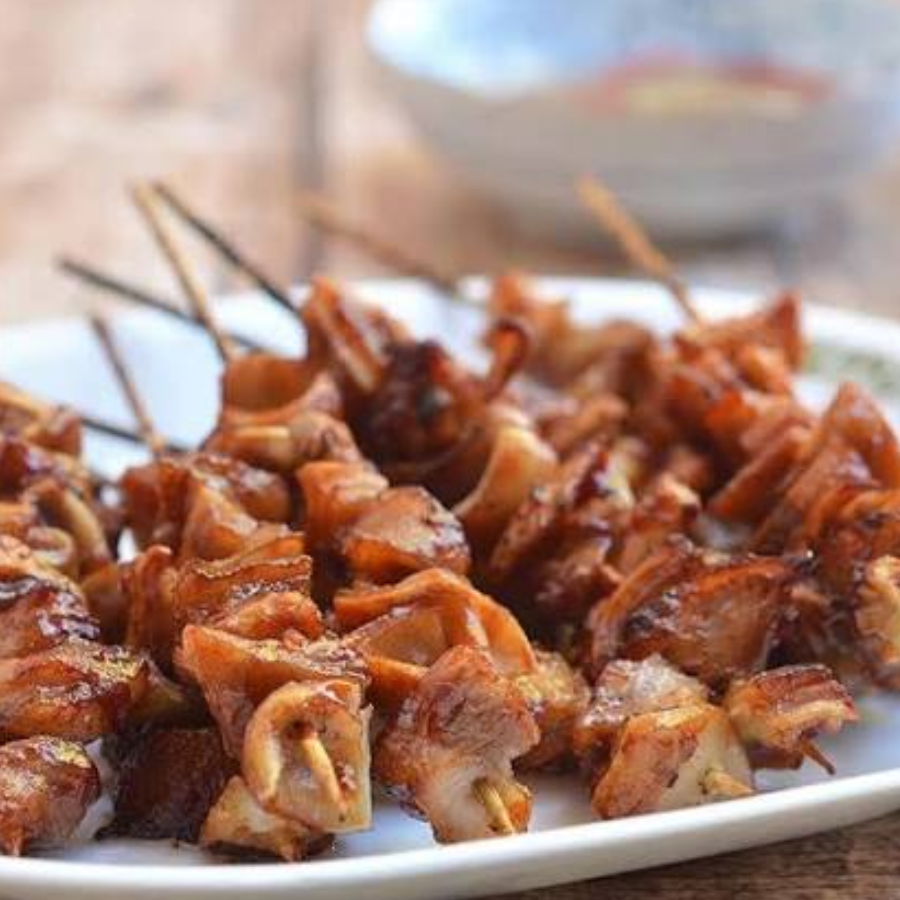
Food Overview: Grilled pig ears named after the portable cassette player.
Main Ingredients: Pig ears, marinade.
Preparation Method: Boil until tender, marinate, then grill until crisp at the edges.
Estimated Startup Cost: ₱2,500–₱4,500.
Estimated Selling Price: ₱15–₱20 per stick.
Business Potential: Moderate — popular among friend groups during drinking sessions.
12. Proven
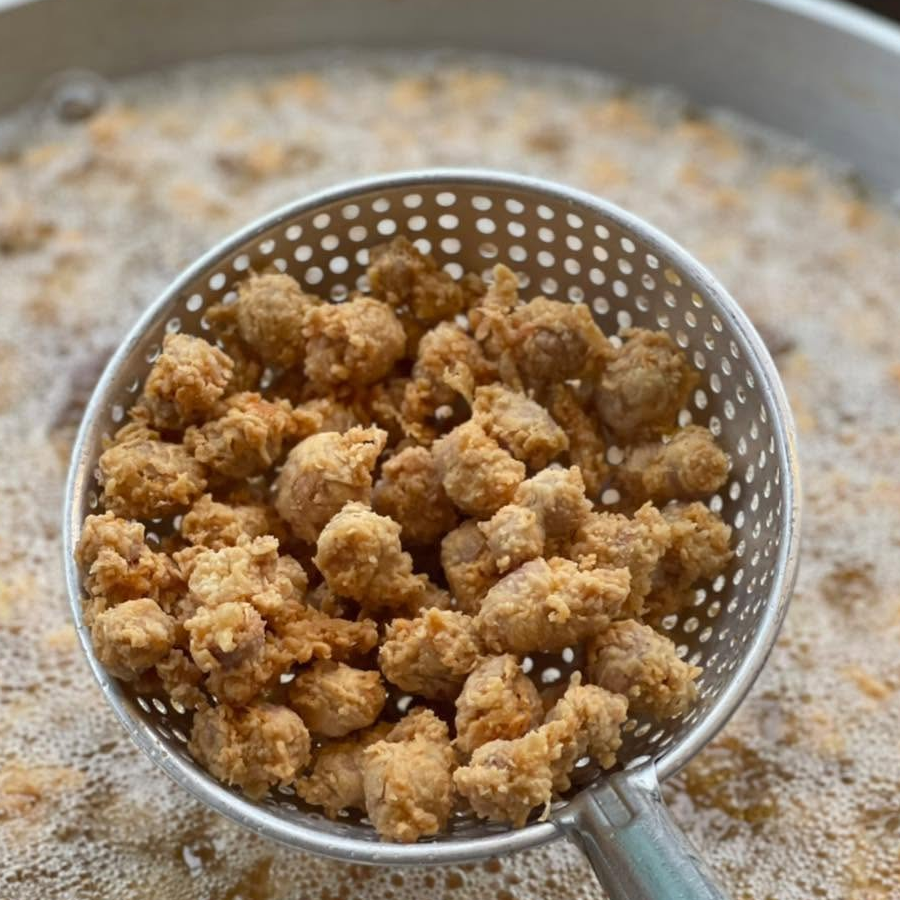
Food Overview: Deep-fried chicken skin skewers, crunchy and savory.
Main Ingredients: Chicken skin, seasoning, skewers.
Preparation Method: Skewer raw skin, deep-fry until crisp, and season.
Estimated Startup Cost: ₱2,500–₱4,000.
Estimated Selling Price: ₱10–₱15 per stick.
Business Potential: High — the satisfying crunch drives repeat customers.
13. Tokneneng
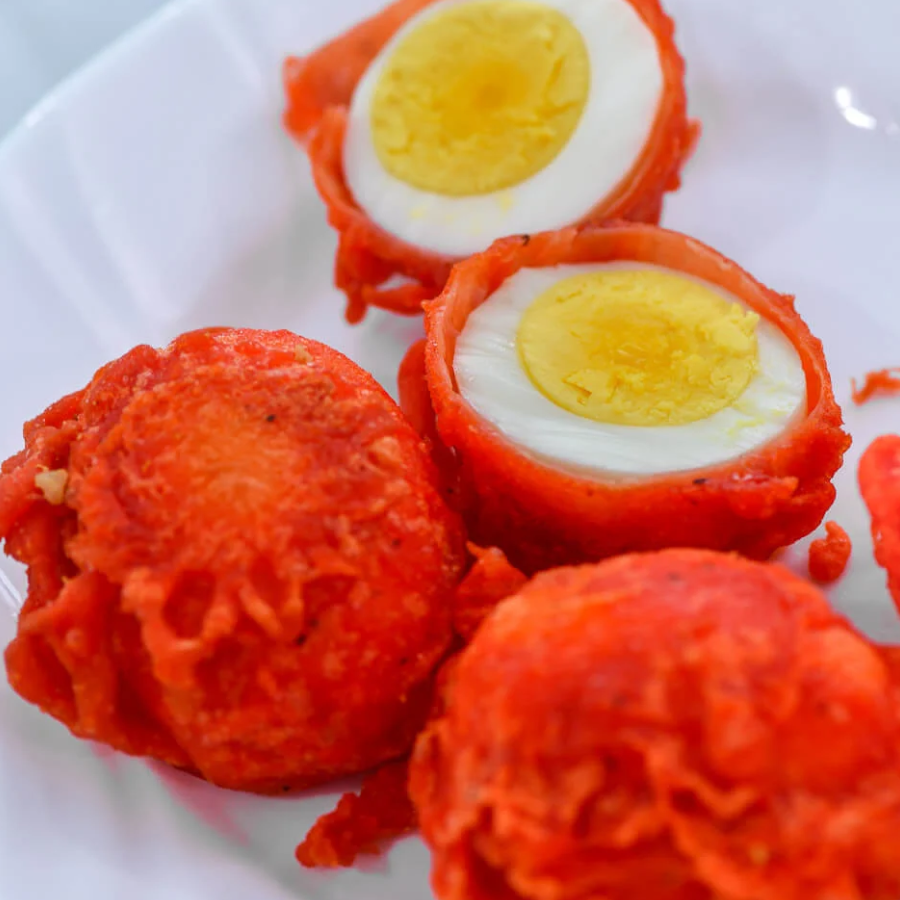
Food Overview: A hard-boiled duck or chicken egg coated in bright orange batter and deep-fried.
Main Ingredients: Hard-boiled eggs, orange-dyed flour batter.
Preparation Method: Dip the egg in batter, deep-fry until crisp, skewer, and serve with vinegar or sauce.
Estimated Startup Cost: ₱3,000–₱5,000.
Estimated Selling Price: ₱15–₱20 per piece.
Business Potential: High — colorful, filling, and especially popular with students.
14. Kwek-Kwek
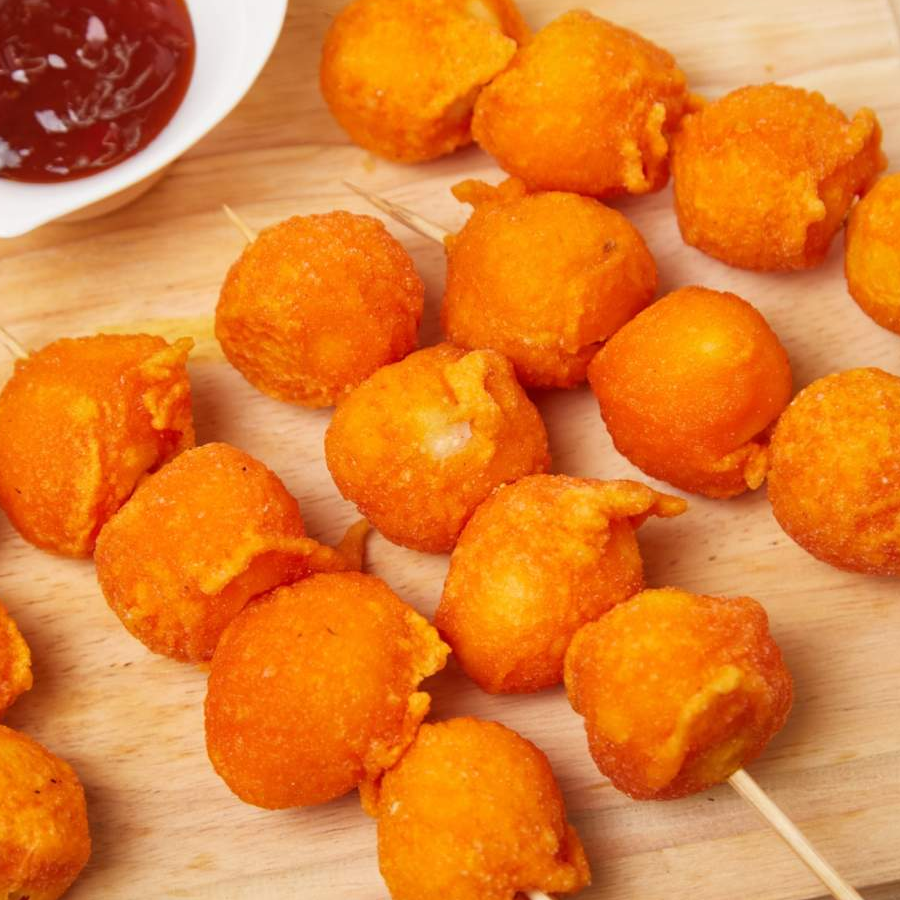
Food Overview: A smaller version of tokneneng made with quail eggs.
Main Ingredients: Quail eggs, orange batter.
Preparation Method: Same batter-and-fry process as tokneneng, but quicker due to smaller size.
Estimated Startup Cost: ₱3,000–₱5,000 (often paired with a tokneneng cart).
Estimated Selling Price: ₱10–₱15 for a small serving.
Business Potential: High — frequently sold together with tokneneng as a combined stall.
15. Banana Cue
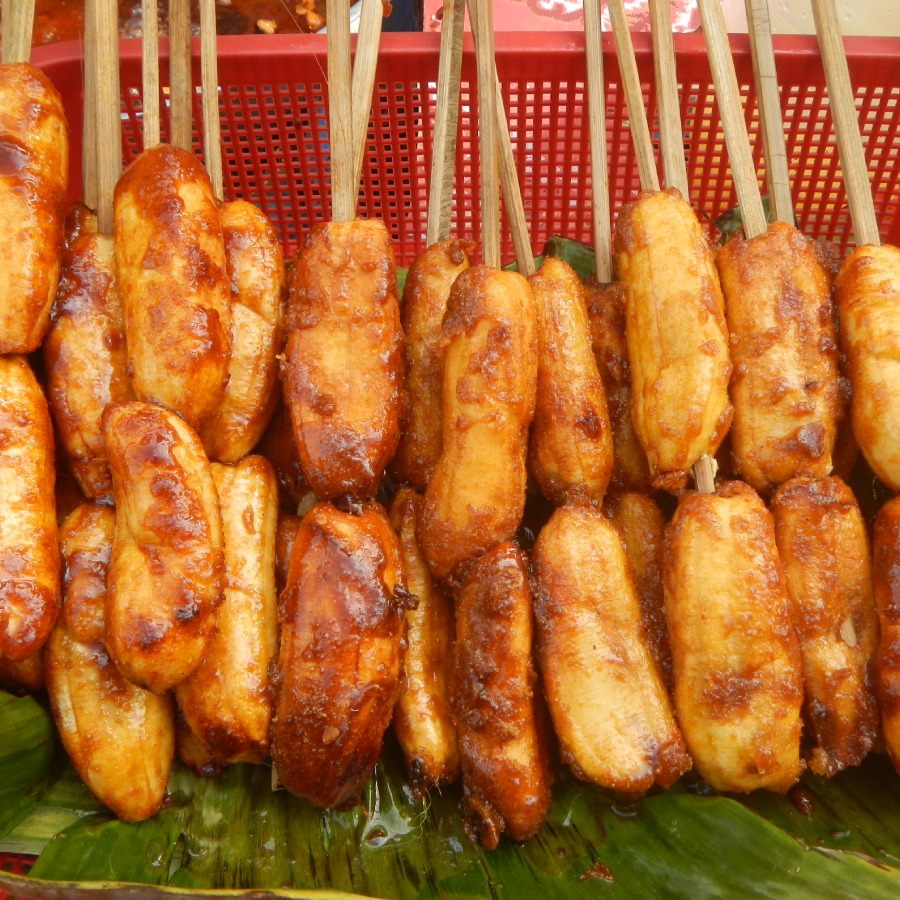
Food Overview: Caramelized deep-fried saba banana served on a stick.
Main Ingredients: Saba bananas, brown sugar.
Preparation Method: Fry the bananas in oil with melted brown sugar until caramelized, then skewer.
Estimated Startup Cost: ₱2,000–₱4,000.
Estimated Selling Price: ₱10–₱15 per stick.
Business Potential: High — a classic afternoon snack commonly sold near schools.
16. Kamote Cue
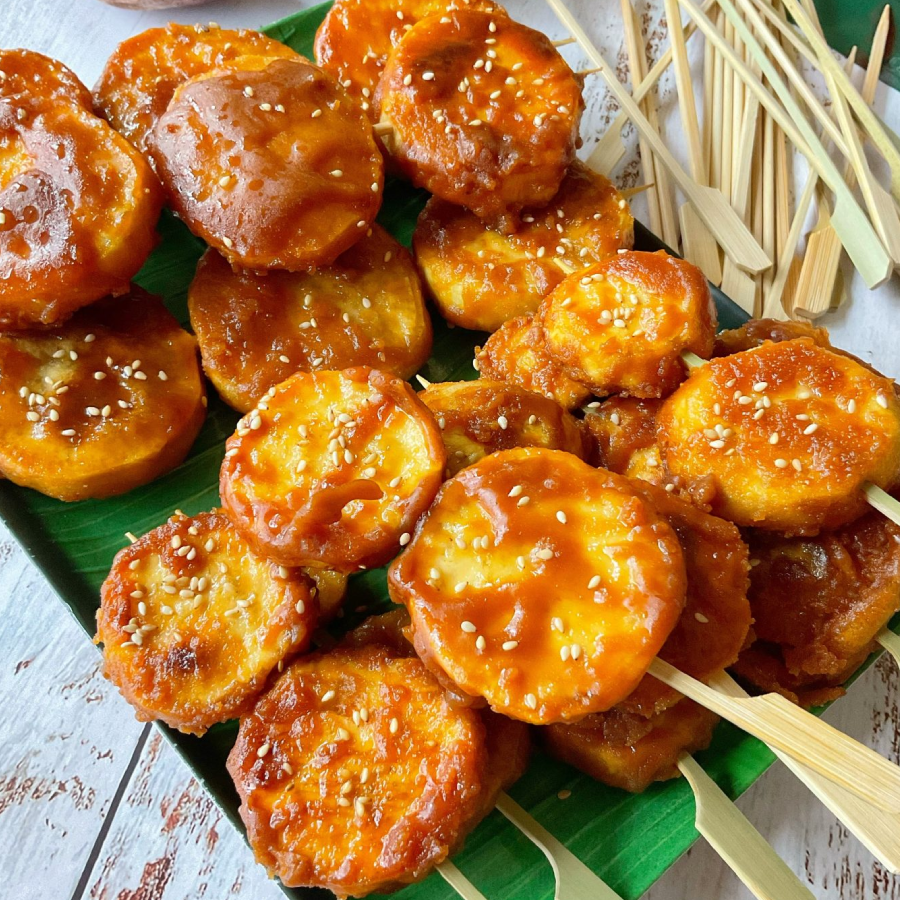
Food Overview: The same caramelizing technique as banana cue, applied to sweet potato slices.
Main Ingredients: Sweet potato (kamote), brown sugar.
Preparation Method: Slice and fry with sugar until caramelized, then skewer.
Estimated Startup Cost: ₱2,000–₱4,000 (can share equipment with banana cue).
Estimated Selling Price: ₱10–₱15 per stick. Business Potential: High — often sold as a pair with banana cue.
17. Turon
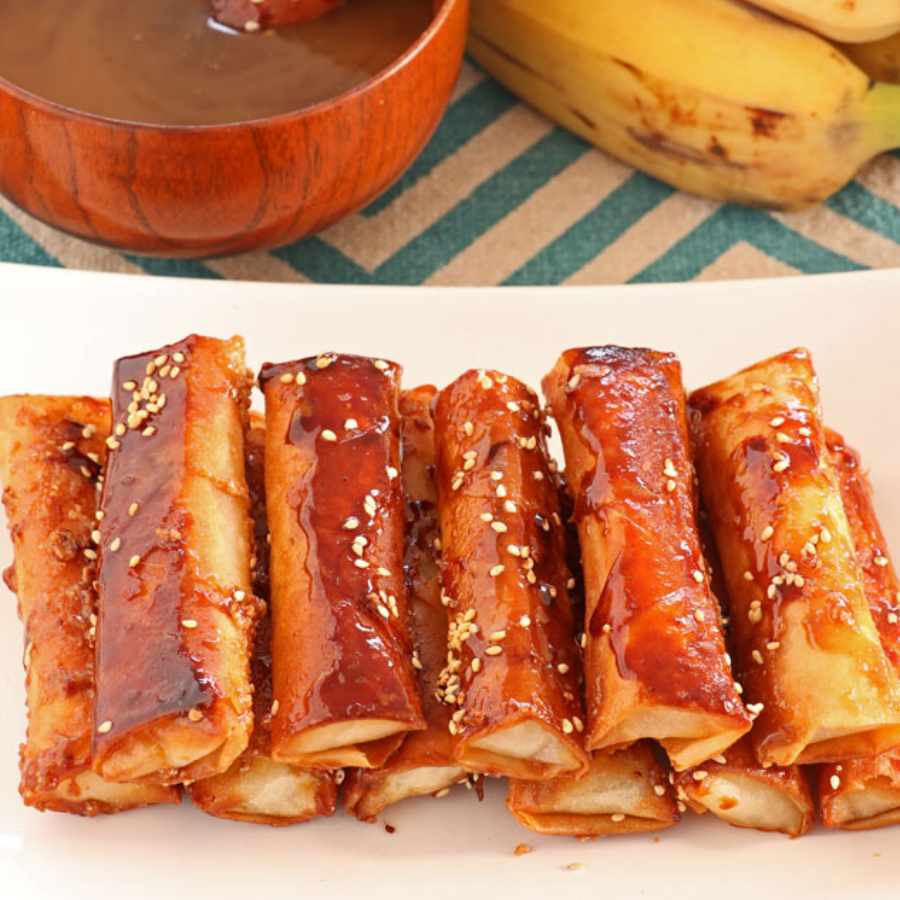
Food Overview: Sliced banana (and often jackfruit) wrapped in a spring roll wrapper, fried and caramelized.
Main Ingredients: Saba banana, langka (jackfruit), spring roll wrapper, brown sugar.
Preparation Method: Wrap the banana and jackfruit, then fry until golden and caramelized.
Estimated Startup Cost: ₱2,500–₱4,500.
Estimated Selling Price: ₱10–₱15 per piece.
Business Potential: Very high — one of the best-selling Filipino merienda items nationwide.
18. Maruya
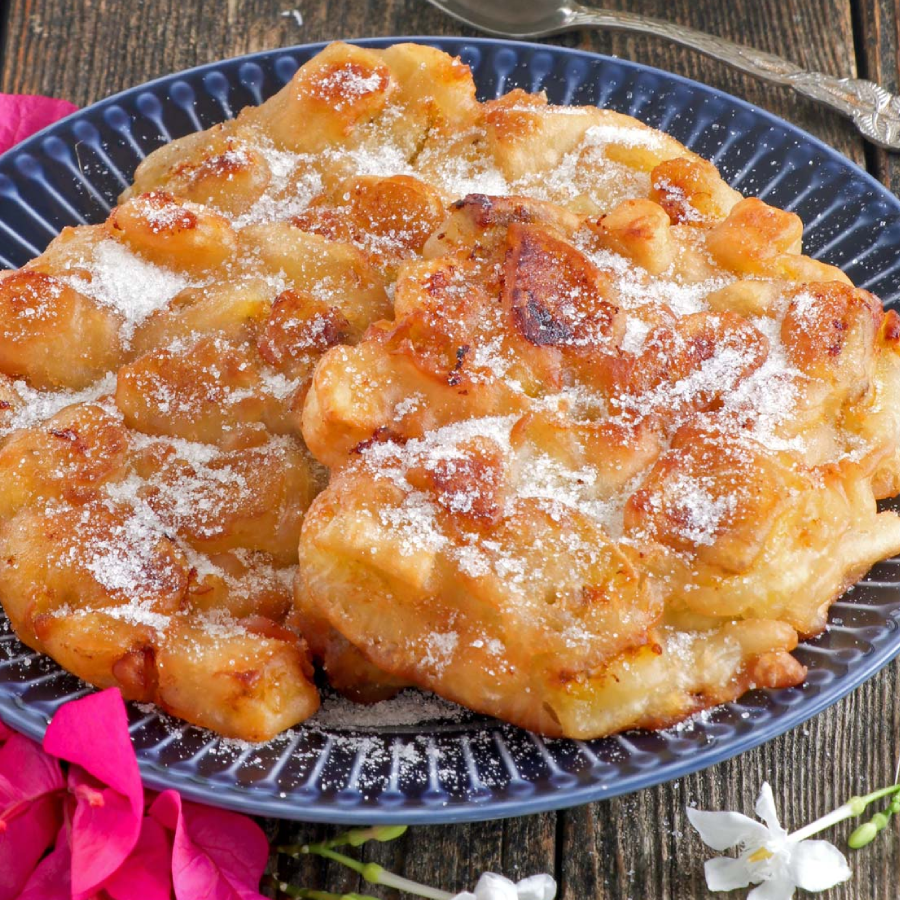
Food Overview: Deep-fried banana fritters coated in sugar.
Main Ingredients: Ripe bananas, flour batter, sugar.
Preparation Method: Mash or slice the banana, mix into batter, deep-fry, and sprinkle with sugar.
Estimated Startup Cost: ₱2,500–₱4,000.
Estimated Selling Price: ₱10–₱15 per piece.
Business Potential: Good — a simple, affordable comfort snack.
19. Carioca
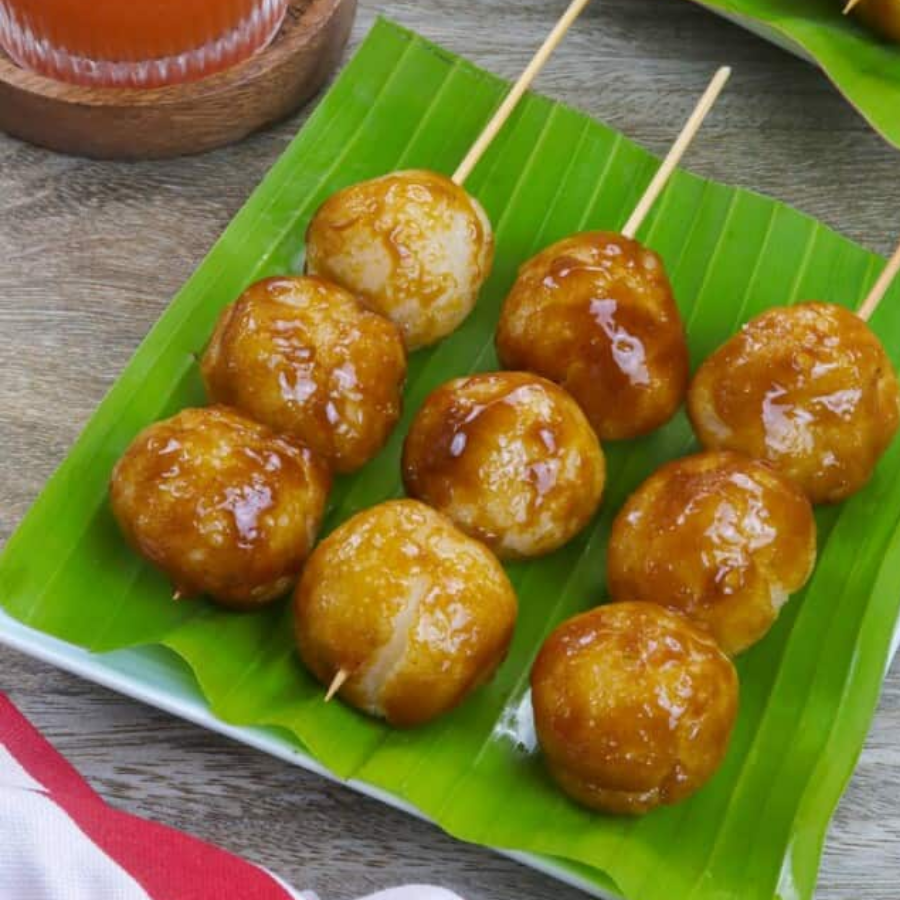
Food Overview: Fried glutinous rice balls coated in caramelized sugar syrup.
Main Ingredients: Glutinous rice flour, coconut milk, sugar.
Preparation Method: Shape the dough into balls, fry, and coat in caramelized sugar.
Estimated Startup Cost: ₱2,500–₱4,000.
Estimated Selling Price: ₱10–₱15 for a small bag.
Business Potential: Moderate — the chewy texture appeals to fans of rice-based snacks.
20. Banana Chips
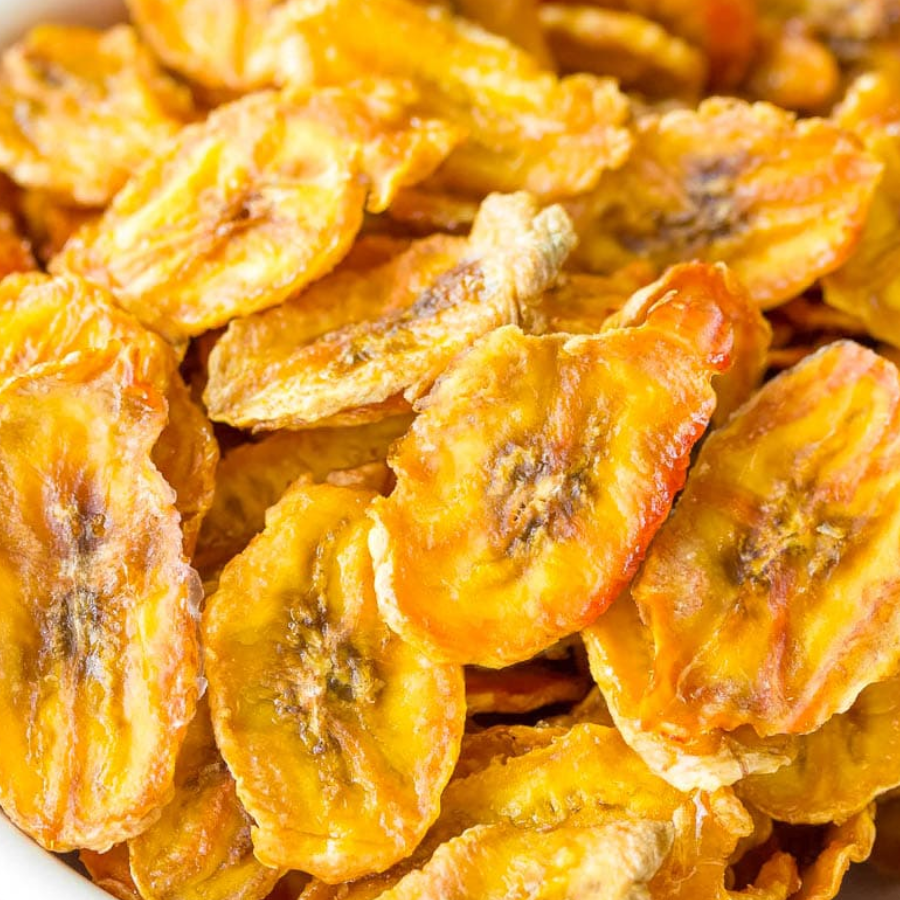
Food Overview: Thin, crisp banana slices, sometimes sweetened, sold in packs.
Main Ingredients: Saba or cardava bananas, oil, sugar or salt.
Preparation Method: Slice thin, deep-fry until crisp, season, and pack.
Estimated Startup Cost: ₱3,000–₱6,000 (slicer, packaging materials).
Estimated Selling Price: ₱20–₱40 per pack.
Business Potential: High — shelf-stable, so it can also be sold through sari-sari stores or online, beyond a fresh food stall.
21. Lumpiang Togue
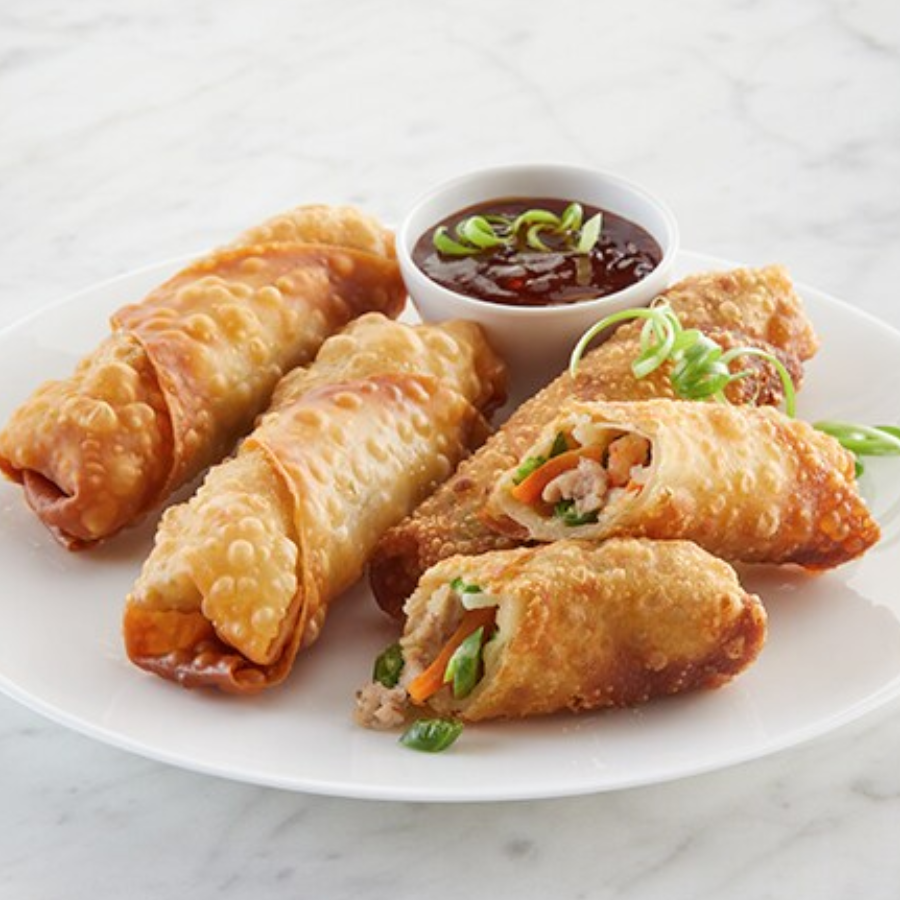
Food Overview: Spring rolls filled with bean sprouts and vegetables, served fresh or fried.
Main Ingredients: Mung bean sprouts (togue), carrots, spring roll wrapper.
Preparation Method: Sauté the filling, wrap, then fry until crisp or serve fresh.
Estimated Startup Cost: ₱2,500–₱4,500.
Estimated Selling Price: ₱10–₱15 per piece.
Business Potential: Moderate — appeals to customers looking for a vegetable-forward option.
22. Lumpiang Shanghai on Stick
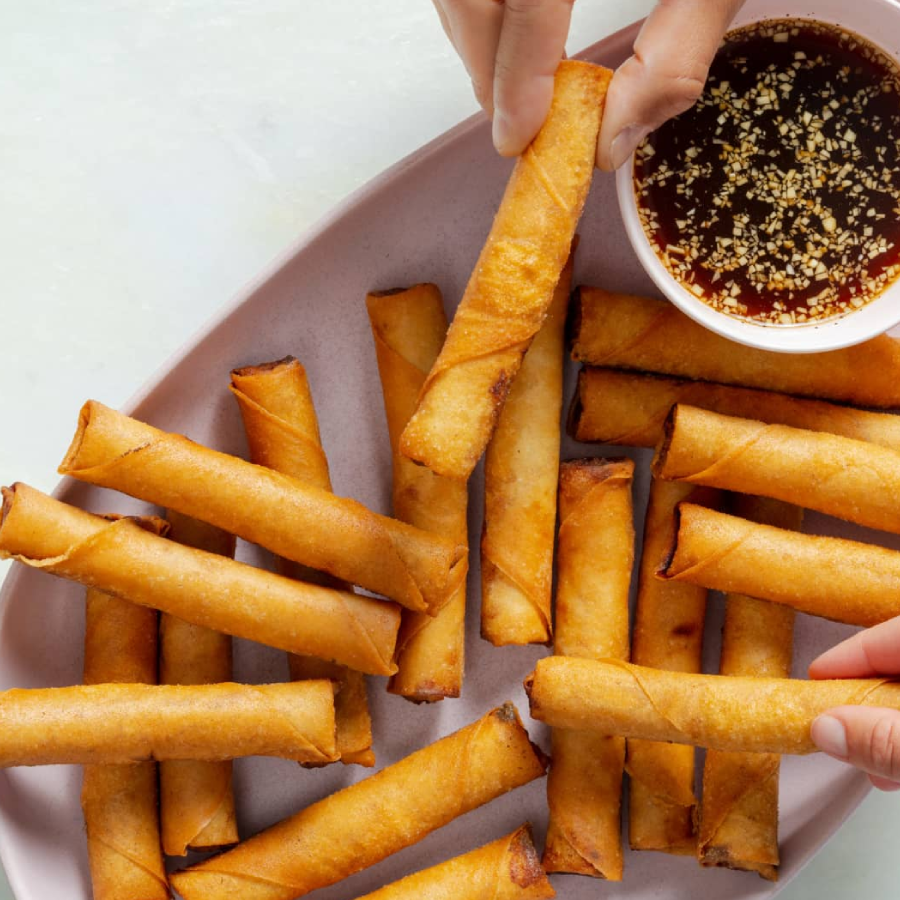
Food Overview: Mini pork spring rolls skewered together for easy street eating.
Main Ingredients: Ground pork, carrots, onions, spring roll wrapper.
Preparation Method: Wrap small rolls, fry until crisp, and skewer 3–4 pieces together.
Estimated Startup Cost: ₱3,000–₱5,000.
Estimated Selling Price: ₱15–₱20 per stick.
Business Potential: High — kid-friendly and easy to eat on the go.
23. Dynamite Lumpia
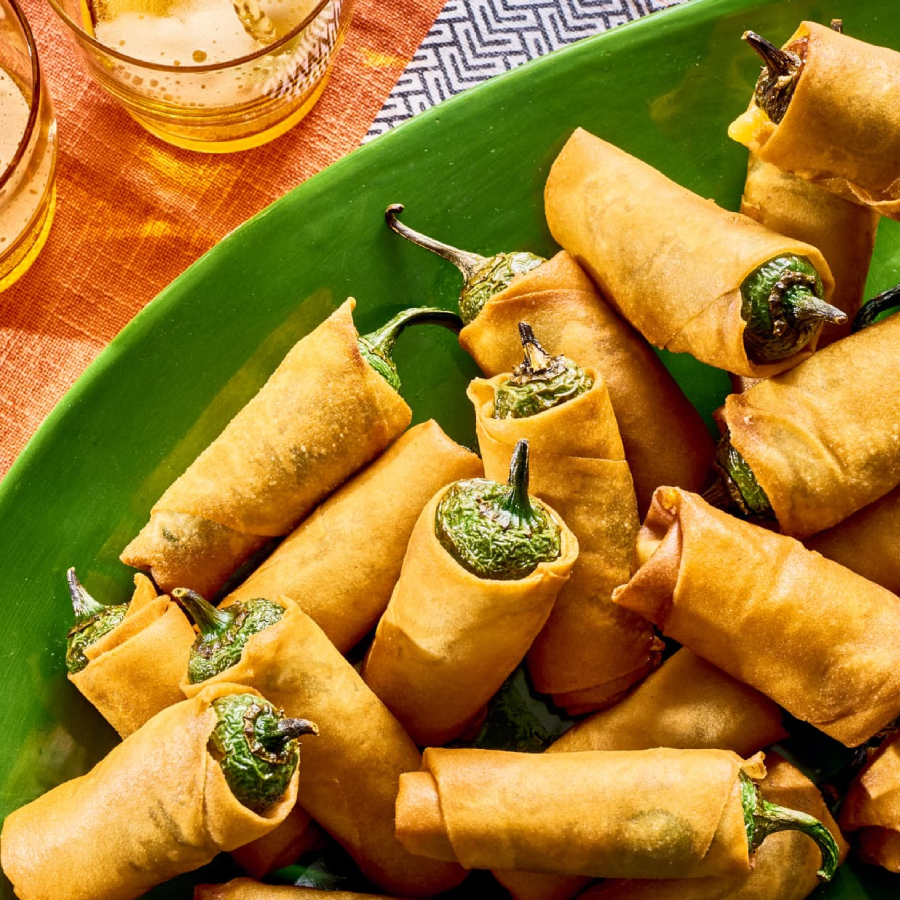
Food Overview: Spring rolls stuffed with cheese and long green chili for a spicy-cheesy bite.
Main Ingredients: Long green chili, cheese, spring roll wrapper.
Preparation Method: Deseed the chili, stuff with cheese, wrap, and fry until golden.
Estimated Startup Cost: ₱3,000–₱5,000.
Estimated Selling Price: ₱10–₱15 per piece.
Business Potential: Good — a popular pulutan item with a distinct spicy-cheesy appeal.
24. Siomai
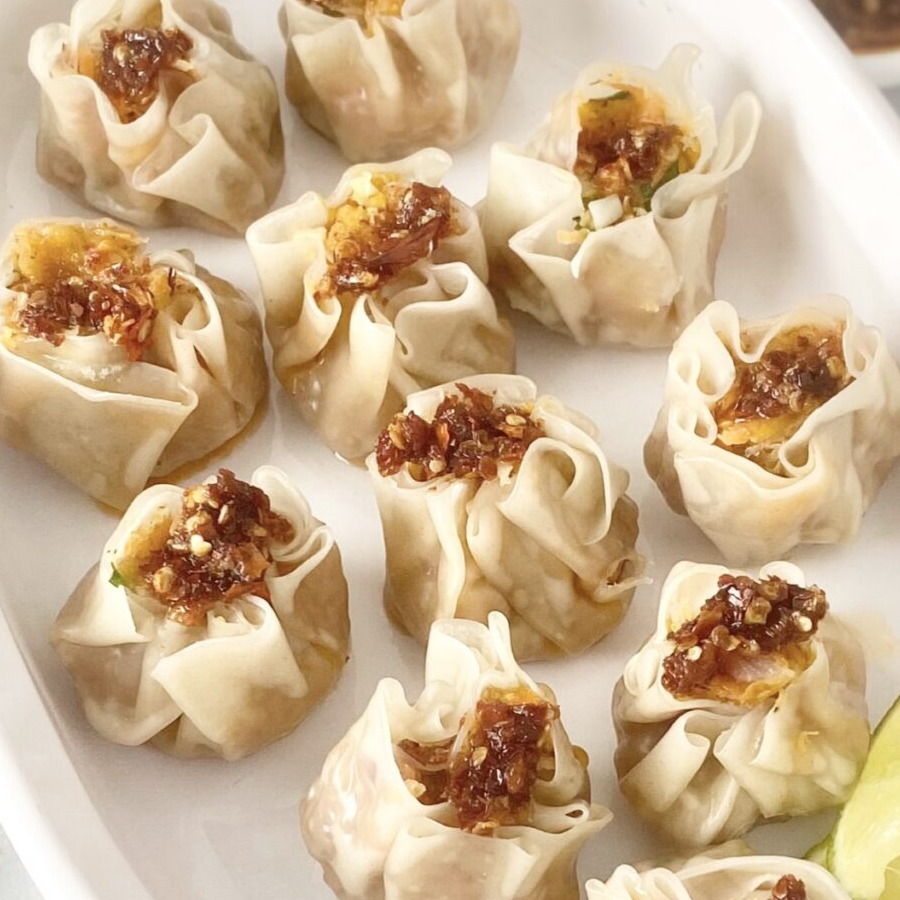
Food Overview: Chinese-style dumplings, steamed or pan-fried, a Filipino street food staple.
Main Ingredients: Ground pork or shrimp, wonton wrapper, carrots.
Preparation Method: Fill and shape the wrapper, then steam or pan-fry, and serve with soy-calamansi sauce.
Estimated Startup Cost: ₱4,000–₱7,000 (steamer, ingredients).
Estimated Selling Price: ₱7–₱10 per piece.
Business Potential: Very high — sold everywhere from carts to school canteens, a consistent bestseller.
25. Siopao
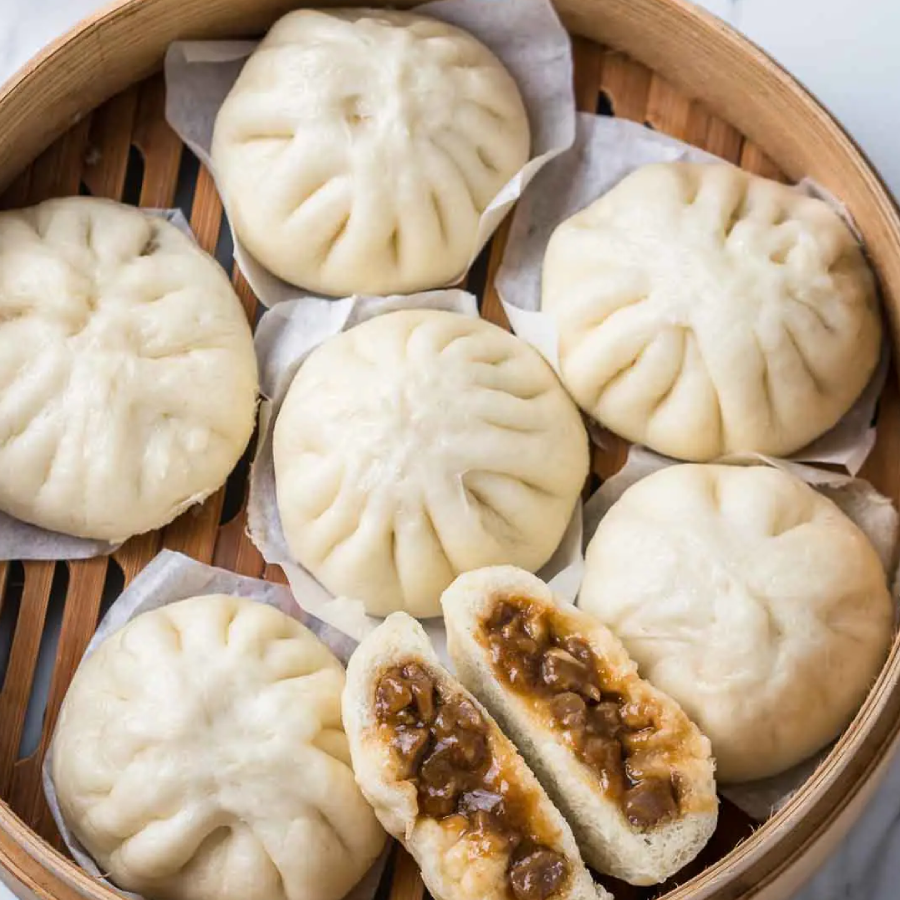
Food Overview: Steamed buns filled with sweet pork (asado) or savory chicken.
Main Ingredients: Flour dough, pork or chicken filling, sauce.
Preparation Method: Prepare the filling, wrap in dough, and steam until fluffy.
Estimated Startup Cost: ₱4,000–₱7,000 (steamer).
Estimated Selling Price: ₱20–₱35 per piece.
Business Potential: High — filling enough to serve as a light meal, with good margins.
26. Balut
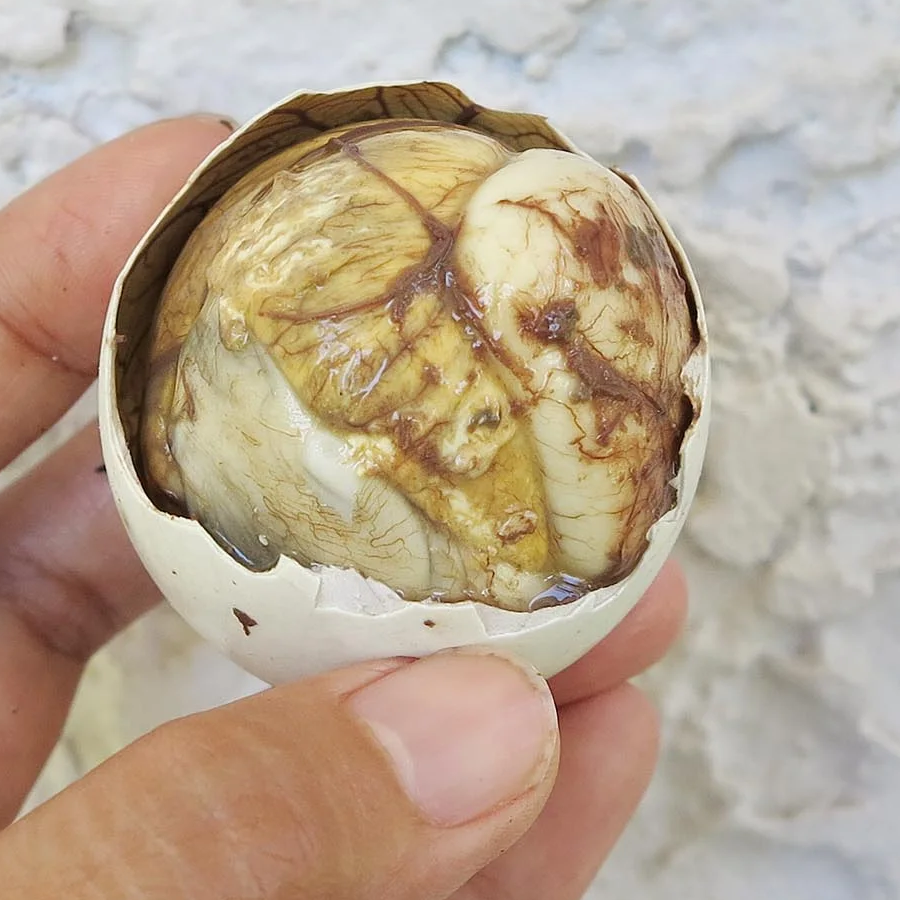
Food Overview: A fertilized duck egg, boiled and eaten as a protein-rich, iconic nighttime street food.
Main Ingredients: Fertilized duck eggs (typically 16–18 days incubated).
Preparation Method: Boil the eggs and sell warm with salt and vinegar.
Estimated Startup Cost: ₱1,500–₱3,000 (minimal equipment, mainly sourcing eggs).
Estimated Selling Price: ₱20–₱25 per piece.
Business Potential: High — steady night market demand, with added appeal to curious tourists.
27. Penoy
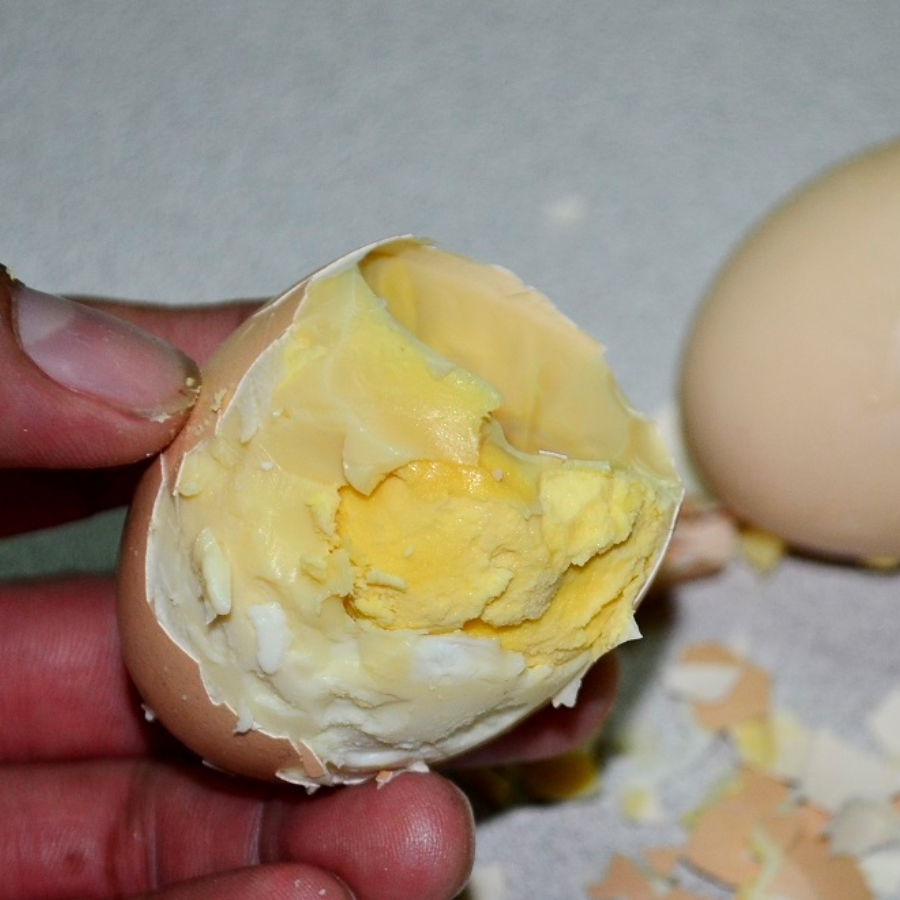
Food Overview: A boiled, unfertilized duck egg — a milder alternative to balut.
Main Ingredients: Unfertilized duck eggs.
Preparation Method: Boil and sell with salt.
Estimated Startup Cost: ₱1,500–₱3,000 (often shared with balut vending).
Estimated Selling Price: ₱15–₱20 per piece.
Business Potential: Moderate — usually sold alongside balut for customers who prefer a less adventurous option.
28. Lugaw
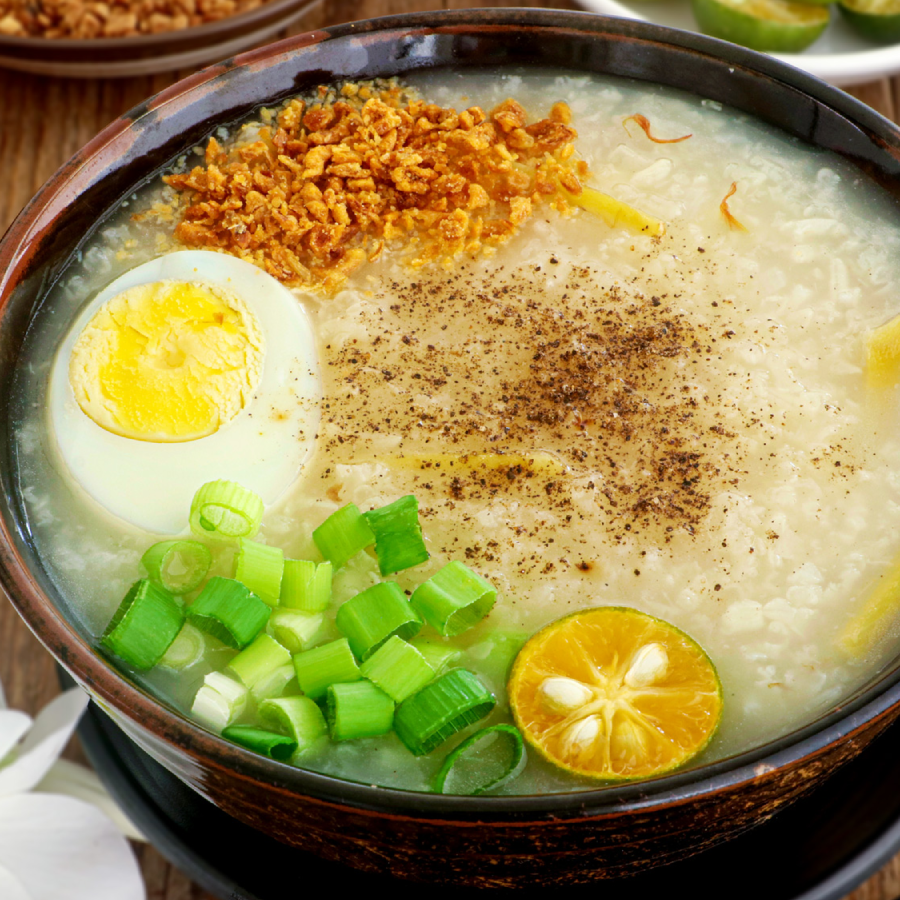
Food Overview: Plain rice porridge, a comforting and affordable street food, especially popular at night or early morning.
Main Ingredients: Rice, water or broth, ginger, garlic, scallions.
Preparation Method: Simmer rice in broth until it reaches a porridge consistency, then garnish.
Estimated Startup Cost: ₱3,000–₱6,000 (pot, burner, stall setup).
Estimated Selling Price: ₱15–₱25 per bowl.
Business Potential: High — filling, cheap, and in steady demand year-round.
29. Arroz Caldo
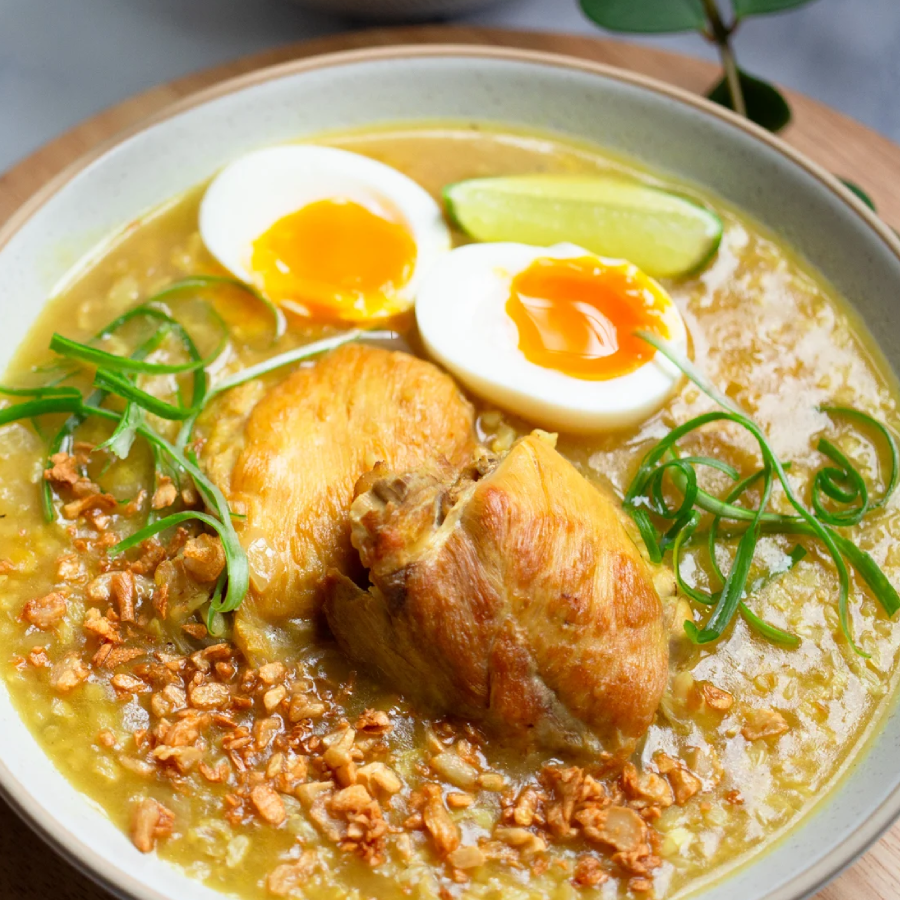
Food Overview: A richer rice porridge cooked with chicken, ginger, and garlic.
Main Ingredients: Rice, chicken, ginger, garlic, fish sauce, calamansi, boiled egg, scallions.
Preparation Method: Sauté the aromatics, simmer chicken and rice until thick, then garnish before serving.
Estimated Startup Cost: ₱4,000–₱7,000.
Estimated Selling Price: ₱25–₱40 per bowl.
Business Potential: High — a popular breakfast and rainy-day comfort food.
30. Lugaw with Tokwa’t Baboy
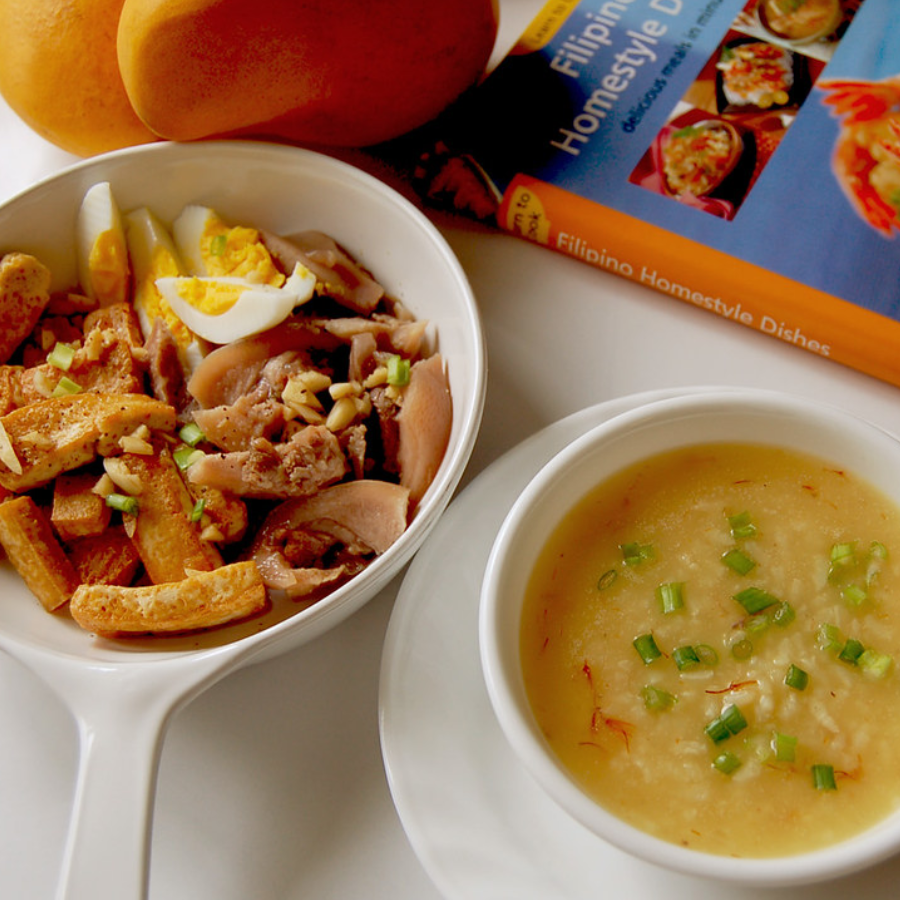
Food Overview: Plain lugaw paired with tofu and pork in a soy-vinegar sauce as a side dish.
Main Ingredients: Rice porridge base, fried tofu, boiled pork, soy sauce, vinegar, onions, chili.
Preparation Method: Prepare the lugaw and tokwa’t baboy separately, then serve together.
Estimated Startup Cost: ₱4,500–₱8,000.
Estimated Selling Price: ₱35–₱50 per combo.
Business Potential: High — combo pricing increases the average transaction value.
31. Batchoy
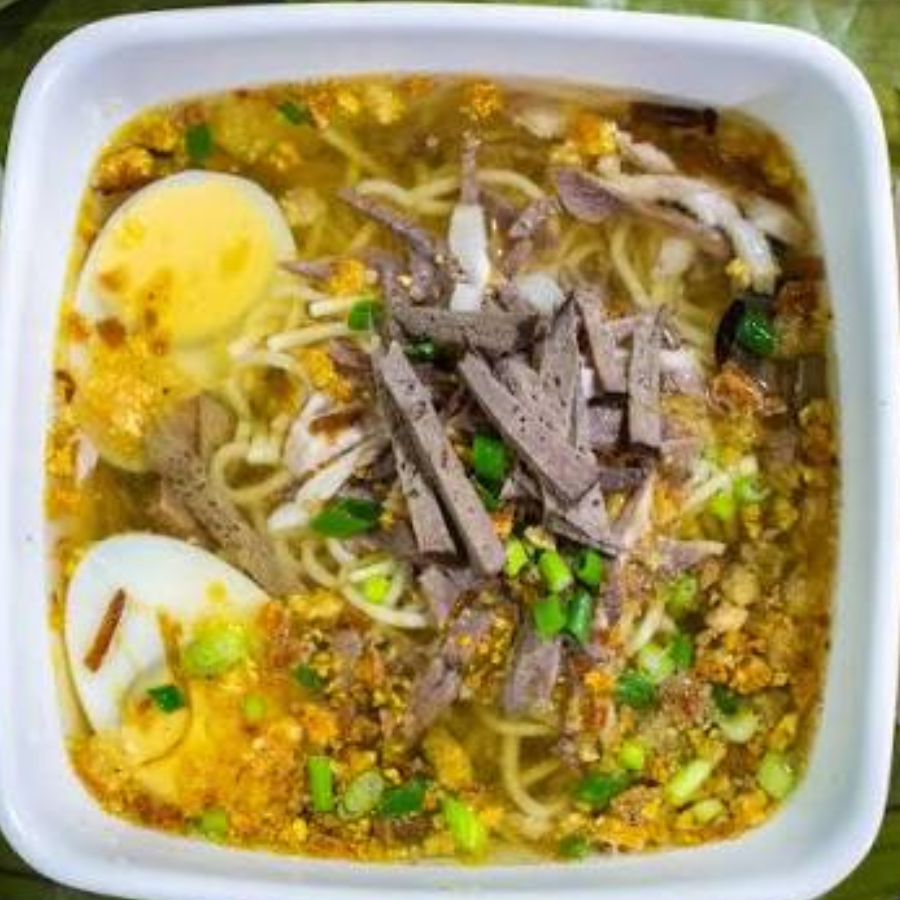
Food Overview: A Visayan noodle soup made with pork, liver, and crushed chicharon.
Main Ingredients: Egg noodles (miki), pork offal, liver, chicharon, garlic oil, broth.
Preparation Method: Prepare a rich broth, assemble noodles and toppings, then top with crushed chicharon.
Estimated Startup Cost: ₱5,000–₱9,000.
Estimated Selling Price: ₱40–₱60 per bowl.
Business Potential: High — a strong regional favorite, especially in Iloilo and beyond.
32. Pancit Canton Street Style
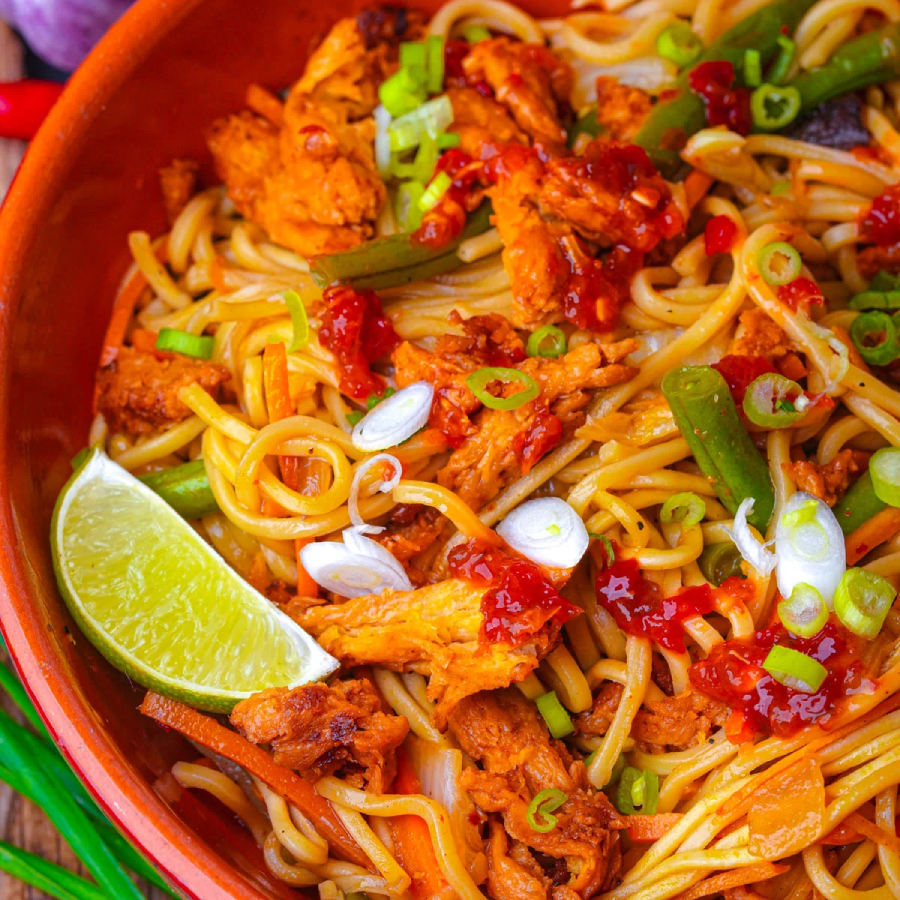
Food Overview: Stir-fried wheat noodles with vegetables and meat, sold in small servings.
Main Ingredients: Canton noodles, mixed vegetables, pork or chicken, soy sauce.
Preparation Method: Stir-fry the noodles with sauce and toppings.
Estimated Startup Cost: ₱4,000–₱7,000.
Estimated Selling Price: ₱20–₱35 per serving.
Business Potential: High — filling and versatile, commonly sold at food parks and bazaars.
33. Pancit Bihon
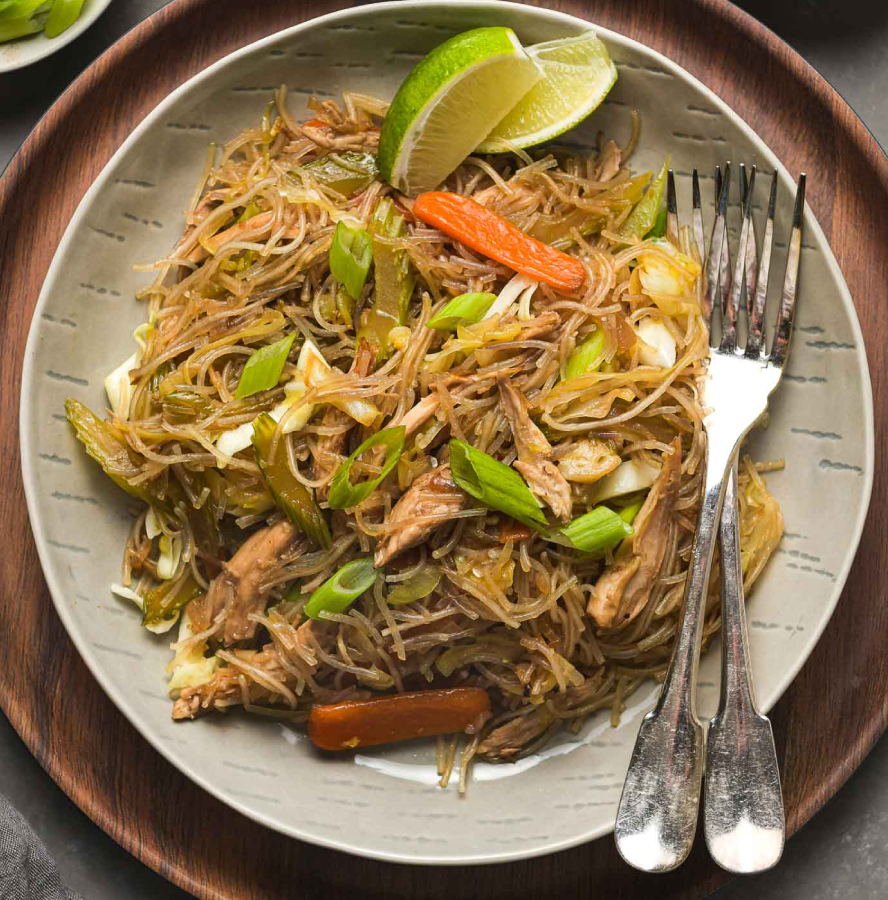
Food Overview: Stir-fried rice noodles, lighter than pancit canton, often mixed with vegetables and meat.
Main Ingredients: Rice noodles (bihon), vegetables, chicken or pork, soy sauce.
Preparation Method: Soak the noodles, then stir-fry with toppings and sauce.
Estimated Startup Cost: ₱4,000–₱7,000 (can share equipment with pancit canton).
Estimated Selling Price: ₱20–₱35 per serving.
Business Potential: High — a popular alternative noodle dish for variety.
34. Shawarma (Filipino Style)
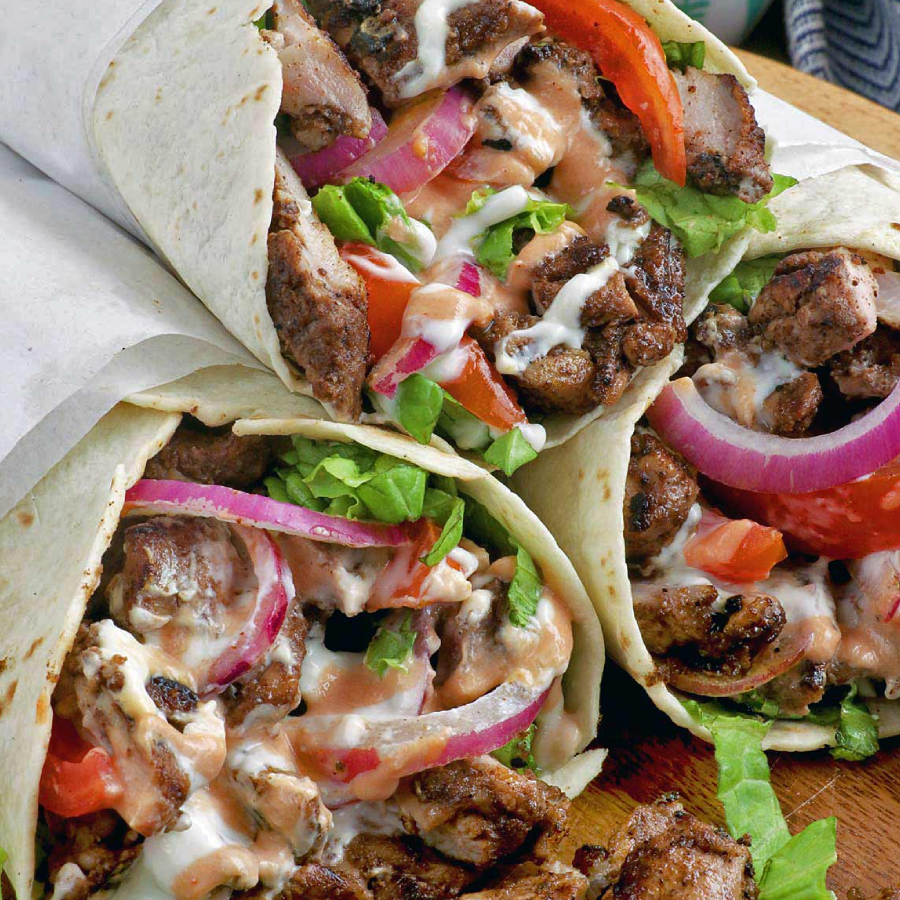
Food Overview: A Middle Eastern-inspired wrap adapted with local flavors, hugely popular as street food.
Main Ingredients: Shredded chicken or beef, pita or tortilla wrap, garlic-mayo sauce, vegetables.
Preparation Method: Marinate and grill the meat on a spit or pan, then wrap with sauce and vegetables.
Estimated Startup Cost: ₱8,000–₱15,000 (rotisserie or grill setup, ingredients).
Estimated Selling Price: ₱40–₱70 per wrap.
Business Potential: Very high — a filling meal-replacement snack with strong nationwide demand.
35. Burger Stand
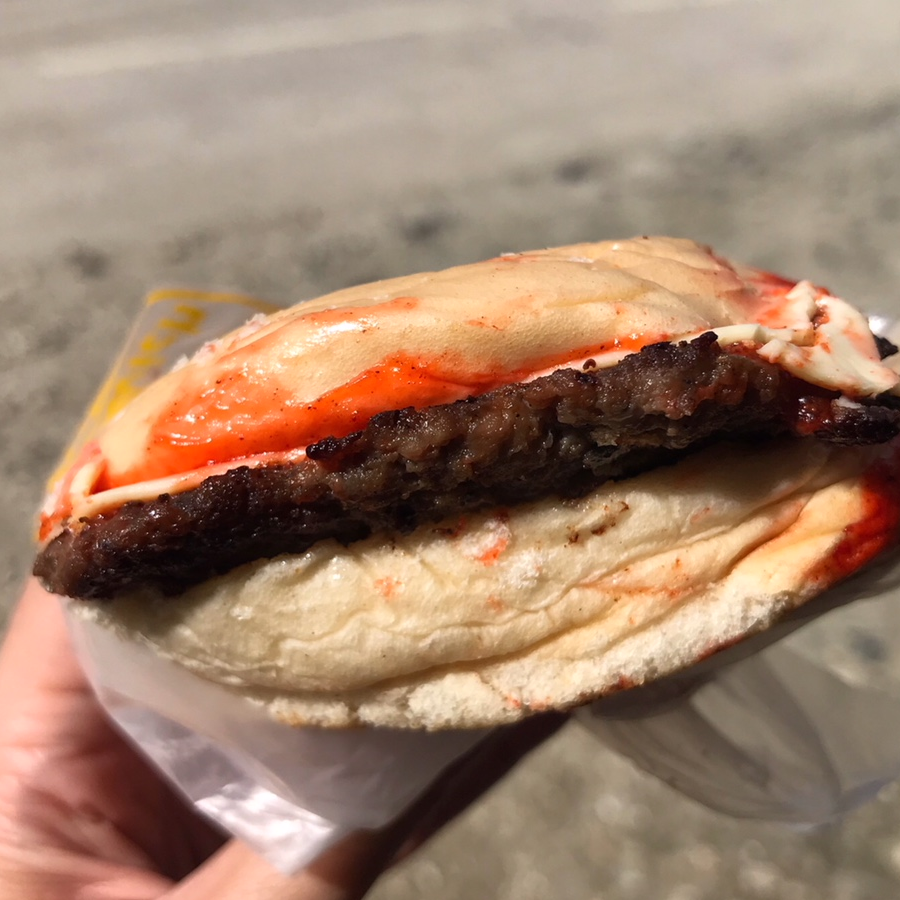
Food Overview: Simple street-side burger stalls, commonly known as “burger machine” stands.
Main Ingredients: Burger patties, buns, cheese, condiments.
Preparation Method: Grill the patty and assemble with bun and toppings.
Estimated Startup Cost: ₱10,000–₱20,000 (griddle, cart, ingredients).
Estimated Selling Price: ₱25–₱40 per burger.
Business Potential: High — especially strong near schools and offices during late-night hours.
36. Hotdog on Stick
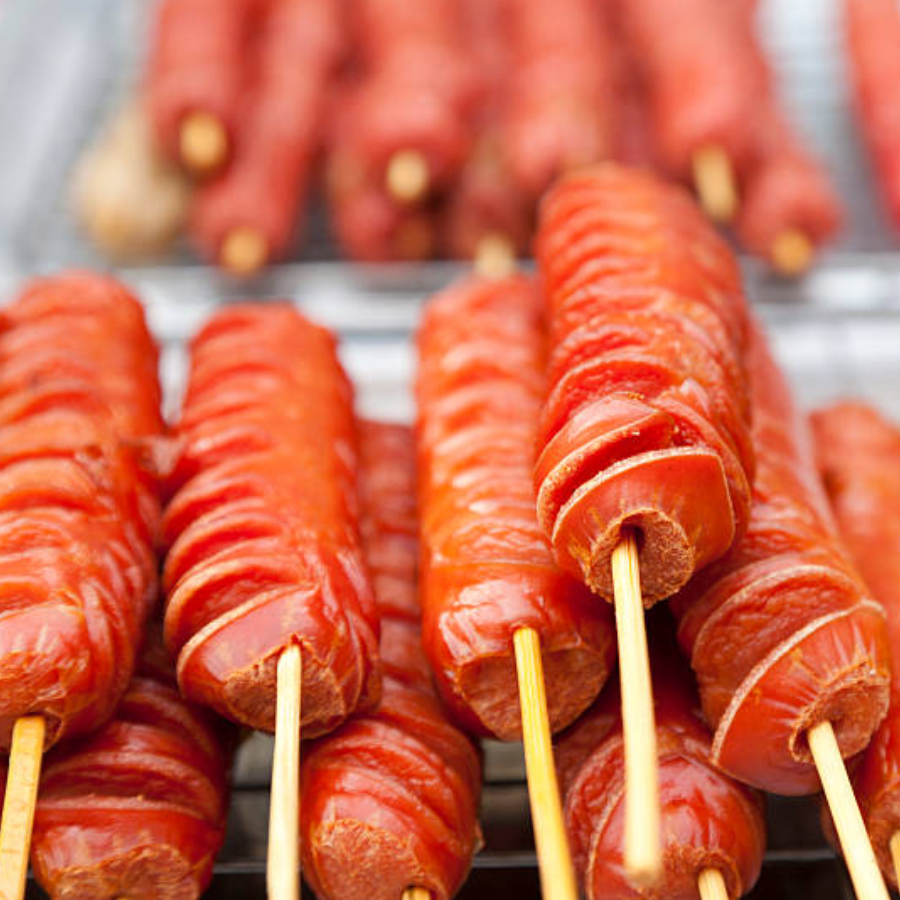
Food Overview: A deep-fried or grilled hotdog on a skewer, sometimes battered like a corn dog.
Main Ingredients: Hotdogs, skewers, optional batter.
Preparation Method: Grill or deep-fry, skewer, and serve with ketchup or banana sauce.
Estimated Startup Cost: ₱2,500–₱5,000.
Estimated Selling Price: ₱15–₱25 per stick.
Business Potential: High — kid-friendly and quick to prepare.
37. Corn in a Cup
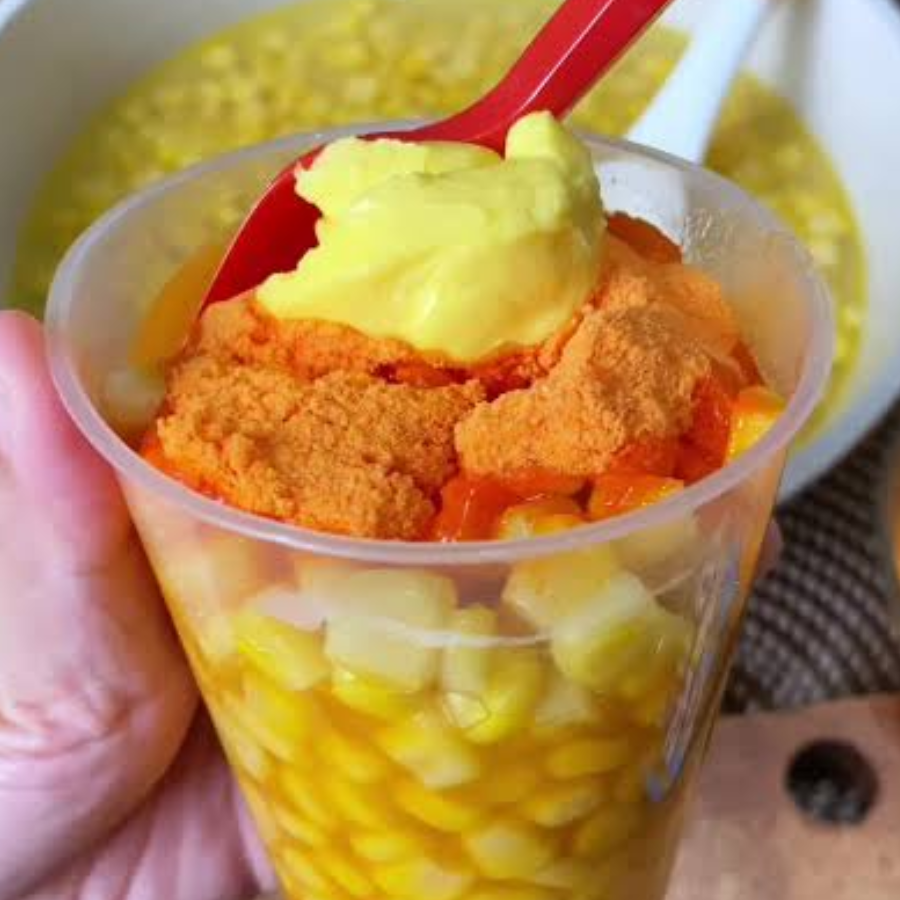
Food Overview: Boiled or steamed corn kernels served in a cup with butter, cheese, and mayo.
Main Ingredients: Sweet corn, butter, cheese, mayonnaise.
Preparation Method: Boil or steam the corn, cut off the kernels, mix with toppings, and serve in a cup.
Estimated Startup Cost: ₱3,000–₱5,000.
Estimated Selling Price: ₱25–₱40 per cup.
Business Potential: Good — popular at malls, fairs, and food parks.
38. Dirty Ice Cream

Food Overview: Homemade ice cream sold from a colorful cart, nicknamed for its street-vendor origins.
Main Ingredients: Milk, sugar, flavorings (ube, cheese, chocolate), cone or cup.
Preparation Method: Churn the ice cream mixture, then scoop and serve.
Estimated Startup Cost: ₱8,000–₱15,000 (ice cream cart/freezer, ingredients).
Estimated Selling Price: ₱15–₱25 per scoop.
Business Potential: High — especially strong in hot weather and near schools.
39. Sorbetes Sandwich
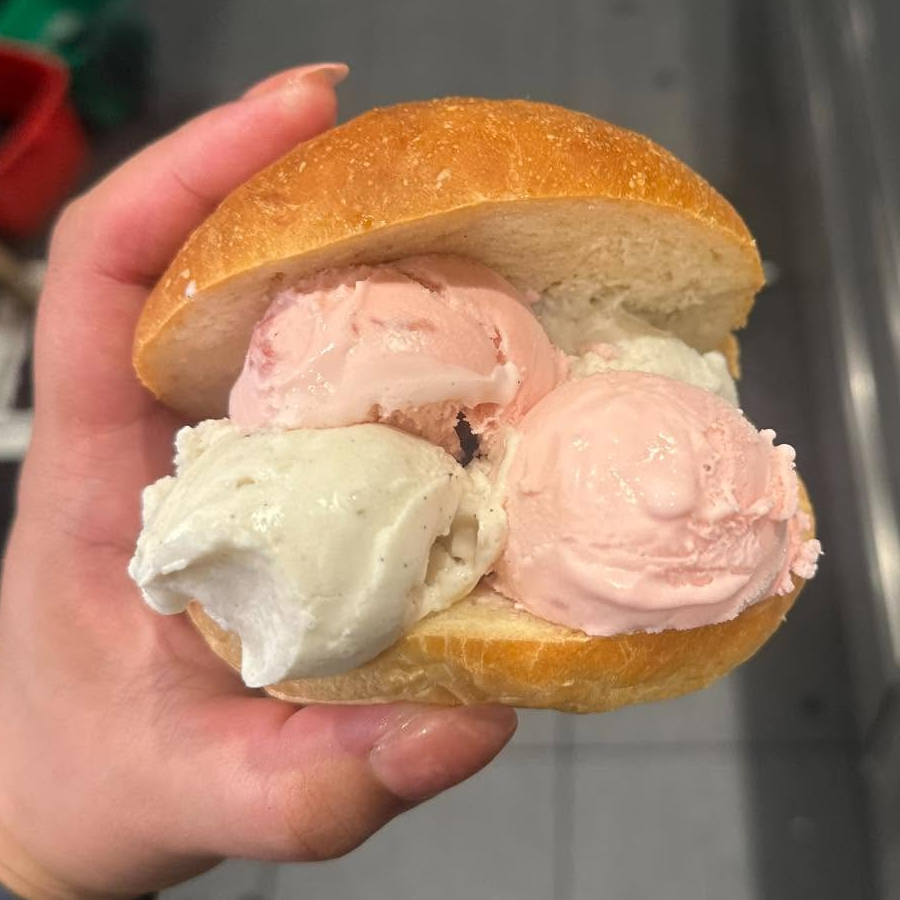
Food Overview: Dirty ice cream served between slices of bread instead of a cone, a budget favorite among students.
Main Ingredients: Sorbetes (Filipino ice cream), sliced bread.
Preparation Method: Scoop the ice cream between two slices of bread.
Estimated Startup Cost: ₱8,000–₱15,000 (shared with a dirty ice cream cart).
Estimated Selling Price: ₱15–₱20 per sandwich.
Business Potential: Moderate to high — a budget-friendly twist especially popular with students.
40. Halo-Halo Stall
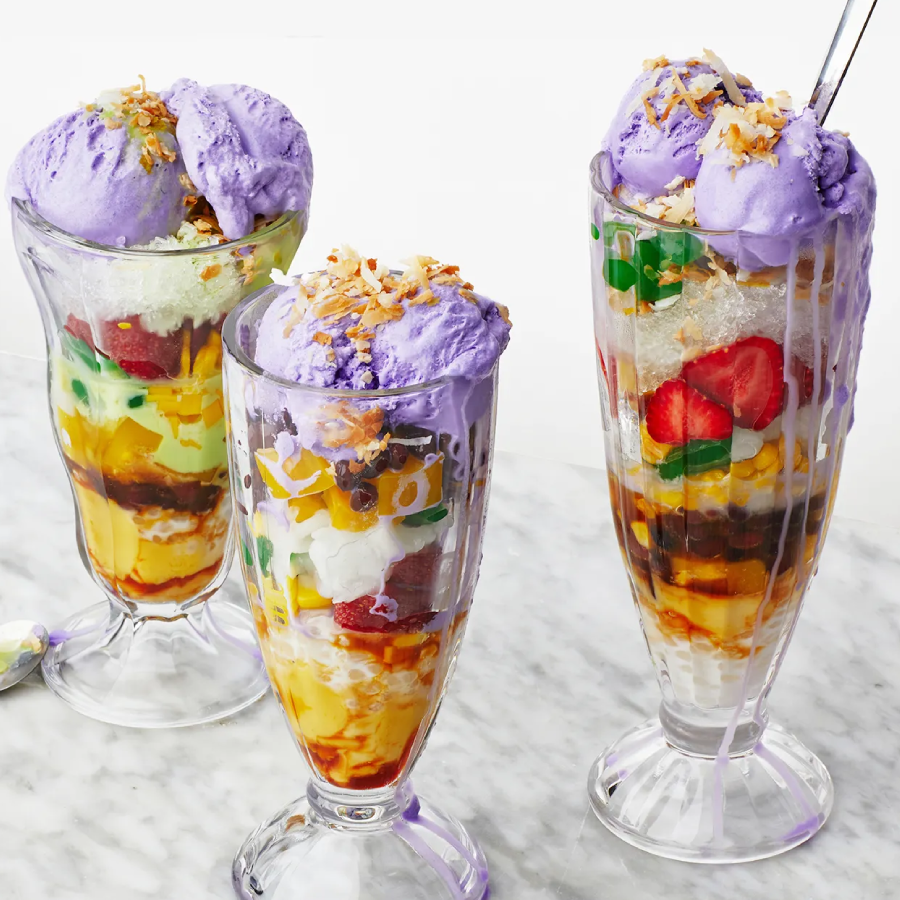
Food Overview: An iconic layered dessert with shaved ice, sweetened fruits, beans, leche flan, and ube.
Main Ingredients: Shaved ice, evaporated milk, sweetened beans, jackfruit, ube halaya, leche flan, sago.
Preparation Method: Layer the ingredients in a glass, top with shaved ice and milk, then garnish before serving.
Estimated Startup Cost: ₱6,000–₱12,000 (ice shaver, containers, varied ingredients).
Estimated Selling Price: ₱40–₱70 per serving.
Business Potential: Very high — especially strong during the hot season, with a strong repeat customer base.
Filipino Street Food by Category
Grilled Street Food
Isaw (Chicken and Pork), Betamax, Adidas, Helmet, and Walkman all fall under grilled street food — skewered items cooked over charcoal, typically enjoyed as pulutan or an evening snack.
Fried Street Food
Fish Balls, Squid Balls, Kikiam, Chicken Balls, Tempura, Proven, Tokneneng, Kwek-Kwek, Lumpiang Togue, Lumpiang Shanghai on Stick, Dynamite Lumpia, and Banana Chips make up the deep-fried category, the largest and most widely available group of Filipino street snacks.
Sweet Street Food
Banana Cue, Kamote Cue, Turon, Maruya, and Carioca represent the caramelized and sugar-coated snacks most associated with merienda time.
Rice Meals
Lugaw, Arroz Caldo, and Lugaw with Tokwa’t Baboy are hearty rice-based dishes often sold as light meals rather than quick snacks.
Noodle-Based Street Food
Batchoy, Pancit Canton Street Style, and Pancit Bihon offer filling noodle options that work well as a full meal replacement on busy days.
Cold Desserts
Dirty Ice Cream, Sorbetes Sandwich, and Halo-Halo Stall are the go-to cooling treats, especially in demand during the hot summer months.
Regional Street Food Favorites
Batchoy is closely tied to Iloilo and the Visayas, while balut is strongly associated with Pateros and nearby Rizal towns. Many regions also put their own spin on staples like siomai, siopao, and grilled skewers, giving otherwise nationwide snacks a distinct local character.
Modern Filipino Street Food Ideas
Cheese-Stuffed Fish Balls
A gooey cheese filling turns the classic fish ball into a more indulgent snack, appealing especially to younger customers willing to pay a slightly higher price.
Salted Egg Street Food
Salted egg (itlog na maalat) sauce drizzled over fish balls, chicken skin, or fries has become one of the most popular flavor trends in recent years.
Korean-Inspired Street Food
Tteokbokki-style rice cakes, Korean corn dogs, and gochujang-glazed skewers bring a trendy fusion twist to traditional street food carts.
Spicy Challenge Street Food
Extra-spicy versions of isaw, fish balls, or noodles marketed as a “challenge” tap into social media trends and encourage customers to film and share their reactions.
Loaded Street Food Platters
Loaded fries or noodles topped with cheese, bacon bits, and multiple sauces are sold as shareable platters, ideal for food parks and group orders.
Premium Street Food Combos
Bundling classic items — isaw, rice, and a drink, for example — at a fixed price improves perceived value and encourages larger orders.
Healthy Street Food Alternatives
Air-fried versions, whole wheat wrappers, and grilled instead of deep-fried preparations appeal to health-conscious customers without abandoning familiar flavors.
Vegan Filipino Street Food
Mushroom-based “isaw,” tofu kwek-kwek, vegetable lumpia, and plant-based siomai made with jackfruit or mushrooms open street food up to a growing vegan and vegetarian market.
Filipino Street Food Ideas for Different Occasions
School Canteens
Quick, affordable items like fish balls, banana cue, and siomai suit tight student budgets and short recess periods.
Night Markets
Isaw, betamax, balut, and shawarma thrive in the evening foot traffic and social dining atmosphere typical of night markets.
Food Parks
Modern stalls offering loaded platters, fusion snacks, and visually appealing presentation tend to attract younger, social media–savvy crowds.
Weekend Bazaars
Small-batch or gourmet twists — specialty sauces, limited flavors, or unique packaging — do particularly well with bazaar shoppers looking for something new.
Fiesta Celebrations
Larger-batch items like turon, halo-halo, and pancit are staples for community gatherings and fiesta spreads.
Corporate Events
Catered versions of siomai, siopao, and mini burgers, packaged for easy handling, work well for office snacking and team events.
Birthday Parties
Kiddie favorites like hotdog on stick, burger stands, and ice cream carts are popular choices for children’s parties.
Mobile Food Carts
Items that require minimal setup — fish balls, banana cue, and corn in a cup — are best suited for mobile carts that need to relocate quickly.
How to Start a Filipino Street Food Business
Choose the Right Street Food
Consider local competition, ingredient availability, and your own cooking skill or interest when deciding which item to sell first.
Estimate Your Startup Budget
Factor in cart or equipment costs, initial ingredient stock, permits, and a buffer to cover slower sales days while the business gets established.
Buy Quality Equipment
Durable fryers, grills, and carts reduce downtime and repair costs over the long run, even if they cost more upfront.
Source Fresh Ingredients
Build relationships with reliable palengke vendors or wholesale suppliers to ensure consistent quality and better bulk pricing.
Create a Signature Sauce
A distinctive sauce — a spicy vinegar, a sweet-and-sour blend, or a garlic mayo — can set a stall apart from others selling the same base item.
Obtain Business Permits
Register with the barangay, secure a business permit and sanitary permit, and complete BIR registration if required for your setup.
Practice Proper Food Safety
Maintain clean prep areas, proper storage temperatures, and hygienic handling practices to build customer trust and avoid health issues.
Find the Best Selling Location
High-traffic areas near schools, offices, markets, or transport terminals maximize visibility and daily sales volume.
How Much Capital Do You Need?
Home-Based Street Food Stall
₱2,000–₱5,000, typically cooking from home and selling to neighbors or through social media pre-orders.
Food Cart Business
₱15,000–₱40,000 depending on cart design and equipment, well-suited for mall or commercial area setups.
Small Kiosk
₱30,000–₱80,000 for a semi-permanent stall, often with basic seating or shelter.
Mobile Street Food Cart
₱5,000–₱15,000 for a push cart or bicycle-mounted setup — more affordable and flexible than a stationary kiosk.
Permanent Street Food Store
₱100,000 and up for a small storefront, covering rent, renovations, and full kitchen equipment.
Marketing Tips for a Street Food Business
Create a Memorable Brand
A catchy name, simple logo, and consistent look help customers remember and recommend your stall to others.
Offer Combo Meals
Bundling items at a slight discount increases the average order value per customer.
Introduce Limited-Time Flavors
Seasonal or trendy flavor variants create urgency and give customers a reason to keep coming back.
Promote on Facebook and TikTok
Short videos of sizzling food or a satisfying prep process tend to attract local attention and get shared organically.
Encourage Customer Reviews
Positive word-of-mouth and online reviews build credibility quickly, especially important for a newly opened stall.
Partner With Food Delivery Apps
Listing on platforms like GrabFood or Foodpanda extends your reach well beyond walk-in customers.
Offer Loyalty Cards
Simple punch cards or app-based points reward repeat customers and encourage habitual purchases.
Common Mistakes to Avoid
Choosing the Wrong Location
Low foot traffic or heavy nearby competition can undermine sales regardless of how good the food is.
Inconsistent Food Quality
Varying taste or portion size between visits damages customer trust and discourages repeat business.
Poor Hygiene Practices
Visible uncleanliness discourages customers and risks violating local health and sanitation codes.
Overpricing
Setting prices far above nearby competitors without offering added value will drive customers elsewhere.
Limited Menu Variety
A menu that’s too narrow can cap both customer interest and the average transaction size.
Poor Customer Service
Slow or unfriendly service can undercut an otherwise excellent product, especially in a competitive street food scene.
Frequently Asked Questions
What is the most popular Filipino street food?
Fish balls, isaw, and balut are among the most widely recognized Filipino street foods, though popularity can vary by region and setting.
Which Filipino street food is the most profitable?
Items with low ingredient cost and high sales volume — such as fish balls, isaw, and siomai — tend to offer some of the strongest profit margins.
How much capital is needed to start a street food business?
Costs range widely, from around ₱2,000–₱5,000 for a simple home-based setup to well over ₱100,000 for a permanent storefront.
What permits are required for a street food stall?
Most vendors need a barangay clearance, business permit, and sanitary permit, with BIR registration also required in many cases. Requirements vary by city or municipality.
What street food sells the fastest?
Quick, grab-and-go items like fish balls, banana cue, and siomai typically move fastest thanks to their short prep time and low price point.
How can I make my street food business stand out?
A signature sauce, consistent quality, creative branding, and an active social media presence are some of the most effective ways to differentiate a stall from competitors.
Is selling Filipino street food a good business?
For many entrepreneurs, yes — it offers a relatively low barrier to entry, steady year-round demand, and room to grow into a larger food business over time.
Bottom Line
Filipino Street Food Offers Delicious, Affordable Meals and Endless Business Opportunities for Aspiring Food Entrepreneurs
From the humble fish ball to a fully loaded halo-halo, Filipino street food reflects the creativity, resourcefulness, and communal spirit of everyday Filipino life. For consumers, it offers an affordable and flavorful way to eat throughout the day. For aspiring entrepreneurs, it offers a genuinely low-cost entry point into the food business, with room to grow from a single cart into a larger, more established venture. With the right food choice, consistent quality, smart location, and a bit of creative marketing, a street food stall can become both a beloved neighborhood fixture and a sustainable source of income.