

Alampay: Meaning, Outfit Ideas, Filipiniana Styles, and How to Wear It
The alampay is one of the most recognizable pieces of traditional Filipino clothing, yet many people are unsure exactly what it is, how it’s worn, or why it remains such an important part of Filipiniana fashion. At its core, the alampay is a decorative shawl — also known as a pañuelo — that is draped over the shoulders and worn with Filipiniana attire such as the baro’t saya, Maria Clara gown, or terno.
Traditionally, the alampay was a staple of formal Filipino dress, worn during church services, festivals, and special family occasions. Today, its role has expanded well beyond that. Modern alampay designs now appear at graduations, weddings, cultural pageants, corporate events, and even everyday fashion-forward outfits that reinterpret Filipiniana elements for contemporary wear.
This guide covers everything you need to know about the alampay — its meaning and history, how it differs from (and relates to) the pañuelo, its English translation, the fabrics and embroidery styles used to make it, 25 outfit ideas for different occasions, practical styling and draping techniques, care tips, and even business opportunities tied to the growing Filipiniana fashion industry.
Key Takeaways
- The alampay is a traditional Filipino shawl often paired with Filipiniana dresses and baro’t saya.
- The terms alampay and pañuelo are closely related, although their usage may vary depending on the garment and historical context.
- Modern alampay designs combine traditional craftsmanship with contemporary fashion.
- Alampays are commonly worn for graduations, weddings, cultural celebrations, and formal events.
- Choosing the right fabric, color, and style enhances the overall Filipiniana look.
Table of Contents
What Is an Alampay?
An alampay is a triangular or rectangular piece of cloth worn draped over the shoulders as part of traditional Filipino women’s clothing. It is typically made from lightweight, breathable fabric and is often embellished with embroidery, lace trim, or beadwork. The alampay is not a standalone garment — it is a complementary piece designed to be worn over a blouse or dress, most commonly the baro’t saya.
History of the Alampay
The alampay traces its roots to the Spanish colonial period in the Philippines, when Filipino women adapted European-influenced clothing to local climate and culture. Shawl-like garments were common across many cultures at the time, but Filipino artisans developed their own versions using native fibers such as piña and jusi, paired with embroidery techniques passed down through generations. Over the centuries, the alampay evolved alongside the baro’t saya and Maria Clara gown, becoming a defining feature of what is now recognized as the Filipiniana silhouette.
Importance in Filipino Culture
Beyond its decorative function, the alampay carries cultural weight. It represents modesty, elegance, and heritage, and it is frequently worn during events that celebrate Filipino identity — Independence Day programs, cultural festivals, and traditional dances such as the Rigodon de Honor. For many Filipino families, an heirloom alampay passed down from a grandmother or mother carries sentimental value that goes beyond fashion.
Traditional vs. Modern Alampay
Traditional alampays tend to be made of natural fibers like piña or jusi, hand-embroidered, and worn in the classic draped-over-the-shoulders style. Modern alampays, by contrast, may use synthetic blends, bolder colors, simplified silhouettes, or asymmetrical draping to suit contemporary fashion sensibilities. Many designers now create alampay-inspired pieces that can be worn with non-Filipiniana outfits, such as cocktail dresses or modern gowns, blending heritage with versatility.
What Is a Pañuelo?
Definition of a Pañuelo
A pañuelo (Spanish for “handkerchief” or “kerchief”) refers to the same type of shoulder covering as the alampay. It is a piece of fabric, often stiffened or starched in traditional versions, that sits over the shoulders and is sometimes pinned or tucked at the front or back of a Filipiniana outfit.
Difference Between an Alampay and a Pañuelo
While the two terms are frequently used to describe the same garment, some regional and historical distinctions exist. “Pañuelo” is the more formal, Spanish-derived term historically used in written records and by older generations, while “alampay” is often considered the more casual or Tagalog-rooted term for the everyday version of the shawl. In some regions, a pañuelo is associated with the more structured, stiffly starched shoulder piece worn with the Maria Clara gown, while an alampay may refer to a softer, more relaxed drape worn with the simpler baro’t saya.
Why the Terms Are Often Used Interchangeably
Because both garments serve the same purpose and occupy the same place on a Filipiniana outfit, most modern speakers — including dressmakers, event stylists, and even fashion retailers — use “alampay” and “pañuelo” interchangeably. Unless you are researching historical costume terminology, it is generally safe to treat the two words as synonyms in everyday conversation.
Alampay in English
English Translation of Alampay
There is no single one-word English translation for “alampay” that fully captures its cultural meaning. The closest translations are “shawl” or “shoulder wrap,” though these English terms lack the specific cultural and historical context tied to Filipiniana fashion.
Common English Terms Used
When English speakers or non-Filipino audiences ask about the alampay, it is commonly described using terms such as:
- Shawl
- Scarf
- Shoulder wrap
- Draped shoulder cloth
- Filipino shoulder scarf
When to Use “Shawl,” “Scarf,” or “Shoulder Wrap”
- Use “shawl” when describing the general garment to an international audience unfamiliar with Filipiniana terms.
- Use “scarf” only when referring to smaller, lighter versions, since a scarf typically implies a narrower piece of fabric.
- Use “shoulder wrap” when emphasizing how the alampay is worn and draped, particularly in styling or fashion-writing contexts.
What Is an Alampay Filipiniana?
Traditional Filipiniana Alampay
An “alampay Filipiniana” refers to the alampay as it is worn specifically as part of a full Filipiniana ensemble — typically paired with a baro’t saya, Maria Clara gown, or modern terno. In this context, the alampay is not an optional accessory but an essential component that completes the traditional silhouette.
Common Fabrics Used
Traditional Filipiniana alampays are most often made from piña (pineapple fiber), jusi (a lightweight silk-like fabric), or organza. These fabrics are prized for their sheer, delicate texture and their ability to hold intricate embroidery well.
Popular Embroidery Styles
Common embroidery styles include calado (an openwork or cutwork embroidery technique), floral motifs, and shadow work embroidery, where thread is stitched on the underside of sheer fabric to create a soft, shadow-like pattern visible from the front.
How It Completes a Filipiniana Outfit
The alampay adds volume, texture, and visual interest to the shoulders and upper body, balancing the silhouette of the butterfly sleeves often found on baro’t saya blouses. Without it, a Filipiniana outfit can look visually incomplete, since the alampay is designed to work in harmony with the sleeves and neckline of the ensemble.
25 Alampay Outfit Ideas
1. Traditional Baro’t Saya with Alampay
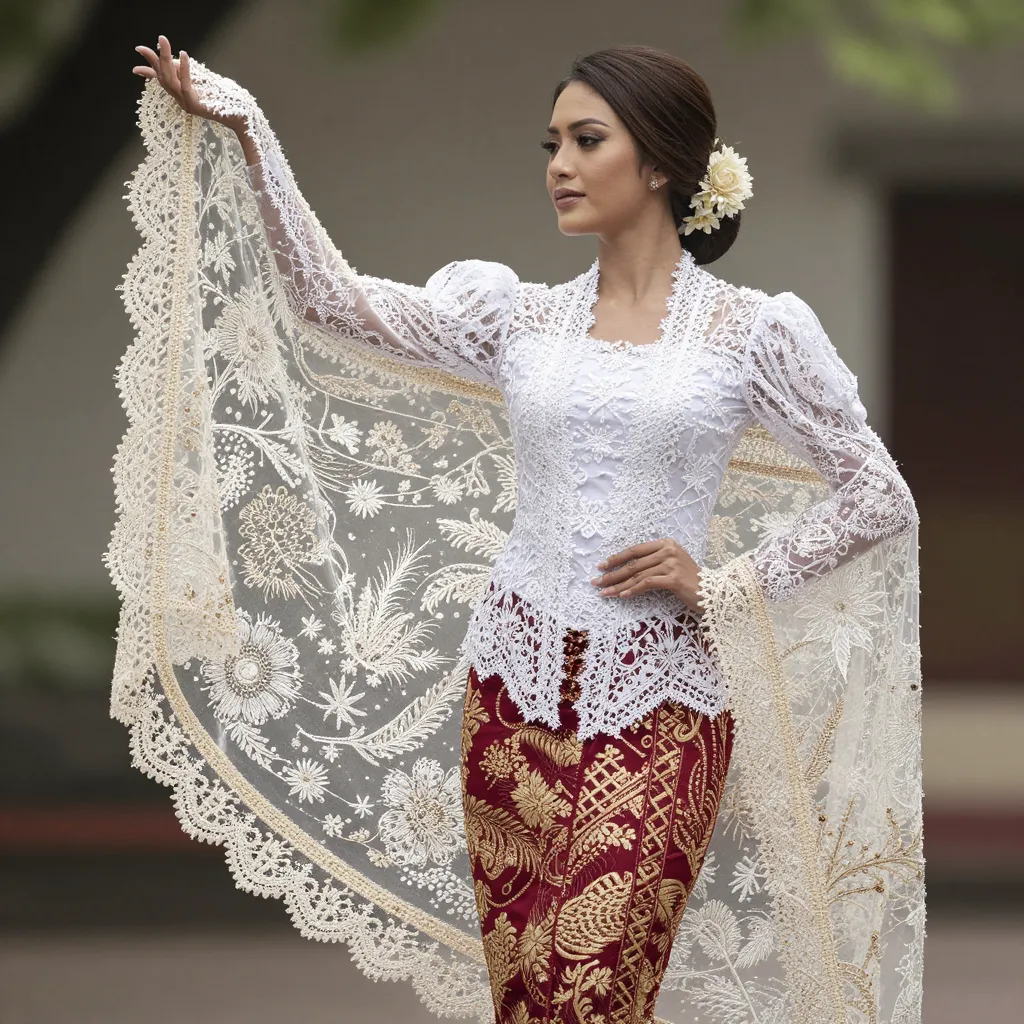
Outfit Overview: A classic combination featuring a piña or jusi blouse with butterfly sleeves, a matching long skirt, and a coordinating embroidered alampay draped over the shoulders.
Best Occasion: Cultural festivals, historical presentations, Independence Day events.
Recommended Accessories: Pearl earrings, a fan, comb accessories.
Styling Tips: Keep the alampay’s embroidery pattern consistent with the blouse for a cohesive, traditional look.
2. Modern Filipiniana Dress with Lace Alampay
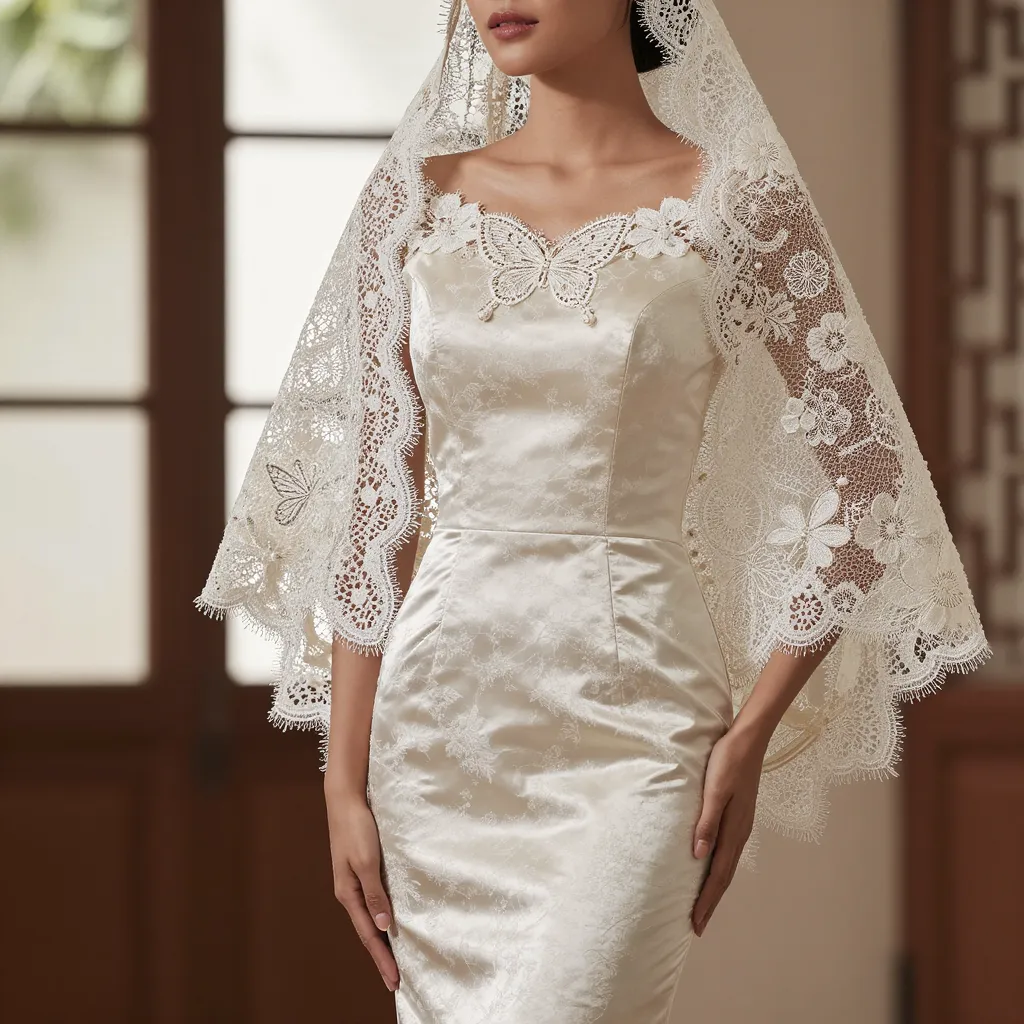
Outfit Overview: A fitted, modern Filipiniana dress paired with a lightweight lace alampay for a romantic, contemporary twist.
Best Occasion: Weddings, engagement parties, semi-formal events.
Recommended Accessories: Delicate gold jewelry, a small clutch.
Styling Tips: Let the lace alampay drape loosely off one shoulder for a soft, effortless silhouette.
3. Maria Clara-Inspired Outfit
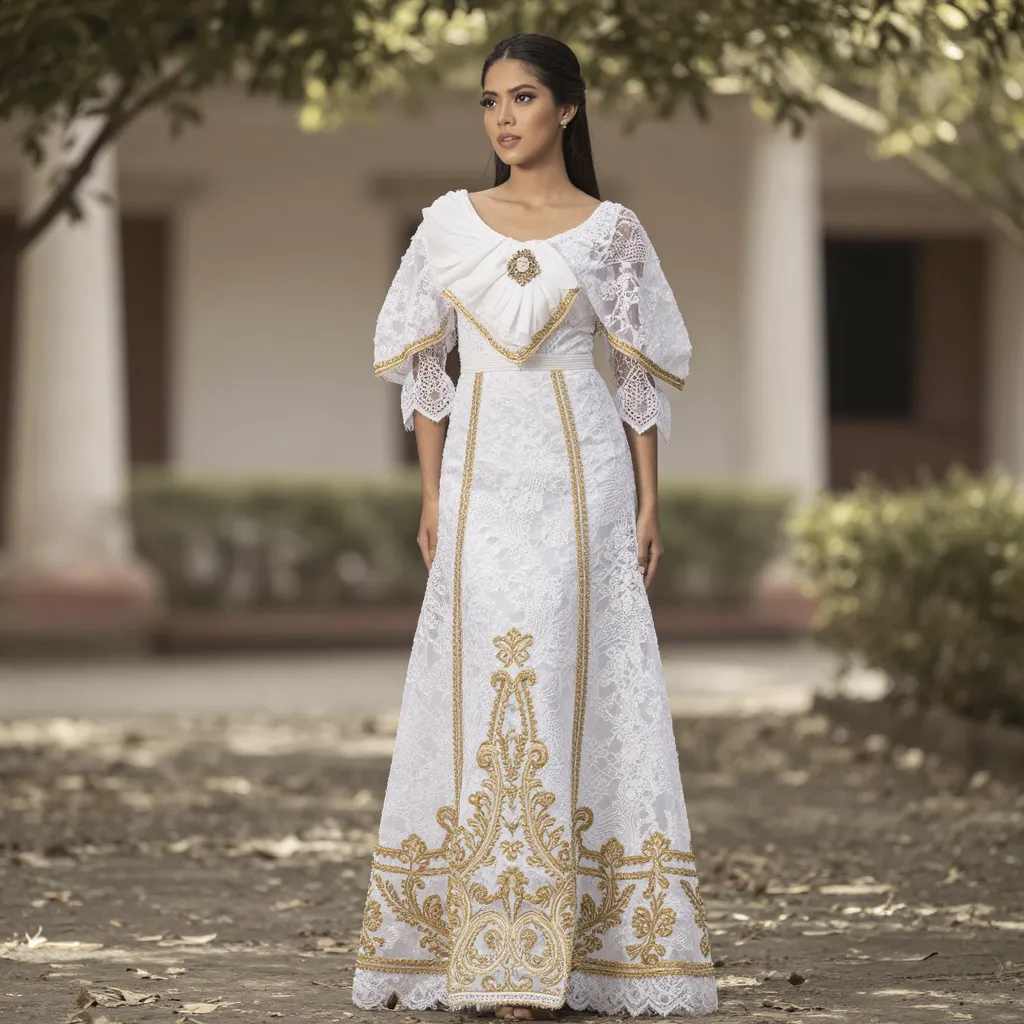
Outfit Overview: A structured Maria Clara gown with a stiffened pañuelo-style alampay pinned neatly at the chest.
Best Occasion: Formal cultural events, pageants, historical reenactments.
Recommended Accessories: A fan, statement earrings, a hair comb.
Styling Tips: Starch the alampay lightly to maintain its classic structured shape.
4. Minimalist Filipiniana Look
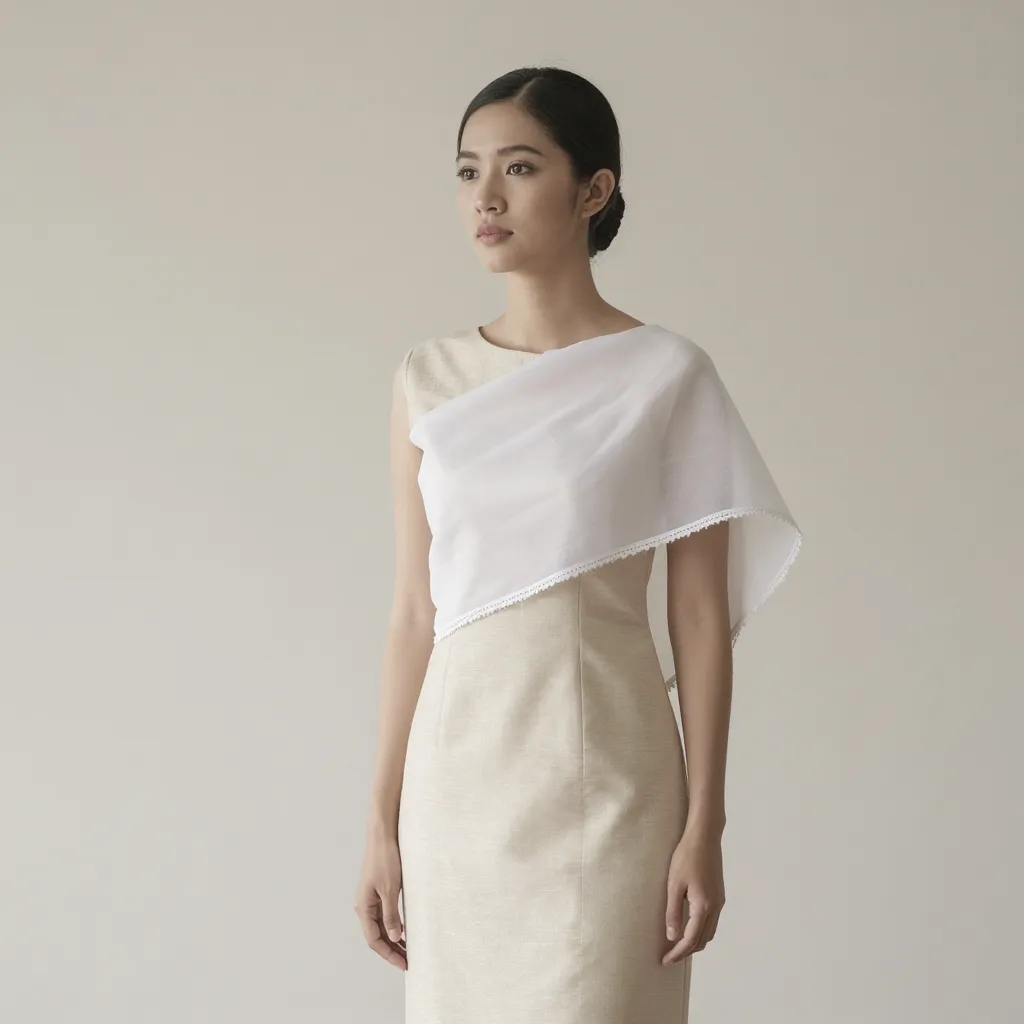
Outfit Overview: A simple, solid-colored Filipiniana dress with an unadorned or lightly trimmed alampay.
Best Occasion: Office events, simple ceremonies, everyday Filipiniana wear.
Recommended Accessories: Stud earrings, a slim watch.
Styling Tips: Choose a monochromatic palette to keep the overall look clean and modern.
5. Silk Alampay with Cocktail Dress
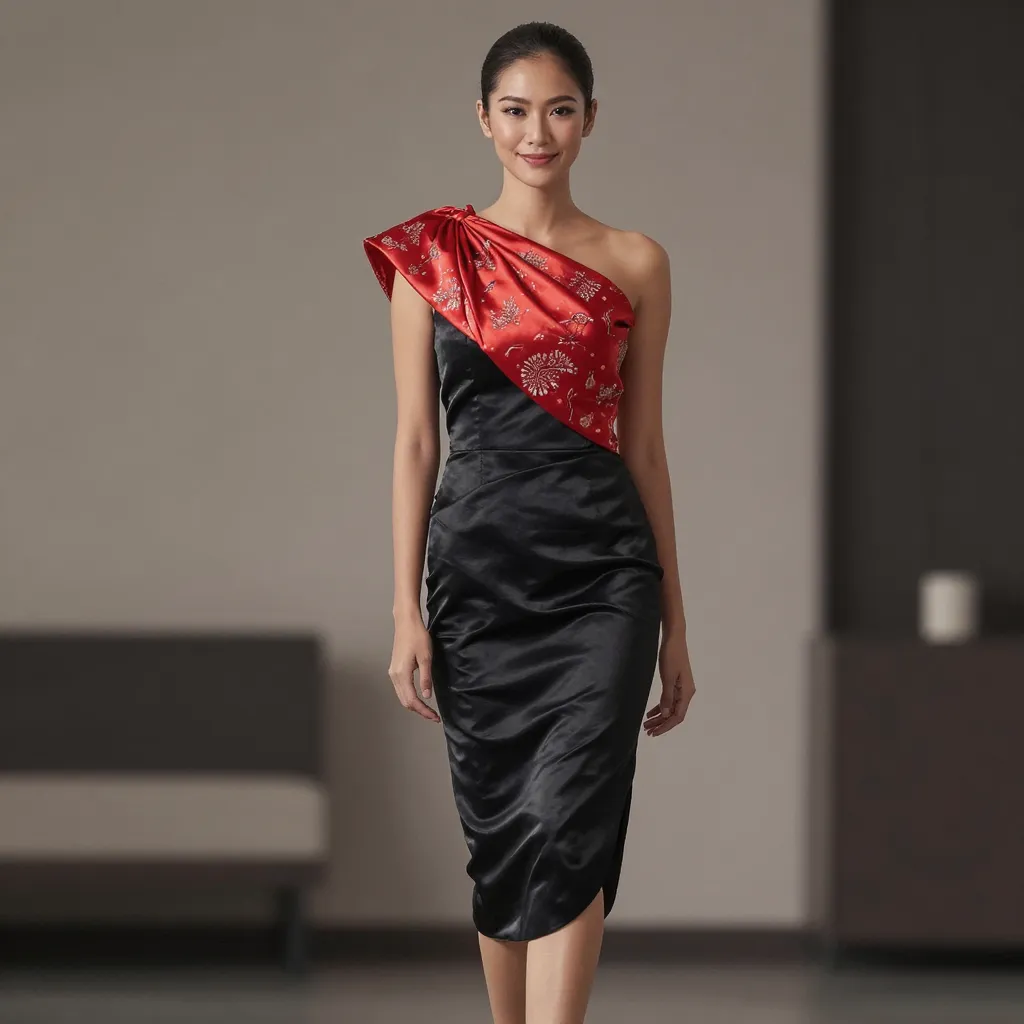
Outfit Overview: A modern cocktail dress paired unconventionally with a silk alampay for a Filipiniana-inspired fusion look.
Best Occasion: Semi-formal dinners, cultural-themed parties.
Recommended Accessories: Statement heels, a beaded clutch.
Styling Tips: Use a silk alampay in a contrasting color to make it a focal accent piece.
6. Linen Filipiniana Ensemble
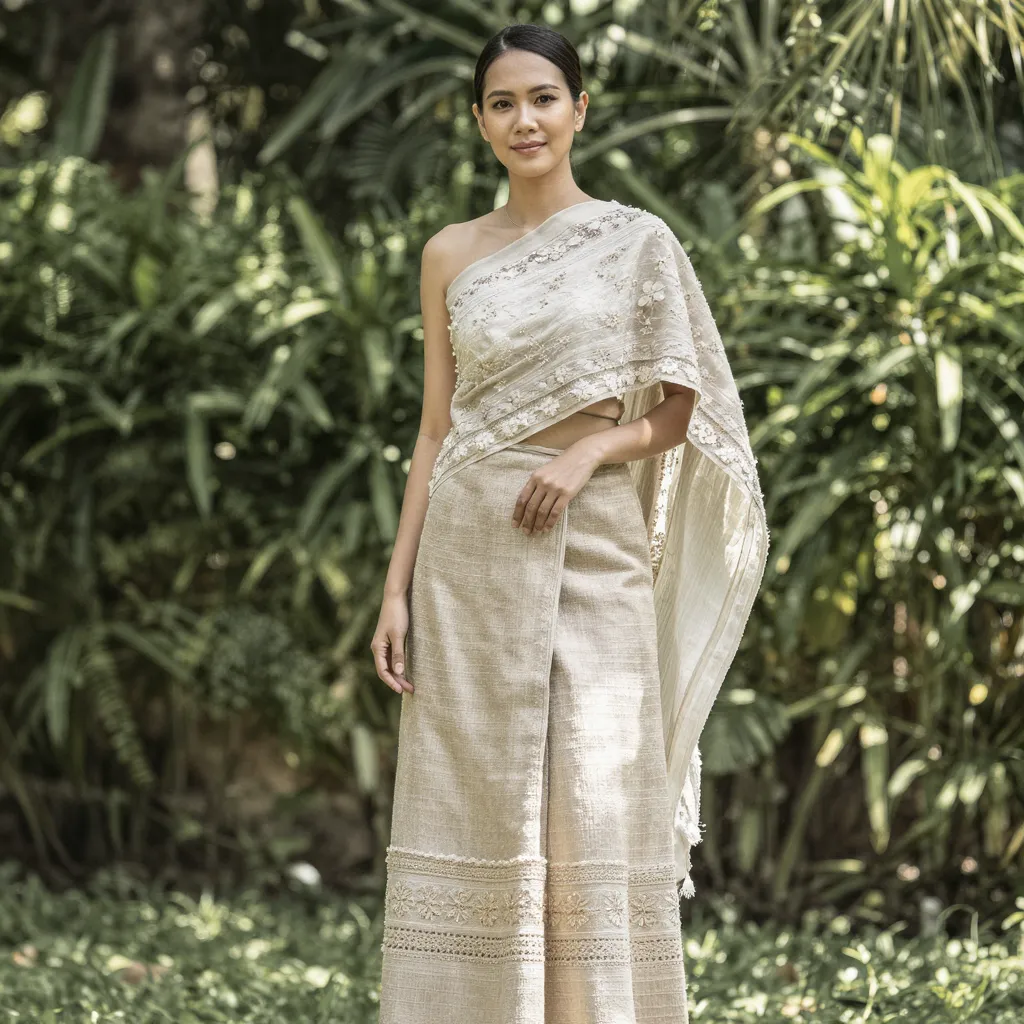
Outfit Overview: A breathable linen baro’t saya paired with a matching linen alampay, ideal for daytime or outdoor settings.
Best Occasion: Outdoor weddings, garden events, daytime festivals.
Recommended Accessories: Woven bag, simple sandals.
Styling Tips: Linen wrinkles easily, so choose a relaxed draping style rather than a tightly pinned one.
7. Office Filipiniana Attire
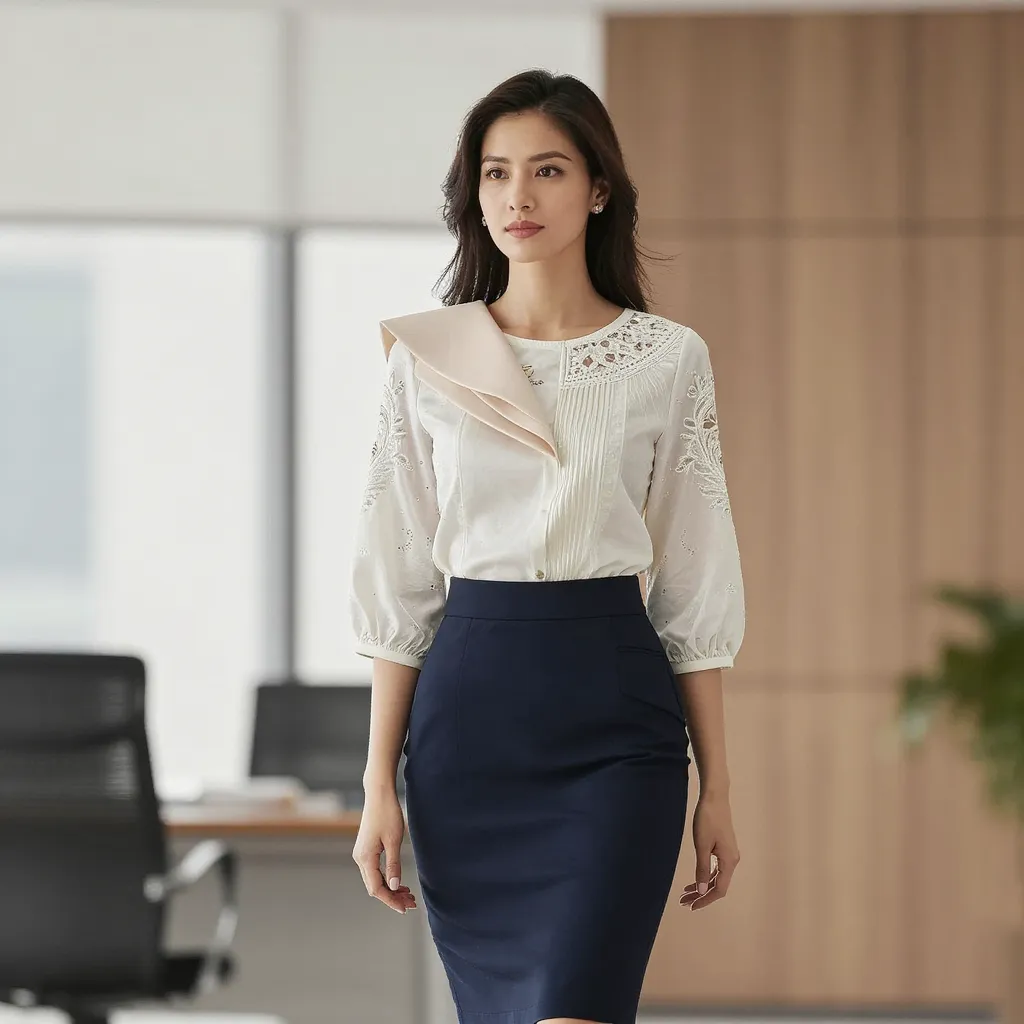
Outfit Overview: A tailored Filipiniana blouse and skirt or trousers combo with a compact, understated alampay.
Best Occasion: Corporate cultural days, workplace Filipiniana dress codes.
Recommended Accessories: Minimalist jewelry, closed-toe heels.
Styling Tips: Keep the alampay small and secured to avoid interfering with movement during work.
8. Pastel Filipiniana Outfit
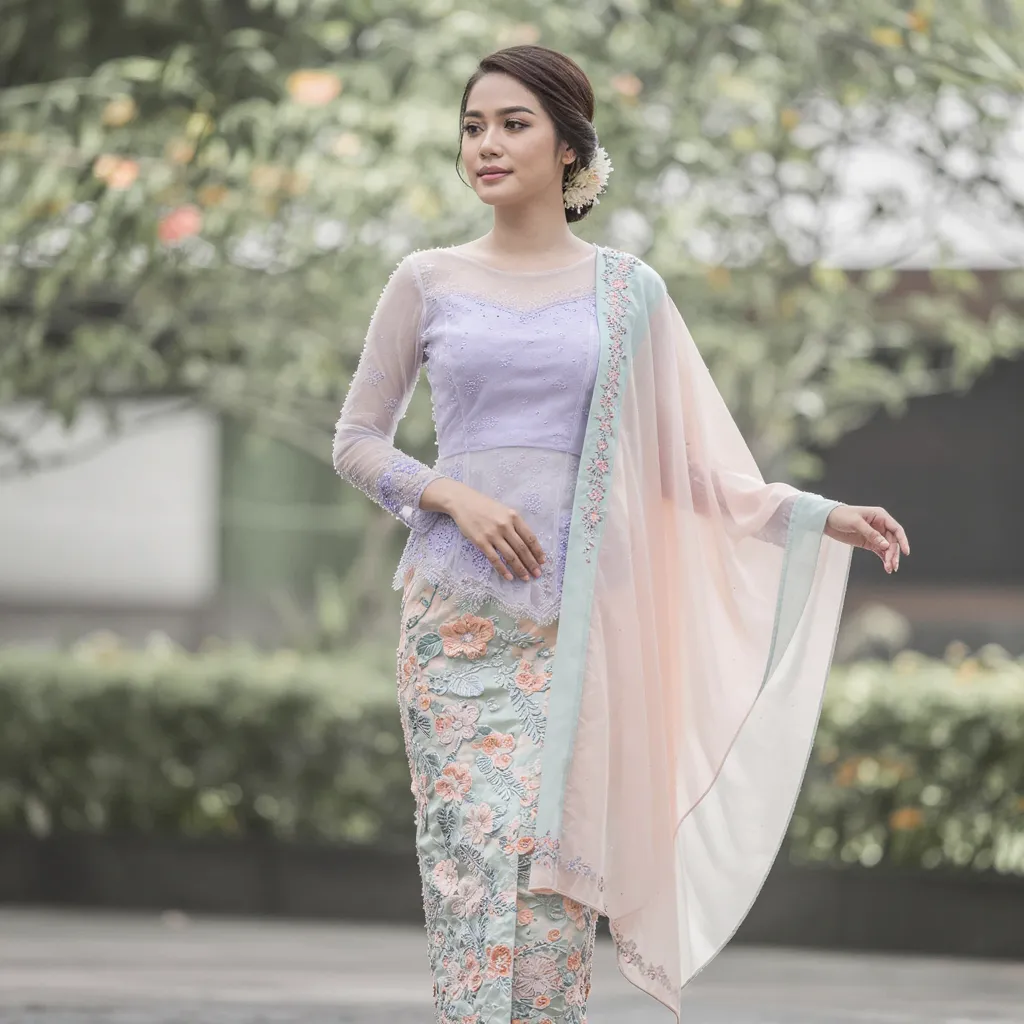
Outfit Overview: A soft pastel-colored Filipiniana dress paired with a matching or complementary pastel alampay. Best Occasion: Spring-themed events, daytime weddings, garden parties. Recommended Accessories: Pearl or floral accessories. Styling Tips: Pair pastel tones with gold accents rather than silver for warmth.
9. Embroidered Organza Alampay
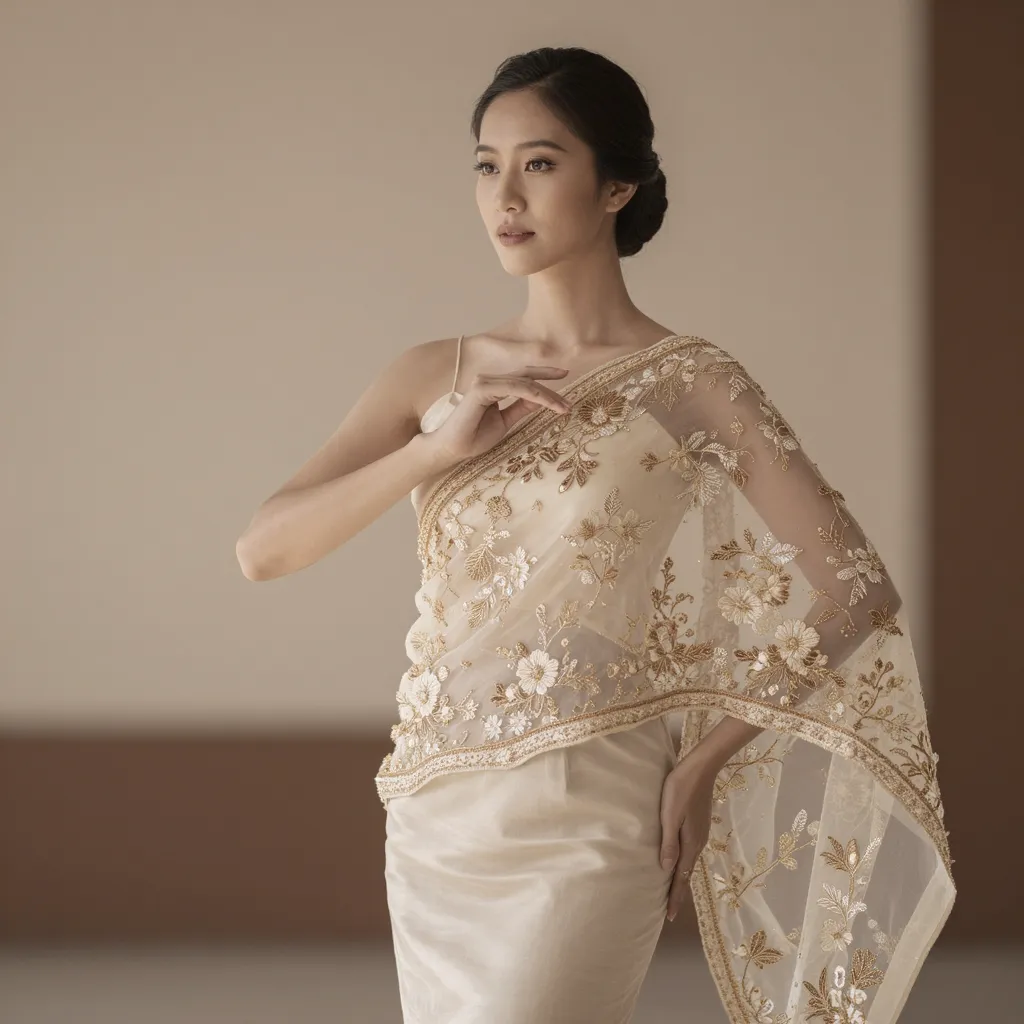
Outfit Overview: A sheer organza alampay with intricate floral embroidery worn over a plain Filipiniana dress.
Best Occasion: Weddings, formal cultural programs.
Recommended Accessories: Simple drop earrings to let the embroidery stand out.
Styling Tips: Since organza is sheer, layer it carefully so the embroidery pattern is fully visible.
10. Contemporary Terno with Alampay
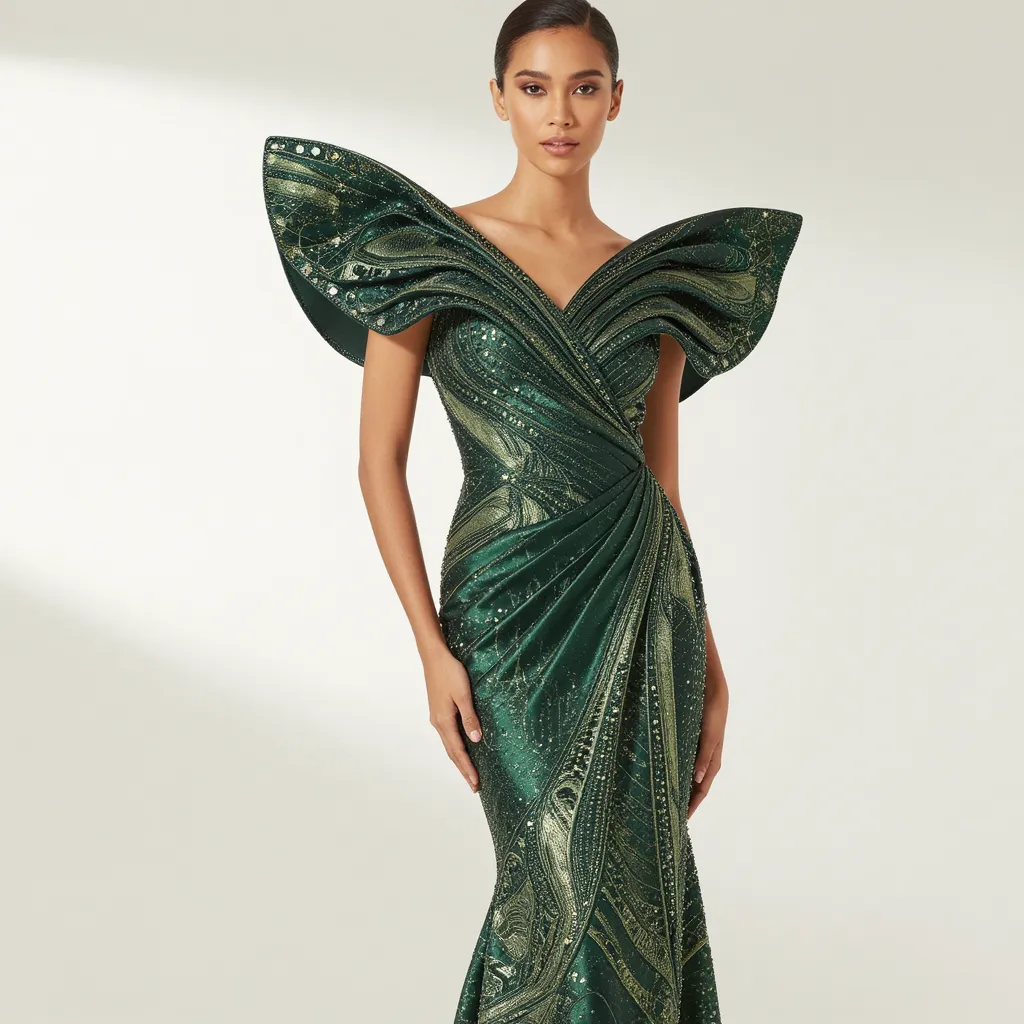
Outfit Overview: A modern terno with sculpted butterfly sleeves, paired with a slim alampay draped asymmetrically.
Best Occasion: Galas, formal state functions, high-profile cultural events.
Recommended Accessories: Bold statement jewelry.
Styling Tips: Since the terno sleeves are already dramatic, keep the alampay understated to avoid visual competition.
11. Filipiniana Jumpsuit with Alampay
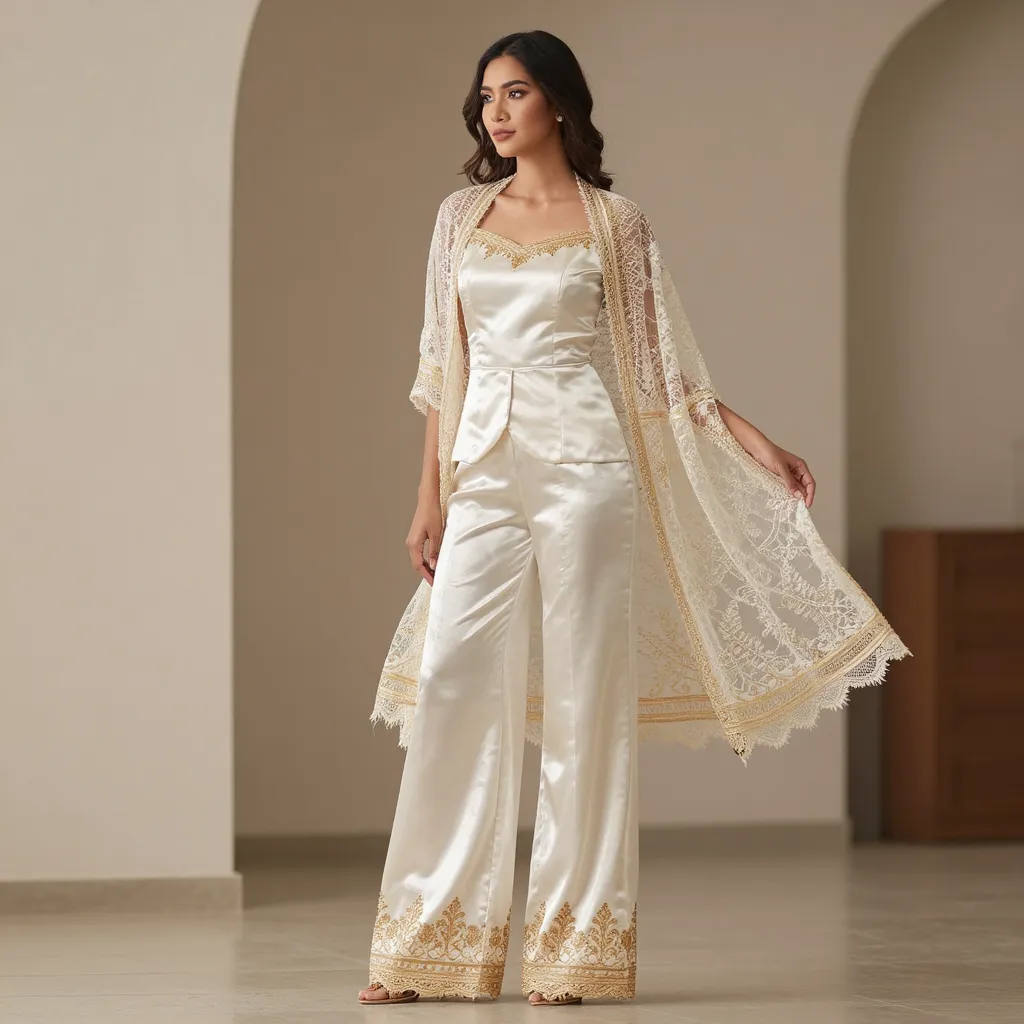
Outfit Overview: A modern Filipiniana-inspired jumpsuit paired with a draped alampay for a fashion-forward reinterpretation.
Best Occasion: Fashion shows, modern cultural events, creative weddings.
Recommended Accessories: Statement belt, ankle-strap heels.
Styling Tips: Use the alampay as a design accent by tying it loosely at one hip instead of the shoulder.
12. Neutral-Toned Alampay Outfit
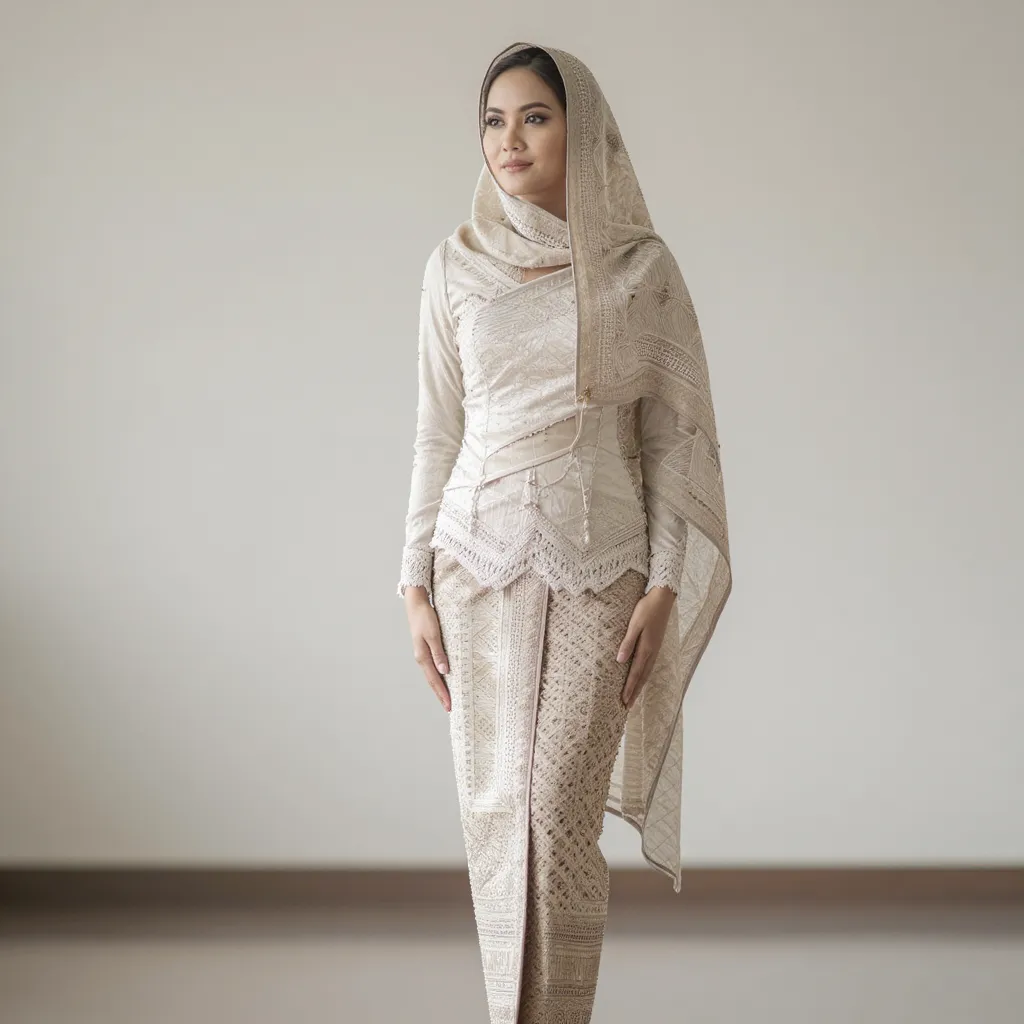
Outfit Overview: An all-neutral Filipiniana outfit — beige, ivory, or taupe — with a matching tonal alampay.
Best Occasion: Weddings (as a guest), engagement shoots, formal portraits.
Recommended Accessories: Gold jewelry, nude heels.
Styling Tips: Add texture through fabric choice (linen, piña) since color variation is minimal.
13. Floral Embroidered Alampay
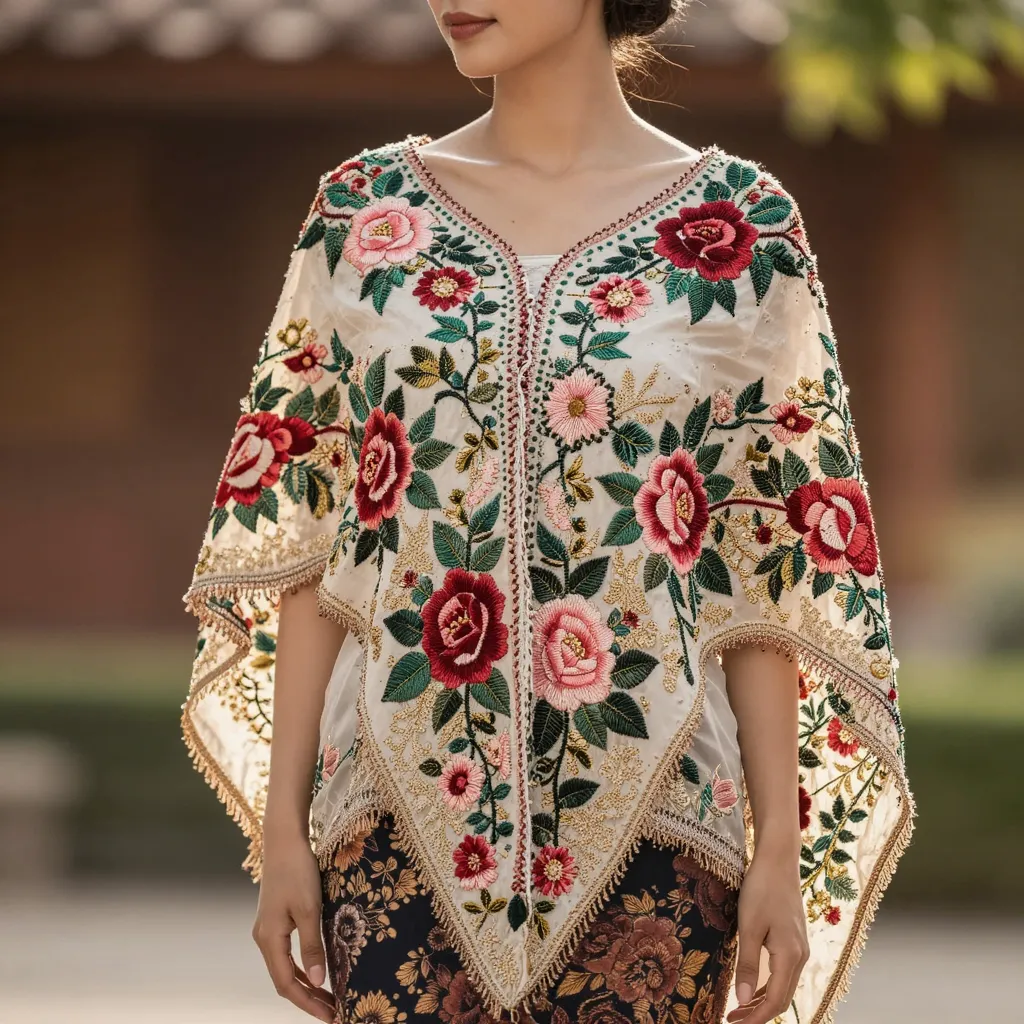
Outfit Overview: A vibrant alampay featuring large floral embroidery, paired with a simple solid-colored Filipiniana dress.
Best Occasion: Fiestas, cultural festivals, springtime events.
Recommended Accessories: Floral hair accessories.
Styling Tips: Let the floral alampay be the statement piece by keeping the rest of the outfit simple.
14. Traditional Mestiza Dress
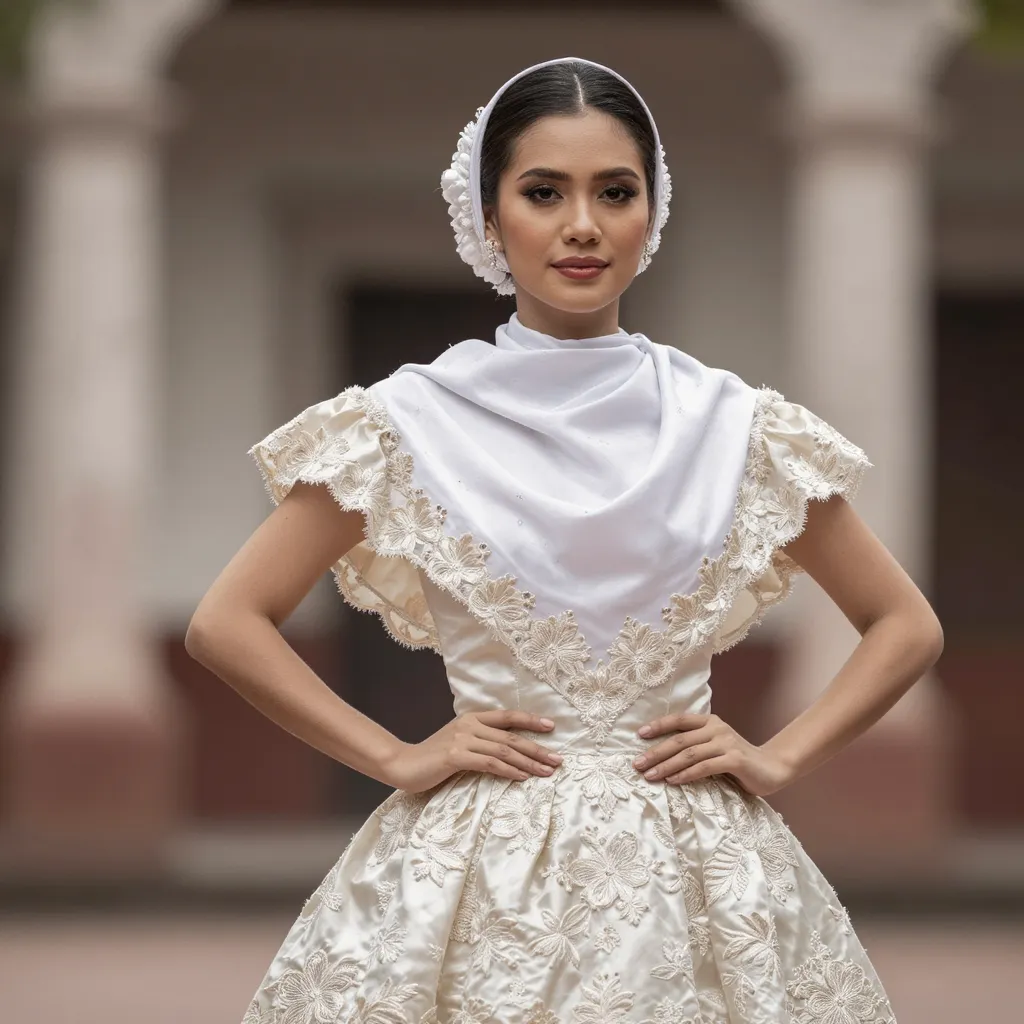
Outfit Overview: A Mestiza dress with structured sleeves and a matching stiff pañuelo-style alampay.
Best Occasion: Weddings, formal cultural ceremonies.
Recommended Accessories: Fan, pearl jewelry, formal gloves (optional).
Styling Tips: Match the alampay fabric exactly to the dress for a traditional, polished finish.
15. Filipiniana Dress with Pearl Accessories
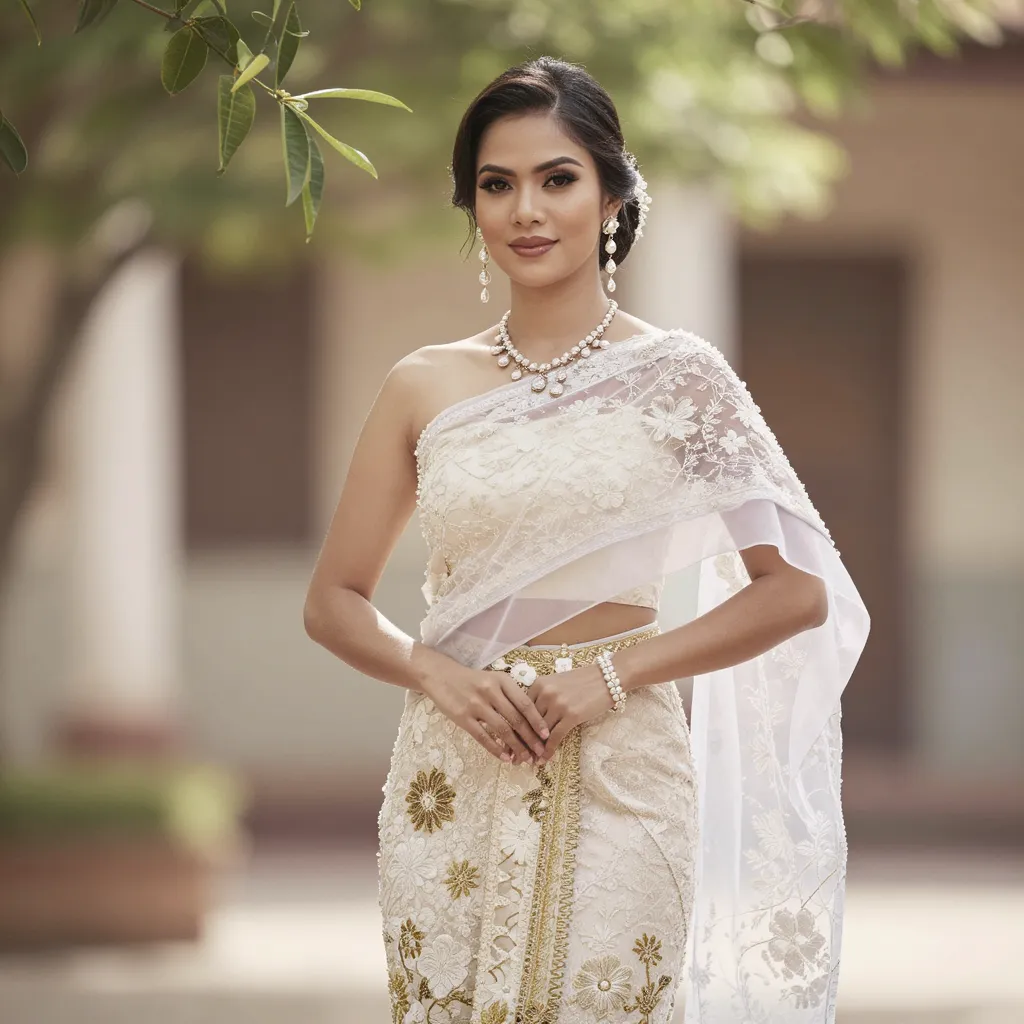
Outfit Overview: A classic Filipiniana dress paired with a lightweight alampay and pearl jewelry throughout.
Best Occasion: Weddings, debuts, formal family celebrations.
Recommended Accessories: Pearl necklace, pearl earrings, pearl hairpins.
Styling Tips: Keep the alampay a solid, neutral color so the pearls remain the focal accessory.
16. Alampay with Long Filipiniana Gown
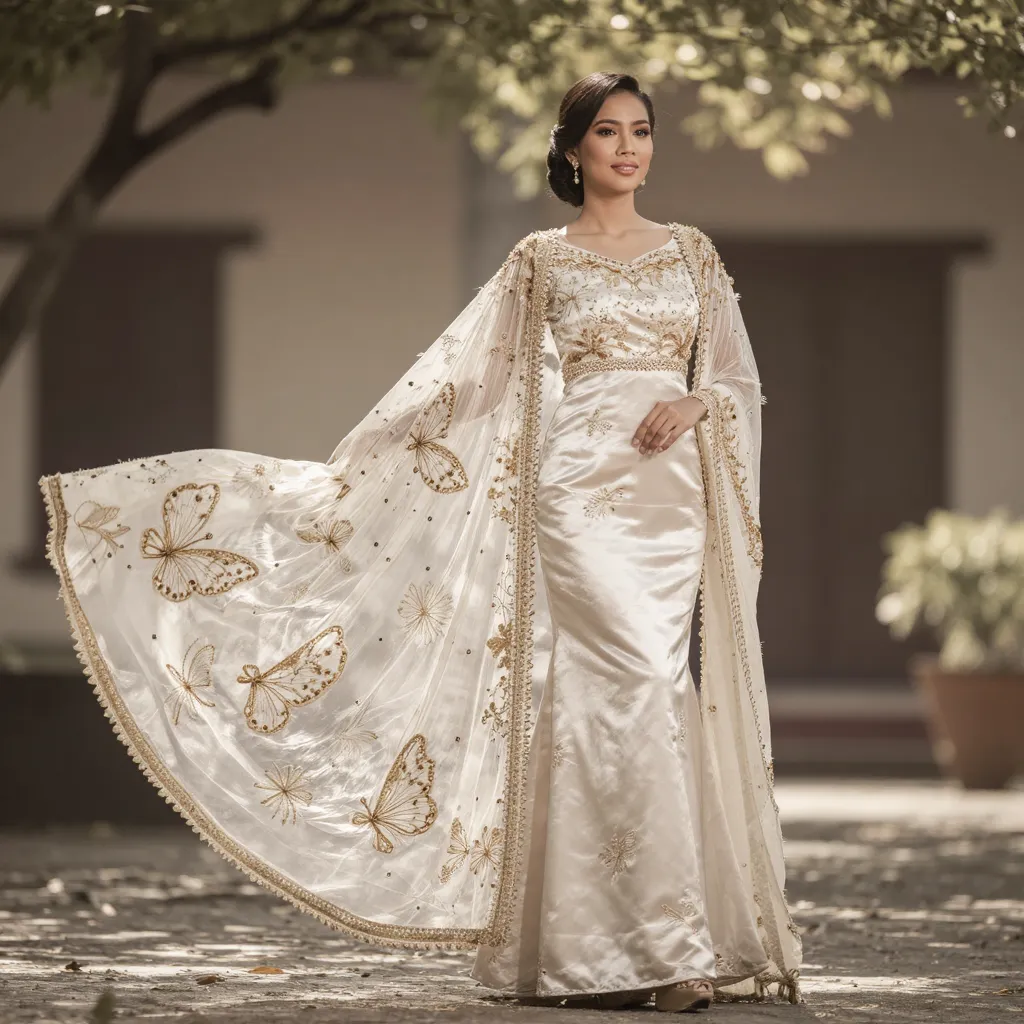
Outfit Overview: A floor-length Filipiniana gown with a long, flowing alampay that trails slightly past the shoulders.
Best Occasion: Galas, pageants, formal evening events.
Recommended Accessories: Long earrings, an elegant clutch.
Styling Tips: Secure the alampay with a discreet pin to prevent slipping during movement.
17. Semi-Formal Filipiniana Outfit
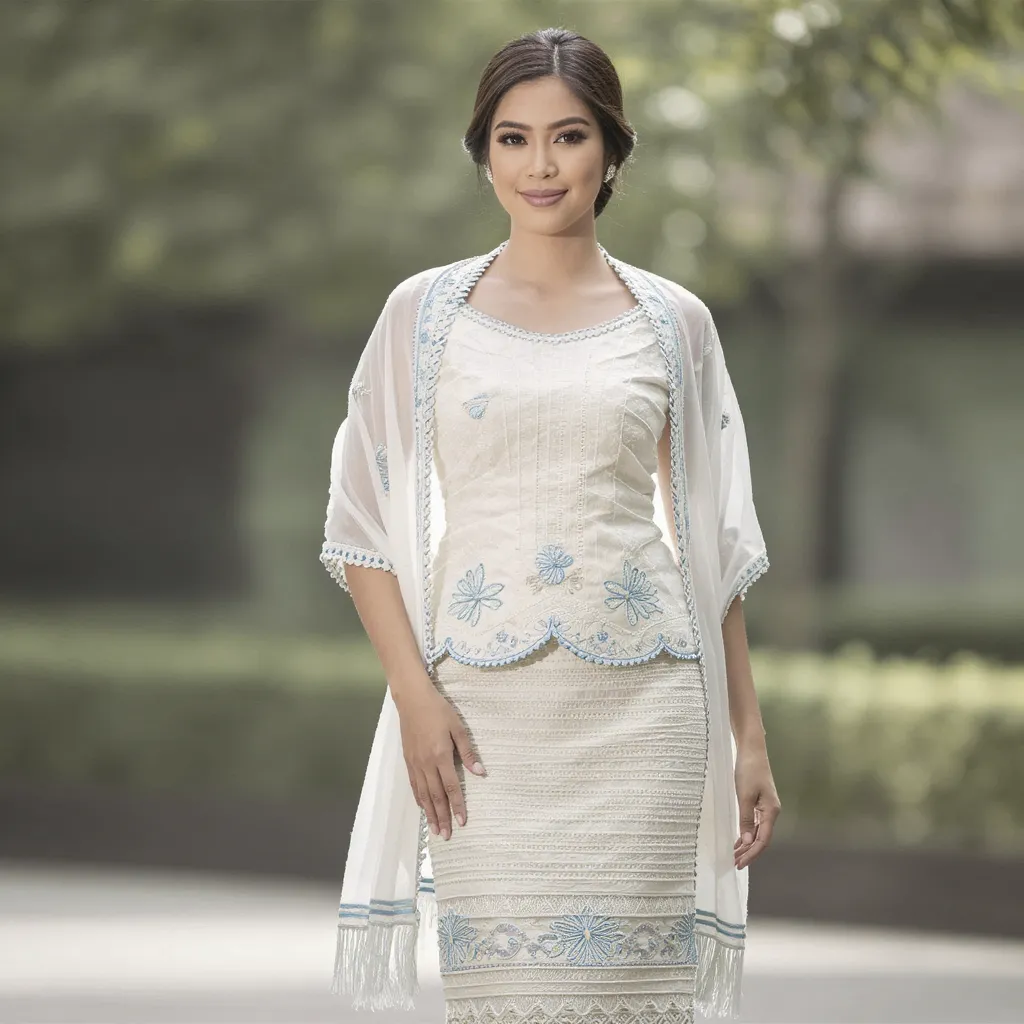
Outfit Overview: A knee-length or tea-length Filipiniana dress with a light alampay for balanced formality.
Best Occasion: Semi-formal parties, family reunions, cultural dinners.
Recommended Accessories: Mid-length necklace, block heels.
Styling Tips: A shorter dress pairs well with a shorter, lighter alampay to maintain proportion.
18. Handwoven Alampay Ensemble
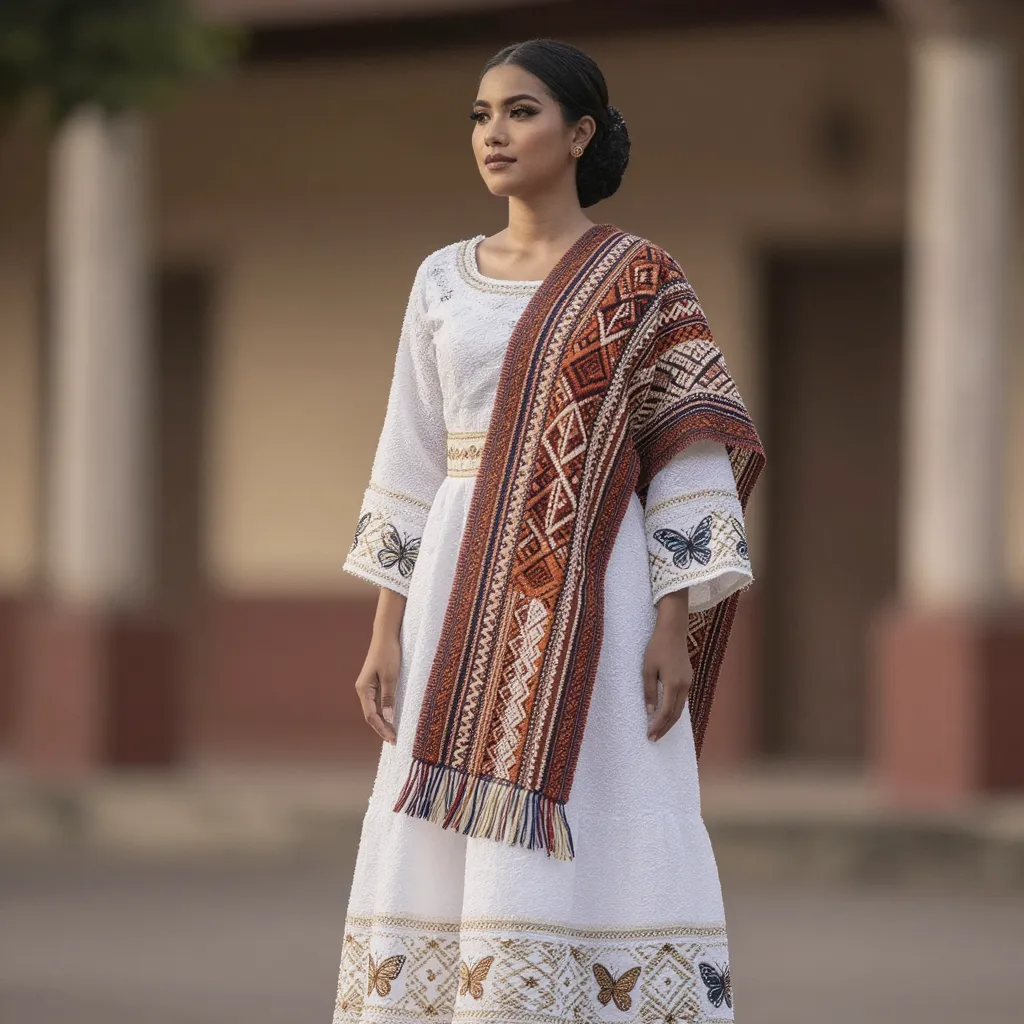
Outfit Overview: A Filipiniana outfit paired with a handwoven alampay made from regional textiles such as inabel or hablon.
Best Occasion: Cultural heritage events, trade fairs, regional festivals.
Recommended Accessories: Woven accessories, native jewelry.
Styling Tips: Highlight the weave pattern by choosing a solid-colored dress underneath.
19. Wedding Guest Filipiniana Outfit
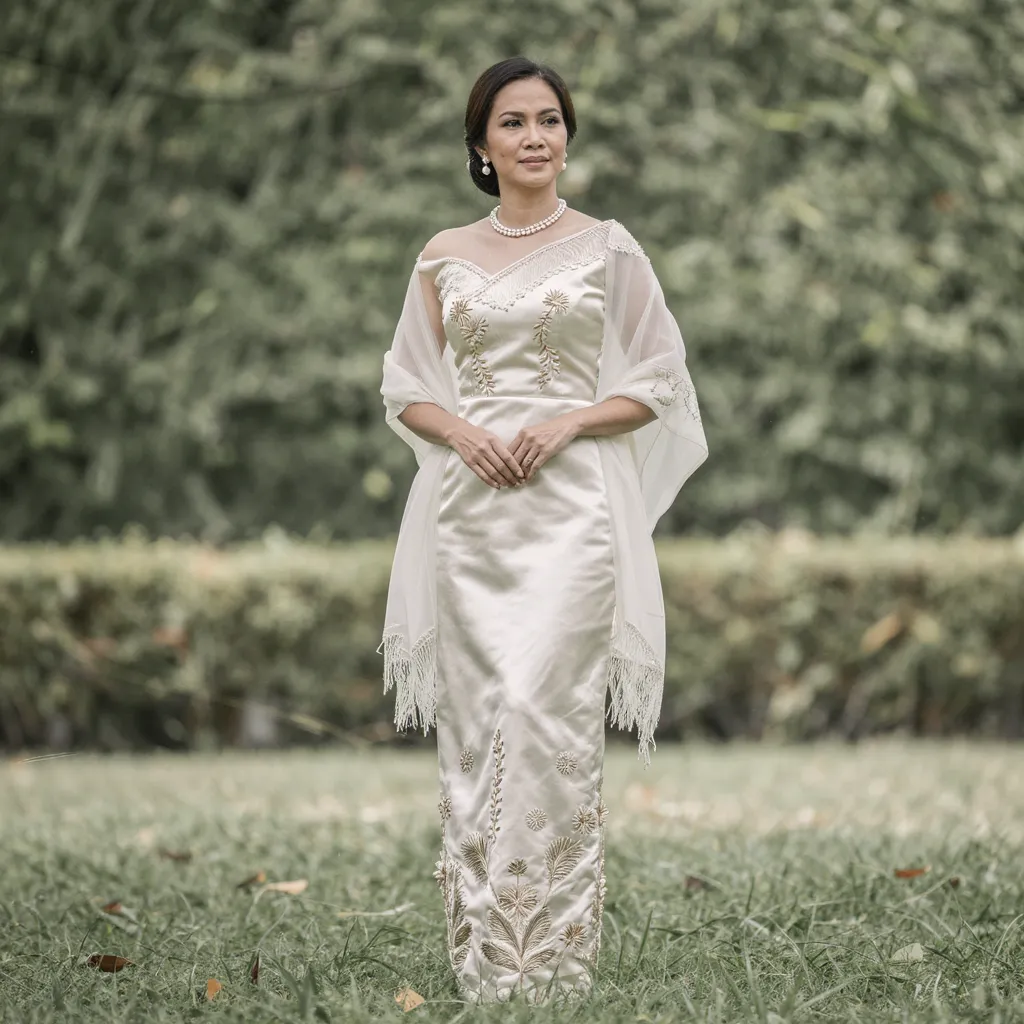
Outfit Overview: An elegant, understated Filipiniana dress with a coordinated alampay suitable for attending — not upstaging — a wedding.
Best Occasion: Weddings, as a guest or sponsor (ninang/ninong).
Recommended Accessories: Subtle jewelry, a small handbag.
Styling Tips: Avoid bridal-white tones; opt for soft colors instead.
20. Cultural Event Attire
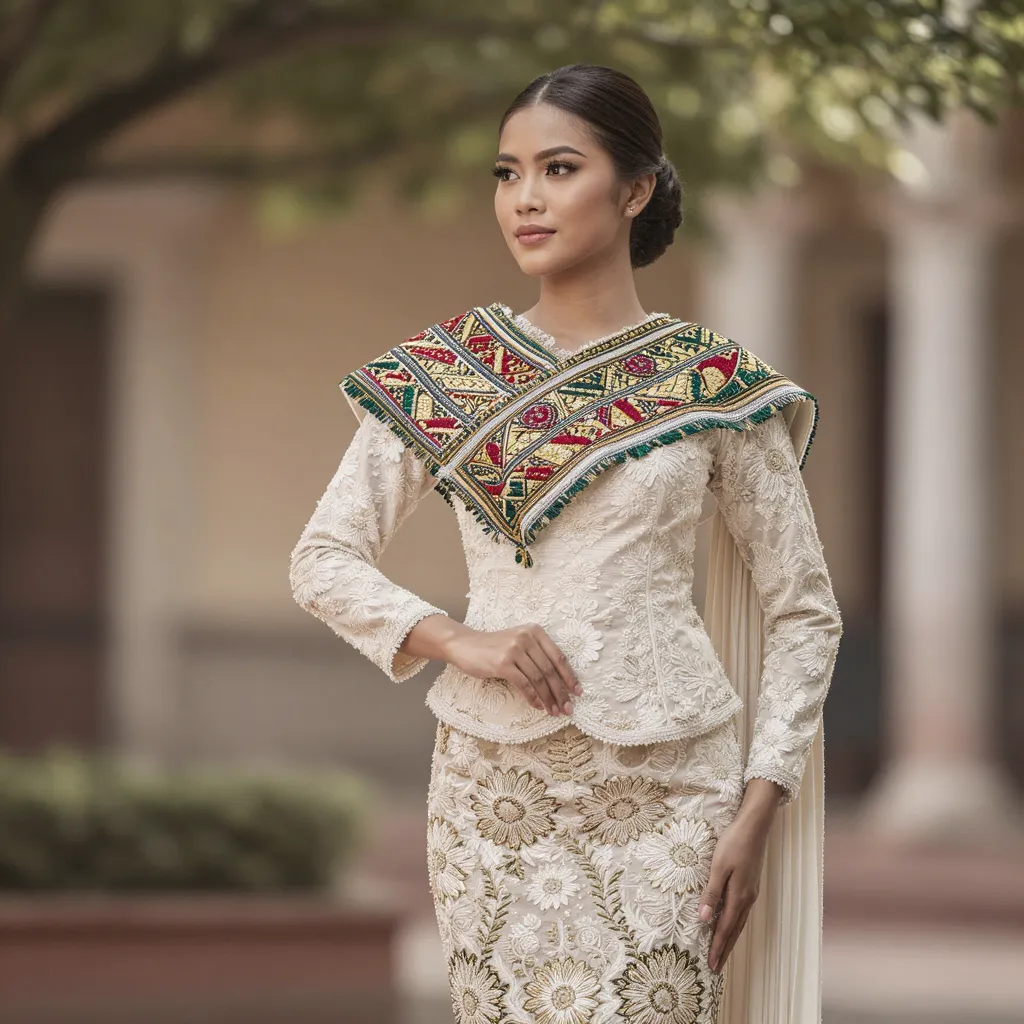
Outfit Overview: A traditional Filipiniana set with a boldly embroidered alampay representing regional heritage.
Best Occasion: Cultural festivals, heritage month celebrations, folk dance performances.
Recommended Accessories: Native accessories relevant to the region represented.
Styling Tips: Research the specific regional style to ensure authenticity in fabric and embroidery.
21. Graduation Filipiniana Outfit
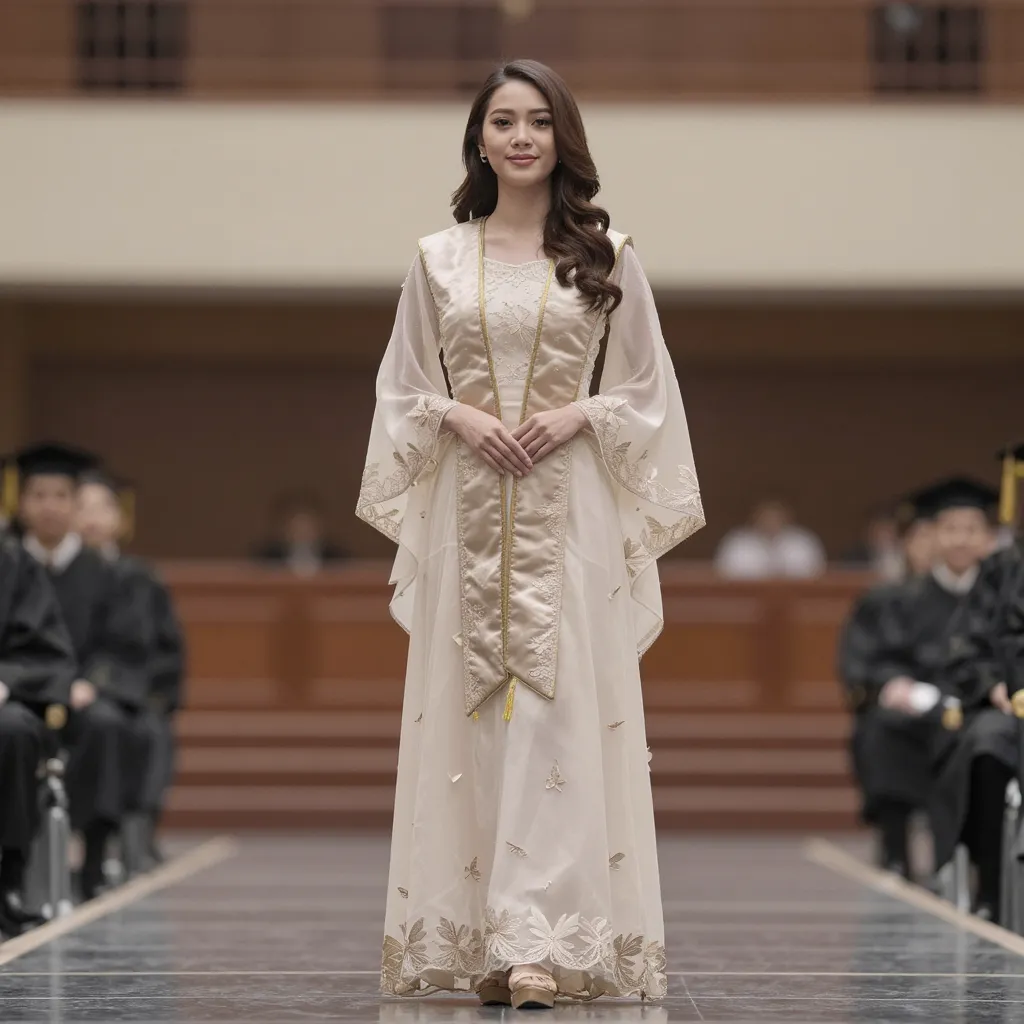
Outfit Overview: A neat, school-appropriate Filipiniana dress with a modest alampay in school colors or neutral tones.
Best Occasion: Graduation ceremonies, recognition events.
Recommended Accessories: Simple jewelry, comfortable low heels.
Styling Tips: Check school guidelines before choosing alampay color or embellishment level.
22. Filipiniana Skirt and Blouse Set
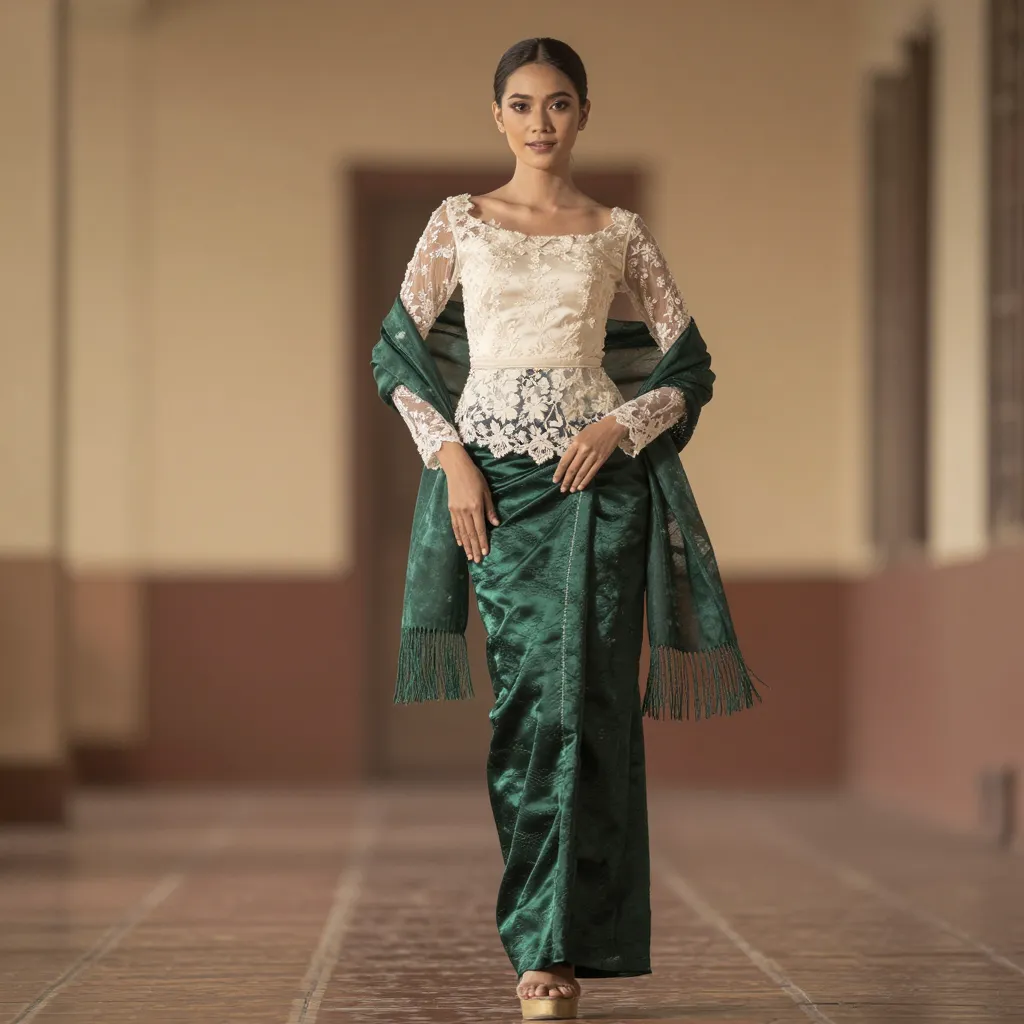
Outfit Overview: A two-piece Filipiniana set — a fitted blouse and a separate skirt — paired with a matching alampay.
Best Occasion: Formal events, cultural presentations, semi-formal work functions.
Recommended Accessories: Belt accent, classic pumps.
Styling Tips: A two-piece set allows more flexibility in mixing and matching alampay colors.
23. Modern Filipiniana Pantsuit
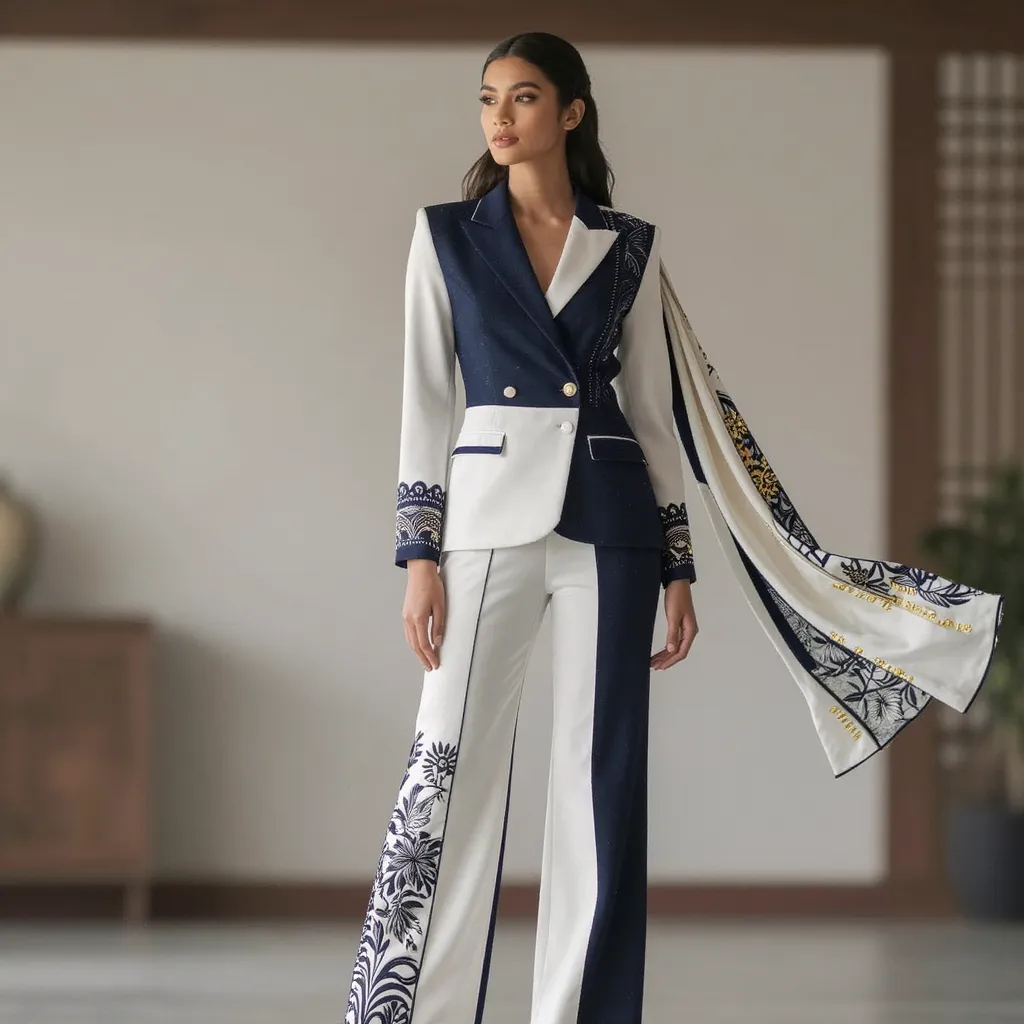
Outfit Overview: A tailored Filipiniana-inspired pantsuit with an alampay draped over one shoulder for a bold, modern statement.
Best Occasion: Fashion-forward formal events, modern weddings, creative galas.
Recommended Accessories: Structured heels, minimalist jewelry.
Styling Tips: Use a contrasting alampay color to break up the monochrome pantsuit.
24. Evening Filipiniana Look
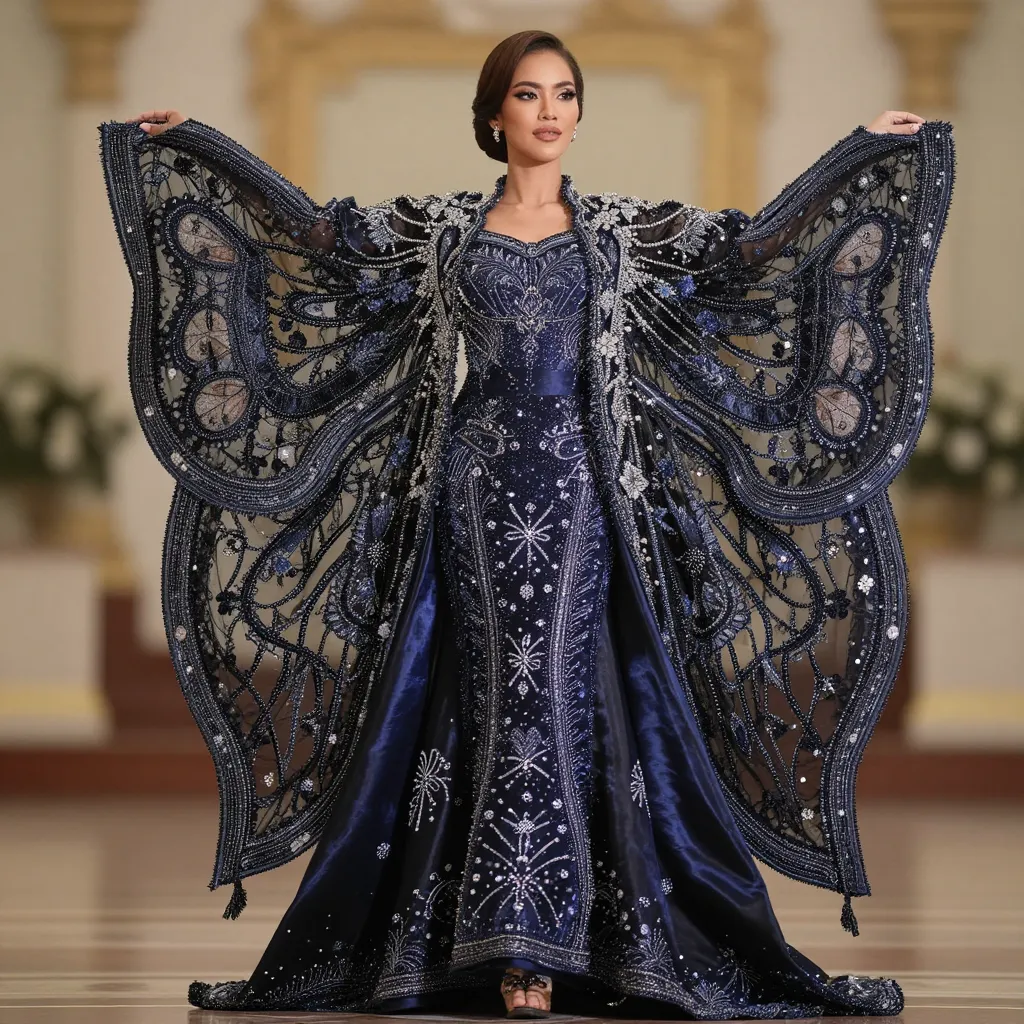
Outfit Overview: A dark-toned, elegant Filipiniana gown with a beaded or sequined alampay for evening glamour.
Best Occasion: Evening galas, formal dinners, award ceremonies.
Recommended Accessories: Statement earrings, evening clutch.
Styling Tips: Let the beaded alampay catch the light by draping it loosely rather than pinning it flat.
25. Luxury Filipiniana Ensemble
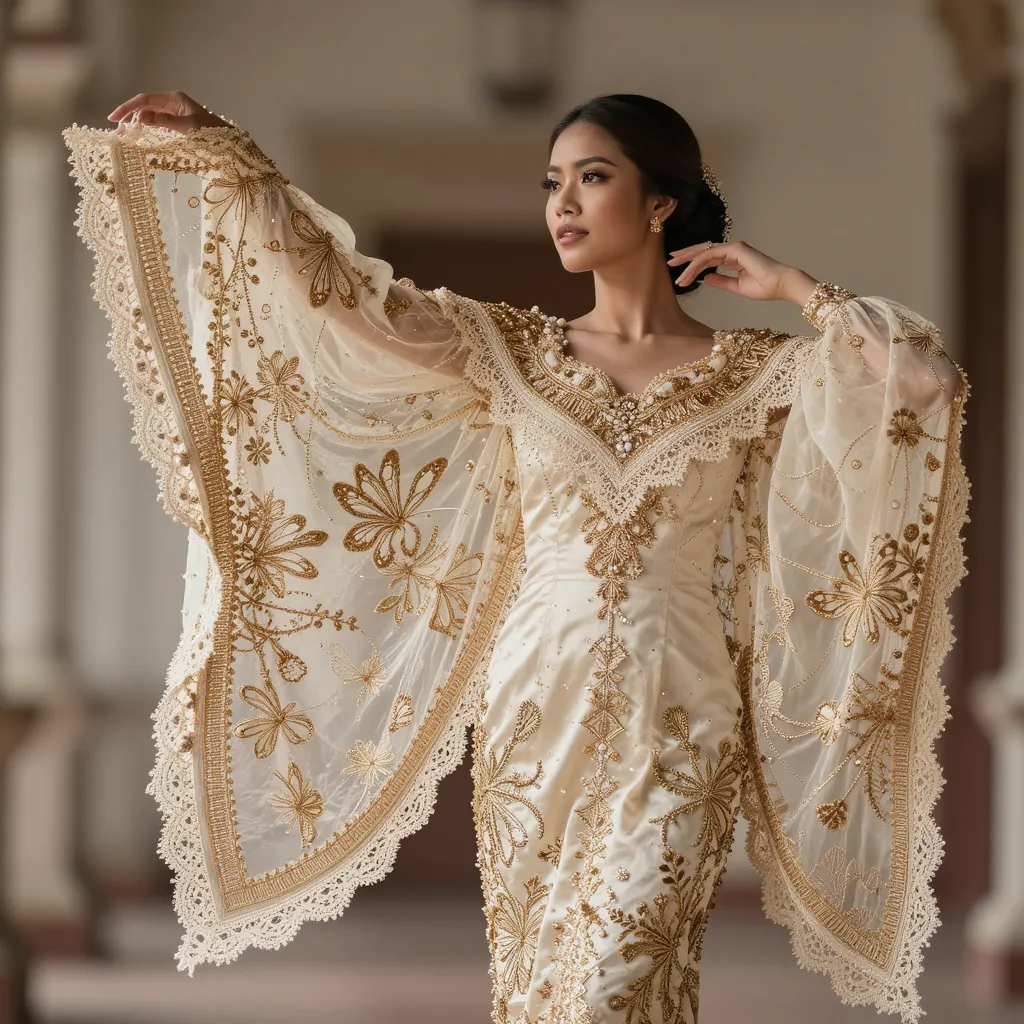
Outfit Overview: A designer-made Filipiniana gown with a hand-embroidered piña alampay, often custom-tailored.
Best Occasion: High-profile weddings, state functions, formal galas.
Recommended Accessories: Fine jewelry, designer clutch.
Styling Tips: Invest in tailoring so the alampay’s drape falls precisely with the gown’s neckline.
Alampay for Graduation
Why Graduates Wear an Alampay
Many Filipino schools incorporate the alampay into graduation attire as a way of honoring Filipino heritage during a milestone event. It gives graduation ceremonies a distinctly Filipino identity, especially in schools that require or encourage Filipiniana-inspired formal wear.
Choosing the Right Color
Graduates typically choose an alampay color that either matches their school’s official colors or complements their graduation gown or dress. Neutral tones such as white, ivory, or pastel shades are popular because they photograph well and suit most skin tones.
Matching the School Dress Code
Before choosing an alampay, graduates should check their school’s specific dress code, as some institutions have strict guidelines on modesty, color, and embellishment level for graduation attire.
Accessories to Pair With an Alampay
Simple pearl or gold jewelry, a modest hair accessory, and comfortable low-heeled shoes are commonly paired with a graduation alampay to keep the overall look polished but practical for a long ceremony.
Graduation Photo Tips
For the best photos, graduates should ensure the alampay is pinned securely so it does not slip during walking or bowing, and should coordinate the alampay’s color with their bouquet or graduation cap and gown for a more cohesive look.
Modern Filipiniana Dress With Alampay
Popular Modern Filipiniana Designs
Modern Filipiniana dresses often simplify traditional silhouettes — think slimmer skirts, shorter hemlines, or asymmetrical necklines — while still incorporating a recognizable alampay for cultural authenticity.
Best Fabrics
Popular fabric choices for modern Filipiniana dresses with alampay include piña-silk blends, organza, and lightweight cotton, which balance elegance with everyday wearability.
Trending Color Combinations
Currently popular combinations include ivory dresses with gold-embroidered alampays, soft pastel dresses with matching tonal alampays, and deep jewel-toned dresses paired with contrasting metallic alampays.
How to Style a Modern Filipiniana Dress
To style a modern Filipiniana dress with an alampay, keep the rest of the outfit minimal — simple jewelry, neutral shoes — so the dress and alampay combination remains the visual focus.
How to Wear an Alampay
Classic Shoulder Drape
The most traditional way to wear an alampay is draped evenly across both shoulders, with the ends hanging loosely down the back or front, mirroring the classic Maria Clara silhouette.
Front Wrap Style
In this style, the alampay is wrapped around the shoulders and crossed or pinned at the front of the chest, offering more coverage and a slightly more formal appearance.
One-Shoulder Style
A more modern take involves draping the alampay over just one shoulder, letting it fall diagonally across the body for an asymmetrical, contemporary look.
Formal Draping Techniques
For formal events, the alampay is often lightly starched and pinned in place to maintain a crisp, structured shape throughout the event, particularly for the Maria Clara-style pañuelo.
Contemporary Styling Ideas
Contemporary stylists sometimes tie the alampay loosely at the waist, use it as a wrap around the arms, or drape it asymmetrically to modernize the traditional silhouette while keeping its cultural reference intact.
Common Fabrics Used for Alampay
Piña Fabric
Made from pineapple leaf fibers, piña is prized for its delicate, translucent texture and is considered one of the most luxurious traditional Filipino fabrics, often used for the finest alampays.
Jusi
A lightweight, silk-like fabric, jusi is a more affordable alternative to piña while still offering a similarly elegant drape and sheen.
Organza
Organza is a sheer, crisp fabric commonly used for modern alampays because it holds embroidery well and creates volume without heaviness.
Silk
Silk alampays offer a smooth, glossy finish and are often chosen for formal or evening occasions due to their luxurious feel.
Linen
Linen is a breathable, natural fabric suited for daytime or outdoor events, offering comfort in warm, tropical weather.
Chiffon
Chiffon is lightweight and flowy, making it a popular choice for modern, softly draped alampay styles.
Inabel
Inabel is a handwoven textile from the Ilocos region, often used for alampays that celebrate specific regional Filipino heritage and craftsmanship.
How to Choose the Right Alampay
Based on the Occasion
Formal events call for structured, embellished alampays, while casual or daytime events suit simpler, lightweight fabrics like linen or cotton blends.
Based on Your Dress
Choose an alampay that complements — rather than competes with — the neckline, sleeve style, and embellishment level of your Filipiniana dress.
Based on Fabric
Match fabric weights: a heavier gown pairs well with silk or piña, while a lightweight dress suits organza or chiffon.
Based on Color
Match or complement your dress’s color palette; neutral alampays offer versatility, while bold colors make a statement piece.
Based on Embroidery
Choose embroidery that reflects the formality of the event — minimal embroidery for everyday wear, intricate calado or floral work for weddings and formal galas.
Where to Wear an Alampay
Graduation Ceremonies
A staple for schools that celebrate Filipino heritage during commencement exercises.
Weddings
Worn by brides, sponsors, and guests alike as part of Filipiniana-themed wedding attire.
Cultural Festivals
Common at fiestas, heritage celebrations, and folk dance performances nationwide.
Government Events
Often worn by officials and attendees at formal state functions and ceremonies.
Formal Dinners
A popular choice for formal dinners with a cultural or heritage theme.
Oath-Taking Ceremonies
Frequently worn by professionals during oath-taking for licensure or public office.
Independence Day Celebrations
A common sight during June 12 celebrations and other patriotic events honoring Filipino history.
Caring for Your Alampay
Proper Washing
Hand-wash delicate alampay fabrics like piña or jusi in cool water with a mild detergent, avoiding harsh scrubbing that can damage embroidery.
Ironing Tips
Iron on a low heat setting, ideally with a cloth barrier between the iron and the fabric, especially for sheer materials like organza or piña.
Storage
Store alampays flat or loosely folded in a breathable garment bag, away from direct sunlight and humidity, to prevent yellowing and fabric damage.
Preventing Fabric Damage
Avoid hanging heavily embroidered alampays for long periods, as this can stretch the fabric; instead, store them flat with acid-free tissue paper between folds.
Business Opportunities Related to Alampay
Selling Filipiniana Clothing
Entrepreneurs can create and sell ready-to-wear or made-to-order Filipiniana sets, including matching alampays, catering to graduations, weddings, and cultural events.
Custom Embroidery Services
Offering custom embroidery for alampays — from calado work to personalized floral designs — is a growing niche within the Filipiniana fashion market.
Alampay Rental Business
Since alampays are often worn for one-time events like graduations or weddings, a rental business can serve budget-conscious customers looking for high-quality pieces without the cost of ownership.
Online Filipiniana Boutique
An online store specializing in Filipiniana wear, including alampays, taps into both local buyers and overseas Filipinos looking for authentic cultural attire.
Wedding and Graduation Accessories Shop
Pairing alampays with complementary accessories — jewelry, fans, hair pieces — creates a one-stop shop for customers preparing for major life events.
Local Handwoven Textile Business
Partnering with local weavers to produce inabel, hablon, or piña-based alampays supports traditional craftsmanship while offering a unique, heritage-driven product line.
Frequently Asked Questions
What is an alampay? An alampay is a traditional Filipino shawl worn draped over the shoulders as part of Filipiniana attire, such as the baro’t saya or Maria Clara gown.
What is a pañuelo? A pañuelo is essentially the same type of shoulder covering as the alampay, though the term is more closely associated with the structured, Spanish-influenced version worn with formal Filipiniana gowns.
What is an alampay in English? The closest English translations are “shawl” or “shoulder wrap,” though neither fully captures its specific cultural context.
What is the difference between an alampay and a pañuelo? The two are largely interchangeable, though “pañuelo” is often used for the more structured, formal version, while “alampay” can refer to a softer, more casual drape.
How do you wear an alampay? It can be worn draped evenly across both shoulders, wrapped and pinned at the front, or styled asymmetrically over one shoulder, depending on the occasion and outfit.
Can I wear an alampay for graduation? Yes, many schools encourage or require Filipiniana attire with an alampay for graduation ceremonies, though it’s best to check your school’s specific dress code first.
What is a modern Filipiniana dress with an alampay? It refers to a contemporary reinterpretation of traditional Filipiniana wear — often with simplified silhouettes or updated fabrics — that still includes an alampay for cultural authenticity.
Where can I buy an alampay in the Philippines? Alampays can be purchased from Filipiniana specialty shops, local textile markets, online Filipiniana boutiques, and directly from dressmakers who offer custom-made pieces.
Bottom Line
The alampay is far more than a decorative shawl — it is a lasting symbol of Filipino elegance, identity, and craftsmanship that has gracefully moved from historical formalwear into modern-day celebrations. Whether worn during a graduation ceremony, a wedding, or a cultural festival, the alampay continues to connect wearers to a rich tradition while allowing room for personal and contemporary style. As Filipiniana fashion continues to evolve, the alampay remains a timeless thread linking the past and present of Filipino culture.