

How Smart Access Control Improves Business Operations
For generations, the security of a business was measured by the complexity of its locks and the number of keys it managed. Today, managing who goes where and when has evolved far beyond metal keys. Smart access control systems are transforming not just security protocols but the very efficiency of business operations, turning a simple door into a gateway for smarter management.
Beyond the Traditional Lock and Key
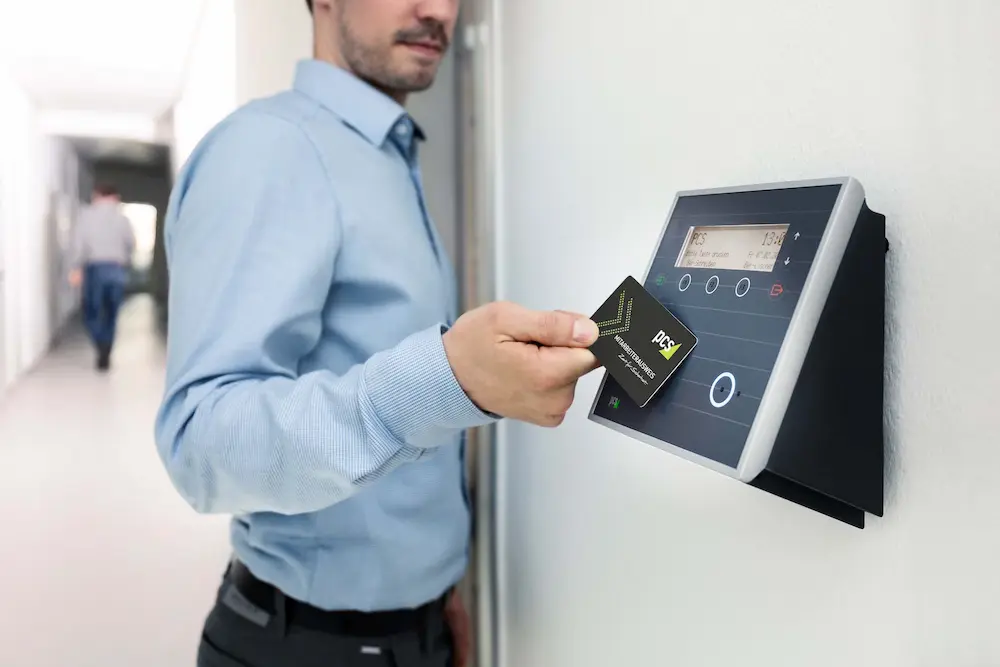
Modern access control moves away from the one-key-fits-all approach. Instead of physical keys that can be lost or copied, these systems use electronic credentials like keycards, fobs, mobile apps, or even biometrics. This shift does more than just replace a lock; it introduces a layer of dynamic control. You can determine not just who can enter a space but also when they are allowed to do so.
This level of control is impossible with traditional locks. For example, you can grant a cleaning crew access only after business hours or give a temporary contractor entry to specific areas for the duration of their project. When an employee leaves the company, their access can be revoked instantly with a few clicks, eliminating the security risks and costs associated with changing locks.
Streamlining Daily Business Operations
One of the most significant benefits of modern systems is streamlining daily business operations by reducing administrative workload. Imagine managing access for hundreds of employees across multiple floors or locations. With a traditional system, this involves tracking dozens or even hundreds of physical keys. Implementing a unified access control solution allows you to grant or revoke permissions instantly from a central dashboard, assigning access levels based on roles, departments, or specific projects.
This centralized management frees up valuable time for facility managers and HR personnel. New employee onboarding is simplified, as access rights can be pre-programmed and activated on their first day. There’s no need to hand out keys, and offboarding is just as simple, ensuring security is maintained without any operational delay.
Integrated Security for Smarter Workflows
The true power of smart access control is unlocked when it’s integrated with other business systems. When your access control platform communicates with your video surveillance, alarm systems, and even your HR software, you create a cohesive operational ecosystem. This integration provides context to events and automates responses.
For instance, if a restricted door is forced open, the system can automatically trigger the nearest camera to record the event, lock down adjacent areas, and send an alert with video footage to security personnel. Linking to an HR database can automatically deactivate an employee’s credentials on their last day of employment. These are some of the key reasons to invest in business access control that go far beyond simple security.
Enhancing Visitor Management Experiences
First impressions matter, and an outdated paper-based visitor sign-in process can feel outdated. Smart access control systems often include sophisticated visitor management modules that create a smooth and professional experience for guests, clients, and contractors.
Visitors can often be pre-registered by their host. Upon arrival, they might scan a QR code from their smartphone at a lobby kiosk, which then prints a temporary badge and automatically notifies the employee they are there to see. This not only streamlines the check-in process but also ensures you have an accurate, digital log of everyone who has entered your facility. Following best practices for visitor management enhances both security and hospitality.
Data Insights for Better Decision-Making
Every swipe of a card or scan of a fingerprint generates a data point. Over time, this information provides invaluable insights into how your physical space is being used. Access control logs are no longer just for investigating incidents; they are a source of business intelligence.
Analyzing traffic patterns helps you identify which areas of your office are underutilized and could be repurposed. You can see peak times at entry points to better schedule reception staff or understand which meeting rooms are most popular to inform future office design. This data helps you make evidence-based decisions to optimize space, improve operational flow, and enhance employee productivity.
Ultimately, adopting a smart access control system is a strategic investment in your business’s efficiency and security. It provides the flexibility to adapt to changing needs and the data to make smarter operational choices.