

Blue Ternate: Benefits, Uses, Side Effects, and How to Make Blue Ternate Tea
Blue ternate is the common Filipino name for the flower of Clitoria ternatea, a climbing vine better known internationally as the butterfly pea flower. The flower is prized for its deep, saturated blue color, which it releases naturally when steeped in hot water — no artificial dye required.
In recent years, blue ternate has become a familiar sight in Philippine markets, cafés, and home gardens. Its popularity comes from three things at once: its striking visual appeal, its use as a caffeine-free herbal tea, and a growing interest in its potential antioxidant and wellness properties.
Beyond tea, the flower shows up in lemonades, blue rice dishes, jellies, and desserts, and it is widely used as a natural food coloring in place of synthetic blue dyes.
At the same time, blue ternate is not a miracle cure, and like any herbal ingredient it comes with things to watch out for — from possible digestive upset to questions about how it interacts with medication, kidney function, or blood pressure. Understanding both sides gives you a fuller picture before adding it to your routine.
This guide walks through what blue ternate is, its nutritional profile, its possible benefits, how it may relate to kidney and blood pressure health, its side effects and who should be cautious, how to brew it at home, and some of the most popular recipes built around it.
Key Takeaways
- Blue ternate is a flowering plant known for its natural blue pigment and antioxidant content.
- Blue ternate tea is one of the most popular ways to consume the flower.
- Many people drink blue ternate tea for its potential antioxidant and general wellness benefits.
- The flower is widely used in beverages, desserts, and natural food coloring.
- Blue ternate is generally considered safe when consumed in moderation, but some individuals may experience side effects.
What Is Blue Ternate?
Blue Ternate Plant Overview
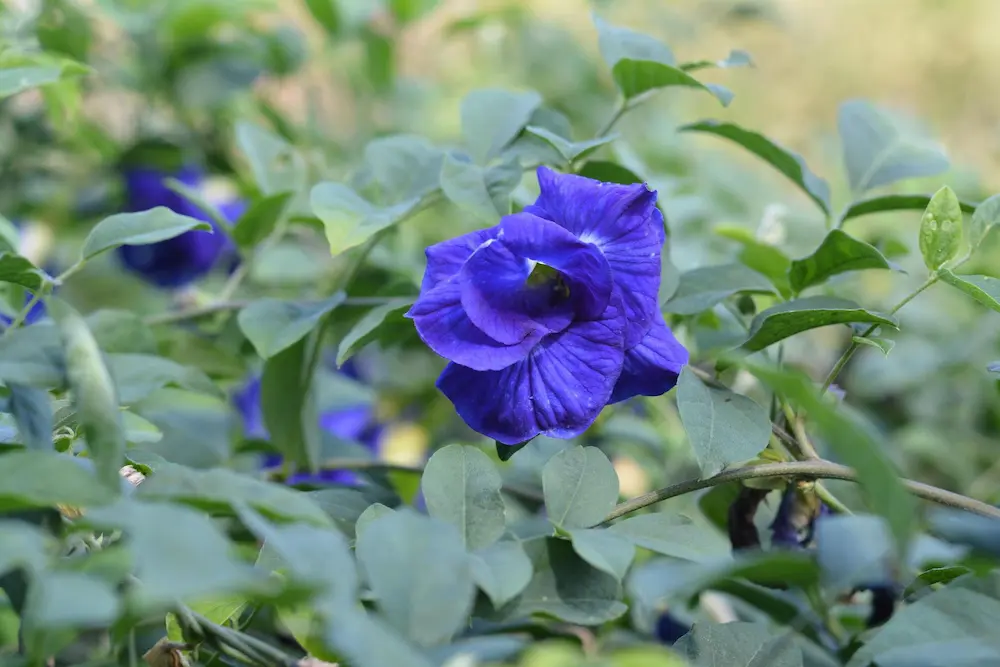
Blue ternate is a perennial, trailing or climbing vine in the legume family (Fabaceae). It produces vivid blue, funnel-shaped flowers with a pale-yellow center, along with pinnate leaves and slender seed pods. In the Philippines, it’s grown both as an ornamental plant along fences and trellises and, increasingly, as a small cash crop for tea production.
Scientific Name: Clitoria Ternatea
The plant’s scientific name is Clitoria ternatea. It belongs to the Fabaceae (bean) family, the same family as peas and beans, which is part of why it’s often simply called “butterfly pea” or “pea flower” in English.
Origins and History
The species is believed to have originated in tropical Asia, though it has naturalized widely across Africa, the Americas, and the Pacific due to centuries of cultivation and trade. Its species name, ternatea, references Ternate Island in Indonesia’s Maluku archipelago, where early botanical specimens were collected. Interestingly, the Philippine town of Ternate in Cavite shares the same namesake island but has no direct botanical connection to the flower — it’s a coincidence worth knowing, not a historical link.
Why Is Blue Ternate Blue?
The flower’s blue color comes from a group of plant pigments called anthocyanins, specifically compounds known as ternatins. These pigments are pH-sensitive: in neutral or alkaline water, the tea appears a rich blue, but adding something acidic — like a squeeze of lemon or calamansi — shifts the color toward purple or violet. This color-changing effect is one of the main reasons the flower has become a novelty ingredient in drinks worldwide.
How Blue Ternate Became Popular in the Philippines
Blue ternate’s rise in the Philippines has been driven largely by social media, where its dramatic color-changing lemonade and tea became a popular visual for food and drink content. From there, interest expanded into home gardening, small tea businesses, and its use in cafés as a specialty drink, alongside a broader consumer interest in herbal teas as alternatives to coffee and sugary beverages.
Blue Ternate in Tagalog
What Is Blue Ternate Called in Tagalog?
Blue ternate doesn’t have one single, deeply rooted Tagalog name the way older native herbs do. Most Filipinos simply refer to it by its English-derived name, “blue ternate,” or as “asul na bulaklak” (blue flower) in casual conversation. This is common for plants that became widely known relatively recently through gardening and social media rather than through generations of traditional use.
Regional Names in the Philippines
Because the plant is relatively new to mainstream Filipino households compared to herbs like sambong or lagundi, regional or dialect-specific names are not well standardized across the archipelago. In most regions, people use “blue ternate,” “butterfly pea,” or the scientific name interchangeably.
Common Filipino Uses of Blue Ternate
In the Philippines, the flower is most commonly used to brew hot or iced tea, to color lemonade, and to tint rice or rice-based snacks blue for visual appeal. It’s also a popular ingredient for home gardeners who grow it purely as an ornamental vine.
Traditional and Modern Applications
Traditionally, in various parts of Southeast Asia, the flower and other parts of the plant have been used in folk remedies and natural dyeing. In the Philippines, its modern applications lean more toward culinary and beverage use — teas, desserts, and food coloring — rather than established traditional medicine.
Blue Ternate Flower
Characteristics of the Blue Ternate Flower
The flower is typically a single, deep blue petal with a lighter, sometimes white or yellow, “eye” at its center, giving it a butterfly-like silhouette — hence the common name. Flowers are usually a few centimeters long and grow along a climbing, twining vine with compound green leaves.
Different Varieties of Butterfly Pea Flowers
While the classic form has single blue petals, cultivated varieties exist with double petals (giving a fuller, more rounded bloom) and with white or pink coloring instead of blue. The deep blue single-petal variety remains the most common for tea and culinary use because of its strong pigment content.
How the Flower Is Cultivated
Blue ternate is cultivated by planting seeds or cuttings near a trellis, fence, or support structure it can climb. It thrives in warm, tropical climates with plenty of sunlight, which makes the Philippine climate well suited to growing it.
Growing Blue Ternate at Home
Many Filipino households grow blue ternate at home simply by planting seeds in well-draining soil near a fence or trellis and watering regularly. It’s considered a relatively low-maintenance plant once established, and a single healthy vine can produce flowers for months.
Harvesting and Drying Blue Ternate Flowers
Flowers are usually hand-picked in the morning when they are fully open, then air-dried or dehydrated out of direct sunlight to preserve their color and pigment content. Properly dried flowers can be stored for months in an airtight container.
Nutritional Profile of Blue Ternate
Blue ternate flowers are low in calories and are not considered a significant source of macronutrients like protein or fat. Their nutritional interest lies mainly in their plant compound content rather than in vitamins or minerals in large amounts.
Antioxidants
The flower is best known for its antioxidant content, largely attributed to its pigment compounds, which help neutralize unstable molecules called free radicals in laboratory studies.
Anthocyanins
Ternatins, the anthocyanin pigments responsible for the flower’s blue color, are the plant’s most studied compounds and are considered its primary antioxidant contributors.
Flavonoids
In addition to anthocyanins, the flower contains other flavonoid compounds, a broad class of plant chemicals associated with antioxidant activity in early research.
Vitamins and Minerals
Blue ternate flowers contain only modest amounts of vitamins and minerals compared to fruits and vegetables, so they are better thought of as a flavorful, colorful herbal addition rather than a significant nutrient source on their own.
Other Plant Compounds
The plant also contains other bioactive compounds, including small amounts of triterpenoids and other secondary metabolites, which are the subject of ongoing laboratory and preclinical research.
Blue Ternate Benefits
Rich Source of Antioxidants
The flower’s high anthocyanin and flavonoid content is its main selling point, as antioxidants are commonly associated with helping protect the body’s cells from everyday oxidative stress.
Supports Overall Wellness
As part of a varied diet, herbal drinks like blue ternate tea can contribute to an overall wellness routine, particularly for people looking to reduce their intake of sugary or caffeinated beverages.
May Help Protect Cells From Oxidative Stress
Laboratory studies suggest that the antioxidant compounds in blue ternate may help reduce oxidative stress markers, though most of this evidence comes from cell or animal studies rather than large human trials.
Popular as a Natural Herbal Drink
Its mild, slightly earthy flavor and dramatic color make it an appealing base for herbal drinks that don’t rely on caffeine or added stimulants.
Natural Food Coloring Alternative
Because the pigment is plant-derived and non-toxic, it’s increasingly used as a substitute for synthetic blue food dyes in drinks, desserts, and rice dishes.
Supports a Healthy Lifestyle
Swapping sugary sodas or heavily processed drinks for a naturally flavored, low-calorie herbal tea like blue ternate can be one small piece of a broader healthy lifestyle, alongside a balanced diet and regular activity.
Blue Ternate Health Benefits
It’s worth noting upfront that most research on blue ternate’s health effects comes from laboratory, animal, or small preliminary studies. These findings are promising but not yet strong enough to be treated as medical claims, so the points below should be read as potential benefits under continued study rather than guarantees.
Antioxidant Properties
This remains the most consistently supported area of research, with multiple lab studies confirming meaningful antioxidant activity in flower extracts.
Potential Anti-Inflammatory Effects
Some preclinical studies suggest the flower’s compounds may help modulate inflammatory markers, but human clinical evidence is still limited.
Potential Cognitive and Brain Health Benefits
In traditional use across parts of Asia, the plant has long been associated with mental clarity and memory support, and some early animal studies have explored effects on brain function. This area needs much more human research before conclusions can be drawn.
Potential Skin Health Benefits
Antioxidants in general are often linked to skin health because they may help counter oxidative damage; some cosmetic and skincare products now include butterfly pea extract for this reason, though robust clinical evidence specific to blue ternate is still developing.
Potential Eye Health Benefits
Anecdotally and in some traditional practices, the flower has been associated with eye health, an idea that may stem from its anthocyanin content, a class of compounds studied in other contexts (like bilberry) for eye-related effects. Direct evidence for blue ternate specifically is limited.
Potential Metabolic Health Benefits
A small number of preliminary studies have looked at effects on blood sugar and lipid markers in animal models, with some suggesting favorable trends. This is an early-stage research area, not an established use.
Potential Digestive Benefits
Some people report a calming effect on the stomach after drinking the tea, though this appears to be more anecdotal than clinically documented.
Blue Ternate Tea Benefits
Why Blue Ternate Tea Is Popular
Blue ternate tea combines visual novelty, a mild flavor, and a caffeine-free profile, making it appealing to a wide range of drinkers, including those who avoid coffee or traditional tea.
Hydrating Herbal Beverage
Like most herbal infusions, blue ternate tea is primarily water, so it contributes to daily fluid intake in the same way any unsweetened herbal tea does.
Caffeine-Free Alternative
Because it’s made from a flower rather than the tea plant (Camellia sinensis), blue ternate tea naturally contains no caffeine, making it suitable for evening drinking or for people sensitive to stimulants.
Rich in Plant-Based Antioxidants
The same anthocyanins and flavonoids responsible for the flower’s color are extracted into the tea when it’s steeped, giving the beverage its antioxidant content.
Relaxing Daily Drink Option
Many people find the ritual of preparing and sipping a warm herbal tea calming, independent of any specific compound in the drink itself.
Can Be Served Hot or Cold
Blue ternate tea works equally well steeped hot for a soothing drink or chilled over ice for a refreshing one, and it holds its color well in both forms.
Benefits of Drinking Blue Ternate Tea Daily
Morning Wellness Drink
Some people start their day with a cup as a caffeine-free alternative to coffee, appreciating both the visual and the ritual.
Afternoon Refreshment
Served iced, it works well as a light afternoon pick-me-up without the jittery effects of caffeinated drinks.
Alternative to Sugary Beverages
Unsweetened or lightly sweetened blue ternate tea is a lower-sugar option compared to sodas or commercial juice drinks.
Benefits as Part of a Balanced Lifestyle
Its greatest value is likely as one small, enjoyable component of an overall balanced diet rather than as a standalone health solution.
Things to Consider Before Daily Consumption
Even herbal teas should be consumed in moderation. Drinking excessive amounts daily hasn’t been well studied for long-term safety, so moderation and variety in your beverage choices are sensible defaults.
Is Blue Ternate Good for Kidneys?
Why People Ask About Blue Ternate and Kidney Health
Because herbal teas are often marketed as “detoxifying” or supportive of organ health, many people specifically wonder whether blue ternate has a direct benefit for the kidneys.
Potential Benefits of Hydration
Any unsweetened herbal tea, including blue ternate, contributes to fluid intake, and adequate hydration is generally supportive of normal kidney function. This is a hydration benefit rather than something unique to the flower itself.
Current Research and Limitations
There is currently no strong, well-established clinical research demonstrating that blue ternate has a direct, specific benefit for kidney function in humans. Claims about kidney benefits are largely based on general antioxidant reasoning rather than dedicated kidney studies.
Individuals Who Should Consult a Doctor
Anyone with an existing kidney condition, or taking medication that affects kidney function, should speak with a doctor before making blue ternate tea a regular part of their routine.
Safe Consumption Tips
For most healthy adults, moderate consumption as part of a normal fluid intake is unlikely to pose an issue, but it shouldn’t replace medical guidance on hydration or kidney care.
When Kidney Patients Should Exercise Caution
People with chronic kidney disease often need to monitor fluid and specific nutrient intake carefully, so any new herbal drink, including blue ternate, should be reviewed with a healthcare provider first.
Is Blue Ternate Good for High Blood Pressure?
Understanding High Blood Pressure
High blood pressure (hypertension) is a condition where the force of blood against artery walls is consistently too high, and it’s typically managed through lifestyle changes and, when needed, prescribed medication.
Why Blue Ternate Is Being Studied
Because some of the flower’s compounds have shown effects on blood vessels and oxidative stress in animal studies, researchers have taken an interest in whether it might have any relevance to cardiovascular health.
Potential Effects on Blood Circulation
A handful of preclinical studies have examined the flower’s extract in relation to blood vessel function and circulation, with some early findings of interest, but these results have not been confirmed in large-scale human trials.
What Current Research Suggests
At this stage, research on blue ternate and blood pressure is preliminary and largely limited to animal or lab-based studies. It’s promising as a research direction, not proof of an effect in people.
Limitations of Existing Evidence
Most existing studies use concentrated extracts, not the diluted amounts found in a typical cup of tea, and they haven’t been replicated in well-designed human clinical trials.
When to Seek Medical Advice
Anyone diagnosed with high blood pressure, or currently on blood pressure medication, should talk to their doctor before relying on any herbal tea, including blue ternate, to manage their condition.
Blue Ternate Is Not a Substitute for Prescribed Medication
Blue ternate tea should never be used to replace prescribed blood pressure medication or other treatments recommended by a healthcare provider. It may be enjoyed alongside a doctor-approved routine, not instead of one.
Blue Ternate Tea
What Is Blue Ternate Tea?
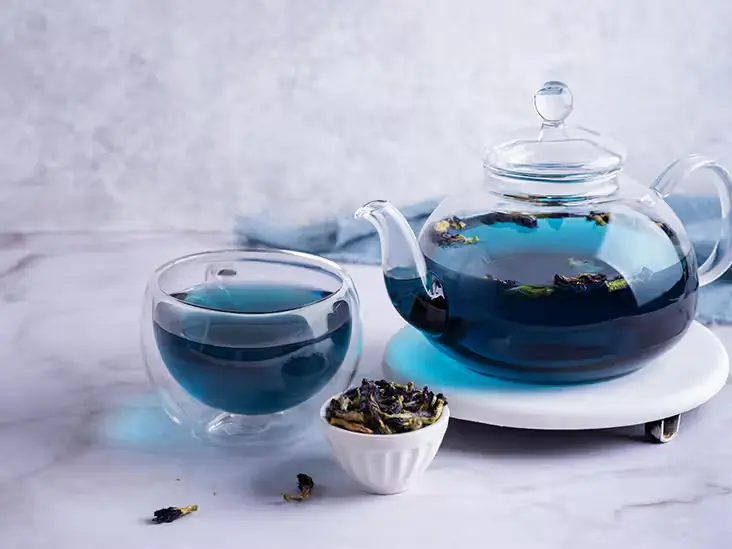
Blue ternate tea is a caffeine-free herbal infusion made by steeping dried or fresh butterfly pea flowers in hot water, producing a naturally blue-colored drink.
How It Is Made
The flowers are steeped in hot water for several minutes, similar to how you would prepare any loose-leaf or flower-based herbal tea, then strained before drinking.
Fresh vs. Dried Flowers
Fresh flowers give a lighter color and milder flavor, while dried flowers are more concentrated and produce a deeper blue with a slightly stronger, earthy taste. Dried flowers are also more shelf-stable and widely available commercially.
Hot Blue Ternate Tea
Served hot, the tea has a gentle, slightly grassy or earthy flavor and is often enjoyed plain or with a touch of honey.
Iced Blue Ternate Tea
Chilled over ice, it becomes a refreshing, visually striking drink, and it’s often the base for the color-changing lemonade the flower is famous for.
Best Time to Drink Blue Ternate Tea
Because it’s caffeine-free, it can be enjoyed at any time of day, including in the evening, without the risk of disrupting sleep the way caffeinated tea or coffee might.
How to Make Blue Ternate Tea
Ingredients
- 8–10 dried blue ternate flowers (or a small handful of fresh flowers)
- 2 cups water
- Honey, sugar, or a natural sweetener (optional)
- A slice of lemon or calamansi (optional, for a color-changing effect)
Equipment Needed
- A small pot or kettle
- A teapot, mug, or heatproof pitcher
- A fine mesh strainer
- A spoon for stirring
Step-by-Step Instructions
Step 1: Prepare the Flowers
Measure out your dried or fresh flowers and rinse fresh flowers gently under cool water if using them.
Step 2: Boil Water
Bring 2 cups of water to a gentle boil, then remove it from the heat so it isn’t at a rolling boil when it touches the flowers.
Step 3: Steep the Flowers
Add the flowers to your teapot or mug, pour the hot water over them, and let them steep for 5–8 minutes, or until the water turns a deep blue.
Step 4: Strain the Tea
Pour the tea through a fine mesh strainer into your serving cup or pitcher to remove the flowers.
Step 5: Serve and Enjoy
Sweeten to taste if desired, and serve hot, or pour over ice for an iced version. Add a squeeze of lemon or calamansi right before serving if you want to see the color shift from blue to purple.
Tips for Better Flavor
Steeping too long or using too many flowers can make the tea taste overly grassy or bitter, so start with a smaller amount of flowers and adjust to your taste in future batches. A small amount of honey, ginger, or citrus can round out the flavor nicely.
Blue Ternate Lemonade
What Is Blue Ternate Lemonade?
Blue ternate lemonade is a two-toned or color-changing drink made by combining brewed blue ternate tea with fresh lemon or calamansi juice and a sweetener.
Why It Changes Color
The tea starts out blue because of its anthocyanin pigments, but when acidic lemon or calamansi juice is added, the pH shift turns the drink a vivid purple or magenta, creating the signature layered or swirling color effect.
Ingredients
- 1 cup brewed blue ternate tea, cooled
- 2–3 tablespoons fresh lemon or calamansi juice
- 2–3 tablespoons sugar or honey, or to taste
- Ice cubes
- Water, as needed to adjust strength
Step-by-Step Recipe
- Brew a batch of blue ternate tea and let it cool completely.
- In a separate glass, mix the lemon or calamansi juice with your sweetener until dissolved.
- Fill a glass with ice, then pour in the cooled blue ternate tea.
- Slowly pour the lemon mixture on top and watch the color shift form as it mixes.
- Stir gently just before drinking if you prefer a fully blended purple drink instead of a layered look.
Variations and Flavor Additions
You can add fresh mint leaves, a splash of soda water for fizz, sliced fruit like strawberries or dragon fruit for extra color contrast, or a touch of ginger for warmth.
Serving Suggestions
Serve in a clear glass to highlight the color-changing effect, and add a lemon or calamansi wheel on the rim for presentation, especially if serving guests or selling it as a specialty drink.
Other Popular Blue Ternate Recipes
Blue Ternate Iced Tea
A simple chilled version of the basic tea, often lightly sweetened and served over ice as a refreshing alternative to soda.
Blue Ternate Milk Tea
Combines brewed blue ternate tea with milk (dairy or plant-based) and a sweetener, sometimes layered to show off the color contrast before stirring.
Blue Ternate Latte
A café-style drink made by mixing concentrated blue ternate tea with steamed milk, similar in concept to a matcha or turmeric latte but with its own distinct blue hue.
Blue Ternate Rice
Dried flowers are steeped in the water used to cook rice, tinting the grains a soft blue without altering their flavor significantly, popular for festive or visually themed meals.
Blue Ternate Jelly
Brewed tea is combined with gelatin or agar and sugar, then set into a blue jelly dessert, sometimes layered with other colors for a marbled effect.
Blue Ternate Smoothie
Blended with fruits like banana, mango, or berries along with blue ternate tea or powder, creating a naturally colored smoothie without artificial dye.
Blue Ternate Mocktail
A non-alcoholic drink combining blue ternate tea, soda water or tonic, citrus juice, and garnishes like mint or edible flowers for an eye-catching presentation.
Blue Ternate Desserts
Beyond jelly, the flower’s extract or tea is used to color and flavor cakes, macarons, ice cream, and traditional Filipino kakanin (rice cakes) for a natural blue tint.
Blue Ternate Side Effects
Is Blue Ternate Safe?
For most healthy adults, blue ternate is generally considered safe when consumed in moderate amounts as tea or in food. As with any herbal ingredient, individual reactions can vary, and moderation is key.
Possible Digestive Discomfort
Some people report mild stomach upset, nausea, or a laxative-like effect when consuming large amounts of the tea or extract.
Allergic Reactions
As with any plant-based product, allergic reactions are possible, particularly in individuals with known sensitivities to legumes or related plants. Symptoms could include itching, rash, or swelling, and would warrant discontinuing use.
Interactions With Certain Medications
Because some of the plant’s compounds have been studied for effects on blood pressure, blood sugar, and blood clotting in preliminary research, there is a theoretical concern about interactions with related medications (such as blood thinners, diabetes medication, or blood pressure medication). Anyone on these medications should consult a doctor before regular use.
Effects of Excessive Consumption
Drinking very large quantities of concentrated blue ternate tea or extract, well beyond typical serving sizes, hasn’t been thoroughly studied for long-term safety and is best avoided.
Who Should Be Cautious?
Pregnant or breastfeeding individuals, people on relevant medications, those with known plant allergies, and anyone with a chronic medical condition should approach blue ternate cautiously and check with a healthcare provider first.
Side Effects of Blue Ternate Tea
Drinking Too Much Tea
Overconsumption of any herbal tea, including blue ternate, can lead to digestive discomfort or an upset stomach, simply due to the volume of liquid and plant compounds involved.
Potential Effects on Sensitive Individuals
People with sensitive digestive systems, low blood pressure, or blood sugar irregularities may notice effects more readily than others and should start with smaller amounts to see how their body responds.
Pregnancy and Breastfeeding Considerations
Certain traditional practices in some cultures have used parts of the Clitoria ternatea plant for purposes not related to typical tea consumption, which has led to general caution around use during pregnancy. Because dedicated safety research in pregnant or breastfeeding individuals is limited, it’s best to avoid regular consumption during pregnancy or breastfeeding unless a doctor has specifically advised otherwise.
Effects on Blood Pressure and Blood Sugar
Given the preliminary research on blood pressure and metabolic effects discussed earlier, individuals with blood pressure or blood sugar conditions should monitor how they feel and consult their doctor, particularly if consuming the tea regularly.
When to Stop Consumption
If you notice digestive upset, allergic symptoms, unusual dizziness, or any other adverse reaction after drinking blue ternate tea, stop consumption and consult a healthcare provider if symptoms persist.
Who Should Avoid Blue Ternate?
Individuals With Plant Allergies
Those with known allergies to legumes or related plants should avoid blue ternate or introduce it cautiously.
People Taking Certain Medications
Anyone taking blood thinners, blood pressure medication, or diabetes medication should consult a doctor first, given the plant’s studied (though not conclusively proven) effects in these areas.
Individuals With Specific Medical Conditions
People with kidney disease, low blood pressure, or blood sugar disorders should seek medical advice before regular consumption.
Pregnant and Breastfeeding Women
As noted above, this group should exercise caution and default to avoiding regular use unless cleared by a healthcare provider.
Those Under Medical Supervision
Anyone currently under active medical treatment or supervision for a chronic condition should treat blue ternate the same way they would any new herbal product: bring it up with their doctor before adding it to their routine.
How Much Blue Ternate Tea Should You Drink?
Moderate Consumption Guidelines
There’s no official, universally established daily limit for blue ternate tea, but most people who enjoy it do so in the range of one to two cups per day as part of a varied diet.
Daily Intake Considerations
Because long-term, high-dose human studies are limited, treating blue ternate tea as an occasional or moderate daily beverage — rather than something consumed in very large quantities — is the more cautious approach.
Factors That Affect Consumption
Body weight, existing health conditions, medication use, and individual sensitivity all play a role in how much is appropriate for any one person.
Listening to Your Body
If you notice any unusual symptoms after drinking blue ternate tea, it’s reasonable to reduce your intake or stop altogether and see a doctor if symptoms don’t resolve.
How to Grow Blue Ternate at Home
Climate Requirements
Blue ternate thrives in warm, tropical to subtropical climates with plenty of sunlight, making most of the Philippines well suited to growing it outdoors year-round.
Soil Requirements
The plant prefers well-draining soil and isn’t particularly demanding about soil fertility, though it benefits from occasional organic compost.
Planting Methods
It can be grown from seed (often soaked briefly before planting to help germination) or from stem cuttings, planted near a trellis, fence, or other support structure.
Watering and Maintenance
Regular watering is helpful while the plant is establishing itself, though established vines are relatively drought-tolerant. Occasional pruning helps encourage more blooms.
Harvesting Flowers
Flowers are best picked in the morning when fully open, using gentle fingers or small scissors to avoid damaging the vine.
Drying Flowers for Tea
Harvested flowers can be air-dried in a shaded, well-ventilated area or dried using a food dehydrator on a low setting, then stored in an airtight container away from direct light.
Blue Ternate as a Business Opportunity
Selling Fresh Blue Ternate Flowers
Home gardeners with productive vines sometimes sell fresh flowers locally to neighbors, small cafés, or market vendors interested in natural food coloring.
Dried Blue Ternate Tea Business
Drying and packaging flowers for tea is one of the most common small businesses built around the plant, often sold in resealable pouches or tea-bag form.
Blue Ternate Lemonade Stall
Given its visual appeal, blue ternate lemonade is a popular product for small drink stalls, food fairs, and school or community events.
Herbal Tea Business
Some entrepreneurs build a broader herbal tea line that includes blue ternate alongside other local herbs like lemongrass or moringa.
Blue Ternate Café Menu Ideas
Cafés often feature blue ternate as a specialty item — lattes, iced teas, or mocktails — as a way to stand out on a menu with a visually distinctive, Instagram-friendly drink.
Natural Food Coloring Products
Because of consumer interest in reducing synthetic dyes, blue ternate extract or powder can be marketed as a natural coloring ingredient for other food and beverage producers.
Online Blue Ternate Product Store
Selling dried flowers, tea bags, or powdered extract through online marketplaces and social media has become a common way for small Filipino producers to reach a wider customer base.
Blue Ternate Products in the Philippines
Dried Blue Ternate Flowers
Loose dried flowers are widely available at markets, health stores, and online sellers, typically sold by weight in resealable packaging.
Tea Bags
Pre-portioned tea bags offer a more convenient option for people who want a consistent, mess-free brewing experience.
Powdered Blue Ternate
Powdered forms of the flower are used for baking, smoothies, and other recipes where a fine, easily dissolved coloring or flavoring is more practical than whole flowers.
Herbal Beverage Mixes
Some brands combine blue ternate with other herbs or natural flavorings into ready-to-brew herbal tea blends.
Natural Food Coloring Products
Concentrated liquid or powdered extracts marketed specifically as natural food coloring are increasingly available for home bakers and small food businesses.
Common Mistakes When Using Blue Ternate
Using Too Many Flowers
Adding too many flowers per cup can result in an overly strong, grassy, or bitter taste rather than a more pleasant, balanced flavor.
Improper Storage
Storing dried flowers in a humid or sunlit area can cause them to lose color and flavor quickly, or develop mold; an airtight container in a cool, dark place is best.
Expecting Instant Health Results
Because most of the flower’s potential health benefits are based on preliminary research, expecting immediate or dramatic health effects from drinking the tea is unrealistic.
Ignoring Possible Allergies
Trying a large amount for the first time without watching for allergic or digestive reactions is a common oversight, especially for those with known plant sensitivities.
Using It as a Medical Treatment Substitute
Treating blue ternate tea as a replacement for prescribed medication, especially for blood pressure or blood sugar management, is a mistake that could have real health consequences.
Consuming Excessive Amounts
Drinking very large quantities daily, assuming “more is better,” isn’t supported by current evidence and may increase the likelihood of digestive or other side effects.
Frequently Asked Questions
What is blue ternate? Blue ternate is the common name for the flower of Clitoria ternatea, also known as the butterfly pea flower, valued for its natural blue color and use in herbal tea, food, and natural dye.
What are the benefits of blue ternate? Its main potential benefits come from its antioxidant content, particularly anthocyanins and flavonoids, which are being studied for possible roles in supporting overall wellness, though most evidence so far comes from lab and animal research.
What are the benefits of blue ternate tea? As a caffeine-free herbal beverage, it offers hydration, a mild antioxidant content, and a lower-sugar alternative to sweetened drinks when prepared without excess sweetener.
Is blue ternate good for kidneys? There’s no strong clinical evidence of a specific kidney benefit; any benefit is likely tied to general hydration rather than a unique property of the flower. Those with kidney conditions should consult a doctor before regular use.
Is blue ternate good for high blood pressure? Some preliminary lab and animal studies have explored effects on blood vessels and circulation, but human clinical evidence is limited. It should never replace prescribed blood pressure medication.
What are the side effects of blue ternate? Possible side effects include digestive discomfort, allergic reactions in sensitive individuals, and theoretical interactions with certain medications, particularly at high doses.
Is blue ternate tea safe to drink daily? In moderate amounts, most healthy adults can drink it daily without issue, though very large quantities and long-term high-dose use haven’t been well studied.
What is blue ternate called in Tagalog? There isn’t one standardized Tagalog name; most Filipinos simply use “blue ternate” or “butterfly pea” interchangeably, as the plant became widely known relatively recently.
How do you make blue ternate tea? Steep dried or fresh flowers in hot water for 5–8 minutes, strain, and sweeten to taste; it can be served hot or over ice.
What is blue ternate lemonade? It’s a color-changing drink made by combining blue ternate tea with lemon or calamansi juice and a sweetener, which shifts the color from blue to purple due to the acidity.
Can children drink blue ternate tea? In small, occasional amounts it’s generally considered low-risk for most children, but as with any herbal product, it’s best to check with a pediatrician first, particularly for very young children or those with existing health conditions.
How do you grow blue ternate at home? Plant seeds or cuttings near a trellis or fence in well-draining soil, water regularly while it establishes, and provide plenty of sunlight; flowers can typically be harvested within a few months.
Bottom Line
Blue ternate is a popular herbal flower known for its vibrant color, antioxidant content, and versatility in teas, lemonades, and culinary applications, making it an appealing choice for health-conscious consumers and food entrepreneurs alike. As with any herbal ingredient, it’s best enjoyed in moderation, with attention to individual sensitivities, medication interactions, and existing health conditions — and it should never replace professional medical advice or prescribed treatment.