
Classic Filipino Beef Dishes: 30 Traditional Recipes Every Filipino Should Try
Classic Filipino beef dishes are the recipes that show up again and again at family gatherings, fiestas, and Sunday lunches — the caldereta simmering on the stove, the bulalo everyone waits for, the bistek that never lasts long on the table. These dishes matter because they carry memory: a grandmother’s recipe, a province’s specialty, a dish tied to a specific holiday or celebration.
Beef earns its place in Filipino cooking because it holds up beautifully in the kind of cooking Filipino cuisine favors — long, slow braises; rich stews; savory soups; quick stir-fries; and smoky grilled skewers. Its natural richness pairs well with the sour, salty, and sweet flavor combinations that define the cuisine, and tougher, more affordable cuts become tender and flavorful with the right technique.
Some of these recipes have barely changed in generations, passed down exactly as a lola or tita once cooked them. Others have shifted with regional influences, immigrant cuisines, and modern kitchen shortcuts like pressure cookers and slow cookers. This guide brings together 30 traditional Filipino beef dishes, along with practical cooking tips, healthier alternatives, and ideas for turning these recipes into a food business.
Key Takeaways
- Filipino beef dishes are known for their rich, savory flavors and comforting appeal.
- Many recipes use affordable beef cuts that become tender through slow cooking.
- Classic beef dishes are staples during fiestas, holidays, family celebrations, and everyday meals.
- Several beef recipes can be adapted for restaurants, carinderias, catering services, and meal businesses.
- Proper meat selection and cooking techniques greatly improve flavor and tenderness.
Table of Contents
What Are Classic Filipino Beef Dishes?
Definition of Filipino Beef Cuisine
Filipino beef cuisine refers to the collection of traditional recipes that use beef as the primary protein, prepared using techniques and flavor profiles specific to Filipino cooking. This includes tomato-based stews, soy-vinegar braises, clear bone broths, sour tamarind soups, and grilled or fried preparations. What sets these dishes apart is the balance of flavors — often sweet, salty, and sour in the same dish — along with the use of aromatics like garlic, onion, and bay leaf as a flavor base.
Why Beef Is Popular in Filipino Cooking
Beef is prized in Filipino households because it is versatile and forgiving. Tougher, budget-friendly cuts like shank, brisket, and chuck can be transformed into tender, deeply flavored dishes through slow braising, while premium cuts like sirloin and tenderloin shine in quick-cooked dishes like bistek and salpicao. Beef also absorbs marinades and sauces well, making it ideal for the soy-based, tomato-based, and vinegar-based dishes that define much of Filipino cuisine.
Common Cooking Methods
Filipino beef dishes typically rely on a handful of core techniques: braising in liquid over low heat until the meat is fork-tender, sautéing (guisado) as a base for stews, boiling for clear soups, grilling over charcoal for smoky skewers and steaks, and deep-frying for crispy preparations. Many recipes combine two or more of these methods — searing beef first, then braising it in sauce, for example.
Regional Influences on Filipino Beef Dishes
Different regions of the Philippines have put their own stamp on beef cooking. Bulalo and pares are strongly associated with Batangas and Manila’s street food scene, papaitan comes from the Ilocos region and leans into bitter, offal-forward flavors, and kansi is a Bacolod specialty that blends the sourness of sinigang with the richness of bulalo. Spanish colonial influence shows up in dishes like caldereta, mechado, and morcon, while Chinese influence is evident in dishes like asado and beef mami.
Common Beef Cuts Used in Filipino Recipes
Beef Brisket
Well-marbled and full of connective tissue, brisket becomes rich and tender when braised slowly. It’s a popular choice for pares, caldereta, and mechado.
Beef Shank
Shank includes bone and marrow, which enrich broths as they cook. It’s the classic cut for bulalo and kansi, where the marrow itself is part of the appeal.
Beef Chuck
Chuck is flavorful and holds up well to long cooking, making it a reliable, budget-friendly option for stews like afritada, menudo, and pochero.
Beef Sirloin
Leaner and more tender than chuck or brisket, sirloin is often used in dishes that cook quickly, such as bistek Tagalog and beef salpicao.
Beef Short Ribs
Short ribs bring good marbling and a deep beefy flavor, making them a favorite for kare-kare and for grilling.
Beef Tenderloin
The most tender cut available, tenderloin is reserved for special-occasion dishes and quick-seared preparations like salpicao, where its texture is the star.
Beef Liver
Beef liver adds richness and depth, either as a main ingredient in papaitan or blended into liver spread for caldereta and menudo sauces.
Ground Beef (Giniling)
Ground beef is one of the most versatile cuts in Filipino cooking, forming the base for giniling, picadillo, lumpia, and embutido.
30 Classic Filipino Beef Dishes
1. Beef Caldereta
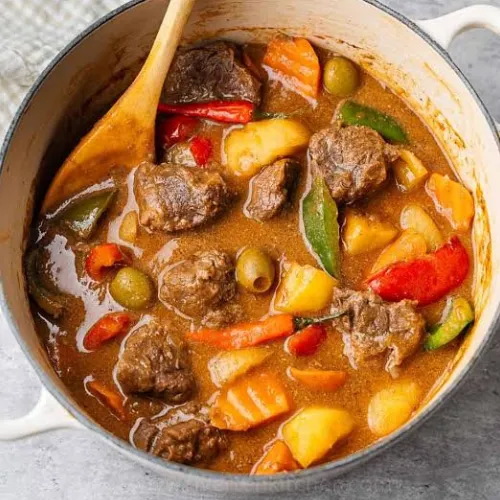
Dish Overview: A hearty tomato-based stew with Spanish roots, traditionally made with goat but widely prepared with beef in most Filipino households today.
Main Ingredients: Beef chuck or brisket, tomato sauce, liver spread, potatoes, carrots, bell peppers, olives, cheese.
Cooking Method: Beef is braised slowly in tomato sauce and liver spread until tender, then finished with vegetables and cheese.
Best Served With: Steamed white rice.
2. Beef Kare-Kare
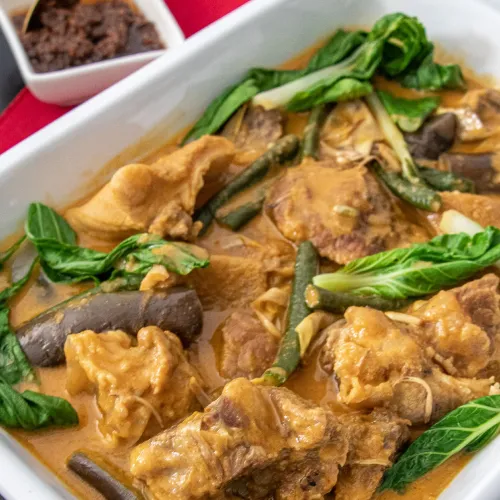
Dish Overview: A rich, thick peanut-based stew traditionally made with oxtail and tripe, though beef short ribs are a common substitute.
Main Ingredients: Beef, ground peanuts or peanut butter, ground toasted rice, banana blossom, string beans, eggplant, bagoong (shrimp paste).
Cooking Method: Beef is simmered until tender, then combined with a peanut and rice-based sauce and vegetables.
Best Served With: White rice and a side of bagoong.
3. Beef Mechado
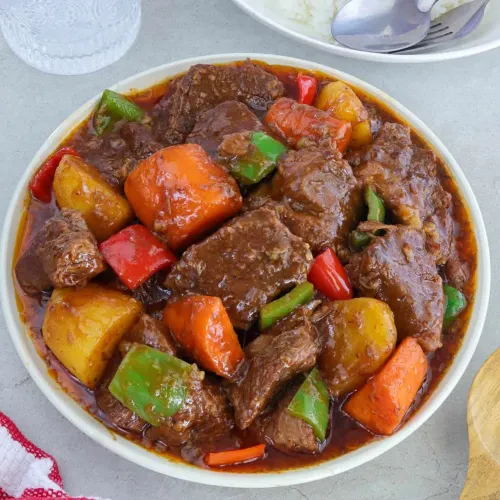
Dish Overview: A tomato-and-soy braise similar to caldereta but milder, often made with a whole or larded cut of beef.
Main Ingredients: Beef chuck or brisket, tomato sauce, soy sauce, potatoes, carrots, bay leaf.
Cooking Method: Beef is browned, then slow-braised in a tomato-soy sauce mixture until fork-tender.
Best Served With: Steamed rice.
4. Beef Afritada
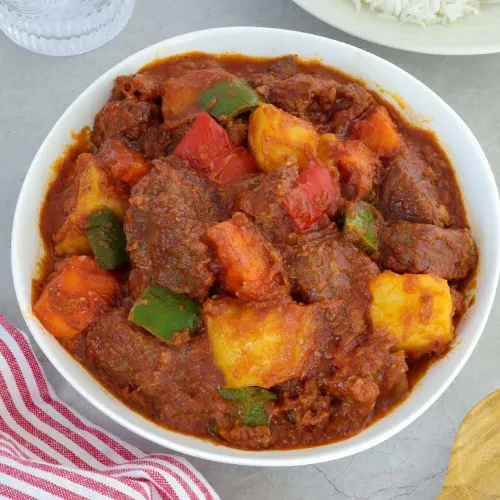
Dish Overview: A simpler cousin of caldereta, built around tomato sauce and colorful vegetables rather than liver spread or olives.
Main Ingredients: Beef, tomato sauce, potatoes, carrots, bell peppers, garlic, onion.
Cooking Method: Beef is sautéed with garlic and onion, then braised in tomato sauce with vegetables.
Best Served With: Plain steamed rice.
5. Beef Nilaga
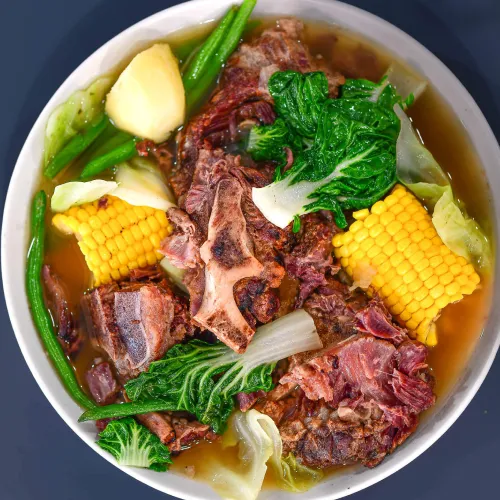
Dish Overview: A comforting clear beef soup that relies on the natural flavor of bone-in beef rather than heavy seasoning.
Main Ingredients: Beef shank or brisket, cabbage, potatoes, corn, plantains, peppercorns.
Cooking Method: Beef is boiled slowly until tender, then vegetables are added toward the end of cooking.
Best Served With: Rice and a side of fish sauce with calamansi.
6. Bulalo
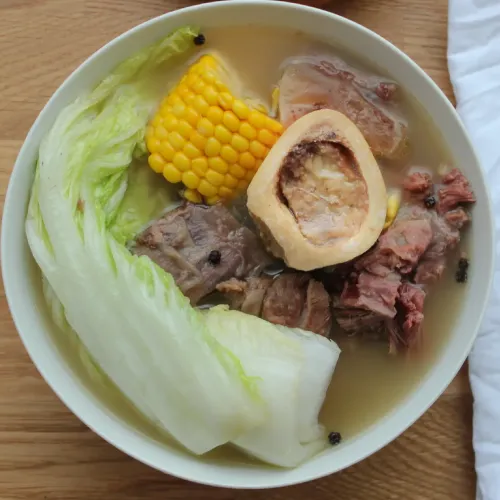
Dish Overview: A beloved beef shank and marrow soup famous for its rich, savory broth, especially popular in Tagalog regions like Batangas.
Main Ingredients: Beef shank with bone marrow, corn, cabbage, pechay, potatoes.
Cooking Method: Beef shank is simmered for hours until the marrow enriches the broth and the meat is tender.
Best Served With: Steamed rice and fish sauce with chili.
7. Beef Adobo
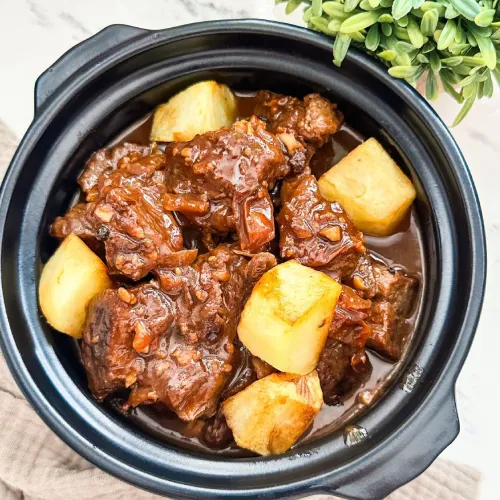
Dish Overview: A variation of the Philippines’ most iconic dish, using beef instead of the more common pork or chicken.
Main Ingredients: Beef, soy sauce, vinegar, garlic, bay leaf, peppercorns.
Cooking Method: Beef is marinated, then braised in the soy-vinegar mixture until tender and the sauce reduces.
Best Served With: Steamed white rice.
8. Beef Steak (Bistek Tagalog)
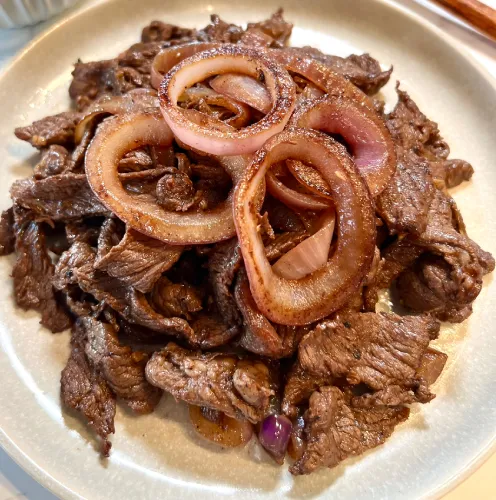
Dish Overview: A savory, tangy pan-fried beef dish flavored with soy sauce and calamansi, topped generously with onions.
Main Ingredients: Thinly sliced beef sirloin, soy sauce, calamansi juice, onions, black pepper.
Cooking Method: Beef is marinated, seared, then simmered briefly with the marinade and topped with softened onions.
Best Served With: Garlic fried rice.
9. Beef Pares
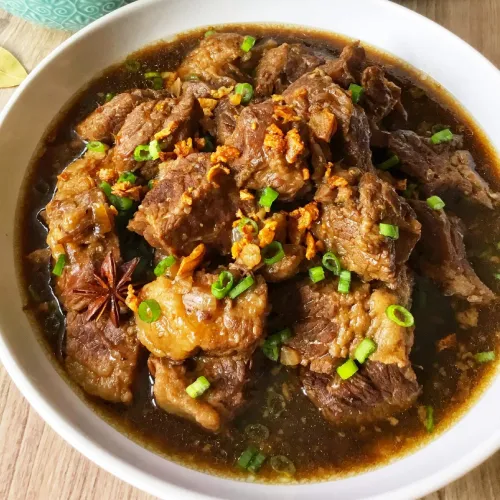
Dish Overview: A popular street-food combo of sweet, soy-braised beef served alongside a light broth and garlic rice.
Main Ingredients: Beef brisket or shank, soy sauce, brown sugar, star anise, garlic.
Cooking Method: Beef is braised slowly in a sweet soy broth flavored with star anise until tender.
Best Served With: Garlic fried rice and a bowl of the cooking broth.
10. Beef Tapa
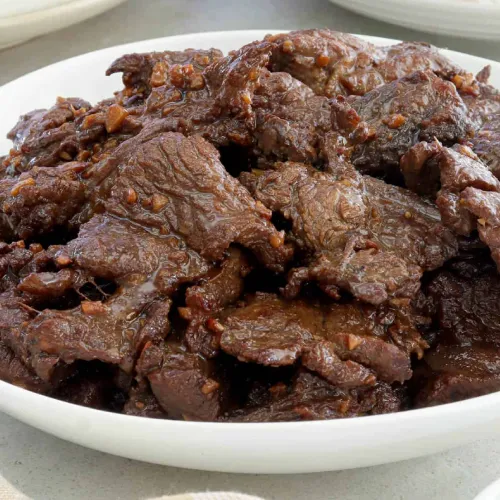
Dish Overview: Thinly sliced, marinated beef that’s pan-fried until slightly caramelized — a breakfast staple in the classic tapsilog combo.
Main Ingredients: Thin beef slices, soy sauce, garlic, sugar, calamansi or vinegar.
Cooking Method: Beef is marinated overnight, then pan-fried until browned and slightly crisp at the edges.
11. Beef Morcon
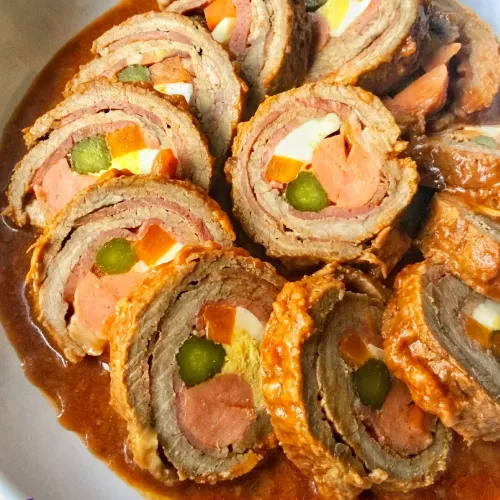
Dish Overview: An elegant stuffed and rolled beef dish reserved for special occasions like Noche Buena and birthdays.
Best Served With: Garlic fried rice (sinangag) and a fried egg.
Main Ingredients: Thin beef slices, hard-boiled eggs, carrots, sausage, pickles, cheese.
Cooking Method: Beef is rolled around the filling, tied, browned, then slowly braised in tomato sauce until tender.
Best Served With: Steamed rice, often as part of a holiday spread.
12. Beef Menudo
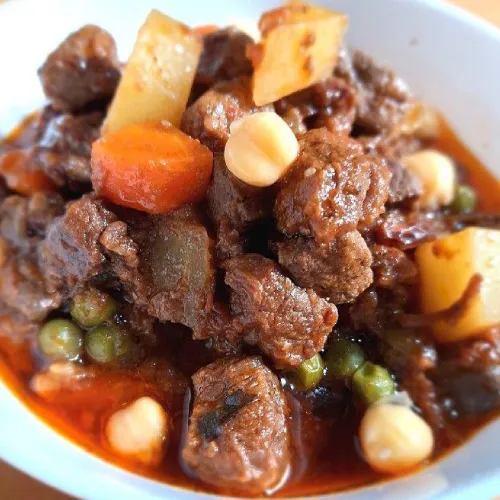
Dish Overview: A tomato-based stew similar to afritada but typically diced smaller and enriched with liver.
Main Ingredients: Diced beef, liver, tomato sauce, potatoes, carrots, raisins, bell peppers.
Cooking Method: Beef and liver are sautéed, then braised in tomato sauce with vegetables until thickened.
Best Served With: Steamed rice or pandesal.
13. Beef Giniling
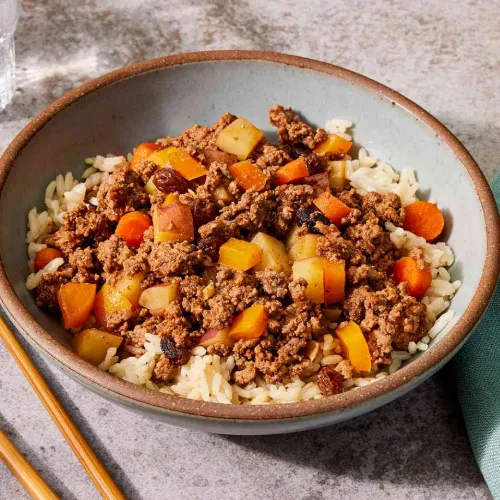
Dish Overview: A quick, everyday ground beef dish that’s a staple in home kitchens for its simplicity and affordability.
Main Ingredients: Ground beef, potatoes, carrots, tomato sauce, garlic, onion.
Cooking Method: Ground beef is sautéed with aromatics, then simmered with diced vegetables in tomato sauce.
Best Served With: Steamed white rice.
14. Beef Sinigang
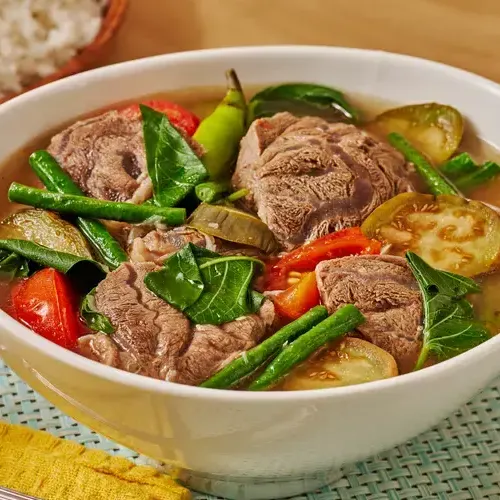
Dish Overview: A sour, comforting soup that showcases the Filipino love for tamarind-based broths, made here with beef instead of pork or shrimp.
Main Ingredients: Beef shank or short ribs, tamarind, kangkong, radish, string beans, tomatoes.
Cooking Method: Beef is boiled until tender, then simmered with tamarind broth and vegetables.
Best Served With: Steamed rice and fish sauce.
15. Beef Papaitan
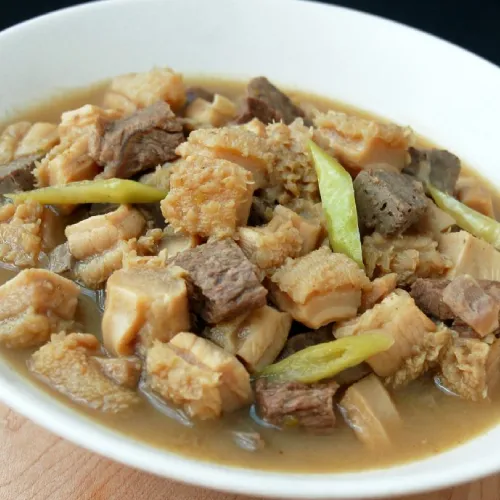
Dish Overview: An Ilocano specialty known for its distinctive bitter flavor, built around beef innards and bile.
Main Ingredients: Beef innards (tripe, liver), beef bile, ginger, chili, green onions.
Cooking Method: Innards are boiled and sliced, then simmered in a broth seasoned with ginger and bile for its signature bitterness.
Best Served With: Rice, and often as pulutan (drinking food).
16. Beef Kansi
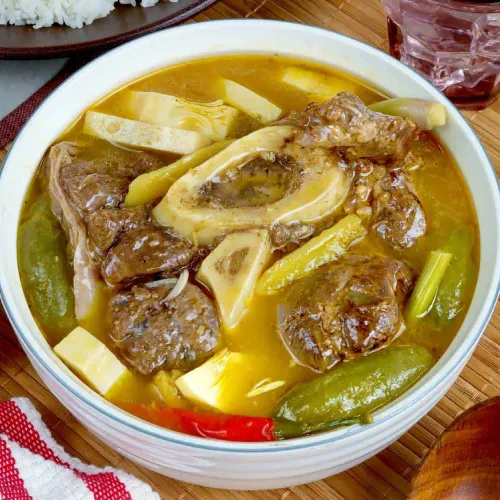
Dish Overview: A Bacolod specialty that blends the tanginess of sinigang with the richness of bulalo.
Main Ingredients: Beef shank with marrow, batwan or tamarind, corn, banana blossom, jackfruit.
Cooking Method: Beef shank is simmered slowly until tender, then combined with a sour, marrow-enriched broth.
Best Served With: Steamed rice.
17. Beef Pochero
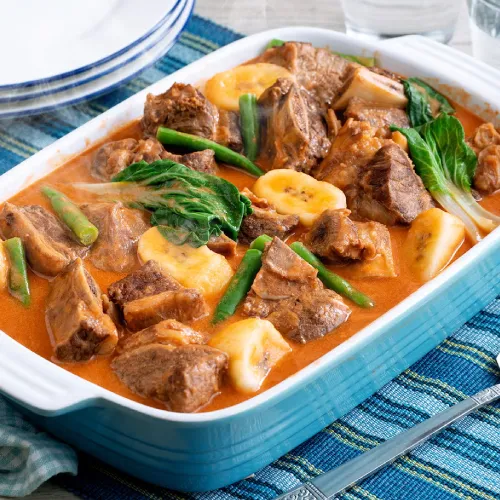
Dish Overview: A tomato-based stew that stands out for its use of sweet plantains alongside savory ingredients.
Main Ingredients: Beef, saba banana, potatoes, cabbage, tomato sauce, chorizo (optional).
Cooking Method: Beef is braised in tomato sauce, then finished with plantains and vegetables for a sweet-savory balance.
Best Served With: Rice.
18. Beef Asado
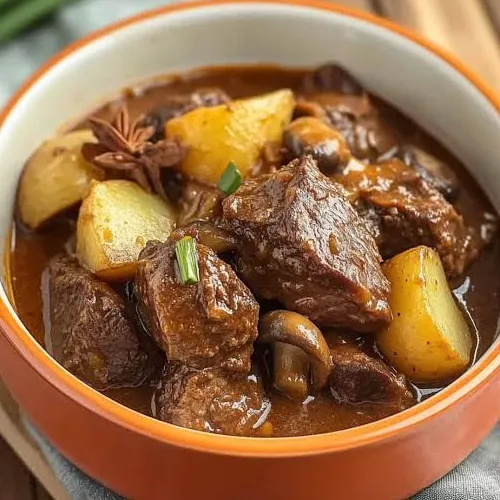
Dish Overview: A Filipino-Chinese dish featuring beef braised in a sweet, soy-based sauce, distinct from Spanish or Latin American asado.
Main Ingredients: Beef, soy sauce, brown sugar, garlic, star anise.
Cooking Method: Beef is browned, then slowly braised in the sweet soy mixture until the sauce thickens and coats the meat.
Best Served With: Steamed rice or as a filling for siopao.
19. Beef Salpicao
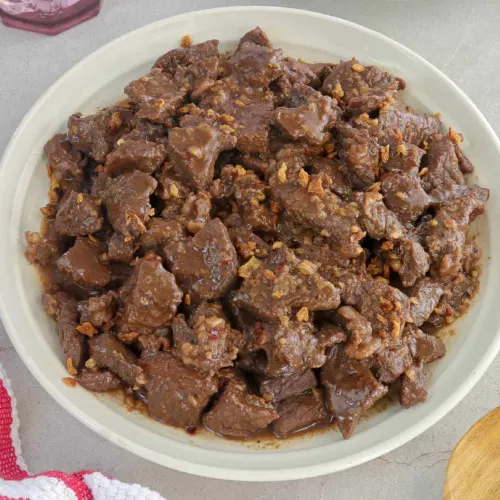
Dish Overview: A garlicky, buttery sautéed beef dish popular as an appetizer or pulutan, known for its bold aroma.
Main Ingredients: Cubed beef tenderloin or sirloin, garlic, butter, Worcestershire sauce, soy sauce.
Cooking Method: Beef cubes are quickly seared in garlic butter until browned outside but tender inside.
Best Served With: Garlic rice.
20. Beef Picadillo
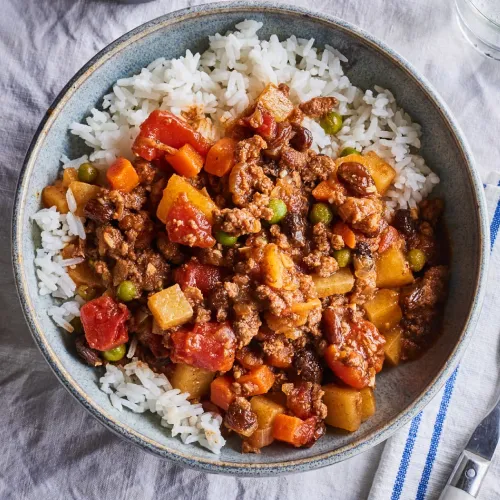
Dish Overview: A light, soupy ground beef dish that’s easy to prepare and popular for weekday meals.
Main Ingredients: Ground beef, potatoes, tomatoes, garlic, onion, patis (fish sauce).
Cooking Method: Ground beef is sautéed, then simmered with diced potatoes and tomatoes in a light broth.
Best Served With: Steamed rice.
21. Beef Lumpia
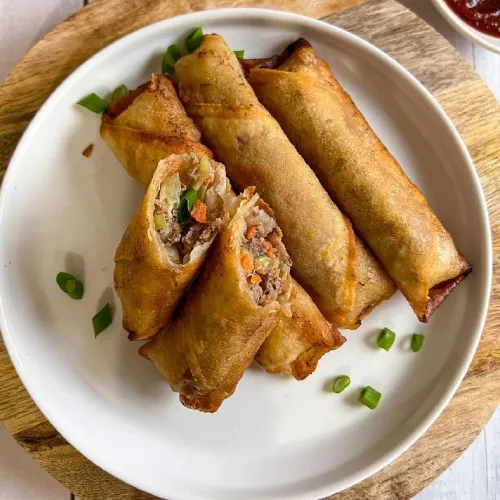
Dish Overview: A crispy fried spring roll filled with seasoned ground beef, often served as an appetizer or party food.
Main Ingredients: Ground beef, minced vegetables (carrots, onion), lumpia wrapper, garlic.
Cooking Method: Beef filling is seasoned and sautéed, wrapped in thin wrappers, then deep-fried until crisp.
Best Served With: Sweet chili sauce or vinegar dip.
22. Beef Embutido
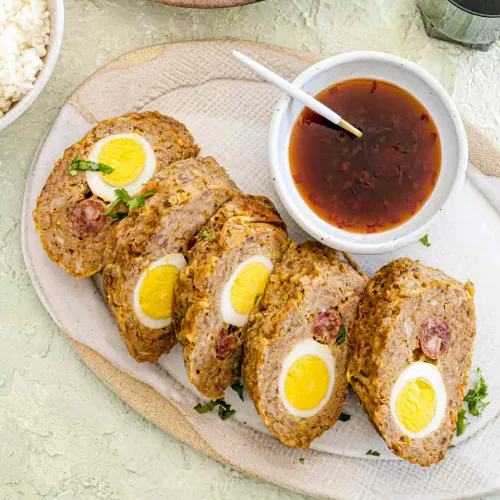
Dish Overview: A Filipino-style meatloaf traditionally made with pork but also popular in a beef version, often served during holidays.
Main Ingredients: Ground beef, hard-boiled eggs, carrots, raisins, breadcrumbs, cheese.
Cooking Method: The mixture is rolled in foil or banana leaves and steamed until fully cooked, then sliced.
Best Served With: Rice, or sliced cold as a party appetizer.
23. Beef Mami
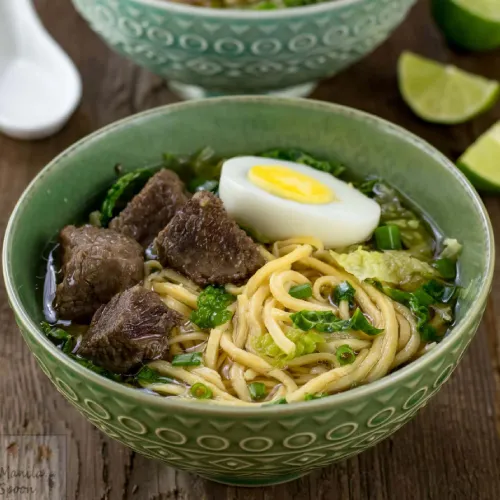
Dish Overview: A Filipino-Chinese noodle soup built around a savory beef broth, popular as a hearty, comforting meal.
Main Ingredients: Egg noodles, beef broth, sliced beef, kutchay (Chinese chives), boiled egg.
Cooking Method: Beef and bones are simmered for a rich broth, then combined with noodles and toppings.
Best Served With: Calamansi and soy sauce on the side.
24. Beef Sopas
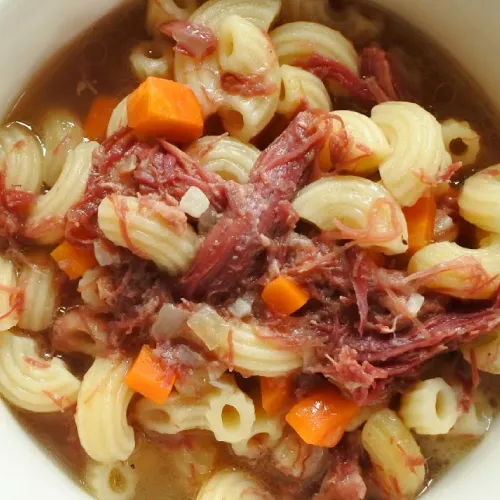
Dish Overview: A creamy macaroni soup often made for sick days or rainy afternoons, valued for being both filling and comforting.
Main Ingredients: Ground or shredded beef, elbow macaroni, evaporated milk, carrots, celery.
Cooking Method: Beef is sautéed with vegetables, simmered in broth, then finished with milk and pasta until tender.
Best Served With: As a standalone meal, sometimes with bread.
25. Beef Arroz Caldo
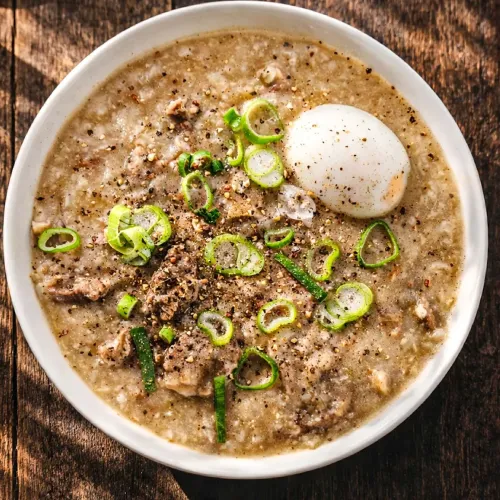
Dish Overview: A ginger-forward rice porridge traditionally made with chicken but also prepared with beef for a heartier version.
Main Ingredients: Beef strips, glutinous or regular rice, ginger, garlic, fish sauce.
Cooking Method: Rice is simmered slowly in broth with ginger and beef until it breaks down into a thick porridge.
Best Served With: Toppings like fried garlic, green onions, and calamansi.
26. Beef Curry (Filipino Style)
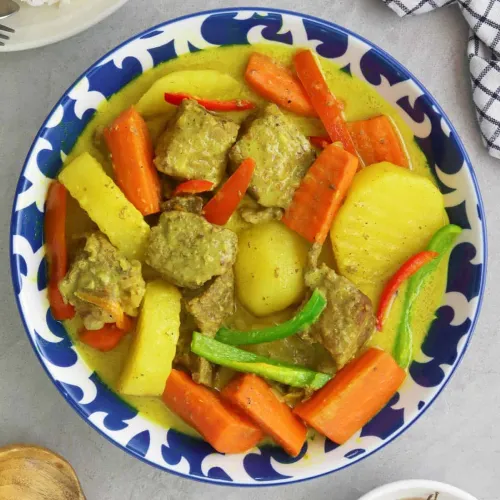
Dish Overview: A milder, coconut milk-based curry that reflects Filipino adaptation of curry flavors rather than strict Indian or Thai tradition.
Main Ingredients: Beef, curry powder, coconut milk, potatoes, carrots, bell peppers.
Cooking Method: Beef is braised in coconut milk and curry powder until tender and the sauce thickens.
Best Served With: Steamed rice.
27. Beef Guisado with Vegetables
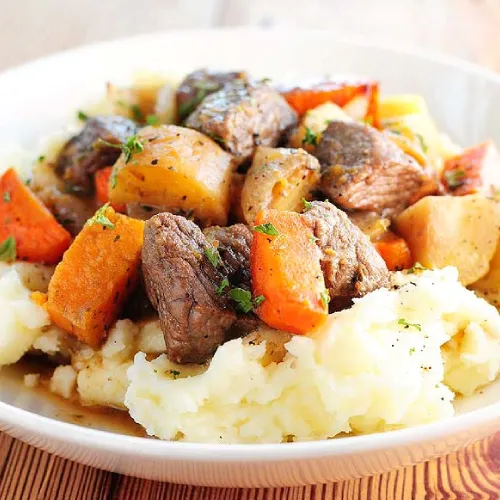
Dish Overview: A simple, everyday stir-fry that highlights whatever vegetables are on hand alongside beef.
Main Ingredients: Sliced beef, mixed vegetables (chayote, string beans, carrots), soy sauce, garlic.
Cooking Method: Beef is stir-fried with garlic and onion, then combined with vegetables and a light sauce.
Best Served With: Steamed rice.
28. Beef BBQ Skewers
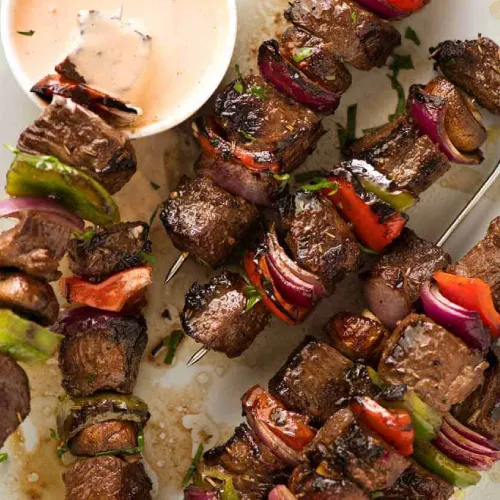
Dish Overview: Sweet and smoky grilled beef skewers commonly sold by street vendors and served at parties.
Main Ingredients: Beef strips, soy sauce, calamansi, brown sugar, banana ketchup, garlic.
Cooking Method: Beef is marinated, skewered, then grilled over charcoal until caramelized and slightly charred.
Best Served With: Vinegar dipping sauce and rice.
29. Beef Fried Rice
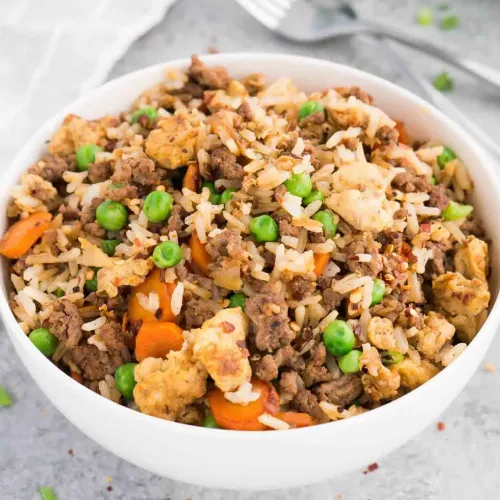
Dish Overview: A practical way to use leftover rice and beef, turning them into a flavorful one-pan meal.
Main Ingredients: Day-old rice, diced or leftover beef, garlic, soy sauce, egg.
Cooking Method: Garlic is fried until golden, then beef and rice are stir-fried together with seasoning and egg.
Best Served With: Fried egg on top and a side of atchara (pickled papaya).
30. Crispy Beef Strips
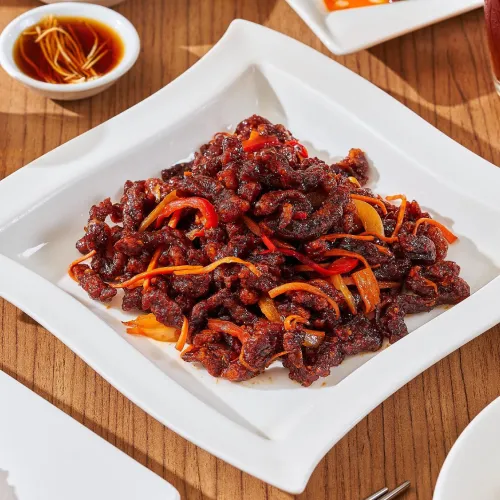
Dish Overview: A crunchy, savory snack or main dish made from dried or thinly sliced beef fried until crisp, similar in spirit to beef tapa flakes.
Main Ingredients: Thinly sliced beef, garlic, soy sauce, cornstarch, cooking oil.
Cooking Method: Marinated beef strips are coated lightly in starch, then deep-fried until crisp and golden.
Best Served With: Garlic rice and a vinegar-chili dip.
Filipino Beef Dishes by Category
Beef Soups
Beef Nilaga, Bulalo, Beef Sinigang, Beef Papaitan, Beef Kansi, Beef Mami, Beef Sopas, and Beef Arroz Caldo all fall under this category, valued for their comforting broths.
Beef Stews
Beef Caldereta, Beef Kare-Kare, Beef Mechado, Beef Afritada, Beef Menudo, Beef Pochero, and Beef Picadillo represent the slow-braised, sauce-heavy side of Filipino beef cooking.
Fried and Stir-Fried Beef Dishes
Beef Giniling, Beef Salpicao, Beef Guisado with Vegetables, Beef Fried Rice, and Crispy Beef Strips highlight quicker cooking methods suited for weekday meals.
Grilled Beef Dishes
Beef BBQ Skewers and pan-seared favorites like Beef Tapa and Bistek Tagalog bring smoky, charred flavor to the table.
Beef Rice Meals
Beef Fried Rice and Beef Arroz Caldo turn beef and rice into satisfying standalone meals.
Noodle-Based Beef Dishes
Beef Mami showcases how beef broth and noodles come together in Filipino-Chinese comfort food.
Regional Beef Specialties
Beef Papaitan (Ilocos), Beef Kansi (Bacolod), and Bulalo (Batangas and nearby Tagalog provinces) reflect how geography shapes Filipino beef cooking.
Tips for Cooking Tender Filipino Beef Dishes
Choose the Right Beef Cut
Match the cut to the cooking method — tougher cuts like shank, brisket, and chuck for long braises and soups, and leaner cuts like sirloin or tenderloin for quick-cooked dishes.
Marinate for Better Flavor
Marinating beef in soy sauce, calamansi, or vinegar for at least 30 minutes (or overnight for tougher cuts) helps tenderize the meat while building flavor.
Cook Low and Slow
Long, gentle simmering breaks down connective tissue in tougher cuts, resulting in fall-apart tenderness for dishes like caldereta, mechado, and bulalo.
Use a Pressure Cooker for Tough Cuts
A pressure cooker can cut cooking time for shank, brisket, or oxtail dramatically, making dishes like bulalo or kare-kare achievable on a weeknight.
Balance Sweet, Salty, and Sour Flavors
Many Filipino beef dishes rely on a careful balance of soy sauce, sugar, vinegar, or tamarind — tasting and adjusting throughout cooking helps get this balance right.
Let the Beef Rest Before Serving
Resting cooked beef briefly before slicing or serving allows juices to redistribute, keeping the meat moist rather than dry.
Healthy Versions of Classic Filipino Beef Dishes
Use Lean Beef Cuts
Swapping fattier cuts for leaner options like sirloin or trimmed chuck reduces saturated fat without sacrificing flavor.
Add More Vegetables
Increasing the proportion of vegetables in stews like afritada, menudo, or giniling adds fiber and nutrients while stretching the dish further.
Reduce Sodium
Using low-sodium soy sauce and controlling added salt helps make dishes like adobo, pares, and asado more heart-healthy.
Limit Oil
Trimming visible fat and skimming oil from broths or braises, especially in nilaga and bulalo, keeps these dishes lighter.
Serve With Brown Rice or Whole Grains
Pairing beef dishes with brown rice or other whole grains instead of white rice adds fiber and helps moderate blood sugar impact.
Starting a Filipino Beef Food Business
Best Beef Dishes to Sell
Dishes with strong mass appeal and manageable prep — caldereta, beef pares, bistek, beef tapa, and kare-kare — tend to perform well commercially because they’re familiar and craved.
Carinderia Menu Ideas
A rotating menu featuring one or two beef ulam options alongside rice and a soup can keep a carinderia menu affordable while still offering variety throughout the week.
Beef Rice Bowl Business
Single-serving rice bowls built around dishes like beef tapa, bistek, or salpicao are well suited to takeout and delivery formats popular with office workers and students.
Catering and Party Trays
Dishes like beef morcon, embutido, and kare-kare, which scale well and hold up over time, are strong candidates for catering trays and party platters.
Frozen Ready-to-Cook Beef Meals
Pre-marinated tapa, pre-portioned caldereta mixes, or frozen embutido rolls let customers finish cooking at home, reducing labor and spoilage for the seller.
Online Food Delivery
Listing beef dishes on delivery platforms with clear photos and consistent packaging can extend a home-based business’s reach well beyond its immediate neighborhood.
Meal Prep Business
Weekly meal prep packs built around dishes like beef giniling, picadillo, or guisado appeal to customers looking for convenient, home-style meals during the work week.
Estimated Startup Costs for a Beef Food Business
Home-Based Food Business
A basic home-based setup, using an existing kitchen with minimal new equipment, can often start with roughly ₱10,000–₱30,000 for initial ingredients, packaging, and small tools.
Small Carinderia
A small carinderia typically requires ₱50,000–₱150,000 to cover basic kitchen equipment, tables, initial inventory, and permits, depending on location and scale.
Food Stall
A food stall in a market or busy foot-traffic area often needs ₱30,000–₱100,000 for stall rental, basic cooking equipment, and starting supplies.
Restaurant
A full-service restaurant serving Filipino beef dishes generally requires a much larger investment, often ₱500,000 and up, covering lease, renovation, kitchen equipment, staffing, and licensing.
Catering Business
A catering business can start relatively lean, often ₱50,000–₱200,000, focused on cooking equipment, serving trays, and transport, since large events are typically booked in advance and paid for upfront or via deposit.
Note: these figures are general estimates for planning purposes and will vary significantly based on location, scale, and local costs — it’s worth researching current supplier and permit costs in your specific area before finalizing a budget.
Marketing Tips for Selling Beef Dishes
Offer Combo Meals
Pairing a beef dish with rice and a drink at a slightly discounted bundle price can increase average order value while giving customers a sense of good value.
Create Signature Recipes
Developing a house specialty — a distinct marinade for tapa or a unique caldereta recipe — helps a beef food business stand out in a crowded market.
Use High-Quality Ingredients
Consistently using fresh, well-sourced beef builds a reputation for quality that keeps customers coming back and justifies fair pricing.
Promote Through Social Media
Sharing photos and videos of dishes being cooked or plated, along with customer testimonials, helps build visibility, especially for home-based and delivery-focused businesses.
Encourage Customer Reviews
Positive reviews on delivery platforms and social media build trust with new customers and can be gently encouraged through good service and occasional incentives.
Offer Family and Party Platters
Bundled family-size or party-size portions of dishes like kare-kare or morcon appeal to customers planning gatherings and celebrations.
Partner With Food Delivery Platforms
Listing on established delivery apps expands reach beyond word-of-mouth and walk-in customers, particularly valuable for home-based businesses without a physical storefront.
Common Mistakes to Avoid
Choosing the Wrong Beef Cut
Using a lean, quick-cooking cut for a long braise (or vice versa) leads to either tough, chewy meat or overcooked, dry results.
Overcooking or Undercooking the Beef
Both extremes ruin texture — undercooked tough cuts stay chewy, while overcooked lean cuts turn dry and stringy.
Not Marinating When Needed
Skipping the marinating step for dishes like bistek or tapa results in flatter flavor and less tender meat.
Overpowering the Natural Beef Flavor
Excessive use of strong spices or sauces can mask the beef itself rather than complementing it — balance is key.
Poor Portion Control
Inconsistent portioning, especially in a food business, can hurt profit margins and create an inconsistent customer experience.
Ignoring Food Safety Standards
Improper storage, unsafe reheating, or inconsistent cooking temperatures put both home cooks and food businesses at risk — proper food handling should never be skipped for the sake of speed.
Frequently Asked Questions
What are the most popular classic Filipino beef dishes?
Beef caldereta, bistek Tagalog, bulalo, beef pares, and beef kare-kare are among the most widely recognized and requested Filipino beef dishes.
What is the best beef cut for Filipino recipes?
It depends on the dish: beef shank and brisket are best for soups and stews, while sirloin and tenderloin work well for quick-cooked dishes like bistek and salpicao.
Which Filipino beef dish is easiest to cook?
Beef giniling and bistek Tagalog are among the easiest, requiring simple ingredients and relatively short cooking times compared to slow-braised stews.
What beef dishes are commonly served during fiestas?
Beef morcon, caldereta, and kare-kare are frequently prepared for fiestas and other large family celebrations due to their festive presentation and rich flavor.
How do you make beef tender?
Choosing the right cut for the cooking method, marinating beforehand, and cooking low and slow (or using a pressure cooker) are the most reliable ways to achieve tender beef.
What are the healthiest Filipino beef dishes?
Dishes with lean cuts and lots of vegetables, such as beef sinigang, beef guisado with vegetables, and lightened versions of afritada, tend to be healthier options.
Which Filipino beef dishes are best for a food business?
Dishes with strong customer demand and manageable preparation, like beef pares, bistek, tapa, and caldereta, tend to perform best for carinderias, rice bowl businesses, and catering services.
Bottom Line
Classic Filipino Beef Dishes Continue to Bring Families Together While Offering Delicious Opportunities for Home Cooking and Food Businesses
From the rich, tomato-laced stews served at Sunday lunches to the smoky skewers sold on busy street corners, classic Filipino beef dishes remain a cornerstone of the country’s food culture. Whether the goal is recreating a beloved family recipe, exploring regional specialties, or building a small food business around a signature dish, these 30 recipes offer a strong foundation — one rooted in generations of Filipino home cooking and open to continued adaptation for years to come.