

Filipino Fusion Cuisine Concepts
Filipino fusion cuisine concepts combine traditional Filipino flavors and ingredients with international cooking styles to create unique dining experiences that appeal to modern consumers. Popular examples include Filipino-Korean street food, Filipino-Japanese sushi creations, Filipino-Mexican tacos, and elevated Filipino comfort food concepts. The best fusion concept depends on your target market, budget, and operational complexity.
The Philippines has always had a cuisine shaped by centuries of trade, colonization, and cultural exchange. From Spanish sofrito-style stewing to Chinese noodle traditions and American fast-food culture, Filipino food has always absorbed and reinterpreted foreign influences. What is different today is that Filipino chefs and food entrepreneurs are now intentionally and creatively combining these roots with global cuisines — not out of necessity, but out of artistic vision and business opportunity.
Fusion dining is becoming increasingly popular in the Philippines and among the Filipino diaspora worldwide. As Filipino food gains international recognition — boosted by celebrity chefs, food media, and a new generation of proud Filipino culinary advocates — restaurant owners and food entrepreneurs are seizing the moment to introduce bold, cross-cultural concepts that appeal to adventurous diners at home and abroad.
Table of Contents
Key Takeaways
- Filipino fusion cuisine combines traditional Filipino ingredients and cooking techniques with international culinary influences to create dishes that are innovative yet grounded in cultural identity.
- Fusion concepts help restaurants differentiate themselves in a highly competitive market by offering unique flavor experiences that cannot easily be replicated by traditional or mainstream restaurants.
- Successful Filipino fusion dishes strike a careful balance between creativity and familiarity, ensuring that Filipino flavors remain recognizable and central to the dining experience.
- There are opportunities across the entire dining spectrum — from casual eateries and food trucks to upscale fine dining concepts — making Filipino fusion accessible to entrepreneurs with varying budgets and market goals.
- The global rise of Filipino food culture, driven by social media, the diaspora, and international media coverage, creates a strong and growing demand for Filipino fusion concepts both locally and internationally.
What Is Filipino Fusion Cuisine?
Definition of Fusion Cuisine
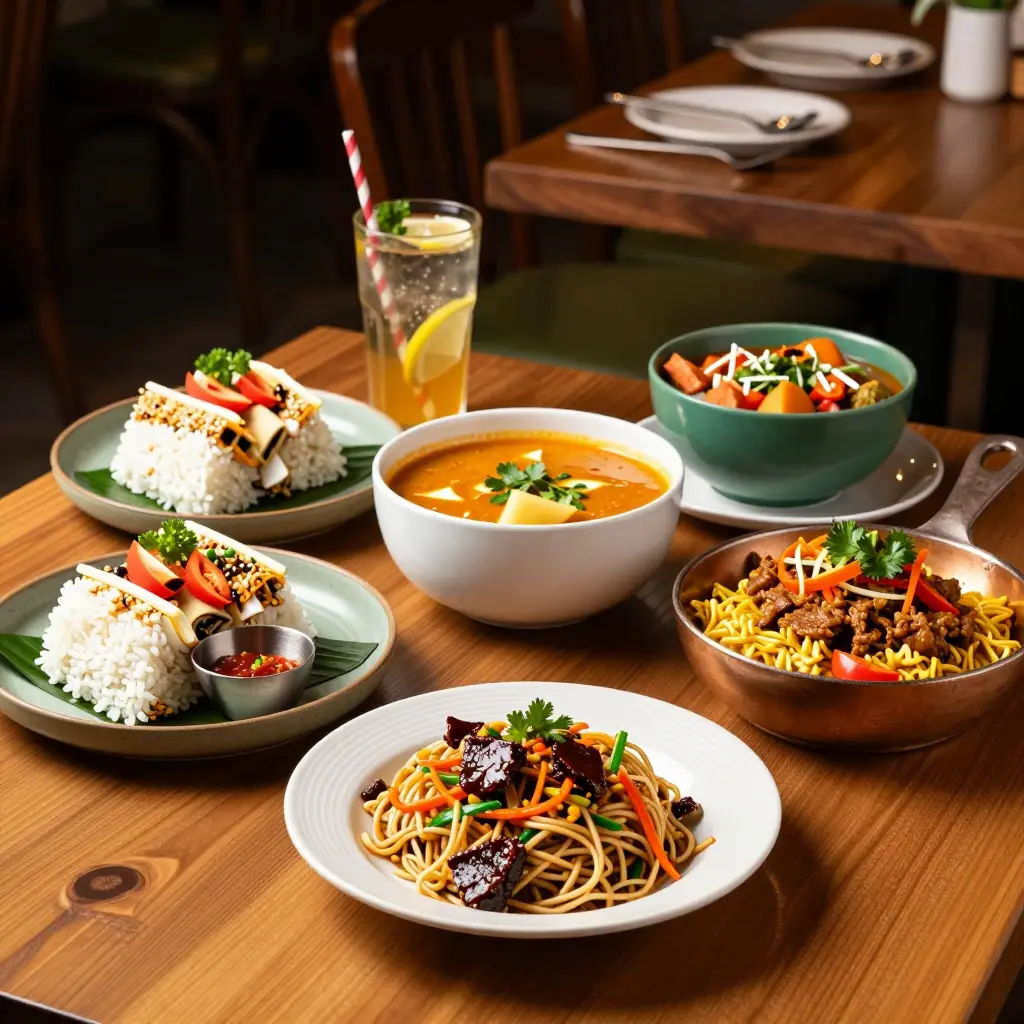
Fusion cuisine, in the broadest sense, is the deliberate combination of culinary elements from two or more distinct food cultures. It goes beyond simple ingredient substitution — it involves an intentional dialogue between cooking philosophies, flavor systems, and presentation styles from different traditions.
In a restaurant context, fusion cuisine can take many forms: a hybrid menu that features dishes from two culinary traditions side by side, a single dish that merges techniques from different cultures, or an entire restaurant concept built around a thematic blend of two food identities. The best fusion cuisine is not accidental or haphazard — it is the result of a chef or culinary team deeply understanding both traditions and finding the places where they speak the same language.
Filipino fusion cuisine specifically refers to the integration of Filipino culinary identity — its flavors of sourness, saltiness, and umami; its ingredients like vinegar, fish sauce, coconut milk, and calamansi; and its beloved dishes like adobo, sinigang, lechon, and kare-kare — with the techniques, flavors, and aesthetics of other world cuisines.
Why Filipino Flavors Work Well in Fusion Dishes
Filipino cuisine is exceptionally well-suited for fusion for several important reasons.
First, Filipino food is already inherently multicultural. It has been shaped by Malay, Spanish, Chinese, American, and indigenous Austronesian influences over hundreds of years. This means Filipino cuisine already contains familiar reference points from many culinary traditions, making it easier to connect with new partners.
Second, Filipino flavor profiles are bold but adaptable. The characteristic sour-salty-umami balance of Filipino cooking is complex enough to hold its own alongside powerful global flavors — like the fermented depth of Korean kimchi, the aromatic spice of Indian curry, or the bright acidity of Mexican salsa — while remaining complementary rather than competing.
Third, Filipino ingredients are uniquely versatile. Coconut milk works in both savory and sweet applications across many world cuisines. Vinegar-based cooking translates well into pickling traditions found globally. Fish sauce and bagoong echo the fermented, umami-rich condiments found in Southeast Asian, Japanese, and even ancient Mediterranean cooking.
Finally, Filipino dessert flavors — particularly ube (purple yam) and pandan — have proven to be irresistible additions to global pastry and beverage traditions. Their natural color, aroma, and sweetness create instant visual and sensory impact that appeals to modern diners.
Growing Demand for Modern Filipino Food Concepts
For decades, Filipino food remained relatively unknown outside of the Filipino diaspora. That has changed dramatically in the past ten years. Filipino chefs have won international awards, Filipino restaurants have earned prestigious recognition in food media, and Filipino ingredients like ube and calamansi have crossed over into mainstream grocery stores and café menus globally.
In the Philippines itself, the growing middle class, urbanization, and a younger generation of food-conscious diners are pushing demand for restaurants that are more experiential, Instagram-worthy, and conceptually distinctive. Filipino fusion restaurants answer that demand perfectly — they offer novelty without alienating local tastes, and they tell a compelling story that resonates with both local pride and global curiosity.
For Filipino entrepreneurs abroad — in the United States, Canada, Australia, the United Kingdom, the Middle East, and beyond — Filipino fusion restaurants represent a way to share their heritage with a broader audience while remaining commercially viable in markets where straight traditional Filipino food may not yet have wide appeal.
25 Filipino Fusion Cuisine Concepts
1. Filipino-Japanese Fusion
Concept Overview
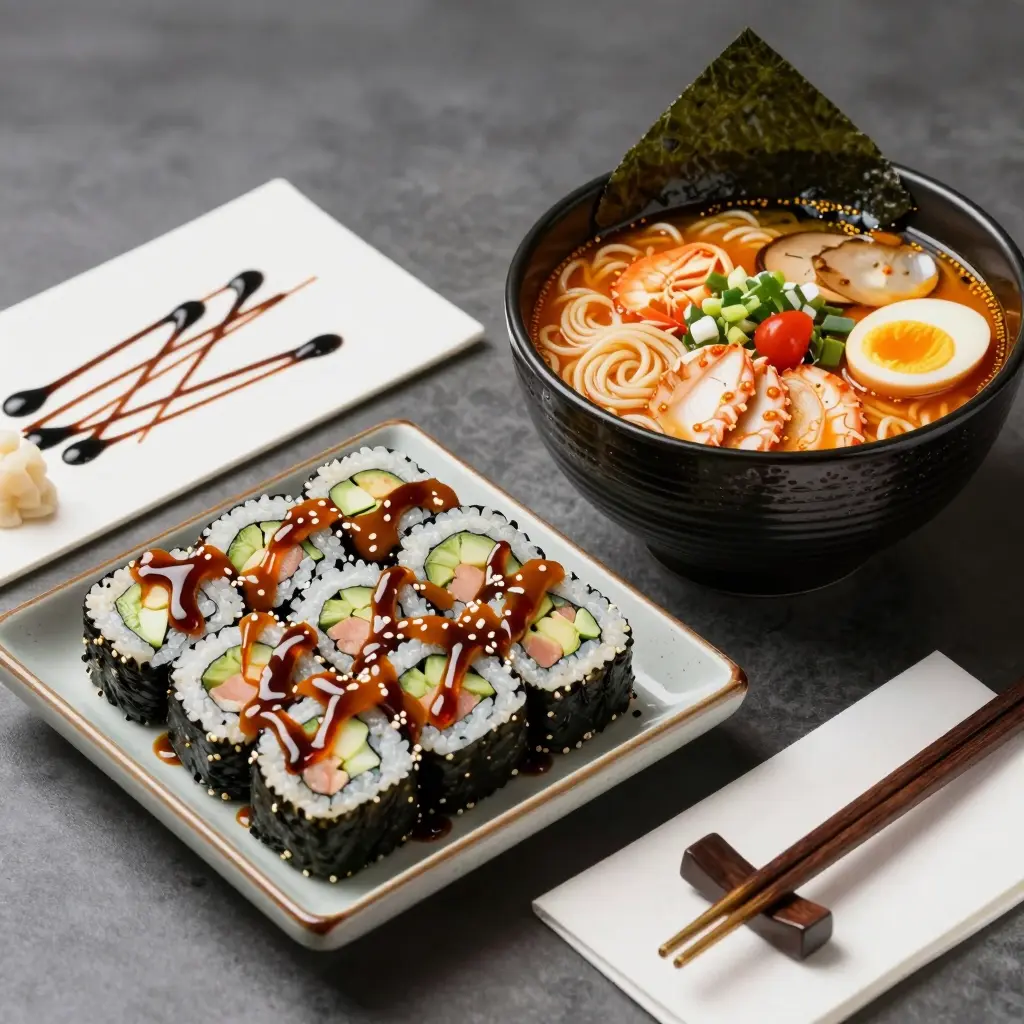
The Filipino-Japanese fusion concept draws on the deep umami connections between both cuisines. Japan and the Philippines share a love of fermented and cured flavors, rice-centered meals, and fresh seafood. This concept pairs Japanese precision and minimalism with the bold, vinegar-forward and deeply savory character of Filipino cooking. The restaurant atmosphere would lean toward clean, modern Japanese aesthetics — raw wood, stone, neutral tones — while the menu delivers unexpected Filipino-Japanese flavor crossovers.
Signature Dishes
- Adobo Ramen — slow-braised Filipino adobo pork belly served in a shoyu-adobo hybrid broth with ramen noodles, soft-boiled egg, and atchara (pickled green papaya) as a garnish
- Sinigang Dashi — a Filipino-Japanese soup combining tamarind-soured sinigang broth with dashi umami, featuring fresh fish, shiitake mushrooms, and tofu
- Kare-Kare Katsu — crispy Japanese katsu-style pork cutlet served over a peanut-annatto kare-kare sauce with a side of bagoong-infused rice
- Ube Mochi — classic Japanese mochi filled with sweetened ube halaya cream
- Calamansi Yuzu Highball — a cocktail or mocktail pairing the citrusy brightness of calamansi with yuzu and sparkling water
Target Market
Young urban professionals aged 25–40, Japanese food enthusiasts looking for a fresh twist, Filipino diners seeking familiar flavors in a new format, and food tourists interested in experiential dining.
2. Filipino-Korean Fusion
Concept Overview
The Filipino-Korean fusion concept taps into the massive global popularity of Korean food while anchoring the experience in proudly Filipino flavors. Both cuisines feature bold, fermented, and communal eating traditions — making this pairing feel natural and exciting. The concept works especially well as a casual or fast-casual restaurant with a social, sharable dining format, drawing in K-culture enthusiasts and Filipino food lovers alike.
Signature Dishes
- Lechon Galbi — slow-roasted Filipino lechon-style pork ribs marinated in a Korean galbi (short rib) sauce of soy, sesame, garlic, and pear
- Adobo Bibimbap — a Korean mixed rice bowl topped with adobo-braised chicken, atchara, pickled vegetables, a fried egg, and gochujang-calamansi drizzle
- Sinigang Kimchi Jjigae — a fusion stew blending sinigang’s tamarind sourness with the spicy fermented depth of kimchi jjigae
- Sisig Tteok — Korean rice cakes (tteok) tossed in a savory sisig sauce with chopped pork, onions, calamansi, and chili
- Ube Bingsu — Filipino purple yam ice shavings served Korean bingsu-style with sweetened red beans, condensed milk, and fresh mango
Target Market
K-pop and K-culture fans, college students and young adults, Filipino families wanting something new, and casual diners seeking flavorful, shareable meals at accessible price points.
3. Filipino-Chinese Fusion
Concept Overview
Filipino and Chinese cuisines have intertwined for centuries — the Philippines has a large Chinese-Filipino (Chinoy) community whose food has profoundly shaped the national culinary identity. Dishes like pancit (noodles), lumpia (spring rolls), and arroz caldo (congee) are already Filipino-Chinese hybrids. This concept deepens and elevates that connection, presenting refined Chinese-Filipino dishes with modern plating, premium ingredients, and a nostalgic yet upscale dining narrative.
Signature Dishes
- Lechon Peking Duck Style — crispy whole-roasted lechon served with steamed bao buns, hoisin-lechon sauce, cucumber, and spring onions
- Pancit Canton Longevity Noodles — a festive dish blending pancit canton techniques with the symbolism and presentation of Chinese birthday noodles, using premium toppings like abalone and sea cucumber
- Kare-Kare Dumplings — steamed dumplings filled with oxtail and vegetables in kare-kare peanut sauce, served with a bagoong-chili dipping sauce
- Arroz Caldo Congee — elevated Filipino-style congee with century egg, crispy garlic, fried shallots, toasted ginger, and a slow-poached egg
- Ube Egg Tart — classic Chinese egg tart reimagined with an ube custard filling in a flaky pastry shell
Target Market
Chinese-Filipino (Chinoy) families, nostalgia-driven diners, upscale casual diners, and food enthusiasts interested in heritage cuisine.
4. Filipino-Italian Fusion
Concept Overview
At first glance, Filipino and Italian cuisines may seem worlds apart — but they share a surprising common ground: Spanish colonial influence, a love of slow-cooked braised meats, rice and pasta as staples, and the importance of family-style communal dining. The Filipino-Italian fusion concept translates beloved Filipino ingredients and techniques into the Italian culinary vocabulary of pasta, risotto, antipasti, and artisan pizza, creating dishes that feel both globally sophisticated and deeply soulful.
Signature Dishes
- Adobo Pasta — al dente spaghetti or pappardelle tossed in an adobo-reduction sauce with tender pulled chicken, garlic, bay leaf oil, and a sprinkle of toasted garlic breadcrumbs
- Sinigang Risotto — creamy arborio rice cooked in a tamarind-soured broth finished with butter and parmesan, topped with seared shrimp and kangkong (water spinach) pesto
- Lechon Pizza — thin-crust Neapolitan-style pizza topped with slow-roasted lechon, lechon sauce as the base, kesong puti (Filipino white cheese), and pineapple tidbits
- Kare-Kare Gnudi — soft ricotta gnudi dumplings bathed in a kare-kare-inspired peanut butter and annatto cream sauce with crispy bagoong
- Ube Tiramisu — classic Italian tiramisu reimagined with ube-flavored mascarpone cream, espresso-soaked ladyfingers, and a dusting of purple yam powder
Target Market
Date-night diners, food-forward couples and friends, Italian food enthusiasts open to adventure, and Filipino diaspora members who appreciate familiar comfort flavors in a sophisticated format.
5. Filipino-Mexican Fusion
Concept Overview
Filipino and Mexican cuisines share a fascinating historical connection through the Manila Galleon Trade, which linked the Philippines and Mexico for over two centuries. Both cultures use vinegar, citrus, slow-braised meats, rice, beans, and tropical fruits prominently. This fusion concept celebrates that shared culinary heritage while creating exciting new dishes that blend Filipino boldness with Mexican vibrancy.
Signature Dishes
- Lechon Birria Tacos — slow-braised Filipino-spiced lechon served birria-style in corn tortillas with a rich consommé for dipping, topped with pickled atchara and salsa verde
- Adobo Carnitas Burrito — Filipino adobo-braised pork wrapped in a flour tortilla with garlic fried rice, pico de gallo, calamansi crema, and cheese
- Sinigang Pozole — a fusion soup combining tamarind sourness with hominy corn in a pork-based broth, garnished with radish, cabbage, and dried chili
- Sisig Quesadilla — crispy flour tortilla filled with classic Filipino sisig and melted queso blanco, served with calamansi-jalapeño salsa
- Ube Churros — golden fried churro dough made with ube, served with a calamansi-chocolate dipping sauce
Target Market
Young, trend-conscious diners, Mexican food lovers looking for a creative twist, foodies interested in culinary history, and the Latin-Asian cultural crossover community especially in the United States.
6. Filipino-American Comfort Food Fusion
Concept Overview
American comfort food and Filipino home cooking are both defined by their ability to make people feel deeply nourished and nostalgic. This concept pairs all-American staples — burgers, fried chicken, mac and cheese, and pancakes — with Filipino flavors and ingredients, creating a menu that speaks to Fil-Am identity and the universal love of hearty, satisfying food. The restaurant format works brilliantly as a diner, food truck, or casual gastropub.
Signature Dishes
- Adobo Burger — a smash-style beef burger marinated in adobo sauce, topped with garlic mayo, atchara slaw, and crispy fried garlic on a brioche bun
- Lechon Fried Chicken — bone-in fried chicken with a lechon-spiced crust (bay leaf, garlic, salt) served with a lechon sauce gravy and garlic sinangag (fried rice)
- Sisig Mac and Cheese — creamy American mac and cheese loaded with Filipino sisig-style chopped pork, chili, calamansi, and a crispy breadcrumb topping
- Ube Pancakes — fluffy buttermilk pancakes made with ube extract, served with ube butter, coconut syrup, and fresh fruit
- Lumpia Spring Roll Hot Dog — a Filipino-American mashup wrapping a Vienna sausage inside a traditional lumpia wrapper, deep fried and served with banana ketchup
Target Market
Filipino-Americans and the broader Filipino diaspora, college students, families, comfort food enthusiasts, and anyone who grew up loving both American diners and Filipino home cooking.
7. Filipino-Spanish Fusion
Concept Overview
No culinary relationship has shaped Filipino cuisine more than its three-hundred-year connection with Spain. The Filipino-Spanish fusion concept honors and deepens that bond, pairing Spanish tapas culture, Iberian charcuterie traditions, and Mediterranean vegetable-forward cooking with Filipino classics. This concept works beautifully as an upscale tapas bar or a fine-casual concept with a curated wine and cocktail list.
Signature Dishes
- Lechon Jamón Croquetas — Spanish croquetas filled with a blend of Spanish jamón ibérico and Filipino lechon, crispy outside and creamy inside, served with aioli and atchara
- Adobo Paella — a saffron paella prepared with adobo-braised chicken and chorizo, seasoned with vinegar and bay leaf, topped with calamansi wedges and fried garlic
- Kare-Kare Romesco — Filipino oxtail and vegetables bathed in a sauce that blends kare-kare’s peanut base with Spanish romesco’s roasted red pepper and almond character
- Pinakbet Escalivada — Filipino pinakbet vegetables — bitter melon, eggplant, squash, string beans — prepared Spanish escalivada-style with roasted peppers and olive oil
- Leche Flan Crème Brûlée — the rich, dense Filipino leche flan reimagined with a torched caramelized sugar crust in the style of classic French crème brûlée (reflecting the French-Spanish connection)
Target Market
Wine and food enthusiasts, upscale casual diners, tourists interested in cultural history, and Filipino diners looking to reconnect with their Spanish colonial culinary heritage in a modern setting.
8. Filipino-Thai Fusion
Concept Overview
Filipino and Thai cuisines share a Southeast Asian foundation — both feature rice, coconut milk, fish sauce, fresh herbs, and a love of bold, layered flavors. Thai cuisine, however, leans more intensely into chili heat, galangal, lemongrass, and kaffir lime, creating an exciting contrast when blended with Filipino flavors. This concept produces dishes that are aromatic, spicy, tangy, and deeply satisfying.
Signature Dishes
- Sinigang Tom Yum — a crossover soup combining sinigang’s tamarind base with tom yum’s lemongrass, galangal, and kaffir lime aromatics, featuring shrimp, mushrooms, and fresh tomatoes
- Kare-Kare Massaman — a richly spiced peanut-based curry that blends Filipino kare-kare’s annatto warmth with Thai massaman’s cardamom, cinnamon, and star anise
- Adobo Laab Salad — Filipino adobo-seasoned ground pork reimagined as a Thai laab-style minced meat salad with fresh herbs, fish sauce, calamansi, and toasted rice powder
- Crispy Pata Thai — slow-braised and deep-fried Filipino crispy pata leg served alongside pad thai noodles with tamarind sauce, crushed peanuts, and calamansi
- Mango Sticky Rice Biko — a fusion dessert combining Thai mango sticky rice with Filipino biko (sweet sticky rice cake) made with pandan-infused coconut milk
Target Market
Southeast Asian food enthusiasts, spice-lovers, healthy and fresh-food oriented diners, and urban millennials who enjoy bold, herbaceous, and complex flavors.
9. Filipino-Vietnamese Fusion
Concept Overview
Vietnam and the Philippines are neighboring maritime nations with overlapping culinary DNA — fresh herbs, rice-based dishes, broth-forward soups, and fermented condiments are central to both traditions. Vietnamese food’s brightness, lightness, and clean herbaceous quality creates a beautiful contrast with the deeper, richer umami of Filipino cooking. Together, they produce dishes that feel refreshing yet satisfying.
Signature Dishes
- Sinigang Pho — a pho-inspired bone broth deepened with tamarind and fish sauce, served with flat rice noodles, Filipino-style braised beef, bean sprouts, fresh basil, and calamansi
- Adobo Banh Mi — a Vietnamese banh mi baguette filled with adobo-braised pork, pickled atchara (substituting the traditional daikon and carrot), fresh cucumber, cilantro, and liver spread
- Lumpia Fresh Spring Roll — a Filipino-Vietnamese hybrid spring roll with shrimp, vermicelli, lettuce, and mango wrapped in a Vietnamese-style rice paper sheet, served with a fish sauce-calamansi dipping sauce
- Bun Bo Filipino — a Vietnamese-inspired spicy lemongrass beef noodle soup with the addition of patis (fish sauce) caramel and Filipino-style annatto oil
- Halo-Halo Chè — a dessert drink combining the colorful layered extravagance of Filipino halo-halo with Vietnamese chè’s sweet beans, pandan jelly, and taro
Target Market
Health-conscious diners, pho and banh mi fans, Southeast Asian food enthusiasts, and diners who enjoy light but complex, herb-forward meals.
10. Filipino-Indian Fusion
Concept Overview
Filipino and Indian cuisines may seem like unlikely partners, but they share more common ground than many realize — both feature turmeric, ginger, garlic, and coconut milk as core ingredients, and both traditions include complex, aromatic meat braises. This fusion concept explores the aromatic spice depth of Indian cooking blended with the sour, salty, and savory Filipino flavor system, creating dishes that are richly layered and deeply warming.
Signature Dishes
- Kare-Kare Korma — Filipino oxtail braised in a sauce that blends peanut-annatto kare-kare with Indian korma’s yogurt, cashew, and cardamom aromatics, served with garlic naan
- Chicken Adobo Tikka Masala — adobo-marinated chicken cooked in a tomato-cream tikka masala sauce infused with Filipino bay leaf and vinegar undertones
- Sinigang Rasam — a soupy crossover between tamarind sinigang and South Indian rasam — thin, spiced, and aromatic — served with steamed rice
- Lechon Biryani — fragrant basmati rice layered with Filipino-spiced lechon pork and saffron, slow-cooked dum-style and served with raita made from coconut milk and calamansi
- Ube Gulab Jamun — soft milk-solid dumplings infused with ube, fried and soaked in a rose-scented syrup
Target Market
Indian food enthusiasts, adventurous diners, urban foodies, and markets with both Indian and Filipino communities — common in the UAE, UK, Singapore, and parts of North America.
11. Filipino-French Fusion
Concept Overview
This is a high-concept, upscale fusion restaurant that positions Filipino ingredients and flavor traditions within the framework of classical and modern French cuisine. French technique — sauce-making, confit, sous vide, emulsification — elevates Filipino ingredients to fine-dining heights. The result is a restaurant that speaks the language of gastronomy while telling a proudly Filipino story.
Signature Dishes
- Confit Lechon — duck confit-inspired lechon pork, slow-cooked in its own fat at low temperature, served with a vinegar-reduction jus and petite vegetables
- Adobo Bordelaise — classic French bordelaise sauce reinvented with Filipino adobo vinegar, soy sauce, and bay leaf as the flavor base, served over pan-seared tenderloin
- Sinigang Bouillabaisse — a Filipino-French seafood soup with a saffron-tamarind broth, fresh local fish, mussels, and crab, served with garlic rouille and crusty bread
- Kare-Kare Velouté — a silky French-style velouté made from peanut-annatto stock, served as a refined sauce over braised oxtail and seasonal vegetables
- Ube Soufflé — a delicate French soufflé flavored with ube and coconut, served warm with a side of calamansi crème anglaise
Target Market
Fine-dining enthusiasts, food critics and influencers, corporate diners, international tourists, and Filipino diners who want to see their cuisine elevated to the highest gastronomic level.
12. Filipino-Middle Eastern Fusion
Concept Overview
The Middle East and the Philippines share a unique contemporary connection through the Filipino OFW (Overseas Filipino Worker) community, millions of whom have lived and worked across the Gulf states, bringing Philippine flavors to the region and absorbing Middle Eastern culinary influences in return. This concept celebrates that cultural exchange — blending the aromatic spice blends, slow-roasted meats, flatbreads, and mezze traditions of the Middle East with Filipino ingredients and cooking methods.
Signature Dishes
- Lechon Shawarma — Filipino-spiced rotisserie lechon carved and served in pita or lavash with garlic toum, atchara pickles, fresh tomato, and tahini
- Adobo Lamb Kofta — ground lamb kofta seasoned with Filipino adobo spices (garlic, vinegar, bay leaf) instead of the traditional Middle Eastern blend, served with hummus and flatbread
- Sinigang Lentil Soup — a tamarind-soured lentil soup inspired by Lebanese mujaddara, seasoned with cumin, coriander, and caramelized onions
- Kare-Kare Hummus — a creative dip blending roasted peanut paste (the base of kare-kare) with chickpeas, tahini, and calamansi instead of lemon, served with warm pita
- Ube Baklava — flaky phyllo pastry layered with ube cream and crushed pistachios, soaked in a pandan-honey syrup
Target Market
Filipino OFWs and their families, Middle Eastern food enthusiasts, halal food market diners, and multicultural urban communities across the Gulf, Southeast Asia, and beyond.
13. Filipino-Hawaiian Fusion
Concept Overview
Hawaii and the Philippines share a deep, real-world cultural connection — Hawaii has one of the largest Filipino populations outside of the Philippines, and Filipino food has profoundly influenced Hawaiian local cuisine for generations. Dishes like Filipino-style pork adobo and dinuguan are staples at Hawaiian plate lunch spots and potluck gatherings. This concept celebrates and formalizes that connection, blending Hawaiian aloha plate culture, poke traditions, and tropical fruit-forward cooking with Filipino heritage dishes.
Signature Dishes
- Lechon Poke Bowl — a poke bowl featuring soy-calamansi marinated ahi tuna or salmon over garlic fried rice with Filipino atchara, crispy shallots, and a spicy mayo infused with bagoong
- Adobo Plate Lunch — a Hawaiian plate lunch format featuring adobo pork or chicken, two scoops of garlic sinangag, and a side of macaroni salad with calamansi dressing
- Spam Musubi Adobo — the iconic Hawaiian spam musubi reimagined with adobo-glazed spam, sticky rice, nori, and a drizzle of garlic vinegar sauce
- Filipino-Hawaiian Poke Nachos — taro chips topped with poke-style tuna, calamansi-soy dressing, pickled mango, and bagoong aioli
- Tropical Halo-Halo — a halo-halo remix featuring Hawaiian shaved ice, fresh pineapple, coconut jelly, mango, ube cream, and a drizzle of haupia (Hawaiian coconut pudding)
Target Market
Hawaiian locals and tourists, Filipino-Americans on the US mainland and Hawaii, casual summer dining crowds, beach and outdoor lifestyle diners.
14. Filipino-Caribbean Fusion
Concept Overview
The Caribbean and the Philippines share tropical climates, Spanish colonial histories, and cuisines built on rice, pork, beans, seafood, and an abundance of fresh fruit. Caribbean flavors — jerk spice, plantains, rum, allspice, Scotch bonnet pepper — create exciting contrasts and complements with Filipino ingredients, producing dishes that are tropical, festive, and boldly seasoned.
Signature Dishes
- Jerk Lechon — Filipino whole-roasted pig marinated in a Caribbean jerk blend of allspice, thyme, scotch bonnet, and cinnamon, slow-roasted over charcoal
- Adobo Rice and Beans — Filipino adobo-braised pork served over Caribbean-style rice and beans cooked in coconut milk, finished with calamansi and fresh cilantro
- Sinigang Callaloo — a brothy Caribbean callaloo-style soup made sour with tamarind instead of the traditional lemon, featuring dasheen leaves, crab, and pork
- Plantain Lumpia — Filipino-style spring rolls stuffed with sweet plantain, ground pork, and coconut, fried golden and served with a tamarind-mango dipping sauce
- Ube Rum Cake — a Caribbean rum cake reimagined with ube-flavored sponge, soaked in coconut rum syrup and topped with ube cream frosting
Target Market
Tropical cuisine enthusiasts, festival and event diners, the Filipino-Caribbean diaspora particularly in the US, and adventurous foodies drawn to bold, sunny flavors.
15. Filipino-Malaysian Fusion
Concept Overview
Malaysia and the Philippines share deep Malay cultural and linguistic roots, and both cuisines feature coconut milk, shrimp paste, lemongrass, and rice as foundational elements. Malaysian cuisine contributes the complex spice of rendang, the aromatic brightness of laksa, and the sweetness of nasi lemak — all of which pair beautifully with Filipino ingredients and techniques.
Signature Dishes
- Rendang Lechon — Filipino-style slow-roasted pork reimagined with a dry Malaysian rendang spice coating of lemongrass, galangal, turmeric, and desiccated coconut
- Sinigang Laksa — a rich, coconut-based laksa soup made tart with tamarind, featuring rice vermicelli, shrimp, tofu puffs, and fresh herbs
- Adobo Nasi Lemak — coconut-pandan steamed rice served Malaysian nasi lemak-style alongside adobo-braised chicken, crispy anchovies, sambal, and atchara
- Kare-Kare Satay — grilled pork or chicken satay skewers served with a kare-kare-inspired peanut dipping sauce seasoned with bagoong, calamansi, and annatto
- Ube Pandan Chiffon — a light chiffon cake blending ube and pandan flavors, served with coconut cream
Target Market
Southeast Asian food enthusiasts, health and fresh-flavor-conscious diners, Malaysian food fans, and diners interested in pan-Asian culinary traditions.
16. Filipino-Singaporean Fusion
Concept Overview
Singapore is a multicultural food paradise where Chinese, Malay, Indian, and Western cuisines coexist and blend freely — making it a natural partner for Filipino fusion. Singaporean cuisine contributes dishes like chili crab, Hainanese chicken rice, laksa, and char kway teow — all of which have natural fusion possibilities with Filipino ingredients. This concept appeals to Singapore’s cosmopolitan food culture and to Filipino diners who have experienced Singapore’s dynamic food scene.
Signature Dishes
- Chili Crab Kare-Kare — Singapore chili crab sauce enriched with peanut paste and annatto in the style of kare-kare, served with mantou (steamed buns) and bagoong
- Adobo Hainanese Chicken Rice — Hainanese-style poached chicken marinated in a gentle adobo brine, served with garlic oil-infused rice and three dipping sauces including calamansi chili
- Char Kway Teow Filipino Style — stir-fried flat rice noodles in the Singaporean tradition, enhanced with fish sauce, calamansi, and Filipino-style pork belly
- Sinigang Laksa Soup — a brothy laksa using tamarind as the souring agent instead of the traditional lime leaf, topped with fresh shrimp and bean sprouts
- Ube Ondeh-Ondeh — Singaporean/Malay ondeh-ondeh rice cakes filled with ube paste and grated coconut instead of the traditional pandan-palm sugar filling
Target Market
Singapore-based diners and tourists, Filipino OFWs in Singapore, cosmopolitan food enthusiasts, and diners interested in pan-Asian crossover cuisine.
17. Filipino-Indonesian Fusion
Concept Overview
Indonesia and the Philippines share the Malay Archipelago, and their cuisines reflect centuries of shared cultural exchange — both feature tempeh, coconut milk, fermented shrimp paste, and tropical fruits. Indonesian cuisine adds the aromatic complexity of bumbu spice pastes, the sweetness of kecap manis (sweet soy sauce), and the variety of sambal chili sauces — all of which create exciting dialogues with Filipino flavors.
Signature Dishes
- Lechon Babi Guling — Filipino-style lechon roasted with Indonesian babi guling spices including turmeric, galangal, lemongrass, and kaffir lime
- Adobo Rendang — chicken adobo slow-cooked with Indonesian rendang spice paste until the sauce becomes dry and intensely caramelized, served with steamed rice and sambal
- Gado-Gado Kare-Kare — an Indonesian-Filipino salad hybrid combining blanched vegetables with a sauce that blends kare-kare peanut dressing with Indonesian gado-gado lime and kecap manis
- Sinigang Soto Ayam — a light tamarind-soured chicken soup inspired by Indonesian soto ayam, with vermicelli, hard-boiled egg, and crispy shallots
- Pandan Klepon Biko — Indonesian klepon rice cakes filled with ube paste and rolled in toasted coconut, served alongside Filipino biko
Target Market
Southeast Asian food lovers, Indonesian diaspora communities, Filipino foodies interested in culinary heritage, and diners seeking bold, spiced tropical flavors.
18. Filipino-British Fusion
Concept Overview
Britain and the Philippines may not seem like obvious culinary partners, but the British pub tradition — hearty, slow-cooked meats, pies, chips, and ales — resonates deeply with Filipino comfort food culture. This concept reimagines British gastropub fare through a Filipino lens, creating a warm, social dining experience that bridges two very different island nations through their shared love of deeply satisfying comfort food.
Signature Dishes
- Lechon Pie — a British-style shortcrust pastry pie filled with tender pulled lechon, vegetables, and a rich lechon liver sauce gravy
- Adobo Chicken and Chips — British-style fried chicken thighs in an adobo batter served with thick-cut chips (fries) and calamansi-malt vinegar dipping sauce
- Filipino Beef Wellington — beef tenderloin coated in a bagoong-mushroom duxelles wrapped in puff pastry — a British classic with a funky Filipino twist
- Kare-Kare Scotch Egg — a British Scotch egg wrapped in adobo-spiced pork and served with kare-kare peanut sauce and bagoong for dipping
- Ube Bread and Butter Pudding — classic British bread and butter pudding made with ube-swirl pandesal (Filipino bread rolls), baked in a coconut milk custard and served warm
Target Market
Filipino-British diaspora communities, British pub-goers open to global flavors, young adults who enjoy gastropub culture, and culinary tourists in the UK.
19. Filipino-Greek Fusion
Concept Overview
Greek and Filipino cuisines share surprising parallels — both are built on communal, family-style dining, both feature bold use of garlic and vinegar, and both celebrate slow-roasted whole animals as centerpieces of festive meals. Greek cuisine contributes olive oil, lemon, fresh herbs, mezze culture, and open-fire cooking traditions. Together, they create a warm, generous, and flavor-packed dining experience.
Signature Dishes
- Souvlaki Lechon — Filipino-spiced pork souvlaki skewers served in a pita wrap with tzatziki made from coconut yogurt and calamansi, fresh tomato, and atchara
- Adobo Moussaka — a Filipino twist on the Greek casserole layering adobo-braised ground pork, eggplant, and a béchamel enriched with coconut milk and turmeric
- Sinigang Lemon Avgolemono — a crossover soup combining the Greek egg-and-lemon avgolemono technique with Filipino sinigang’s tamarind broth, resulting in a creamy, tangy soup
- Kare-Kare Spanakopita — crispy phyllo parcels filled with kare-kare-seasoned vegetables and kesong puti (Filipino white cheese) instead of feta
- Ube Galaktoboureko — Greek custard pie made with a coconut-ube custard filling encased in crispy phyllo and soaked in calamansi-honey syrup
Target Market
Mediterranean food enthusiasts, diners who appreciate bold garlic and vinegar flavors, date-night couples, and the Filipino-Greek diaspora communities in Australia and North America.
20. Filipino-Turkish Fusion
Concept Overview
Turkish cuisine is one of the world’s great culinary traditions — defined by its mastery of grilling, yogurt-based sauces, flatbreads, spiced meats, and the communal culture of mezes and kebabs. Filipino cuisine’s love of spit-roasting, vinegar, garlic, and pork creates a fascinating contrast with Turkish lamb traditions, giving this fusion concept a unique creative tension that makes for compelling and memorable dishes.
Signature Dishes
- Lechon Doner — slow-roasted Filipino-spiced pork served Turkish doner-style with garlic sauce, pickled vegetables, and fresh herbs in warm flatbread
- Adobo Kebab Wrap — adobo-marinated grilled chicken thighs served as a Turkish döner-style wrap with hummus, atchara, calamansi, and fresh vegetables
- Sinigang Lentil Soup — red lentil çorba seasoned with tamarind for a Filipino sourness, finished with olive oil and Aleppo pepper flakes
- Imam Bayildi Filipino Style — the classic Turkish stuffed eggplant dish reimagined with a filling of adobo-seasoned ground pork, tomatoes, and bagoong-spiced sauce
- Ube Baklava Ice Cream — a dessert featuring ube ice cream served alongside crushed baklava pieces and a drizzle of honey and crushed pistachios
Target Market
Halal market diners (the lechon concept can be adapted to lamb for halal compliance), Middle Eastern and Mediterranean food enthusiasts, adventurous urban diners.
21. Filipino-Brazilian Fusion
Concept Overview
Brazil and the Philippines both celebrate the communal joy of grilled meat — churrasco in Brazil and lechon or inihaw in the Philippines — making them natural culinary partners. Brazilian cuisine also brings tropical fruits, feijoada (black bean stew), and caipirinha cocktail culture to the table, all of which find meaningful dialogue with Filipino flavors and ingredients.
Signature Dishes
- Churrasco Lechon — Brazilian-style rotisserie grilling applied to Filipino-seasoned pork, beef, and chicken, served with lechon sauce, farofa-style toasted garlic rice, and pickled vegetables
- Feijoada Adobo — a Filipino twist on the iconic Brazilian black bean stew using pork adobo as the meat component, seasoned with bay leaf and vinegar, served with white rice and orange slices
- Tropical Mango Caipirinha — a Brazilian-Filipino cocktail blending cachaça with fresh Philippine mango and calamansi juice
- Lechon Coxinha — Brazilian coxinha chicken croquettes stuffed with lechon-spiced shredded pork instead of the traditional chicken, fried golden and served with banana ketchup
- Ube Brigadeiro — Brazilian chocolate brigadeiro candy reimagined with ube and coconut milk instead of chocolate and condensed milk, rolled in toasted coconut
Target Market
Meat enthusiasts and grill-culture lovers, Latin American food fans, beach and outdoor dining crowds, and the growing Latin-Asian cultural community in major cities.
22. Filipino-Peruvian Fusion
Concept Overview
Peruvian cuisine has emerged as one of the world’s most celebrated and innovative food traditions, featuring complex citrus-based ceviches, slow-braised stews, and the unique flavors of ají amarillo and huacatay. The Philippines and Peru also share a historical connection through the Manila Galleon Trade. Together, these two Latin Pacific cultures create a fusion that is bright, acidic, layered, and visually stunning.
Signature Dishes
- Kinilaw Ceviche — Filipino kinilaw (raw fish cured in vinegar and calamansi) prepared in the style of Peruvian ceviche with tiger’s milk (leche de tigre), ají amarillo, red onions, and fresh corn
- Lomo Adobo — a Filipino-Peruvian stir-fry inspired by lomo saltado, using adobo-marinated beef strips with tomatoes, soy sauce, calamansi, and French fries, served over garlic rice
- Causa Lechon — Peruvian causa (cold mashed potato terrine) made with purple potato and layered with shredded lechon, atchara, and avocado
- Anticucho Inihaw — Peruvian anticucho-style beef heart or chicken skewers marinated in a Filipino-Peruvian blend of vinegar, ají panca, garlic, and cumin, grilled over charcoal
- Ube Lucuma Helado — a frozen dessert featuring Filipino ube and Peruvian lucuma flavors swirled together in a coconut milk ice cream base
Target Market
Upscale food enthusiasts, ceviche and seafood lovers, Latin American food fans, and diners who follow global culinary trends — Peruvian-Asian fusion is already globally recognized as a premium dining category.
23. Filipino Seafood Fusion Concept
Concept Overview
The Philippines is an archipelago of over 7,100 islands, making seafood the most fundamental ingredient in Filipino cuisine. This concept builds a fusion restaurant entirely around Filipino seafood traditions — kinilaw, inihaw, sinigang, and pinangat — blended with global seafood preparation styles from Japan (sashimi, sushi), Spain (a la plancha, ceviche), Scandinavia (gravlax, smoking), and beyond. The result is a premium seafood-focused restaurant that celebrates the Philippine ocean table.
Signature Dishes
- Kinilaw Sashimi Flight — a tasting flight of Filipino kinilaw-style raw fish preparations inspired by Japanese sashimi presentations: tanigue (Spanish mackerel) with calamansi-ginger, tuna with coconut vinegar-shallot, and shrimp with green mango
- Grilled Liempo Planchado — thick pork belly grilled Spanish a la plancha-style, served with a sinigang dipping broth and fresh sea vegetables
- Smoked Tinapa Crostini — Filipino smoked fish (tinapa) served on grilled bread with coconut cream cheese, pickled green papaya, and micro herbs — inspired by Scandinavian open-face smørrebrød
- Sinigang Bouillabaisse — a seafood broth combining sinigang’s tamarind sourness with a French bouillabaisse’s saffron and fennel aromatics, overflowing with fresh local seafood
- Sugpo Tempura Sinigang — giant prawns (sugpo) prepared Japanese tempura-style and served alongside a dipping bowl of hot tamarind sinigang broth
Target Market
Seafood lovers and premium casual diners, tourists to beach destinations, health-conscious diners, and food enthusiasts who appreciate both fresh ocean flavors and culinary creativity.
24. Modern Filipino Street Food Fusion
Concept Overview
Filipino street food — fishball on sticks, isaw (grilled intestines), kwek-kwek (orange-battered quail eggs), balut, and banana cue — is one of the most joyful and democratic aspects of Filipino food culture. This concept elevates and modernizes those street food traditions, blending them with global street food formats — Korean corn dogs, Taiwanese scallion pancakes, American gourmet hot dogs, Japanese takoyaki — to create a vibrant, fun, and accessible fast-casual or food hall concept.
Signature Dishes
- Isaw Korean Corn Dog — grilled Filipino chicken intestine isaw wrapped in a crispy rice flour coating, corn dog-style, served with vinegar-garlic dipping sauce and sichuan chili oil
- Kwek-Kwek Takoyaki — Filipino kwek-kwek (battered quail eggs) prepared in the spherical takoyaki mold, drizzled with okonomiyaki sauce, kewpie mayo, bonito flakes, and nori
- Balut Gyoza — a playful gyoza dumpling filled with balut (duck egg) filling — creamy, savory yolk and tender duck — pan-fried and served with a calamansi-soy dipping sauce
- Sisig Tacos — Filipino sisig served in corn tortillas with calamansi crema, pickled jalapeño-green mango, and crispy fried garlic — a Filipino-Mexican street food classic
- Dirty Ice Cream Global Flavors — traditional Filipino sorbetes (dirty ice cream) in fusion flavors: matcha, black sesame, ube-taro, Thai tea, and calamansi
Target Market
Young diners, college students, food market and street food festival crowds, tourists, and anyone who appreciates playful, affordable, and Instagram-worthy bites.
25. Fine Dining Filipino Fusion Experience
Concept Overview
This concept represents the pinnacle of Filipino fusion cuisine — a multi-course tasting menu restaurant where every dish is both a culinary statement and a cultural narrative. Inspired by the world’s best fine dining restaurants, this concept uses modernist techniques (gel, foam, dehydration, sous vide), premium local and imported ingredients, and meticulous plating to tell the story of Filipino culinary identity through a global fine dining lens. This is Filipino cuisine at its most ambitious — personal, political, and delicious.
Signature Dishes
- Kinilaw Amuse-Bouche — a one-bite kinilaw of local tanigue, served in a shell with coconut vinegar espuma (foam), compressed cucumber, and a single drop of calamansi gel
- Adobo Consommé — a crystal-clear, intensely flavored adobo consommé served in a beautiful bowl with a soft-cooked sous vide quail egg, nori tuile, and a single bay leaf garnish
- Lechon Confit Main Course — sous vide lechon pork belly, pressure-crisped skin, served with dehydrated bagoong dust, smoked purple sweet potato purée, and micro herbs
- Kare-Kare Deconstructed — oxtail prepared three ways (braised, glazed, and crisped) presented with a smooth peanut-annatto sauce quenelle, bagoong caviar, and blanched vegetables
- Ube Grand Dessert — a multi-element ube dessert featuring ube ice cream, ube cake, ube gel, dehydrated ube chip, pandan oil, and coconut snow — a modern Philippine dessert landscape on a plate
Target Market
Affluent food enthusiasts and culinary connoisseurs, food tourists and international diners, Filipino professionals celebrating milestones, and diners who follow the global fine dining scene.
Common Filipino Ingredients Used in Fusion Cuisine
Adobo
Adobo is not just a dish — it is a cooking method. The technique of braising meat in a mixture of vinegar, soy sauce, garlic, bay leaf, and black pepper produces a deeply savory, tangy, and aromatic result that is one of the most versatile flavor profiles in any cuisine. In fusion cooking, adobo functions as both a marinade and a braising liquid, lending itself naturally to pasta sauces, burger condiments, ramen broths, and Korean rice bowls. The vinegar base of adobo resonates with fermentation-forward cuisines from Japan, Korea, and Vietnam, while the soy-garlic depth connects with Chinese and Southeast Asian traditions.
Sisig
Sisig is a beloved Filipino dish made from chopped pork — traditionally from the face and ears — seasoned with calamansi, onions, chili, and often egg, served sizzling on a cast iron plate. Its fatty, crispy, acidic character makes it an incredibly versatile fusion ingredient. Sisig works beautifully as a taco filling, a pizza topping, a rice bowl protein, a quesadilla filling, or a pasta sauce component. Its intense savory flavor and crispy-soft texture translate across culinary formats with ease.
Lechon
Lechon — whole-roasted pig — is the crown jewel of Filipino festive cooking, celebrated for its impossibly crispy skin and juicy, deeply seasoned meat. In fusion cuisine, lechon can substitute for any slow-roasted pork in global dishes: carnitas in Mexican tacos, pulled pork in American barbecue sandwiches, pernil in Latin dishes, or suckling pig in Spanish and Portuguese traditions. The lechon liver sauce that traditionally accompanies the dish is itself a complex, vinegar-sweet condiment that works beautifully as a fusion sauce base.
Ube
Ube — Philippine purple yam — has become arguably the most globally recognizable Filipino ingredient in the past decade. Its vivid violet color, sweet vanilla-like aroma, and earthly richness make it instantly compelling in any culinary context. Ube has crossed over successfully into ice cream, cakes, lattes, donuts, macarons, pasta, cheesecake, and even savory applications. It is the Filipino ingredient with the broadest crossover appeal, and it is a cornerstone of any Filipino fusion concept that aims to attract curiosity and social media attention.
Calamansi
Calamansi — the Philippine citrus — is smaller, more aromatic, and more complex than standard lemon or lime. Its juice delivers a bright, floral acidity that elevates virtually any dish it touches. In fusion applications, calamansi can substitute for lemon, lime, or yuzu in sauces, dressings, cocktails, desserts, and marinades while adding a distinctly Filipino note. The calamansi-soy sauce combination alone is a powerful flavoring agent that works across dozens of global culinary traditions.
Coconut
Coconut in all its forms — milk, cream, oil, water, fresh flesh, desiccated flakes, and vinegar — is one of the most globally versatile Filipino ingredients. Coconut milk enriches curries, soups, and desserts across Southeast Asian, South Asian, Caribbean, and West African cuisines, making it an ideal bridge ingredient for Filipino fusion. Philippine coconut vinegar — lighter, less sharp than cane or rice vinegar — adds gentle acidity to dressings and pickles. Coconut sugar brings a warm, caramel sweetness to sauces and baked goods.
Bagoong
Bagoong — Filipino fermented shrimp paste or fish paste — is one of the most powerful umami ingredients in the Filipino pantry. Its funky, pungent, deeply savory character is an acquired taste for many, but in fusion cooking, it functions similarly to the fish sauce of Southeast Asia, the miso of Japan, the gochujang of Korea, or the doenjang of China — as a foundational fermented flavor enhancer. Even a small amount of bagoong added to a sauce, dressing, or condiment delivers enormous depth. It pairs particularly well with Japanese, Korean, Italian, and Indian flavor systems.
Pandan
Pandan — screwpine leaf — is the vanilla of Southeast Asia. Its bright green color and warm, floral, slightly grassy fragrance are instantly recognizable to any fan of Southeast Asian cuisine. In Filipino fusion desserts, pandan serves as a natural food coloring and flavor enhancer that works beautifully in French pâtisserie, Japanese matcha-style confections, Italian gelato, and American baked goods. Pandan also works in savory applications — infusing rice, stocks, and marinades with its aromatic character.
How to Create a Successful Filipino Fusion Restaurant
Choose Complementary Flavor Profiles
The foundation of successful fusion cuisine is understanding which flavors genuinely complement each other — not just which cuisines are trendy to combine. Before building your menu, spend significant time studying the flavor architecture of both Filipino cuisine and your chosen partner cuisine. Look for shared ingredients, parallel techniques, and resonant flavor principles. Filipino-Japanese fusion works because both cuisines deeply value umami and fermentation. Filipino-Mexican fusion works because both share vinegar, citrus, and slow-roasted pork traditions. Always start from a place of genuine culinary logic rather than novelty alone.
Maintain Filipino Identity
The most common pitfall of fusion cuisine is losing the identity of one partner — usually the less globally famous one. In Filipino fusion, it is essential that the Filipino elements remain clearly present and central, not reduced to a token garnish or a marketing label. Every dish should be identifiably Filipino in some meaningful way — through a signature ingredient like calamansi, bagoong, or ube; through a Filipino cooking technique like vinegar-braising or banana leaf wrapping; or through a beloved Filipino dish reimagined in a new format. Diners — especially Filipino diners — will recognize and appreciate this authenticity.
Focus on Presentation
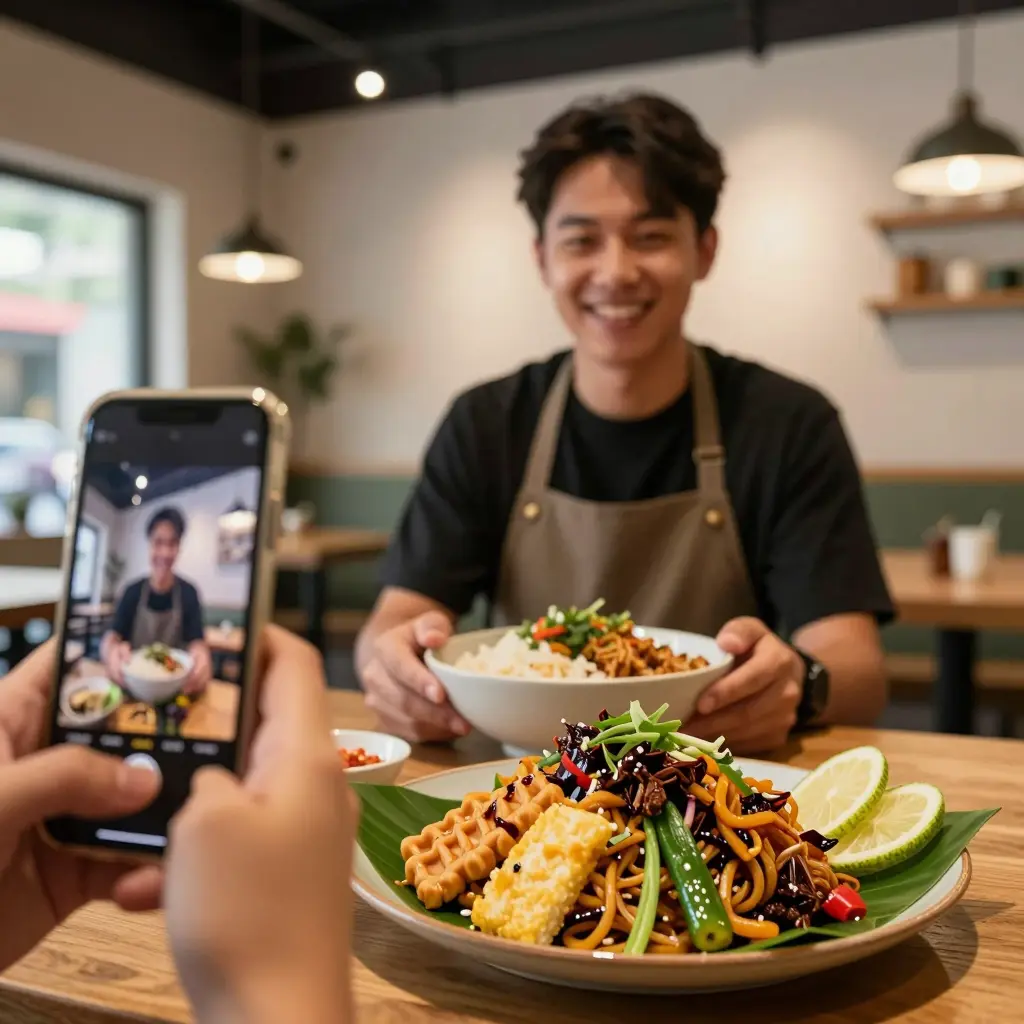
Modern dining, especially among the core demographic for fusion restaurants, is heavily visual. Fusion cuisine has an inherent advantage here because the combination of two culinary aesthetics allows for highly distinctive plating that does not conform to any single tradition’s visual norms. Filipino ingredients — the vivid purple of ube, the jewel-red of annatto oil, the golden brown of crispy lechon skin — are visually striking and translate beautifully to modern plating. Invest in thoughtful presentation from the beginning, as it will drive social media sharing and word-of-mouth marketing organically.
Test Market Acceptance
Before locking in your menu, test your concepts with your target audience. Host pop-up dinners, food market stalls, or private tasting events to gauge reactions. Pay close attention to which dishes generate genuine excitement versus polite appreciation. Gather feedback on flavor balance, portion size, price points, and naming. Market testing allows you to refine your menu before investing in a full restaurant build-out, and it creates early community around your brand.
Price Dishes Strategically
Filipino fusion restaurants occupy a unique pricing position — they can command higher prices than traditional Filipino restaurants because of the novelty and sophistication of the concept, but they must remain accessible enough to attract a broad audience. Research what comparable fusion restaurants in your market charge. Consider food costs carefully, especially for Filipino ingredients that may be sourced as imports. Develop a pricing strategy that reflects both the quality and creativity of your menu and the income profile of your target market.
Popular Filipino Fusion Dishes Around the World
Examples From the Philippines
In the Philippines, Filipino fusion cuisine has found its most sophisticated expression in the upscale restaurant scenes of Manila, Cebu, and Davao. Restaurants like Toyo Eatery, Gallery Vask, and Metronome have pioneered Filipino fine dining and fusion at an internationally recognized level, earning critical acclaim for reinterpreting Filipino ingredients through modern European and Japanese techniques. The rise of Filipino food halls and pop-up markets has also given rise to creative street food fusion — sisig tacos, adobo ramen, ube everything — that appeals to younger, urban Filipino consumers.
Examples From the United States
The Filipino diaspora in the United States — particularly in California, Hawaii, New York, and the Pacific Northwest — has produced some of the world’s most exciting Filipino fusion concepts. Filipino-American chefs have opened restaurants that blend Filipino comfort food with American diner culture, California cuisine’s emphasis on fresh local produce, and Tex-Mex traditions. Ube ice cream, ube donuts, and ube lattes have gone mainstream in American dessert culture. Filipino-American pop-ups and food trucks — particularly those offering sisig burritos, adobo fried rice bowls, and lumpia with international dipping sauces — have attracted long lines and significant media attention in cities across the country.
Examples From Other Countries
Filipino fusion has found a warm reception in other parts of the world with significant Filipino communities. In the United Kingdom, Filipino-British fusion pubs and cafés have emerged in London and other major cities, offering adobo pie and ube crumpets. In Australia, Filipino-Australian fusion restaurants blend Filipino classics with Australian barbecue culture and local produce. In the Middle East — particularly in Dubai, Riyadh, and Abu Dhabi — Filipino food has gained mainstream recognition, and fusion concepts blending Filipino and Arabic flavors cater to the region’s massive Filipino OFW population and adventurous local diners. In Japan and South Korea, Filipino-Japanese and Filipino-Korean fusion concepts are beginning to appear, particularly in cities with growing Southeast Asian tourism.
Things to Know Before Launching a Filipino Fusion Food Business
Understanding Local Food Trends
The success of any fusion restaurant depends heavily on the food culture of the specific market where it operates. Before launching, invest time in understanding the local food landscape — what cuisines are already popular, what price points are sustainable, what dining formats are in demand (casual, fast-casual, fine dining, food truck), and what food trends are emerging. In the Philippines, Instagram-driven aesthetics, experiential dining, and nostalgia for Filipino heritage are dominant trends. In the United States and Europe, diners are increasingly interested in authentic cultural storytelling, sustainable ingredients, and global flavors beyond the familiar Asian categories.
Ingredient Sourcing
One of the practical challenges of running a Filipino fusion restaurant — particularly outside the Philippines — is consistent access to authentic Filipino ingredients. Calamansi, fresh pandan, kamias, salted black beans, banana blossoms, atchara, and specific regional vinegars may be difficult to source through mainstream wholesale channels. Identify specialty Asian grocery distributors, Philippine food importers, or direct-to-restaurant suppliers early in your planning. For some ingredients, consider growing them locally (pandan, calamansi, and some Filipino vegetables can be grown in tropical or greenhouse conditions) or developing shelf-stable alternatives. Building reliable ingredient supply chains is essential for menu consistency and cost control.
Menu Development
A Filipino fusion menu should be curated, not exhaustive. Resist the temptation to include one dish from every possible fusion pairing — a focused menu of 10–15 items will serve you better than a sprawling menu of 40 dishes. Select your fusion partner cuisine and build your menu around a clear thematic identity. Ensure that every dish tells a coherent story — there should be an identifiable thread of Filipino flavor that runs through the entire menu. Offer a range of proteins, include vegetarian or vegan options, and design the menu to allow for efficient kitchen operations at your target volume and price point.
Restaurant Branding
Branding is especially important for Filipino fusion restaurants because they are telling a story that many diners may not yet be familiar with. Your brand identity — name, logo, interior design, menu language, social media voice, and overall aesthetic — should communicate both Filipino pride and the creative, forward-looking spirit of your fusion concept. Avoid visual clichés (generic Asian motifs, map outlines, or generic tropical imagery) in favor of branding that is specific, culturally grounded, and visually distinctive. Work with designers who understand both Filipino culture and your target market’s aesthetic sensibilities.
Food Cost Management
Filipino fusion concepts can face higher food costs than traditional restaurants due to specialty ingredients, more complex preparation techniques, and premium presentation standards. Manage food costs proactively by designing a menu that maximizes the use of key protein cuts across multiple dishes (for example, using lechon in three different applications to spread the cost), developing relationships with reliable suppliers who offer favorable pricing for consistent volume, and testing recipes extensively before launch to understand true cost per dish. Price your menu to achieve sustainable margins — a food cost ratio of 28–35% of selling price is a general target for restaurants of this type.
Action Section
Ready to Launch a Filipino Fusion Cuisine Concept?
If you have been inspired by these concepts and are ready to take the next steps, here is a practical roadmap to move from idea to open doors.
Steps to Validate Your Concept
Begin with low-risk market validation before committing to a full restaurant build-out. Host a series of pop-up dinners in your home, a rented event space, or a food market stall. Invite a diverse group of diners — including both Filipino and non-Filipino guests — and serve a curated selection of five to seven dishes that represent your fusion vision. Gather feedback systematically through surveys and conversation. Track which dishes generate the most excitement, which flavor combinations land, and what price points feel right to your test diners. Run at least three to five pop-up events before making major investment decisions. Social media response to your pop-ups — shares, tags, comments — is also valuable market validation data.
Creating a Signature Menu
Your signature menu is your restaurant’s most important business document. It must be designed to delight diners, operate efficiently in your kitchen, achieve sustainable food costs, and tell a coherent culinary story. Start by identifying two or three anchor dishes — the ones that most powerfully express your fusion vision and are likely to become the items your restaurant is known for. Build the rest of the menu around these anchors, ensuring variety in protein, flavor intensity, price point, and dietary suitability. Write menu descriptions that tell the cultural story of each dish without being preachy — a single evocative phrase can communicate both the Filipino heritage and the global influence without a lengthy explanation.
Building a Unique Brand Identity
Your brand identity begins with your name and extends to every visual and verbal touchpoint your guests encounter. Choose a restaurant name that is memorable, culturally meaningful, and easy for your target market to pronounce and remember. Commission a logo and visual identity system that reflects both Filipino identity and the modern, creative spirit of your fusion concept. Design your physical space (or virtual space, if starting as a pop-up or online business) to create a distinct atmosphere — lighting, music, tableware, and plating style all contribute to the overall brand experience. Build a social media presence from before your launch, documenting the development journey — recipe testing, sourcing trips, design decisions — to build anticipation and community before you open.
Frequently Asked Questions
What is Filipino fusion cuisine?
Filipino fusion cuisine is the creative combination of traditional Filipino ingredients, flavors, and cooking techniques with culinary traditions from other countries. It results in dishes and restaurant concepts that are rooted in Filipino identity while incorporating global influences to create something new and distinctive.
Why is Filipino fusion food becoming popular?
Filipino fusion food is growing in popularity because of the global rise of Filipino culinary culture, driven by acclaimed Filipino chefs, food media, and a proud and vocal Filipino diaspora. At the same time, diners around the world are increasingly hungry for authentic, diverse, and creative food experiences beyond familiar options. Filipino flavors — particularly ube, calamansi, adobo, and lechon — have proven to have broad crossover appeal.
What cuisines pair best with Filipino food?
Filipino food pairs especially well with Japanese (shared umami and fermentation values), Mexican (shared vinegar, pork, and tropical fruit traditions through the Galleon Trade), Korean (shared fermented flavors and communal dining culture), Spanish (shared colonial history and cooking techniques), and Southeast Asian cuisines like Thai, Vietnamese, Malaysian, and Indonesian (shared tropical ingredients and flavor traditions). However, any cuisine that shares one or more of the following elements — bold acidity, deep savory umami, slow-cooked meats, or coconut milk — can form a strong partnership with Filipino flavors.
Can a fusion restaurant be profitable?
Yes, a well-executed fusion restaurant can be highly profitable, often commanding premium prices due to its unique concept and perceived creativity. However, profitability depends on careful management of food costs, ingredient sourcing, menu design, and operational efficiency. Fusion restaurants that fail typically do so because of poorly matched flavor combinations, inconsistent execution, high food costs due to excessive specialty ingredients, or a lack of clear culinary identity. Those that succeed invest equally in culinary quality and business fundamentals.
What are the most popular Filipino fusion dishes?
Among the most popular Filipino fusion dishes globally are ube ice cream and desserts (particularly in the US), adobo tacos and burritos (Fil-Am food truck staples), sinigang-inspired ramen (emerging across Asia), lechon-style birria tacos (viral social media food), and sisig-based dishes in fusion wrap, bowl, and taco formats. In fine dining contexts, deconstructed kare-kare and modernist kinilaw preparations have attracted significant critical attention.
How do you create a unique fusion menu?
Creating a unique fusion menu starts with deep knowledge of both culinary traditions you are combining — not just surface-level familiarity but genuine understanding of flavor principles, techniques, and cultural context. From that knowledge, identify the genuine points of resonance between the two cuisines and build your dishes from those connections outward. Ensure every dish has a clear Filipino anchor — an ingredient, a technique, or a flavor — that prevents the Filipino identity from being diluted. Curate a focused menu of 10–15 dishes rather than trying to cover every possible combination, and refine through extensive testing and guest feedback before finalizing.
Bottom Line
Why Filipino Fusion Cuisine Represents a Growing Opportunity for Restaurants and Food Entrepreneurs
Filipino fusion cuisine stands at the intersection of two powerful forces: the global ascent of Filipino food culture and the universal appetite for dining experiences that are creative, culturally rich, and genuinely delicious. For restaurant owners and food entrepreneurs, this moment represents a rare window of opportunity — Filipino flavors are increasingly recognized and desired worldwide, yet Filipino fusion remains a relatively uncrowded space compared to the saturation of other Asian fusion categories.
The 25 concepts outlined in this article represent a spectrum of possibilities — from casual street food fusion to fine dining gastronomy, from pan-Asian partnerships to cross-cultural experiments that span the globe. What they all share is a deep respect for the Filipino culinary tradition as the foundation, and a creative imagination that sees that tradition not as a fixed relic but as a living, evolving, globally connected expression of culture and identity.
For Filipino entrepreneurs especially, this is a moment of cultural and commercial pride. Building a Filipino fusion restaurant is not just a business decision — it is an act of cultural advocacy, a way of sharing the richness of Filipino culinary heritage with the world and demonstrating that Filipino food belongs in every dining conversation, at every price point, in every country.
The world is ready for Filipino fusion. The question is whether you are ready to bring your concept to life. Start small, validate your concept, build your community, and cook with intention and pride. The table is set — and the future of Filipino fusion cuisine is yours to create.