Souvenir Business Ideas That Actually Sell in the Philippine Market
Opening your own souvenir shop or product line in the Philippines is one of the most accessible ways to turn local culture and tourism into consistent income. The strongest souvenir business ideas are rooted in authentic local materials, tourist foot traffic, and products with low production costs but high perceived value.
Key Takeaways
- Tourist destinations like Palawan, Boracay, Baguio, and Intramuros generate consistent souvenir demand year-round.
- Handcrafted and locally sourced products command higher prices and stronger emotional appeal than mass-produced imports.
- Starting capital as low as PHP 5,000 to PHP 15,000 is enough to test a souvenir concept at markets or online.
- Personalization (names, dates, custom text) significantly increases the average transaction value per customer.
- Online platforms like Shopee, Lazada, and TikTok Shop extend your reach beyond physical tourist spots.
- Profit margins on souvenir goods typically range from 40% to 200%, depending on materials and production method.
Table of Contents
Why the Philippines Is a Strong Market for Souvenir Businesses
The Philippines receives millions of domestic and international tourists annually. Destinations like Palawan, Boracay, Baguio, Siargao, and Intramuros in Manila create constant demand for locally themed products. Unlike other retail categories, souvenirs sell on emotion and memory rather than necessity, which means customers are far less price-sensitive than usual.
What makes this market particularly accessible for small entrepreneurs is the variety of entry points. You do not need a full retail store to get started. Many successful sellers begin at night markets, weekend bazaars, or through online stores with minimal overhead.
The key challenge, however, is differentiation. Tourist areas in the Philippines are saturated with the same ref magnets, tote bags, and generic “I Love Boracay” shirts. The entrepreneurs who build sustainable businesses are those who offer something with a stronger story, better craftsmanship, or a unique visual identity tied to a specific place or culture.
Product-Based Souvenir Business Ideas With Real Cost Breakdowns
Choosing the right product category is where most beginners struggle. The table below compares some of the most viable product types by startup cost, margin, and difficulty:
| Product Type | Startup Cost (PHP) | Avg. Selling Price (PHP) | Profit Margin | Difficulty |
|---|---|---|---|---|
| Ref magnets (resin or printed) | 3,000 to 8,000 | 50 to 150 | 60% to 120% | Low |
| Handwoven bags and baskets | 5,000 to 15,000 | 300 to 1,200 | 80% to 150% | Medium |
| Custom printed shirts | 8,000 to 20,000 | 250 to 600 | 50% to 100% | Low-Medium |
| Personalized keychains | 2,500 to 7,000 | 75 to 200 | 100% to 200% | Low |
| Handpainted wooden items | 5,000 to 12,000 | 200 to 800 | 70% to 130% | Medium-High |
| Local food products (pasalubong) | 10,000 to 30,000 | 100 to 500 | 40% to 80% | Medium |
| Pressed flower art | 3,000 to 10,000 | 150 to 600 | 90% to 180% | Medium |
Resin and Printed Ref Magnets
Ref magnets remain the most consistently purchased souvenir in the Philippines. They are affordable for tourists, lightweight, and easy to ship. If you source blank resin molds and use UV-printed or hand-poured designs, your cost per unit can drop to PHP 20 to PHP 40, while retail prices hold at PHP 80 to PHP 150. Starting this requires a UV printer rental arrangement or a supplier in Divisoria or Quiapo, Manila.
Handwoven Products
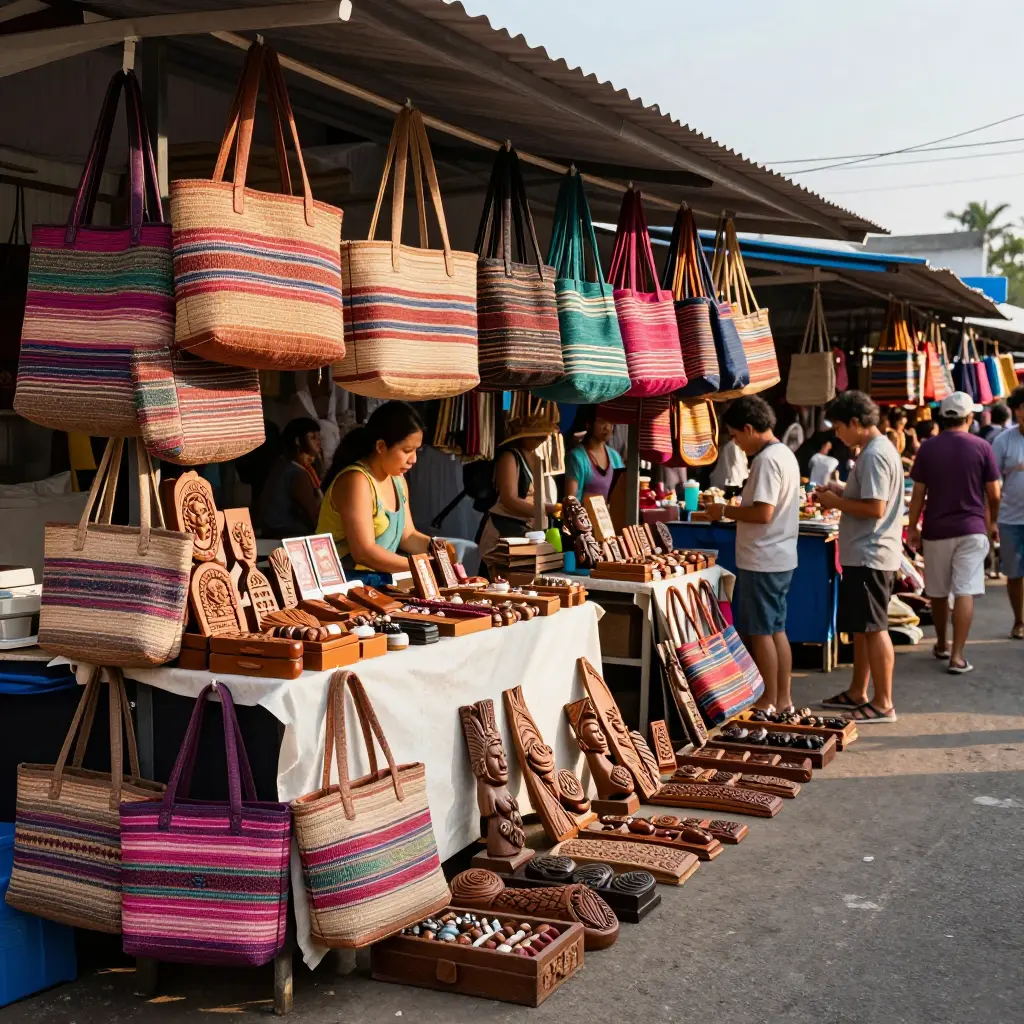
The Philippines has a rich tradition of weaving, particularly in regions like the Cordillera, Mindanao, and Visayas. Partnering with local weavers to produce bags, placemats, or hats gives your products authentic story and certification of origin, which premium buyers and foreign tourists are willing to pay for. These items carry the highest emotional value and are the hardest to replicate cheaply.
Personalized Keychains and Accessories
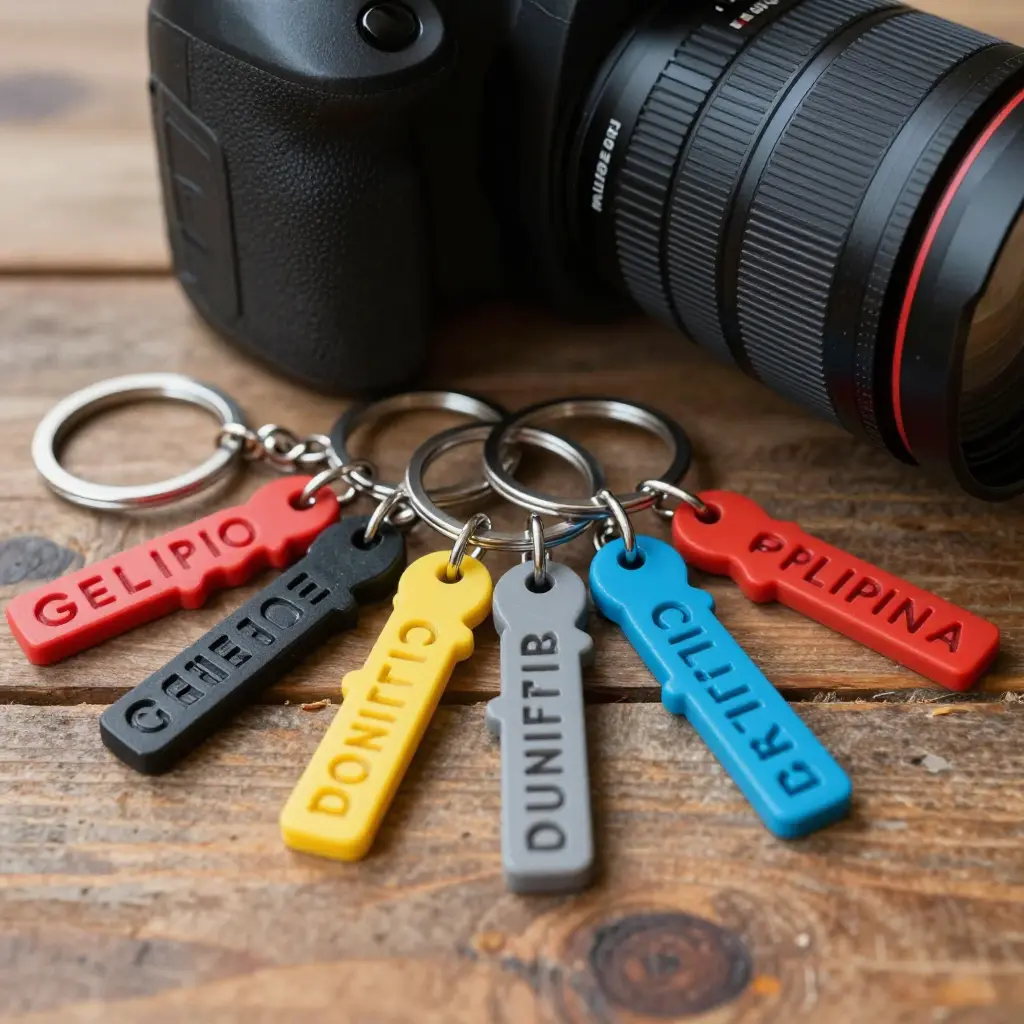
Laser-engraved or UV-printed keychains with names, province names, or local phrases (like “Mabuhay” or “Mahal Kita”) sell exceptionally well at both physical locations and online. A laser engraver costs PHP 12,000 to PHP 35,000 for entry-level machines, but the per-unit production cost drops to PHP 15 to PHP 40 after that initial investment.
Experience-Based and Service-Oriented Souvenir Concepts
Not all souvenir businesses need to be product-first. Some of the fastest-growing concepts in Philippine tourism combine product with experience.
Photo and Portrait Services
Offering instant printed photos at tourist spots, especially in Instagrammable destinations like Kawasan Falls, Chocolate Hills in Bohol, or rice terraces in Sagada, is a low-equipment, high-margin service. A portable printer like the Canon Selphy costs around PHP 3,500 to PHP 6,000 and produces prints for PHP 15 to PHP 25 each, which you can sell at PHP 80 to PHP 200 per print.
DIY Souvenir Workshops
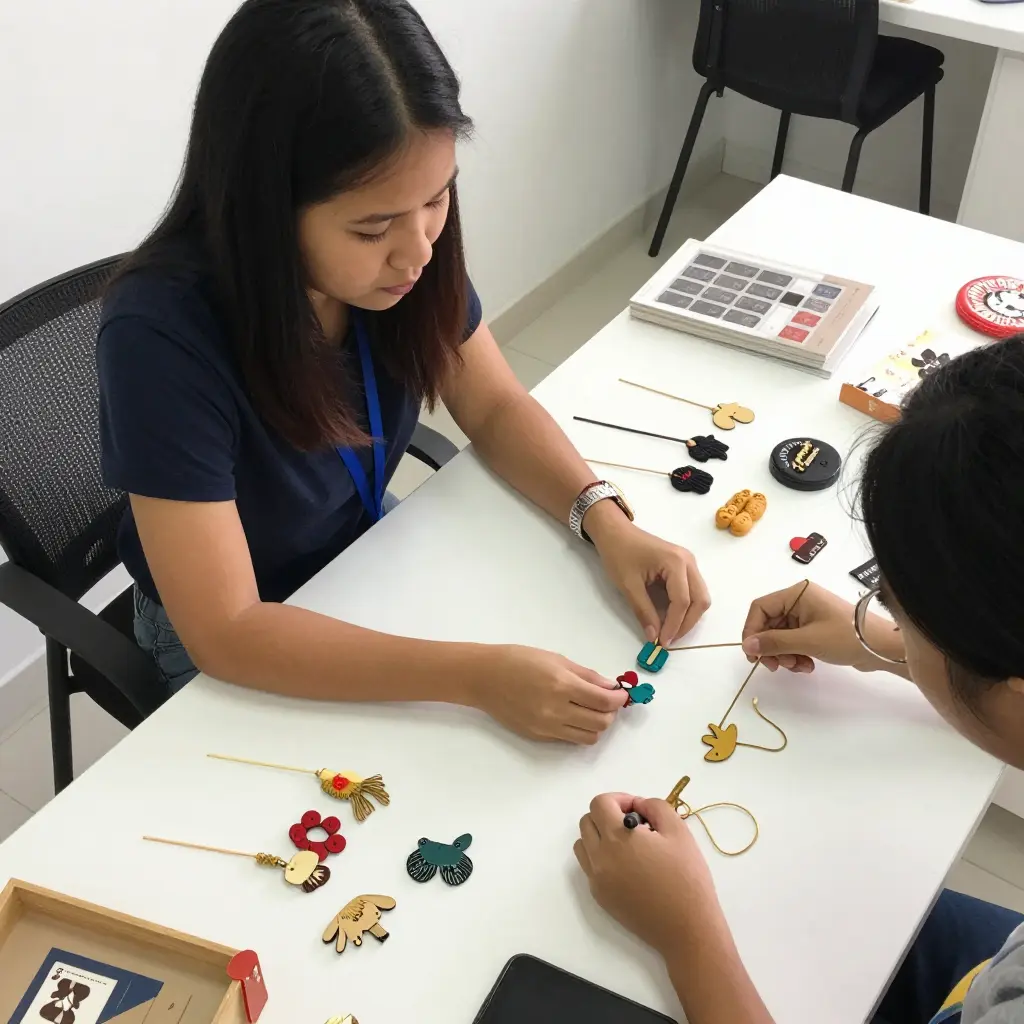
This concept is gaining traction in art districts like Maginhawa in Quezon City and in resort towns. You set up a short workshop where tourists paint their own ref magnet, assemble a small terrarium, or hand-stamp a tote bag. Charge PHP 200 to PHP 500 per person for a 30-minute activity. The cost of materials per participant typically runs PHP 60 to PHP 120, giving you healthy margins while creating a shareable, memorable experience.
Custom Illustration Services
If you have drawing skills or can hire a local illustrator, offering caricature drawings or custom portrait illustrations at tourist spots or online (shipped as prints or on mugs) is another scalable option. A caricature artist in a tourist area can earn PHP 2,000 to PHP 5,000 per day on a busy weekend.
Selling Channels: Where to Move Your Inventory
Even the best souvenir product fails without the right distribution. Here are the most effective channels for Philippine souvenir sellers:
Physical Locations
- Weekend markets and bazaars (Salcedo Market, Legazpi Sunday Market, Mercato Centrale)
- Tourist strip stalls or consignment at souvenir shops in your target destination
- Tiangge setups at malls during holiday seasons
Online Platforms
- Shopee and Lazada for pasalubong-style products that ship nationwide
- TikTok Shop for visually engaging products like handpainted items or DIY kits
- Etsy for targeting international buyers looking for Filipino crafts and handmade goods
- Instagram and Facebook Shops for community-driven, artisan brands
The most effective approach is to start with one physical channel to validate demand and pricing, then expand to online platforms once you have consistent product photography and a fulfillment process in place.
Things to Know
- The Bureau of Customs and BIR registration requirements apply once your online souvenir sales cross certain thresholds, so it is wise to register your business early to avoid penalties.
- Pasalubong culture in the Philippines is deeply embedded in social expectations, meaning demand for food-based and handcrafted souvenirs is not limited to tourist areas but extends to everyday gifting.
- Consignment arrangements with hotel shops and airport stores are possible but typically require a 30% to 40% commission cut, so price your items accordingly before agreeing.
- Intellectual property matters: designing your own original artwork or patterns protects you from direct copying by competitors and adds brand value over time.
- Seasonal demand spikes around Christmas, Holy Week, and long weekends, so stock up and prepare logistics at least 4 to 6 weeks in advance.
- Sustainable and eco-friendly packaging has become an important selling point, especially with foreign tourists and urban Filipino buyers who are more environmentally conscious.
Pricing Your Souvenir Products Correctly
Underpricing is the most common mistake among first-time souvenir sellers in the Philippines. Many beginners price based on material cost alone and forget to factor in labor, packaging, booth rental, transportation, and platform fees.
A practical formula to use:
Selling Price = (Material Cost + Labor Cost + Overhead) x Markup Multiplier
For handmade items, a 3x to 4x multiplier on total production cost is standard. For printed or laser-engraved goods with lower labor input, a 2.5x multiplier still yields strong margins.
For example, a handpainted wooden nameplate that costs PHP 80 in materials and PHP 60 in labor (your time, or paid labor) has a production cost of PHP 140. At 3.5x, the selling price becomes PHP 490, which is well within what most buyers expect to pay at tourist destinations.
Never compare your prices to Divisoria or Bagsakan wholesale goods. Your product sells an experience and a story, not just an object.
Ready to Launch Your First Souvenir Product?
Pick one product from the table above that matches your available capital, then source your first batch of materials from your nearest local market or supplier, test it at one physical venue or online channel this weekend, and gather real feedback from your first ten customers before scaling.
That single action, starting with a small test batch rather than waiting for a perfect business plan, is what separates the souvenir sellers who gain traction from those who never get started.
Frequently Asked Questions
Q: How much capital do I need to start a souvenir business in the Philippines?
You can begin with as little as PHP 3,000 to PHP 10,000 for simple product lines like ref magnets or keychains.
Starting small at weekend markets or through online reselling allows you to test demand without committing to full retail overhead. Once you identify your best-selling items, you can reinvest profits into expanding your inventory or production setup.
Q: Do I need a business permit to sell souvenirs at markets or online in the Philippines?
For regular selling, you are required to register with the BIR and secure a local business permit from your city or municipality.
Selling at bazaars typically requires the market organizer’s vendor accreditation, which varies per event. For online platforms like Shopee or Lazada, you can start as an individual seller but must register once income becomes consistent.
Q: What are the best locations in the Philippines to set up a souvenir stall?
High-traffic tourist destinations like Boracay, El Nido, Bohol, Baguio, and Intramuros in Manila offer the strongest foot traffic for souvenir sellers.
Airport terminals and ferry ports are also excellent because travelers are in a buying mindset. For beginners without access to tourist areas, urban weekend markets in Metro Manila offer comparable sales opportunities with lower stall rental costs.
Q: How do I make my souvenir products stand out from competitors?
Focus on authenticity, personalization, and storytelling tied to a specific Philippine region or cultural tradition.
Products that carry a clear origin story, use indigenous materials, or offer customization (names, dates, personal messages) consistently outperform generic alternatives. Investing in quality packaging and a consistent visual brand also raises perceived value significantly.
Q: Can I sell Philippine souvenirs to international customers online?
Yes, platforms like Etsy, eBay, and even Shopee’s international shipping program allow you to reach buyers abroad.
Filipino crafts, handwoven goods, and indigenous-inspired products have strong demand from the Filipino diaspora and foreign buyers interested in Southeast Asian crafts. Shipping costs and customs documentation are the main logistical considerations you need to plan for in advance.
The Bottom Line on Souvenir Business Ideas
The Philippines offers one of the richest environments in Southeast Asia for souvenir entrepreneurs, combining a strong pasalubong culture, diverse regional crafts, and growing both domestic and international tourism. The souvenir business ideas with the most staying power are those built around authentic local materials, a clear visual identity, and a product that customers feel proud to give as a gift or display at home.
Start with one product, one channel, and one destination. Validate your pricing and messaging with real customers before investing in larger inventory or equipment. The sellers who last in this business are not those with the biggest starting budgets but those who stay close to their customers and keep improving based on direct feedback.