
Shirataki Rice: Complete Guide for Weight Loss, Diabetes, and Healthy Eating
The global rise of metabolic disorders—particularly obesity and Type 2 diabetes—has driven both researchers and health-conscious consumers to seek better carbohydrate alternatives. Enter shirataki rice: a translucent, gelatinous grain substitute that allows you to enjoy the sensory experience of eating rice while consuming almost no calories or digestible carbohydrates.
Rooted in traditional East Asian cuisine, this remarkable food has evolved from a regional specialty into a mainstream functional food. Whether you’re following a ketogenic diet, managing diabetes, or simply trying to lose weight, shirataki rice offers a scientifically backed solution.
Table of Contents
What Is Shirataki Rice?
Shirataki rice is a translucent, gelatinous, low-calorie alternative to traditional cereal grains. The term “shirataki,” which translates to “white waterfall” in Japanese, reflects the pristine, semi-translucent appearance of the traditional noodle format from which the rice-shaped variation is derived. This product has transitioned from a traditional regional ingredient to a mainstream functional food utilized by individuals seeking weight reduction, glycemic control, or adherence to specialized dietary frameworks such as the ketogenic and low-carbohydrate diets.
What Is Shirataki Rice Made Of?
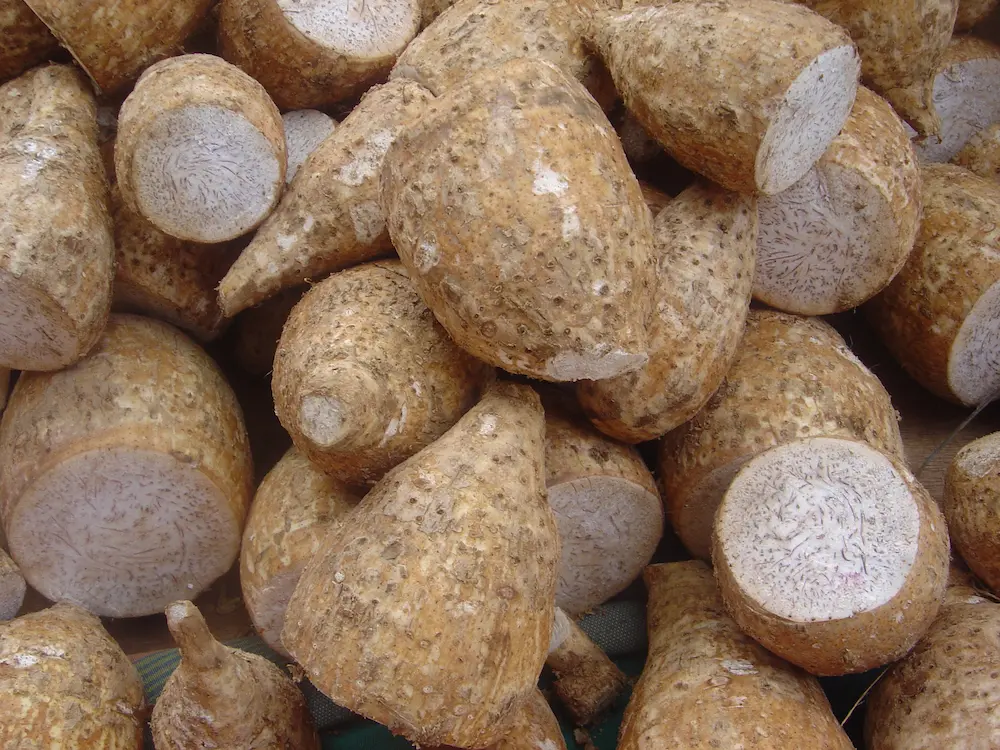
The primary raw material for shirataki rice is the corm, or underground tuber, of the konjac plant, taxonomically classified as Amorphophallus konjac. Native to high-altitude regions of East and Southeast Asia, the konjac corm is structurally unique compared to other root vegetables such as potatoes or yams. While traditional tubers store energy in the form of highly digestible starches, the edible portion of the konjac plant consists of an exceptionally high concentration of glucomannan, a soluble dietary fiber, with minimal starch content.
To understand what is shirataki rice made of, one must examine the extraction and gelation process. The konjac root is dried and milled into a fine flour rich in glucomannan. This fiber is a high-molecular-weight polysaccharide composed of β-1,4-linked D-mannose and D-glucose monomers in a molecular ratio of approximately 1.6:1. Because the human digestive tract lacks endogenous enzymes capable of cleaving these specific β-1,4-glycosidic bonds, the fiber remains largely indigestible as it passes through the upper gastrointestinal tract.
During manufacturing, the extracted glucomannan flour is dissolved in water and blended with a food-grade alkalizing agent, typically calcium hydroxide, which destabilizes the acetyl groups on the polysaccharide chain. This structural alteration induces gelation, forming a thermally stable, highly cohesive alkaline gel. The gel is extruded into small, grain-like shapes to mimic traditional rice. In its conventional wet format, the resulting product comprises a highly hydrated polymer network containing approximately 97% water and 3% glucomannan fiber. This composition represents a profound thermodynamic and nutritional divergence from starch-heavy cereal crops.
Shirataki Rice Nutrition Facts
Analyzing the shirataki rice nutrition facts reveals a macronutrient profile characterized by extremely low caloric density and minimal digestible carbohydrates. Because the carbohydrate fraction is composed almost entirely of non-digestible soluble fiber, the net carbohydrate impact on human metabolism is virtually zero. This structural property ensures that the shirataki rice glycemic index is essentially zero, preventing the postprandial insulin surges associated with refined grain intake.
Nutrition Facts Per 100g
Evaluating the shirataki rice calories 100g portion provides a baseline for clinical dietary calculations. The following table presents a detailed nutritional breakdown of a standard wet, cooked portion, demonstrating that 100g shirataki rice calories, 100 grams of shirataki rice calories, and 100g cooked shirataki rice calories consistently remain within a minimal metabolic range.
| Nutrient Component | Value per 100g (Wet, Cooked) | Daily Value Percentage (%DV) |
|---|---|---|
| Calories | 5.0 – 15.0 kcal | ~0.5% |
| Total Carbohydrates | 1.0 – 3.0 g | ~1.0% |
| Dietary Fiber | 2.0 – 3.0 g | 11% – 12% |
| Protein | 0.0 g | 0.0% |
| Total Fat | 0.0 g | 0.0% |
| Sodium | 0.0 – 9.0 mg | <0.5% |
How Many Calories Are in 1 Cup of Shirataki Rice?
In culinary applications, portions are frequently measured by volume. Evaluating 1 cup of shirataki rice calories, or calculating 1 cup shirataki rice calories, reveals that the shirataki rice calories 1 cup measurement yields only 10 to 20 calories, depending on the specific hydration levels of the brand. This is a substantial reduction compared to a cup of cooked white rice, which delivers approximately 200 to 205 calories, effectively cutting calorie density by 90% to 95%.
Dry Shirataki Rice Calories vs Wet Shirataki Rice
There is a major nutritional and physical difference when understanding dry shirataki rice calories compared to conventional wet shirataki rice. Due to the physical chemistry of pure konjac gel, it cannot be dehydrated into a stable, dry grain and subsequently rehydrated without losing its structural integrity. To resolve this, food manufacturers formulate dried alternatives by blending konjac flour with starch-based binders, most commonly rice flour or tapioca starch.
This manufacturing modification introduces digestible starch, altering the product’s caloric and macronutrient density. Raw, dry shirataki rice containing these starches carries a high caloric density of approximately 320 to 350 kcal per 100g.
Upon boiling, the dry grains absorb water and expand significantly, exhibiting an expansion ratio of approximately 4× to 5× its original dry volume. Consequently, 100g of cooked dry-reconstituted shirataki rice contains approximately 70 to 80 kcal , which is lower than white rice but substantially higher than the 5 to 15 kcal found in wet shirataki rice.
A single cooked cup of dry-reconstituted shirataki rice can deliver up to 196 kcal. Consumers must carefully review product labels to avoid misinterpreting the calorie count, as dried versions are sometimes marketed with the extremely low calorie values of wet konjac, which can lead to unintended carbohydrate intake.
Is Shirataki Rice Healthy?
To determine whether is shirataki rice healthy, clinical research supports its role as an effective metabolic placeholder. The question of whether is shirataki rice low carb is answered by its low digestible carbohydrate content, which makes it highly suitable for therapeutic carbohydrate restriction.
For individuals following a ketogenic diet, the virtual absence of net digestible carbohydrates supports sustained ketosis while satisfying the desire for a familiar, grain-like meal base. The primary mechanism for weight management is its low energy density, which allows individuals to practice volume eating. This approach enables the consumption of satisfying portions that physically distend the stomach and trigger satiety centers without exceeding daily caloric limits.
Additionally, the non-digestible glucomannan fiber behaves as a functional prebiotic, passing intact into the large intestine where it supports a healthy microbiome.
Shirataki Rice Benefits
The physiological benefits of shirataki rice and the benefits of shirataki rice extend across several metabolic and gastrointestinal pathways.
Supports Weight Loss
Clinical trials show that glucomannan fiber supports weight loss. In a randomized clinical study, the consistent daily ingestion of glucomannan over an eight-week period, without other prescribed dietary changes, resulted in an average weight loss of 2.5 kg. This effect is driven by the fiber’s exceptional water-binding capacity, which forms a thick, viscous gel in the stomach that slows gastric emptying and delays hunger signals.
May Improve Blood Sugar Control
Glucomannan helps manage postprandial glycemia. The highly viscous gel formed by the fiber in the digestive tract acts as a physical barrier, slowing down the enzymatic hydrolysis of co-ingested starches and delaying the absorption of glucose across the intestinal mucosa. This leads to a flatter, more controlled postprandial glucose curve and reduces the demand on pancreatic beta cells for insulin secretion.
Helps You Feel Fuller Longer
The high viscosity of glucomannan slows down gastrointestinal transit, which helps prolong satiety. Physical expansion of the fiber gel within the stomach triggers mechanical stretch receptors in the gastric wall. These receptors transmit satiety signals via the vagus nerve to the hypothalamic feeding centers, suppressing appetite-stimulating hormones like ghrelin and sustaining long-term fullness.
Supports Digestive Health
Glucomannan serves as a valuable prebiotic substrate for the gut microbiome. Commensal anaerobic bacteria in the colon, particularly species of Bifidobacterium and Lactobacillus, ferment this soluble fiber into short-chain fatty acids (SCFAs) such as acetate, propionate, and butyrate. These SCFAs nourish colonocytes, strengthen the mucosal barrier, lower luminal pH to inhibit pathogens, and promote regular peristalsis, reducing the risk of constipation.
Low-Calorie Alternative to Rice
Substituting traditional high-starch grains with shirataki rice provides an easy way to reduce calories. Replacing a standard portion of white rice with wet shirataki rice eliminates approximately 180 to 190 kcal per meal, helping individuals maintain a caloric deficit without feeling deprived.
Is Shirataki Rice Good for Diabetics?
When determining if is shirataki rice good for diabetics, clinical evidence shows it is highly beneficial for both glycemic control and insulin sensitivity. Managing diabetes effectively requires minimizing large fluctuations in blood glucose to prevent long-term complications. Traditional refined grains like white rice trigger rapid enzymatic breakdown into glucose, causing immediate hyperglycemic spikes.
Shirataki Rice and Blood Sugar
The use of shirataki rice for diabetic management helps maintain stable, flat glycemic curves. Because wet shirataki contains no digestible carbohydrates, it does not supply glucose to the bloodstream. When consumed alongside other foods, the gel slows down the overall rate of digestion, helping prevent sudden spikes in blood sugar after meals.
Shirataki Rice Glycemic Index
The glycemic index of pure wet shirataki rice is 0, as it does not raise blood glucose levels. This is a major contrast to white rice, which has a high glycemic index of 73, and brown rice, which has a moderate index of 68.
Why Diabetics Choose Shirataki Rice
Diabetics choose shirataki rice for diabetics diets to help manage their condition and reduce their reliance on insulin or oral medications. In a clinical trial examining Type 2 diabetic subjects, regular consumption of glucomannan fiber over a multi-week period was associated with a 7.4% reduction in fasting blood glucose, a 0.4% decrease in HbA1c, and a 10% reduction in circulating LDL cholesterol. These metabolic improvements help reduce cardiovascular risks in diabetic patients.
Is Shirataki Rice Safe to Eat?
To assess if is shirataki rice safe and whether is shirataki rice safe to eat, toxicological and dietary evaluations confirm that konjac-derived glucomannan is a safe, non-toxic food ingredient.
Can You Eat Shirataki Rice Every Day?
Daily consumption is safe for most healthy individuals. However, because pure shirataki rice contains virtually no protein, fat, vitamins, or minerals, it should not be used as a primary source of nutrition. Daily use is safe provided it is part of a balanced diet rich in proteins, essential fatty acids, and key micronutrients to prevent nutritional deficiencies.
Who Should Limit Consumption?
Individuals with severe gastrointestinal motility disorders, such as gastroparesis, chronic constipation, or structural intestinal blockages, should limit their intake of shirataki rice. The high viscosity of the fiber can worsen symptoms of delayed gastric emptying. Additionally, the thick gel can bind to oral medications in the gut, potentially reducing their absorption and effectiveness. To avoid this, medications should be taken either one hour before or four hours after consuming shirataki rice.
Shirataki Rice Side Effects
While beneficial for metabolic health, the high water-binding capacity of glucomannan fiber can sometimes cause mild to moderate shirataki rice side effects, especially in individuals who are not used to a high-fiber diet.
- Bloating and Gas: When glucomannan reaches the large intestine, it undergoes rapid fermentation by colonic bacteria. This fermentation produces gases like hydrogen and carbon dioxide, which can lead to abdominal bloating and flatulence.
- Digestive Discomfort and Diarrhea: Ingesting large amounts of fiber without enough water can cause abdominal cramping, mild intestinal discomfort, or loose stools.
- Importance of Hydration and Gradual Incline: To minimize these side effects, individuals should increase their daily intake of shirataki rice gradually over several weeks. Maintaining proper hydration is also crucial, as drinking plenty of fluids helps the fiber pass smoothly through the digestive tract.
How to Cook Shirataki Rice
Because of its unique chemistry, shirataki rice requires specific preparation to neutralize its natural alkaline odor and achieve a pleasant, rice-like texture. The following steps outline how to cook shirataki rice, shirataki rice how to cook, and how to prepare shirataki rice.
Step 1 – Drain the Liquid
Open the wet package and transfer the shirataki rice into a fine-mesh colander, allowing the packaging liquid to drain completely. This fluid contains trace amounts of calcium hydroxide, which carries a distinct, slightly fishy or metallic alkaline smell.
Step 2 – Rinse Thoroughly
Rinse the drained grains under cold, running tap water for 1 to 2 minutes. This rinsing step washes away any remaining alkaline residue and neutralizes the natural odor.
Step 3 – Dry Roast for Better Texture
Transfer the rinsed rice into a hot skillet or saute pan over medium-low heat without adding any oil, butter, or water. Stir the grains continuously with a spatula for 3 to 5 minutes. This dry-roasting process evaporates the surface moisture bound to the outside of the grains. When the rice begins to make a light popping sound, it indicates that the excess water has evaporated, transitioning the texture from soft and rubbery to firm and chewy.
Step 4 – Use in Your Favorite Recipes
Once the rice is dry-roasted, add cooking oils, soy sauce, garlic, herbs, or broths directly to the pan. Because shirataki rice has a neutral flavor, it easily absorbs the taste of the seasonings and sauces it is cooked with.
Common Cooking Mistakes to Avoid
- Failing to Dry-Fry: Skipping the dry-frying step leaves excess moisture on the surface of the grains, which can result in a soft, slippery texture and prevent sauces from adhering properly.
- Freezing: Shirataki rice should never be frozen. Freezing damages the molecular gel network of the glucomannan, causing it to lose its water-binding structure and turn into a tough, rubbery mass upon thawing.
- Serving Unseasoned: Because the rice is naturally flavorless, eating it without seasoning can be unappealing; it is best enjoyed when cooked with flavorful sauces, spices, or as part of a stir-fry.
Shirataki Rice vs White Rice
Comparing shirataki rice vs white rice highlights the major nutritional and metabolic differences between these two foods.
| Feature Metric | Shirataki Rice (Wet, Cooked) | White Rice (Cooked) |
|---|---|---|
| Caloric Density (per 100g) | 5 – 15 kcal | ~130 kcal |
| Carbohydrate Content | ~1.0 g | ~28 g |
| Dietary Fiber | 2.0 – 3.0 g | 0.4 g |
| Glycemic Index (GI) | 0 | 73 |
| Clinical Classification | Non-glycemic dietary fiber gel | High-glycemic refined starch grain |
| Optimal Dietary Application | Fat-loss, ketosis, diabetic management | Rapid glycemic replenishment, caloric surplus loading |
Shirataki Rice vs Brown Rice
A comparison of shirataki rice vs brown rice illustrates how they differ in fiber quality and macronutrient delivery.
| Comparative Metric | Shirataki Rice (Wet, Cooked) | Brown Rice (Cooked) |
|---|---|---|
| Calories (per 100g) | 5 – 15 kcal | ~112 kcal |
| Carbohydrates (per 100g) | ~1.0 g | ~23 g |
| Dietary Fiber (per 100g) | 2.0 – 3.0 g | 1.8 g |
| Protein Content | 0.0 g | 2.3 g |
| Diabetes-Friendliness | Optimal (Zero glucose elevation) | Moderate (Controlled release but high overall carb load) |
Popular Shirataki Rice Brands
Several commercial brands offer distinct shirataki rice options designed to meet various dietary and storage needs.
Mr. Squirrel Shirataki Rice
Mr. Squirrel Shirataki Rice is a popular dried shirataki rice option available in the Philippines. It is formulated with a blend of konjac flour, rice flour, and water, and is FDA-certified for food safety. This brand is commonly sold in 100g mini packs, often available in promotional bundles like “buy 5 take 5” or “buy 10 take 10,” as well as larger 1000g (1kg) bulk bags, with larger bulk options up to 5kg.
Key features include zero fat and zero sodium, with a long shelf life of 18 months when stored in a cool, dry place. A 25g cooked serving of this dried rice contains 29 calories, 6.1g of carbohydrates, 0.4g of dietary fiber, and 0.5g of protein. On a 100g basis, the uncooked dry mix provides approximately 116 calories, 24.4g of carbohydrates, 1.6g of fiber, and 2g of protein.
- Pros: The dry format offers convenient cupboard storage and has a long shelf life without the typical fishy packaging odor of wet alternatives. It also absorbs cooking flavors cleanly.
- Cons: Because it contains rice flour as a starch binder, it is not a zero-carb food. This makes it less suitable for strict, low-carb ketogenic diets. Additionally, due to food safety regulations, the manufacturer does not accept returns on opened packages.
Diva Organics Shirataki Rice
Diva Organics Shirataki Rice is a well-known organic brand in the Philippine low-carb market, recognized for its certified gluten-free, vegan-friendly, and non-GMO profiles. The brand primarily focuses on highly pure wet packaging formats. It is widely distributed in 100g sample sizes, 250g bags, and 1kg bulk bags.
Its key nutritional feature is its simple formulation, containing only refined konjac flour, water, and citric acid as a natural preservative. Per 100g serving, the wet variant provides only 5 calories, 0g of net carbohydrates, 3g of dietary fiber, 0g of fat, and 0g of protein.
- Pros: The wet format has virtually no digestible carbohydrates, making it an excellent option for strict ketogenic and diabetic diets. It is also completely free of starches or binding flours.
- Cons: The packaging liquid has a strong alkaline odor when opened, which requires thorough rinsing and dry-frying to remove.
Nutrifam Shirataki Rice
Nutrifam Shirataki Rice is a prominent health food brand that offers both wet shirataki rice and dry “Magic Rice” options. The wet packs are sold in 200g pouches , while the dry “Magic Rice” is available in 500g bags.
Nutrifam’s wet shirataki rice contains 25 calories, 11g of carbohydrates, 5g of dietary fiber (resulting in 6g of net carbs), 0g of protein, and 45mg of sodium per 100g serving. The dry “Magic Rice” variant is made with a blend of konjac flour and tapioca flour , delivering 80 calories and 20g of carbohydrates per 25g uncooked serving.
- Pros: The wet version is pre-cooked, allowing for quick preparation with just a simple rinse. The dry “Magic Rice” has a fluffy texture that closely mimics real white rice and cooks in 10 minutes.
- Cons: The dry “Magic Rice” has a high starch content due to the tapioca flour, meaning it is not suitable for strict ketogenic diets and can raise blood sugar levels if consumed in larger quantities by diabetics.
Brown Bear Shirataki Rice
Brown Bear Shirataki Rice is an organic brand featuring dried shirataki konjac rice, popular on international online shopping platforms. It is commonly packaged in 100g pouches and often sold in multi-packs, such as 3-bag, 5-bag, or 10-bag bundles.
The product is organic, vegan, and gluten-free, with no added artificial preservatives. Its ingredients consist of organic konjac flour, rice flour, and water. On a 100g dry basis, it contains 116 calories, 22g of carbohydrates, 55g of dietary fiber, 6.8g of protein, and 0g of fat or sodium.
- Pros: The high fiber content helps support digestive health and provides long-lasting satiety. It has a neutral taste that easily absorbs sauces and seasonings.
- Cons: Because it uses rice flour as a binder, it contains digestible carbohydrates, making it less suitable for strict, zero-carb diets.
Shirataki Rice Price Guide
In the Philippines, the shirataki rice price is determined primarily by the product format (wet vs. dry) and brand origin.
- Wet Formats: Wet options generally have a lower price per package but a smaller volume yield. For example, a 200g wet pouch of Nutrifam or similar brands typically retails for ₱88.00 to ₱92.35 in physical supermarkets.
- Dry Formats: Dry versions have a higher upfront cost but expand four- to five-fold when cooked, making them a practical choice for regular use. A 1kg bag of dried shirataki rice (such as Mr. Squirrel) on online platforms ranges from ₱139.00 to ₱387.00, depending on seller promotions and shipping fees.
- Cost Per Serving: Standard wet shirataki rice averages approximately ₱44.00 per 100g serving. Reconstituted dry shirataki rice is more cost-effective, averaging between ₱15.00 and ₱25.00 per cooked serving, though it does contain more carbohydrates. Imported organic brands like Diva Organics typically range from ₱199.00 to ₱407.00 per kilogram, depending on the bundle size.
Where to Buy Shirataki Rice
Finding shirataki rice where to buy is straightforward due to its wide availability across multiple retail channels.
Grocery Stores
In the Philippines, major supermarket chains stock both wet and dry shirataki rice. Brands like Nutrifam are commonly found in SM Supermarkets, Savemore, Robinsons Supermarket, S&R, Landers, and Puregold. Within supermarkets, these products are typically located in the “Rice, Grains & Seeds” section, the dry goods pantry, or specialized health food aisles.
Health Food Stores
Specialty health food stores, such as Healthy Options, stock premium wet and organic shirataki rice. These stores focus on organic, non-GMO, and certified allergen-free options, though they generally retail at a higher price point, typically ranging from ₱150.00 to ₱200.00 per pack.
Online Marketplaces
E-commerce platforms like Shopee, Lazada, and TikTok Shop offer a wide selection of both local and imported brands. Online purchasing is highly popular because it allows consumers to read product reviews and buy in bulk (such as 3kg to 10kg packages) at lower unit prices.
Direct Brand Stores
For guaranteed product authenticity and detailed nutritional information, consumers can purchase directly from official brand webstores, such as shopmrsquirrel.com, divarice.com, and nutrifam.com.ph. Many of these direct sites also offer subscription plans for convenient regular delivery.
Frequently Asked Questions About Shirataki Rice
Is Shirataki Rice Keto-Friendly?
Pure wet shirataki rice is highly keto-friendly because it contains almost no digestible carbohydrates. However, individuals should carefully check the ingredients of dry shirataki rice, as many dry brands include starch binders like rice flour or tapioca starch, which add carbohydrates and can disrupt ketosis.
Does Shirataki Rice Taste Like Regular Rice?
By itself, shirataki rice is virtually flavorless and has a slightly chewy, gel-like texture. However, because the grains are highly absorbent, dry-frying them before cooking helps them take on the flavor of the sauces, seasonings, and aromatics they are prepared with.
Can Shirataki Rice Help With Weight Loss?
Yes, shirataki rice is an effective tool for weight loss. Its high glucomannan fiber content absorbs water and expands in the stomach, promoting physical fullness and delaying hunger. This allows individuals to enjoy satisfying portion sizes while naturally consuming fewer calories.
Is Shirataki Rice Better Than White Rice?
For individuals focused on weight loss, carbohydrate restriction, or managing diabetes, shirataki rice is a better choice due to its low calorie count and lack of glycemic impact. However, traditional white rice remains a better option for athletes needing quick glycogen replenishment, as well as for general nutrition, since shirataki rice contains no protein or essential micronutrients.
Is Shirataki Rice Better Than Brown Rice?
For strict calorie control or managing blood sugar, shirataki rice is more effective. While brown rice is nutrient-rich and contains more fiber than white rice, it is still dense in carbohydrates and can cause blood sugar levels to rise, making shirataki rice a more suitable alternative for diabetics.
How Often Can You Eat Shirataki Rice?
Shirataki rice can be eaten daily. However, because it contains no protein, fat, vitamins, or minerals, it should not replace nutrient-dense foods in the diet. Daily use is safe as long as it is paired with proteins, healthy fats, and a variety of vegetables to ensure balanced nutrition.
Does Shirataki Rice Spike Blood Sugar?
Pure wet shirataki rice has a glycemic index of 0 and does not raise blood sugar. Diabetics should be cautious with dry shirataki rice brands, as these often contain rice flour or tapioca starch, which introduce digestible carbohydrates that can lead to postprandial blood sugar spikes.