

10 Best Businesses to Start in the Philippines for Foreigners
The Philippines has quickly become one of the most attractive destinations for foreign investors in Southeast Asia. With a fast-growing digital economy, a young workforce, and recent pro-business reforms, 2026 presents a strong opportunity for foreigners looking to start a business in the country.
In this guide, we’ll explore the best businesses to start in the Philippines for foreigners, along with legal requirements, costs, and practical tips for success.
Why Start a Business in the Philippines as a Foreigner?
The Philippines offers a compelling mix of economic growth and accessibility for international entrepreneurs.
With a population of over 110 million—most of whom are young, mobile-first, and digitally active—the country presents a massive consumer base. The economy continues to grow steadily at around 5%+ annually, supported by strong services, manufacturing, and digital sectors.
One major advantage is the widespread use of English, making it easier for foreign investors to manage teams, negotiate deals, and market their products.
Additionally, government initiatives like infrastructure expansion and digitalization are improving logistics, connectivity, and overall ease of doing business.
Table of Contents
Can Foreigners Own a Business in the Philippines? (Legal Requirements Explained)
Yes, foreigners can own businesses in the Philippines—but ownership depends on the industry and capital.
Foreign Ownership Rules (FINL Explained)
The Foreign Investment Negative List (FINL) determines which industries are:
- Fully open to foreign ownership
- Limited to 40% foreign equity
- Reserved for Filipinos
Many sectors today allow 100% foreign ownership, especially in digital, export, and tech-driven businesses.
Minimum Capital Requirements for Foreigners
- $200,000 (~₱11M) – Standard for domestic market businesses
- $100,000 (~₱5.5M) – If using advanced tech or hiring 15+ employees
- ₱25M – For foreign-owned retail businesses
- Minimal capital – For export-oriented businesses
Land Ownership Rule
Foreigners cannot own land—but thanks to new laws, they can now lease land for up to 99 years, making long-term investments like resorts and farms more viable.
Top 10 Profitable Businesses in the Philippines for Foreigners
Here are the most promising industries based on demand, profitability, and foreign ownership flexibility:
1. BPO or Call Center Business in the Philippines

The IT-BPM sector remains the top investment choice for foreigners. Beyond call centers, opportunities now include:
- SaaS development
- AI services
- Financial analytics
These businesses can be 100% foreign-owned and benefit from global demand.
2. Renewable Energy Business in the Philippines

With the country pushing for sustainability, renewable energy (solar, wind, hydro) is booming.
Foreigners can fully own these businesses and enjoy:
- Tax holidays
- Duty-free equipment imports
3. E-commerce Business in the Philippines

The Philippine e-commerce market continues to grow rapidly.
Foreign entrepreneurs can build:
- Online stores
- Dropshipping businesses
- Social commerce brands
Integration with local wallets like GCash and Maya makes transactions seamless.
4. Real Estate Rental Business in the Philippines

Foreigners can invest in:
- Condominium units (up to 40% ownership per project)
- Rental properties
- REITs
High demand in cities like Makati and BGC ensures stable returns.
5. Manufacturing Business in the Philippines
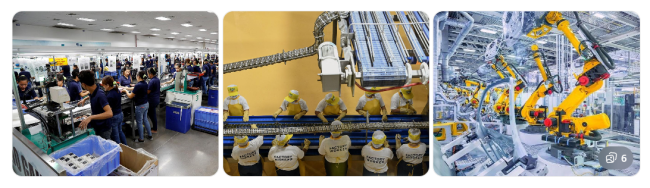
Manufacturing is growing due to:
- Lower labor costs
- Access to ASEAN markets
Best sectors include food, consumer goods, and transport equipment.
6. Healthcare and Medical Technology Business

Healthcare demand is rising, creating opportunities in:
- Medical supplies
- Wellness centers
- Health tech platforms
7. Tourism and Resort Business in the Philippines

Tourism remains one of the most profitable industries.
With the 99-year lease law, foreigners can now confidently invest in:
- Resorts
- Hotels
- Eco-tourism projects
8. Logistics and Delivery Business

The rise of e-commerce has created strong demand for:
- Warehousing
- Cold chain logistics
- Delivery services
9. Education and Skills Training Business

Foreigners can invest in:
- Coding bootcamps
- BPO training centers
- Professional development programs
These are open for foreign ownership if not part of formal K-12 education.
10. Agribusiness in the Philippines

With millions of hectares of fertile land, agribusiness offers long-term potential.
Foreigners can lease land and invest in:
- Coffee
- Cacao
- Coconut production
How to Start a Business in the Philippines as a Foreigner (Step-by-Step Guide)
Starting a business involves several steps:
1. Register Your Business
- SEC (Corporation)
- DTI (Sole Proprietorship)
2. Secure Local Permits
- Barangay Clearance
- Mayor’s Permit
3. Register with BIR
Get your Tax Identification Number (TIN) and official receipts.
4. Employer Registration
Register with:
- SSS
- PhilHealth
- Pag-IBIG
The full process usually takes 8 to 16 weeks.
How Much Does It Cost to Start a Business in the Philippines?
Costs vary depending on location and business type.
Estimated Costs:
- Capital: ₱5M – ₱25M+ (depending on industry)
- Office rent (Metro Manila): ₱1,800 – ₱2,900+/sqm
- Fit-out costs: ₱20,000 – ₱50,000/sqm
Cities like Cebu and Davao offer lower costs compared to Manila.
Best Cities in the Philippines to Start a Business
- Makati / BGC – Premium business hubs
- Cebu City – Strong BPO and tech scene
- Clark – Ideal for large-scale operations
- Davao City – Lower cost, stable environment
Common Challenges Foreigners Face When Starting a Business
- Bureaucratic delays
- High electricity costs
- Regulatory complexity
- Infrastructure gaps
However, reforms and digitalization are improving these issues.
Tips for Foreigners to Succeed in Business in the Philippines
- Build relationships (pakikisama culture)
- Practice respectful communication (hiya)
- Hire strong local managers
- Be patient with processes
Understanding Filipino work culture is key to long-term success.
Is the Philippines a Good Place to Start a Business as a Foreigner?
Yes—the Philippines offers a unique combination of high growth, strong consumer demand, and increasing openness to foreign investment.
With reforms like reduced capital requirements, 99-year land leases, and tax incentives, the country is becoming more competitive globally.
For foreign entrepreneurs willing to navigate initial challenges, the Philippines presents massive long-term opportunities.