
Dinagyang Festival
What is Dinagyang Festival?
The Dinagyang Festival is a world-renowned cultural and religious celebration held every January in Iloilo City, Philippines. Known for its high-energy street dancing, elaborate costumes, and rhythmic drumbeats, the festival honors the Santo Niño (Child Jesus). It commemorates the arrival of Malay settlers and the Barter of Panay. It is considered one of the country’s grandest and most colorful Hiligaynon festivals.
Table of Contents
What is the Dinagyang Festival all about? It’s a vibrant display of devotion, creativity, and community spirit, drawing thousands of tourists, both local and international, to witness its unique blend of religious tradition and cultural heritage.
In Hiligaynon, “Dinagyang” means “merrymaking,” perfectly capturing the festival’s joyful and spirited nature.
In Tagalog: Ano ang Dinagyang Festival? Isa itong masayang kapistahan sa Iloilo City na nagpapakita ng pananampalataya sa Santo Niño at kultura ng mga Ilonggo.
Dinagyang Festival Place of Origin
The Dinagyang Festival’s origin is Iloilo City, located in the Western Visayas region. This city, rich in colonial history and Ilonggo culture, transforms into a massive stage for performances during the fourth weekend of January.
If you’re wondering where the Dinagyang Festival is celebrated, head to Iloilo City—especially around the Iloilo Freedom Grandstand, Plaza Libertad, and Downtown Iloilo, where much street dancing occurs.
Historical Background of Dinagyang Festival
Dinagyang Festival History and Origin
The Dinagyang Festival traces its roots to two significant historical and cultural events: the arrival of the Santo Niño in Iloilo and the legend of the 10 Bornean Datus who settled in Panay Island. These data are believed to have negotiated with the native Ati people, marking a pivotal moment in the region’s heritage.
The festival began in 1967, shortly after a replica of the Santo Niño de Cebu was brought to San Jose Parish in Iloilo City. The event was initially celebrated through religious processions. In 1977, the “Iloilo Ati-Atihan” was renamed Dinagyang, a Hiligaynon term meaning “revelry” or “merrymaking,” giving the festival a distinct identity from the Kalibo Ati-Atihan and Sinulog Festival.
When did the Dinagyang Festival start?
Its earliest form began in the late 1960s, but it officially became the Dinagyang Festival in 1977.
Cultural Fusion
One of the key characteristics of the Dinagyang Festival is its rich cultural fusion. The celebration reflects a blend of:
- Indigenous Ati culture is honored through warrior-inspired dance performances and traditional body paint.
- Malay heritage – referencing the migration and peaceful barter between the Ati and the ten Bornean chieftains.
- Christianity – centered on the devotion to the Santo Niño, symbolizing the Filipino people’s strong faith.
This unique integration of tribal traditions and Catholic rituals defines the nature and background of the Dinagyang Festival, making it both a spiritual celebration and a showcase of Ilonggo pride.
Dinagyang Festival Celebration
Dinagyang Festival Date
When is Dinagyang Festival celebrated? The Dinagyang Festival date falls on the fourth Sunday of January, right after the Sinulog and Ati-Atihan festivals. It coincides with the Feast of the Santo Niño, drawing thousands of visitors to Iloilo City each year.
Dinagyang month of celebration: January
Dinagyang date of celebration: Fourth Sunday of January
Upcoming Dinagyang Festival Dates
| Dinagyang Year Festival | Dinagyang date of celebration |
| 2026 | January 25 |
| 2027 | January 24 |
| 2028 | January 23 |
| 2029 | January 28 |
| 2030 | January 27 |
| 2031 | January 26 |
| 2032 | January 25 |
| 2033 | January 23 |
| 2034 | January 22 |
| 2035 | January 28 |
| 2036 | January 27 |
| 2037 | January 25 |
| 2038 | January 24 |
| 2039 | January 23 |
| 2040 | January 22 |
| 2041 | January 27 |
| 2042 | January 26 |
| 2043 | January 25 |
| 2044 | January 25 |
| 2045 | January 22 |
| 2046 | January 28 |
| 2047 | January 27 |
| 2048 | January 26 |
| 2049 | January 24 |
| 2050 | January 23 |
Dinagyang Festival Activities
The Dinagyang Festival is known for its vibrant energy and cultural depth. The streets of Iloilo City come alive with synchronized beats, elaborate costumes, and religious devotion. Below are the key highlights:
Tribu Competitions
Street dance performances by competing “tribus” (tribes) featuring synchronized choreography, intense drumbeats, and theatrical storytelling.
Kasadyahan Festival
A cultural showcase featuring regional dances and traditions from around the Philippines. This celebration emphasizes the diversity of Filipino heritage.
Religious Events
Devotees participate in a fluvial procession and solemn mass honoring the Santo Niño, the patron saint of the Dinagyang Festival. Faith remains central to the celebration.
Dinagyang Festival Costume
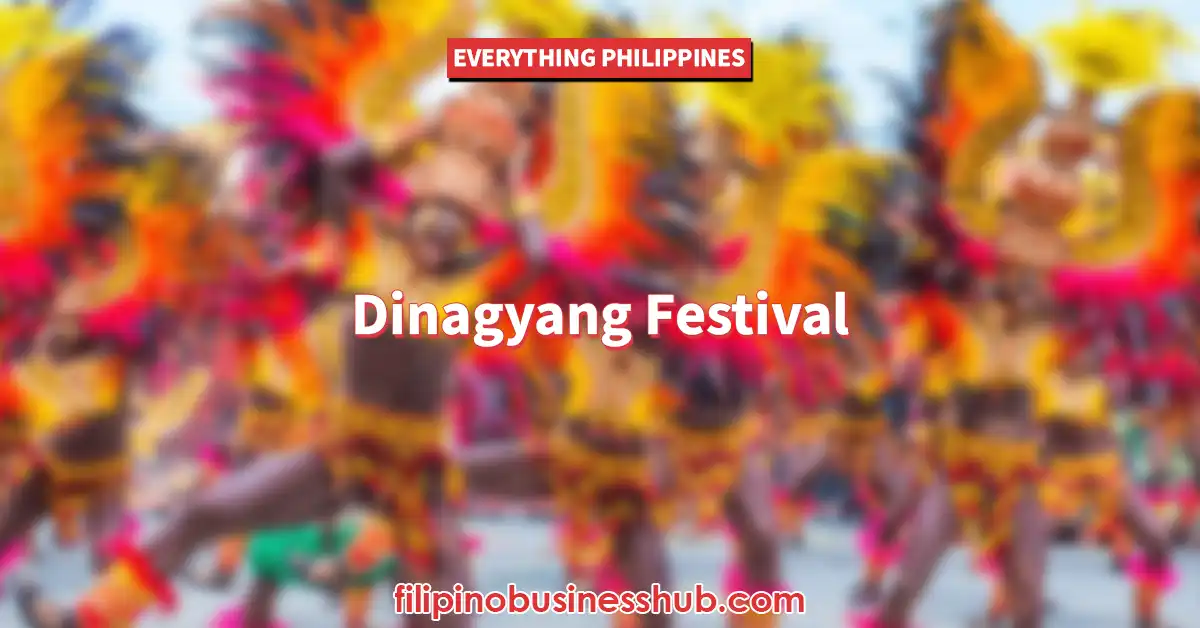
A standout element of Dinagyang is its tribal costumes, combining indigenous aesthetics with modern flair. Participants wear:
- Warrior-inspired headdresses and face paint
- Body paint and tribal markings
- Feathered accessories, loincloths, and symbolic props
- Brightly colored fabrics and beads
These reflect the costume of the Dinagyang Festival — bold, fierce, and culturally expressive. Every detail, from the headdress to the painting, contributes to the character of the Dinagyang warrior.
Significance and Symbolism
Why is the Dinagyang Festival Celebrated?
The Dinagyang Festival is celebrated to honor the Santo Niño (Holy Child Jesus) and to commemorate the legendary arrival of the 10 Bornean datus and their peaceful relationship with the Ati people. It reflects the deep religious faith of the Ilonggos and their cultural resilience.
- Religious Devotion – Celebrated in reverence to the Santo Niño, symbolizing protection and blessings for the community.
- Cultural Commemoration – Remembers the historic pact between Malay settlers and the Ati, promoting themes of peace and coexistence.
- Expression of Identity – A proud display of Ilonggo culture, heritage, and unity.
Dinagyang Festival Meaning
The word “Dinagyang” comes from the Hiligaynon term meaning “merrymaking” or celebration. It captures the joy, spirituality, and energy of the Ilonggos as they come together to express their shared traditions and devotion.
At its core, the Dinagyang Festival meaning reflects:
- Unity – Among Ilonggos and with indigenous roots.
- Faith – As a Catholic celebration honoring the Santo Niño.
- Cultural Pride – Through dance, music, and indigenous representation.
Dinagyang Festival in Context
Dinagyang vs. Other Philippine Festivals
Among the many festivals in the Philippines, the Dinagyang Festival stands out for its synchronized choreography, intense drumbeats, and theatrical street performances. While Sinulog in Cebu and Ati-Atihan in Kalibo also honor the Santo Niño, each has a distinct approach:
- Ati-Atihan emphasizes the Ati people’s traditions with street dancing in blackface.
- Sinulog features a grand fluvial procession and dance rituals with two-step forward one-step backward movements.
- Dinagyang, in contrast, incorporates dramatic staging, tribal competitions, and elaborate costumes judged on precision and storytelling.
These festivals share religious roots but differ in execution and scale. So, what type of festival is Dinagyang Festival? It is a religious-cultural festival combining Christian devotion with indigenous and historical themes.
The Dinagyang Festival is deeply woven into Iloilo City’s culture and tradition. It is not only a celebration but also a platform to promote Ilonggo pride, artistry, and community spirit. Through Dinagyang, Iloilo festivals gain national recognition, drawing tourists and boosting local businesses.
- It showcases the city’s devotion to the Santo Niño.
- It preserves Hiligaynon heritage through music, dance, and costume.
- It strengthens Iloilo’s image as the Festival Capital of the Philippines.
From vibrant parades to reverent prayers, the festival in Iloilo City bridges the past and present.
Practical Information
How to Experience Dinagyang Festival
The Dinagyang Festival is best experienced in person, right in the heart of Iloilo City, the place of celebration. Visitors are advised to book accommodations early, as hotels fill up quickly, especially near the city center.
Travel Tips:
- Book early: Flights to Iloilo and hotel rooms are in high demand during January.
- Get a festival map: Check event schedules and viewing areas in advance.
- Join guided tours: Some local operators offer Dinagyang-focused packages.
Must-See Events:
- Tribu Competitions (Sunday): The main event featuring competing groups in tribal costumes.
- Kasadyahan Festival (Saturday): A celebration of Western Visayas culture.
- Fluvial Procession (Friday): A solemn boat parade for the Santo Niño.
Conclusion
The Dinagyang Festival stands out among Philippine festivals for its dynamic fusion of faith, history, and culture. It is more than just a street parade—it’s a celebration of the Ilonggo spirit, rooted in devotion to the Santo Niño, the legacy of the Ati and Malay ancestors, and the vibrant traditions of Iloilo City.
Whether you’re drawn by the thunderous drumbeats of the tribu competitions, the colorful Dinagyang costumes, or the rich Hiligaynon heritage, this is one celebration that leaves a lasting impression. For those seeking an unforgettable festival in Iloilo, Dinagyang offers a powerful and joyful experience that reflects the soul of the Filipino.
Visit Iloilo and witness the Dinagyang Festival—an iconic celebration that captures the heart of the Philippines.