

Business Attire in the Philippines Explained
In the Philippines, where professionalism and personal presentation carry significant weight, first impressions can shape career opportunities. Whether you are stepping into a corporate boardroom, attending a job interview, or representing your company at an event, the way you dress speaks volumes before you even say a word.
Business attire—whether it’s formal business attire, business casual attire, or corporate business attire—is more than just clothing. It is a visual statement of competence, respect, and credibility. In a competitive job market, knowing the right dress code can help you project confidence, establish authority, and adapt seamlessly to various workplace environments.
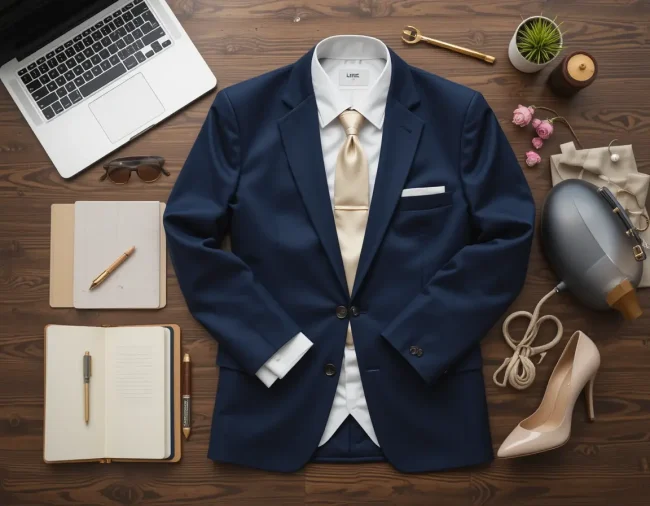
This guide will walk you through business attire in the Philippines, from the structured elegance of formal corporate wear to the relaxed sophistication of modern business casual attire. We’ll explore gender-specific business attire guidelines for men and women, highlight cultural nuances that influence Filipino professional fashion, and provide tips to help you dress appropriately whether you work in a traditional office, a government institution, or a modern startup.
By the end of this article, you’ll have a clear understanding of what constitutes appropriate business attire in the Philippines and how to make your wardrobe work for your career success.
Table of Contents
What is Business Attire? Core Definitions
In its simplest form, business attire refers to the clothing professionals wear in workplace or career-related settings to project competence, credibility, and respect. While the concept is universal, the interpretation of business attire varies significantly between global standards and the Filipino professional environment. In the Philippines, factors such as climate, cultural norms, and industry practices influence what is considered appropriate—from formal business attire in law firms to business casual attire in modern startups.
Global vs. Local Interpretations
- Global Context: In multinational companies, business attire often follows Western dress codes, where business formal attire means tailored suits, conservative colors, and minimal accessories for both men and women.
- Local Context: In the Philippines, tropical weather encourages lighter fabrics, breathable materials, and modest yet practical designs—while still adhering to formality standards. For example, business professional attire for men might include a long-sleeved dress shirt and slacks without a jacket, while women may opt for a short-sleeved blouse with a pencil skirt or tailored trousers.
Key Terms Demystified
- Business Formal Attire – The highest level of professional dress, suitable for boardrooms, client presentations, government functions, and high-stakes corporate events. Men typically wear dark suits with ties, while women may wear a matching blazer and skirt or pantsuit.
- Business Professional Attire – The standard for many corporate offices in finance, law, and administration. It’s slightly less rigid than formal attire but still polished. Men can wear slacks with a long-sleeved shirt and tie; women may choose dresses or coordinated separates.
- Business Casual Attire – A popular choice in creative industries, tech startups, and modern office cultures. It balances professionalism with comfort. For men, this might be slacks or chinos with a polo or collared shirt; for women, blouses paired with skirts or tailored pants.
- Smart Business Attire – A more contemporary twist on professional dressing, combining classic pieces with modern styling. Think of crisp blazers, fashionable women’s business attire with structured silhouettes, or smart-casual business attire for men using well-fitted trousers and minimalist shoes.
- Semi-Formal Business Attire – Reserved for evening events, galas, or corporate parties where the dress code is elevated but not as strict as formal. This may include cocktail dresses for women or dress shirts with a blazer for men—stylish yet professional.
In the Philippines, understanding these distinctions helps professionals navigate varying workplace expectations and ensures they always present themselves appropriately, no matter the occasion.
Philippine Business Attire: Cultural & Climate Adaptation
In the Philippines, business attire reflects a blend of Western professional norms and Filipino cultural values of modesty and respect. While many workplaces—especially multinational companies—adhere to international dress codes, local adaptations make clothing more comfortable and practical for the tropical climate.
Local Influences
- Business attire Philippines: Traditional corporate offices still favor business formal attire for high-level meetings and official functions, but modest necklines, knee-length skirts, and minimal accessories are preferred for women. Men often wear long-sleeved shirts in lighter fabrics instead of heavy wool suits.
- Business casual attire Philippines: In creative, tech, and startup environments, the focus shifts to breathable fabrics like linen, cotton, and light blends. This allows professionals to maintain a polished look while staying comfortable in warm, humid conditions. Relaxed silhouettes—such as flowy blouses, ankle-length skirts, and chino pants—are common.
Climate Considerations
The Philippines’ tropical weather and frequent shifts between heat, humidity, and heavy rain make smart wardrobe planning essential.
- Layering Tips: Many offices are heavily air-conditioned, so keeping a lightweight blazer or cardigan on hand ensures comfort without overheating outdoors.
- Rainy Season Preparedness: During monsoon months, opt for wrinkle-resistant fabrics that dry quickly, and consider dark-colored trousers or skirts to avoid visible water marks.
- Footwear Choices: Leather loafers, closed-toe pumps, or formal flats are standard for professional settings, but choosing breathable materials and cushioned insoles improves comfort in hot weather. For business casual days, polished loafers or dress sandals with covered toes are acceptable in more relaxed industries.
By balancing business attire standards with climate-friendly adjustments, Filipino professionals can present themselves confidently while remaining comfortable throughout the workday.
Business Attire vs. Casual Dress Codes
Understanding the difference between business attire and more relaxed dress codes is essential for making the right impression in any professional setting. In the Philippines, the distinction often comes down to the formality of the clothing, the type of event, and the industry culture.
Business Attire vs. Business Casual
Business attire represents the more formal end of the professional spectrum. It’s the preferred choice for corporate boardrooms, high-level client meetings, presentations, and formal events. For men, this typically means a tailored suit or long-sleeved dress shirt with tie, while women may wear a skirt suit, pantsuit, or formal dress with a blazer.
Business casual attire, on the other hand, offers a more relaxed approach while still looking polished. In the Philippines, this can include polo-barongs, collared polo shirts, or long-sleeved button-downs for men—paired with slacks or chinos. Women may opt for smart blouses, knee-length skirts, or tailored pants without the need for a full blazer. Business casual is often acceptable in creative industries, tech companies, or for less formal office days.
Business Attire vs. Smart Casual
Smart casual business attire sits between business casual and formal. It incorporates fashionable, well-fitted pieces but with a touch of informality. The key difference is in accessories, fabric choice, and styling.
- Fabrics: Business attire uses structured materials like wool blends or crisp cotton, while smart casual leans toward softer fabrics such as knit tops, linen, or blended trousers.
- Accessories: Business attire favors minimal, understated accessories—think leather belts, classic watches, and pearl studs—while smart casual allows for bolder patterns, trendy shoes, or statement jewelry (still kept tasteful).
- Overall Impression: Business attire says “boardroom ready,” while smart casual says “client lunch” or “team meeting at a café.”
Knowing when to shift from formal business attire to business casual or smart casual ensures you match the tone of the occasion without being underdressed or overdressed.
Women’s Business Attire in the Philippines
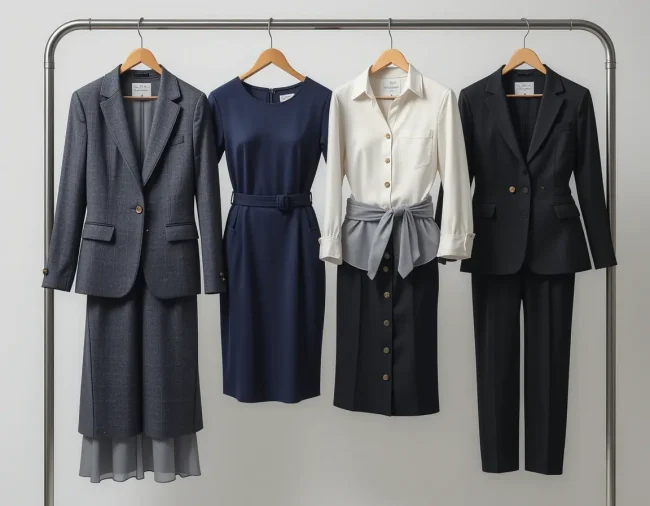
Women’s business attire in the Philippines balances professionalism, cultural modesty, and climate comfort. Whether you work in a traditional corporate office, a government agency, or a modern startup, the right outfit can project both competence and confidence.
Formal & Professional
- Business formal attire for women: Ideal for board meetings, corporate presentations, and ceremonial events. Common options include tailored pantsuits, knee-length pencil skirts with blazers, and sheath dresses in solid or muted colors.
- Formal business attire female: For high-level government or cultural events, some professionals incorporate Baro’t Saya adaptations—traditional Filipino blouses paired with a modern skirt or trousers—to honor heritage while maintaining a formal look.
Business Casual & Smart
- Business casual attire for women: Midi dresses, structured blouses, and tailored trousers are staples. Adding a lightweight, fitted blazer can instantly elevate the look.
- Smart business attire female: Often seen in creative industries or client-facing roles, this style combines monochrome sets, subtle patterns, and statement accessories like a silk scarf or elegant watch to add personality without losing professionalism.
Philippine-Specific Tips
- Business attire for women Philippines: Lightweight terno-inspired blouses work well for semi-formal corporate events, offering a cultural touch while staying office-appropriate.
- Modern business attire female: Korean-inspired silhouettes—high necklines, A-line skirts, and modest cuts—are gaining popularity for their chic yet conservative appeal.
Key Pieces & Styling Essentials
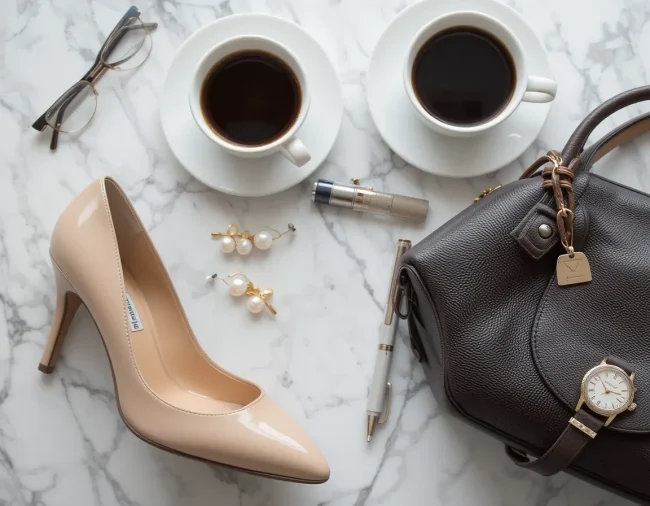
- Business attire for women skirt: Breathable pencil skirts in cotton blends or stretch fabrics are ideal for the tropical climate.
- Coat for business attire women: A lightweight blazer or coat is essential for chilly air-conditioned offices and rainy days during monsoon season.
- Classy smart business attire female: Keep accessories minimalist with stud earrings, slim bracelets, and a structured handbag. Closed-toe pumps or heeled loafers complete the look.
By combining cultural influences, climate-appropriate fabrics, and timeless style, Filipino women can create fashionable women’s business attire that works across various professional settings.
Men’s Business Attire in the Philippines
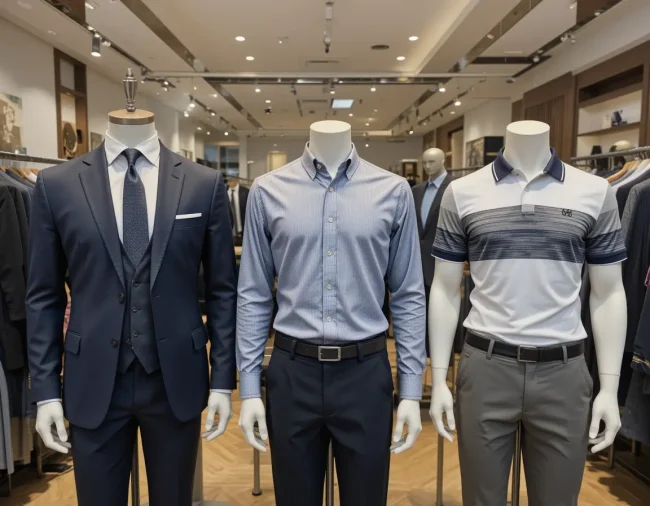
Men’s business attire in the Philippines reflects both global corporate standards and local cultural traditions. From the elegance of a dark suit to the national pride of the Barong Tagalog, Filipino professionals have versatile options for dressing with authority and style.
Formal & Professional
- Business formal attire men: For high-level corporate events, board meetings, and official ceremonies, a tailored dark suit with a dress shirt and tie is the gold standard. For government functions or oath-taking ceremonies, the Barong Tagalog—crafted from piña or jusi fabric—remains an equally formal and culturally significant choice.
- Business professional attire men: This everyday corporate style often includes crisp, long-sleeved dress shirts paired with neutral-colored slacks and a tie. Adding a blazer elevates the look for client meetings or presentations.
Business Casual & Smart
- Business casual attire for men: Common in tech companies, startups, and creative industries, this look includes collared polo shirts or short-sleeved button-downs paired with chinos or slacks. Loafers or dress shoes complete the outfit without appearing overly formal.
- Smart business attire male: A more polished yet modern option—such as an untucked embroidered barong paired with tailored dress pants—offers sophistication while allowing ease of movement and comfort.
Philippine-Specific Adaptations
- Business attire for men Philippines: For particularly hot and humid days, lightweight short-sleeve barongs or linen-blend long-sleeved shirts provide relief without sacrificing professionalism.
- Modern business attire male: Slim-fit suits in lighter colors—like light gray, beige, or soft blue—help professionals maintain a sharp silhouette while staying cool in the tropical climate.
By combining tradition with modern tailoring, Filipino men can create versatile wardrobes that transition smoothly from formal business attire to smart casual business attire, adapting to both the occasion and the weather.
Dress Codes for Key Occasions
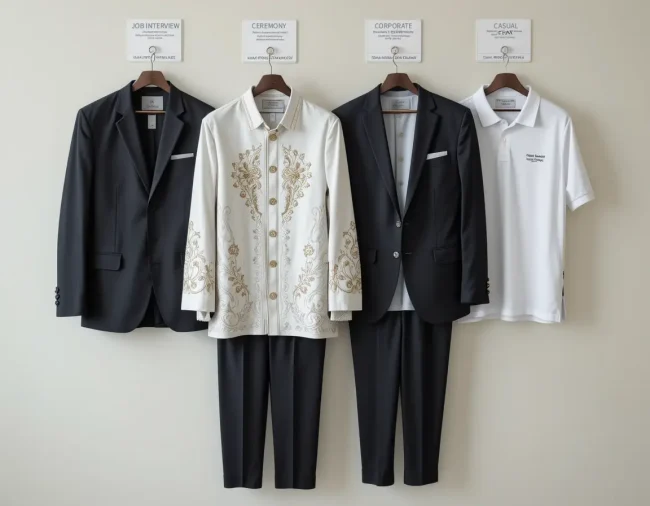
Different professional events in the Philippines call for specific dress codes. Choosing the right business attire for each occasion not only shows respect for the event but also reinforces your professional image.
Job Interviews
- Business attire for interview should always lean toward the conservative side to convey professionalism and reliability.
- Men: Opt for a well-fitted suit in neutral tones such as navy, charcoal, or black, paired with a crisp white or light-blue dress shirt and a simple tie.
- Women: A sheath dress or blouse paired with a knee-length skirt or tailored pants, complemented by a structured blazer, creates a polished and approachable look.
Formal Ceremonies
- Business attire for oath taking often incorporates national dress elements as a sign of cultural respect.
- Men: A Barong Tagalog in piña or jusi fabric, worn over a white undershirt with dark dress pants, is both formal and traditional.
- Women: A modern Filipiniana dress or blouse-and-skirt set offers elegance while honoring heritage. Subtle embroidery and modest necklines maintain a professional tone.
Corporate Events
- Semi-formal business attire is common for company parties, networking events, and evening functions.
- Men: Dark blazers with dress shirts—no tie required—paired with tailored trousers create a refined yet relaxed appearance.
- Women: Elegant jumpsuits, midi dresses, or chic coordinated sets paired with understated jewelry strike the perfect balance between style and formality.
By aligning your wardrobe with the event’s expectations, you demonstrate not only good taste but also an understanding of Filipino workplace etiquette.
Modern Trends & Global Influences
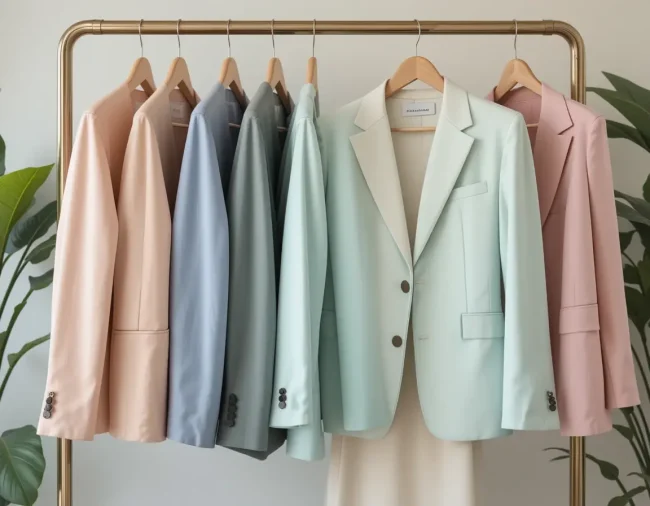
The landscape of business attire in the Philippines is evolving, shaped by global fashion movements, cultural shifts, and the growing demand for comfort and sustainability. Filipino professionals are now blending tradition with modern aesthetics to create work wardrobes that are both stylish and workplace-appropriate.
Evolving Styles
- Modern business attire: Offices are increasingly embracing gender-neutral cuts, looser silhouettes, and sustainable fabrics like organic cotton, bamboo fiber, and linen blends. These styles are not only climate-friendly but also promote inclusivity and eco-consciousness.
- Korean business attire: Popular dramas and K-fashion trends have influenced Manila’s workwear scene, introducing modest high-neck blouses, tailored A-line skirts, and lightweight trench-style blazers. This approach balances elegance with practicality, making it a favorite in industries that value polished yet approachable looks.
Fashion-Forward Tips
- Fashionable women’s business attire: Accessories are playing a bigger role in modern office wear. Printed silk scarves, structured handbags, and block heels can elevate even the simplest business casual attire for women.
- Business chic attire: Mixing traditional pieces with contemporary separates is becoming a hallmark of style-savvy professionals. For example, pairing a Barong-inspired blouse with tailored trousers, or combining a classic pencil skirt with a trendy oversized blazer, creates a unique and memorable professional look.
By embracing modern trends while respecting cultural norms, Filipino professionals can project a forward-thinking image that resonates in both local and global business environments.
Conclusion
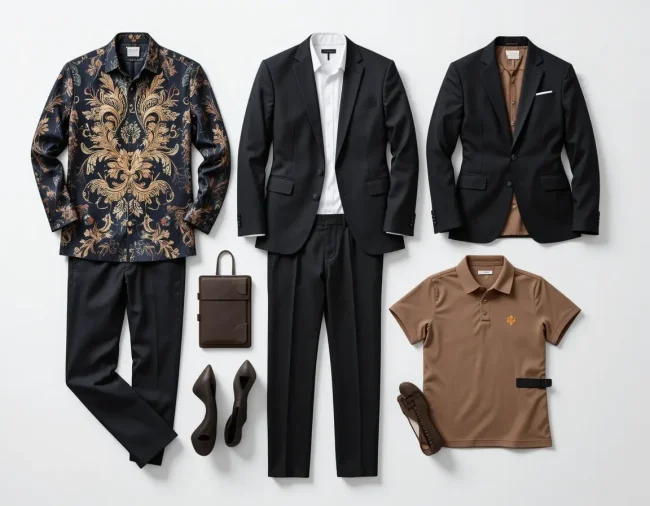
Choosing the right business attire in the Philippines means balancing professionalism, comfort, and cultural expectations. Whether dressing for a job interview, corporate event, or formal ceremony, always adapt your outfit to the industry, occasion, and local climate.
Final Tip: When in doubt, it’s better to be slightly overdressed in proper business attire than risk appearing underprepared with overly casual clothing. Professional presence often starts with how you present yourself.
Ready to make a statement in the workplace? Share your #PhilippinesBusinessStyle journey on social media and inspire others to dress for success.